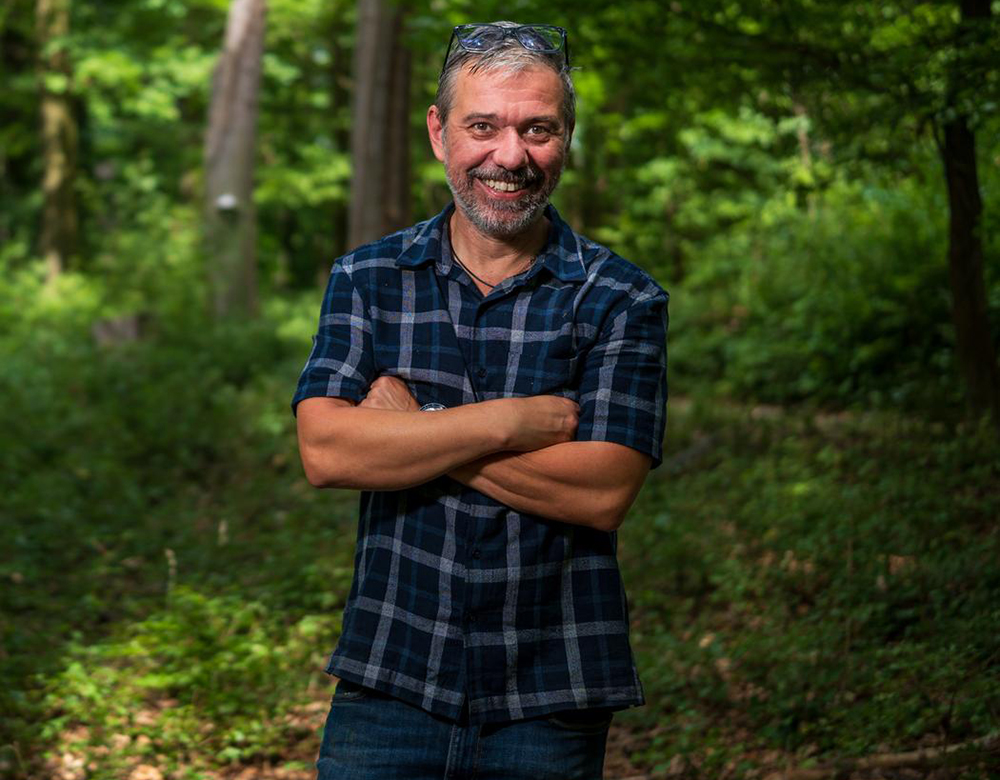
Stanislav Georgiev
You began making art at a very young age and received a silver medal for young artists in Budapest while still in elementary school. What do you remember most clearly about that early recognition, and how did it shape your understanding of yourself as an artist?
I remember I was very happy. It was a moment of motivation, excitement and clarity. I knew that I wanted to continue doing art – be it as a professional or not. I guess it was the foundation stone that helped me build myself as an artist.
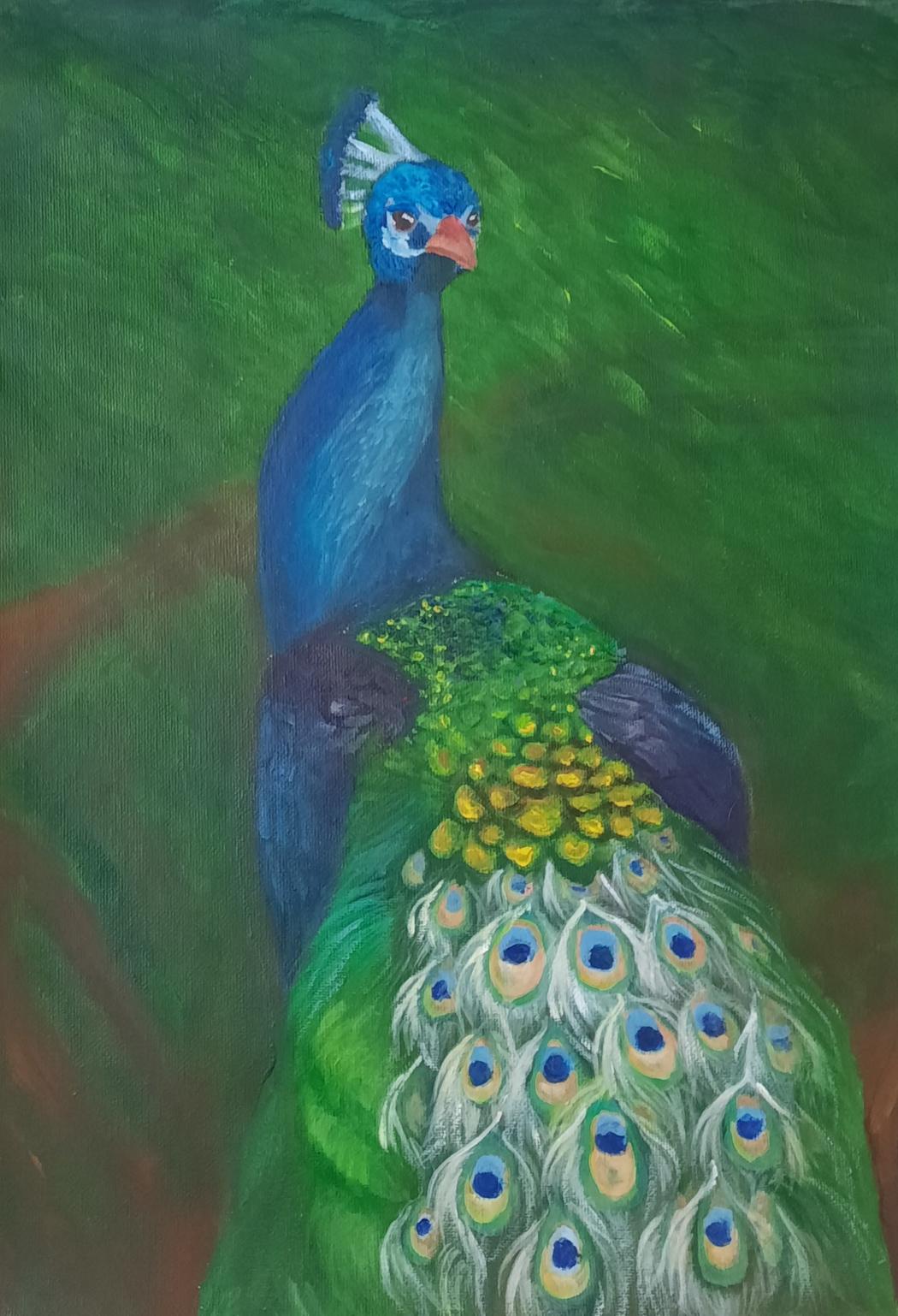 Stanislav Georgiev | Royal
Your artistic journey was interrupted during high school and resumed while you were at university. What brought you back to art, and did your approach change after that period away from it?
As I enrolled in university my understanding of art changed. When I stopped it felt like a part of me was missing. As if I was going against my nature. I studied History and Philosophy as a bachelor and this played a key part of understanding who I am and what I value. Art always brought me joy as a child, but I did not understand how essential was the process to me – it helped me develop personal qualities as patience and perseverance, but most importantly, while practicing, I understood that I was being aligned with my purpose. So I decided to pick up from where I left off. I believe in God and religion is a fundamental part in my life, which helped me define my purpose as an artist. In this regard, I think that the creative process (be it art, science or any other different gifts given to man) is to be cherished, developed and shared with the world. It is something that makes you unique and to be able to make something original, beneficial, that brings joy to others is wonderful.
Your education spans programming, history, philosophy, and English philology, while your professional life is connected to IT. How do these different fields influence the way you think about and create art?
It certainly helped me develop outside-of-the-box thinking. As I mentioned above, History and Philosophy helped me better understand myself and reshaped how I view the world. You can say that I began to understand why I want to do art and what art means to me. I have always had love for languages and this helped me with gathering books and learning articles in native language. These different fields may seem far-fetched from one another but they helped me develop interpersonal qualities that improved how I view and practice art. You can say that this journey is also artistic – gathering materials and fields that seem unmatchable, but in the end, they complement each other in making something original.
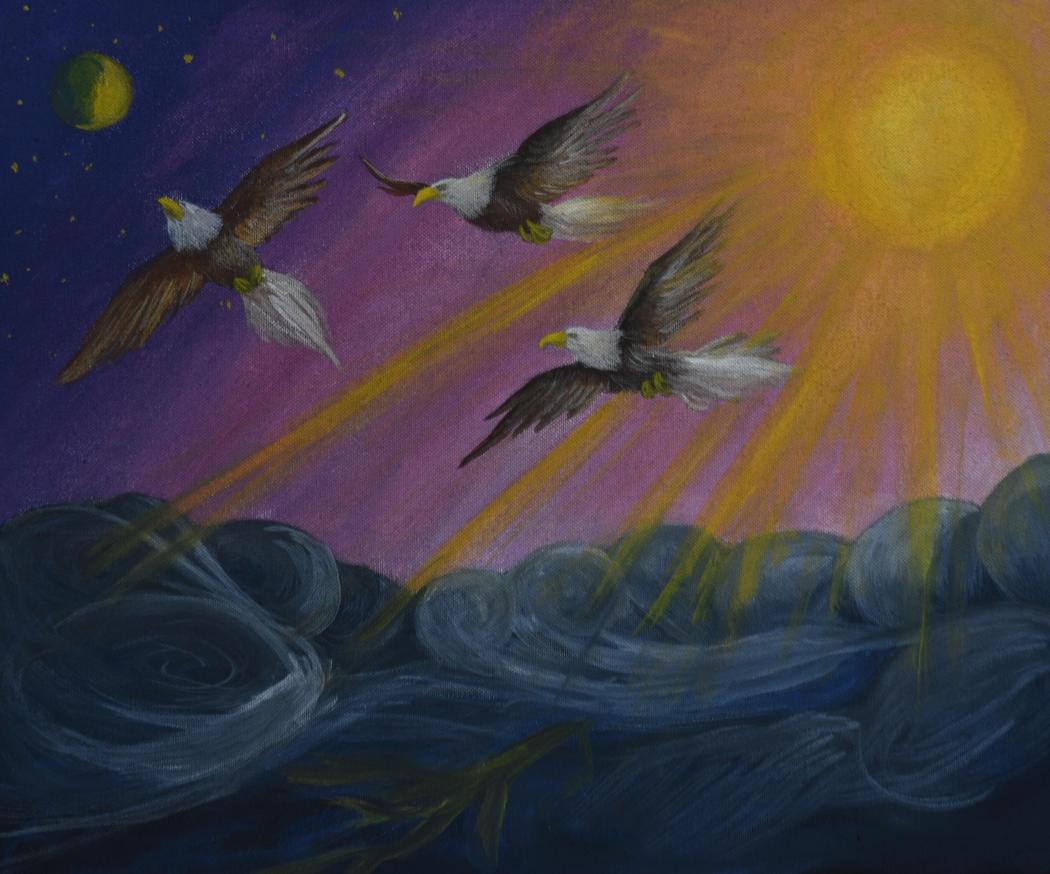 Stanislav Georgiev | Dignity
You are primarily self-taught and developed many of your skills through online resources. What have been the greatest challenges and advantages of building your own artistic education?
My greatest challenge was knowing if I am on the right path of doing things. I had a lot of doubt if I was practicing right, since I did not have mentor and was relying on my own understanding of how art is done. But this also helped me develop my perseverance and confidence, so I guess this was one of the biggest advantages of this process. Eventually I met good artist that showed me that I was lacking basic skills but in general was on the right path, so in the end it worked fine. I managed to build my own set of skills and personal art style.
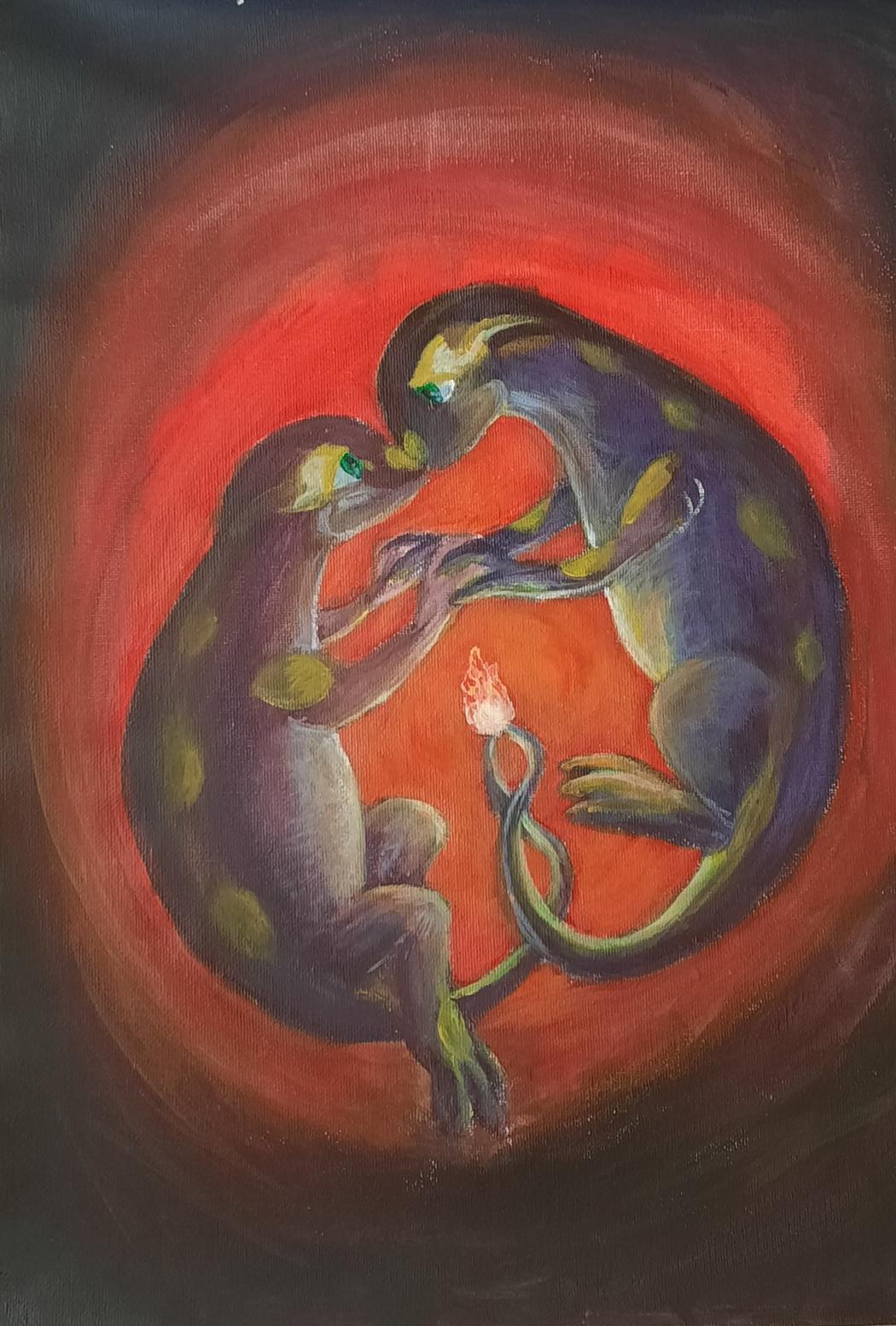 Stanislav Georgiev | Ember
Your landscapes combine recognisable natural settings with strong atmosphere and vivid colour. Do you work from real places and personal memories, or are these scenes largely imagined?
Mainly from memories, blended with imagination. I have optimistic views towards life, so using vivid colours comes natural to me. I grew up with Lord of the Rings and other fantasy and sci-fi movies and literature and was amazed with the colours, ideas and landscapes. This shaped my style since I have studied different illustrators that worked with popular franchises and my fascination with mythology, religion and philosophy helped me in my attempt to make the viewer experience living emotions in my paintings.
You work with gouache, acrylic, and digital painting. How does your creative process change depending on the medium, and what determines which technique is most suitable for a particular idea?
Each medium uses different technique so it makes my creative process more fulfilling. I like to experiment and to find the common ground between mediums, so if I practice one, I could then take an idea and try it out on the other. For example – understanding the techniques of traditional painting -blending colours, portrait paining, helps me improve my digital painting. Digital painting has almost unlimited resources on mediums so I can use it to experiment with techniques which later I can apply with real-life materials.
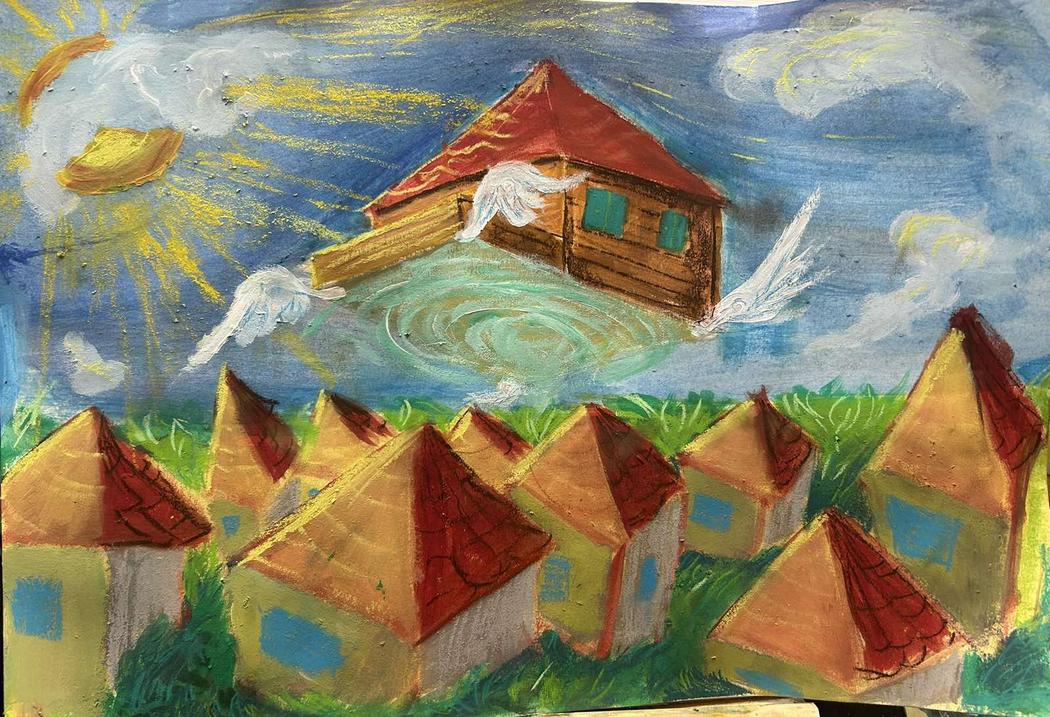 Stanislav Georgiev | Flying House Rodary
You have said that talent should be shared and that art should give people joy, love, and hope. What would you like viewers to feel or carry with them after encountering your work?
I hope that my paintings help people experience positive emotions. I really wish they could feel inspired to pursue their purpose and to know that when you are aligned with your calling and you are following the right way, the path may not be easy, but it is worth it and preserving your joy and purity until the end is the greatest achievement you can make.