
Low How Koon
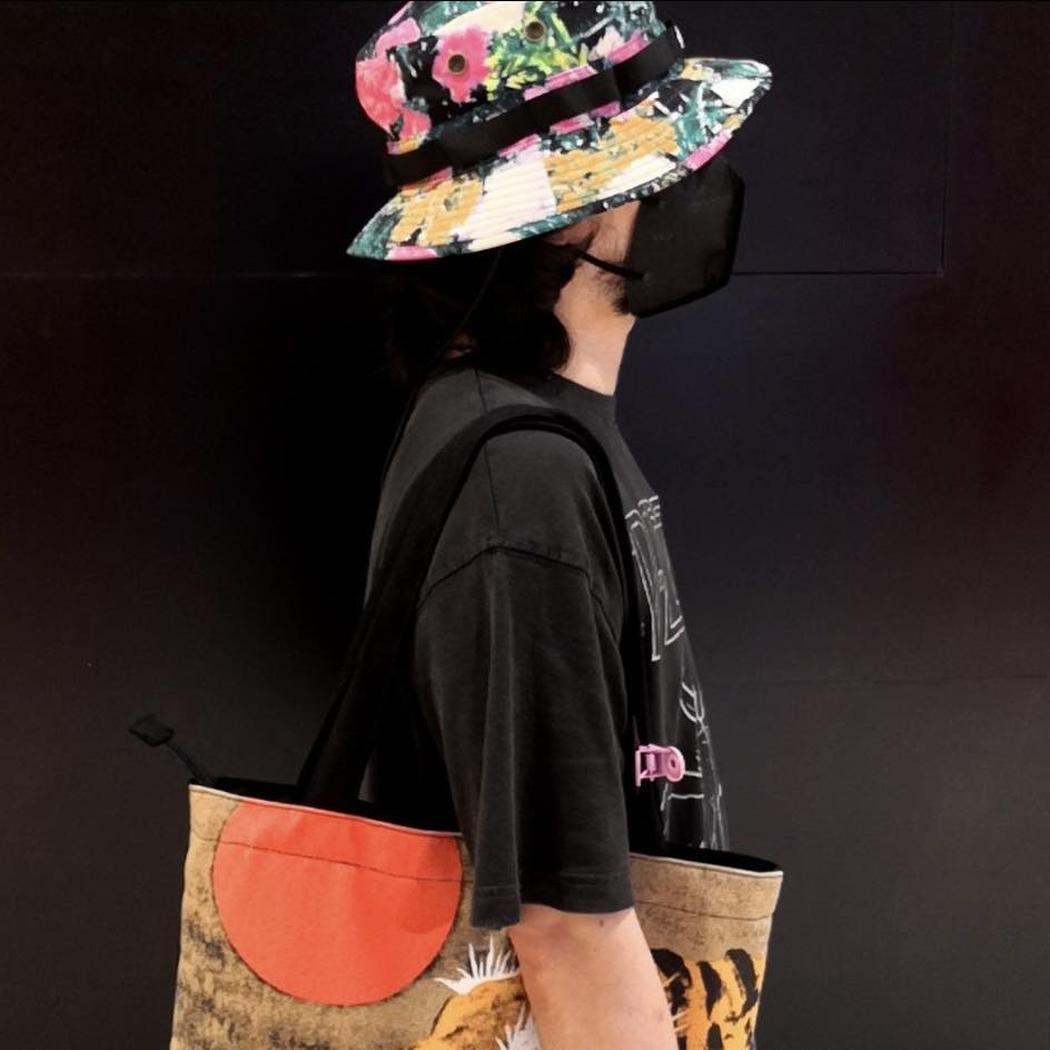
How does your role as a full-time educator influence your approach to digital art and creative experimentation?
My role as an educator constantly shapes how I approach art & design not just in digital art itself. Teaching requires me to break down complex ideas into essential elements, and that process sharpens my own sensitivity to form, color, and composition. In my work, especially in abstraction, I’m not trying to control everything. I allow space for unpredictability, much like how learning happens in the classroom.
So teaching and creating become a continuous exchange—one grounds me, while the other allows me to explore. Teaching keeps me honest. When you guide others, you’re constantly reminded to stay curious and not fall into repetition.
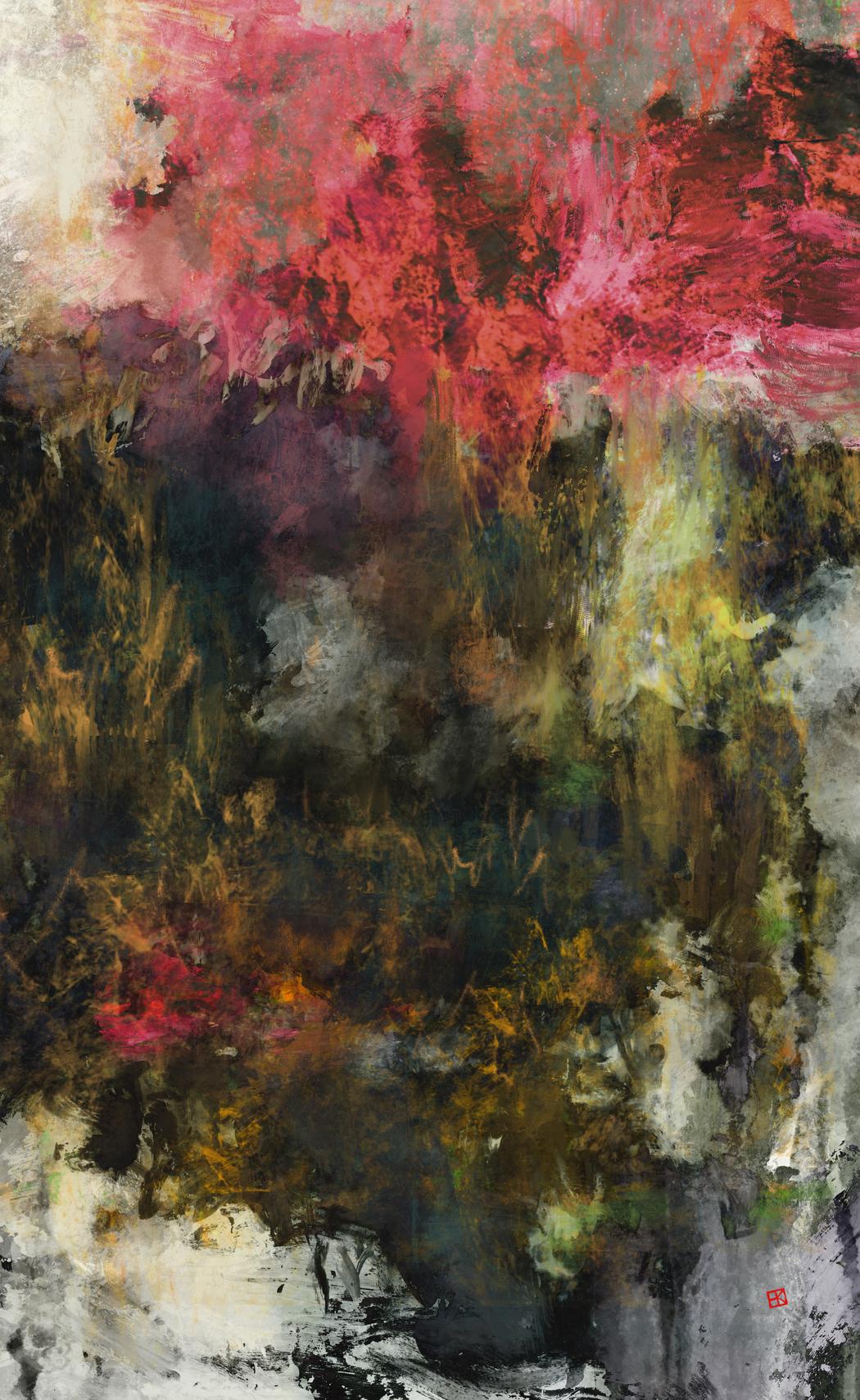 Low How Koon | In Bloom
Many of your compositions feel immersive and almost atmospheric. What is your process for building these layered visual environments?
My process is quite intuitive, but it’s rooted in observation. I don’t begin with a fixed image—instead, I start with a sense of movement or atmosphere. There’s always a balance between intention and chance. Some parts may be more controlled some area might flow more freely.
Over time, these layers begin to form a kind of space—not a literal environment, but something that feels immersive, almost like entering a state rather than a place.
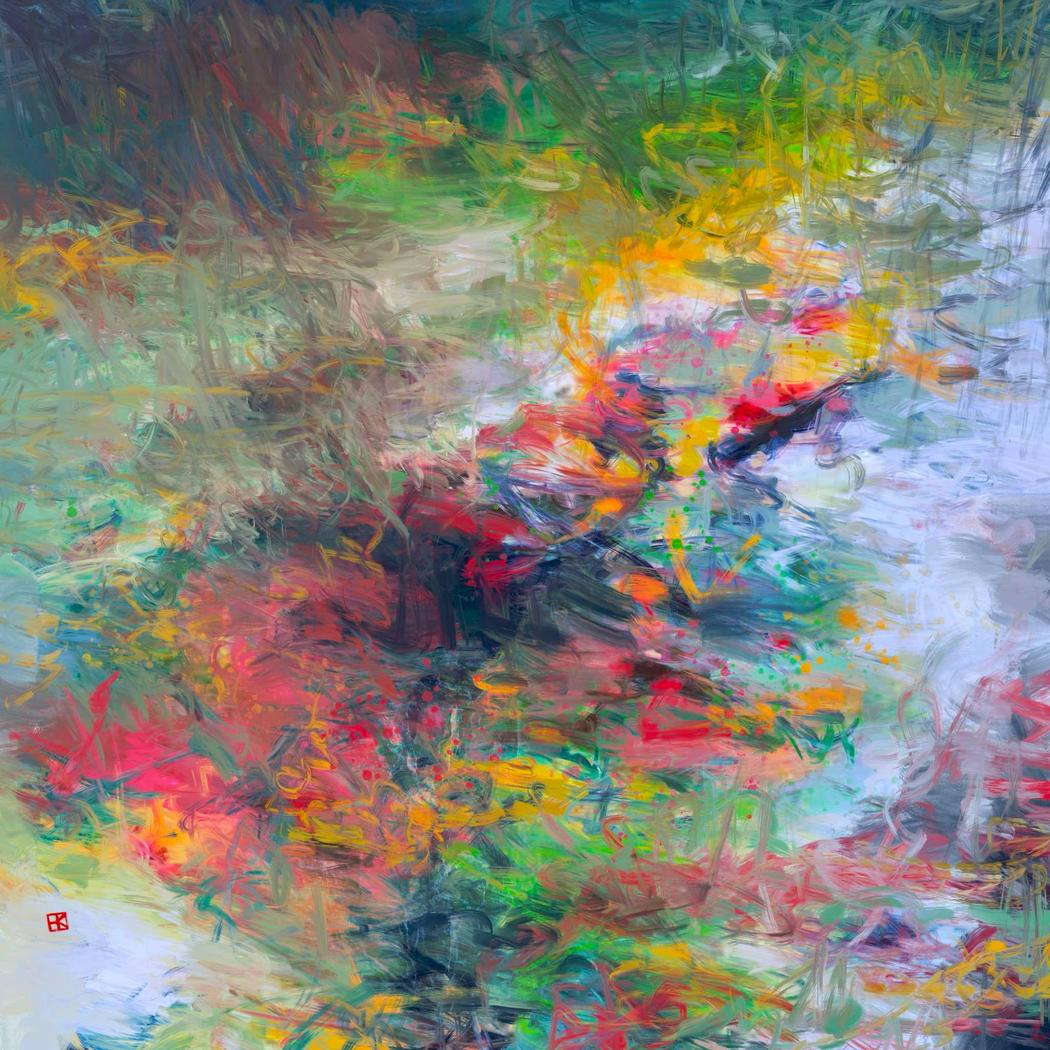 Low How Koon | Unstill
Color plays a powerful emotional role in your paintings. How do you choose your palette, and does it evolve intuitively or conceptually?
Colors evolve intuitively as I’m painting. It is definitely central to how I construct or paint out the emotion and visuals in my work. I don’t work with a fixed pallete- instead, it all started with a general mood and energy that I want to explore.
Your artworks seem to exist between abstraction and landscape. Do you begin with a reference, or do forms emerge organically during the process?
I wouldn’t say I consciously set out to paint a landscape, but I’m also not detached from it. The forms emerge organically as I work, yet they’re shaped by how I observe the world—textures, movement, and rhythms in nature. So there’s an underlying intention, but it’s not imposed. It reveals itself through the process.
What appears may resemble a landscape, but it’s more like a trace of lived experience than a depiction of a specific place. “It’s less about painting a place, and more about responding to how life feels.”
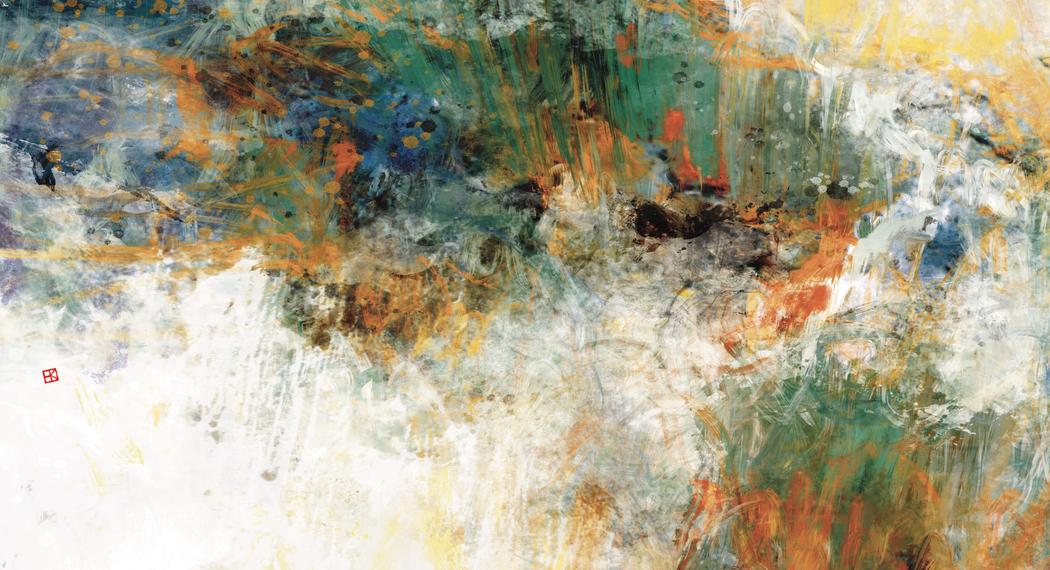 Low How Koon | Motion
How do you see digital tools shaping contemporary artistic observation compared to traditional mediums?
Digital tools have expanded the way we observe and respond to visual information. Unlike traditional mediums, they allow for a more fluid and iterative process—things can be built, adjusted, and reworked continuously. The fundamentals—sensitivity to color, composition, and rhythm—remain the same. The tool changes, but the act of seeing & observing stays the same.
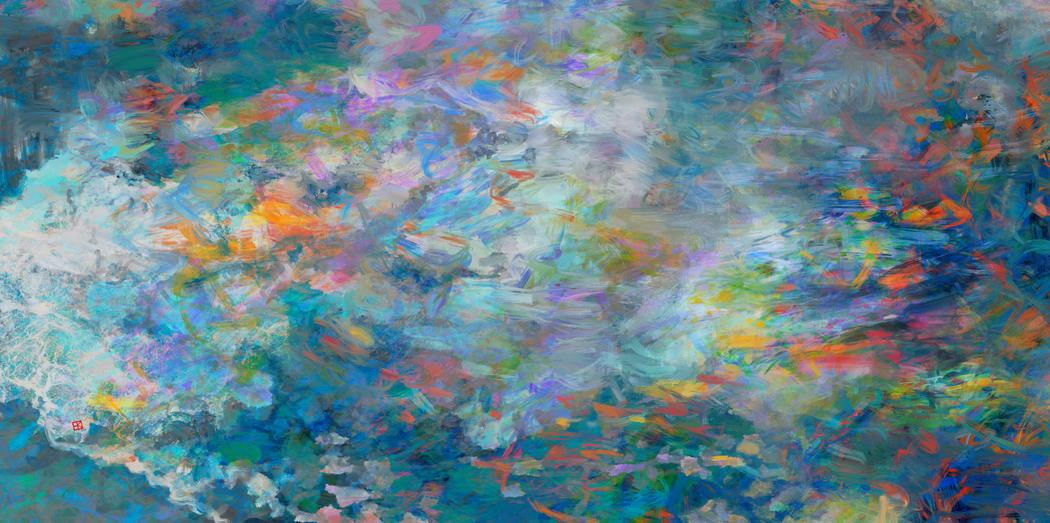 Low How Koon | The Garden Beneath
Do you aim to guide the viewer toward a specific emotional response, or do you prefer open interpretation?
I tend to lean toward open interpretation. I’m interested in creating a sense of movement, energy, and presence, but I don’t define what that should mean emotionally. The viewer view and sense the work through their own experience. It’s less about telling the viewer what to feel, and more about allowing them to feel something that is their own.
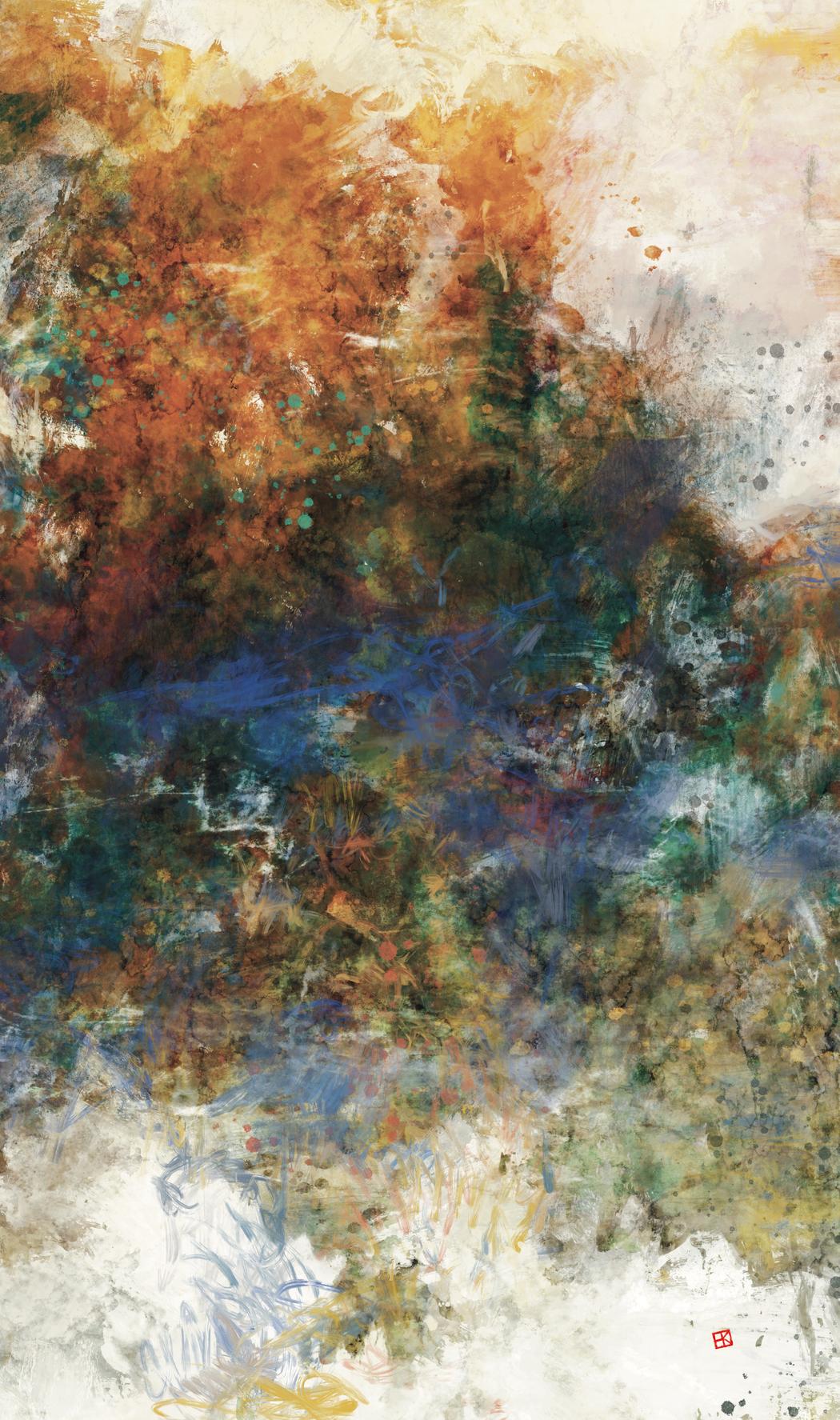 Low How Koon | Awaken
How do you balance control and spontaneity when working in a digital medium?
As I mentioned my work emerge organically as I work. I don’t really separate both balance control and spontaneity as both are guided by intuition.
Let accidents, textures, and unexpected outcomes guide what it becomes. The process is less about directing everything, and more about responding to what emerges.
Leave a Reply
You must be logged in to post a comment.