
Beth Chin
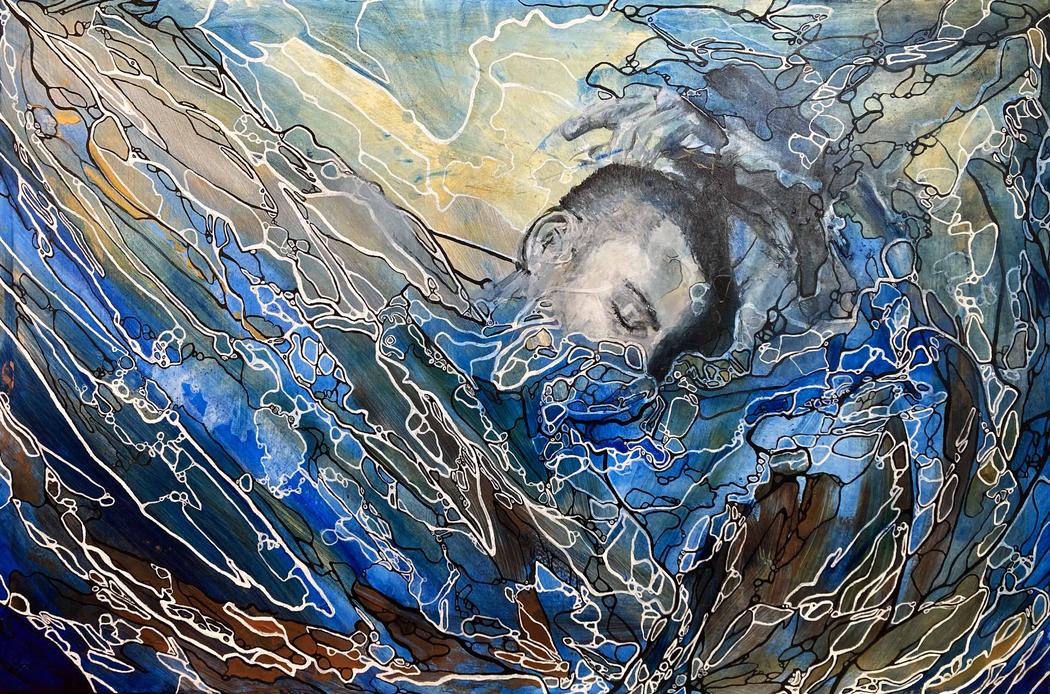 Beth Chin | Tidal Wave
Your work often explores subconscious imagery and perception – how do your personal experiences, such as lucid dreaming, shape your visual language?
I began lucid dreaming as a child to learn how to escape my nightmares. Throughout my development, this skill arched from teaching me how to be more creative within this space to learning how to let go of creative control and let my subconscious deliver its own material. I would say much of my technical application for the line work in my art is very similar to this process. Applying water to my paintings is an essential part of my process to achieve this unpredictable, yet fluid and remarkable interaction with the lines.
Many of your paintings invite pareidolic responses. What interests you about the way viewers “discover” forms within abstraction?
Viewer’s responses have been my favorite part of working as an artist. In fact, one of my favorite sales was to a partly colorblind viewer that was able to see something completely different in my work than what anyone else could see. Being able to make something that triggers such unique responses from each viewer gives unique perspective back to them, and I love being able to let people walk away with a renewed sense of individuality in how they see and interpret the world around them.
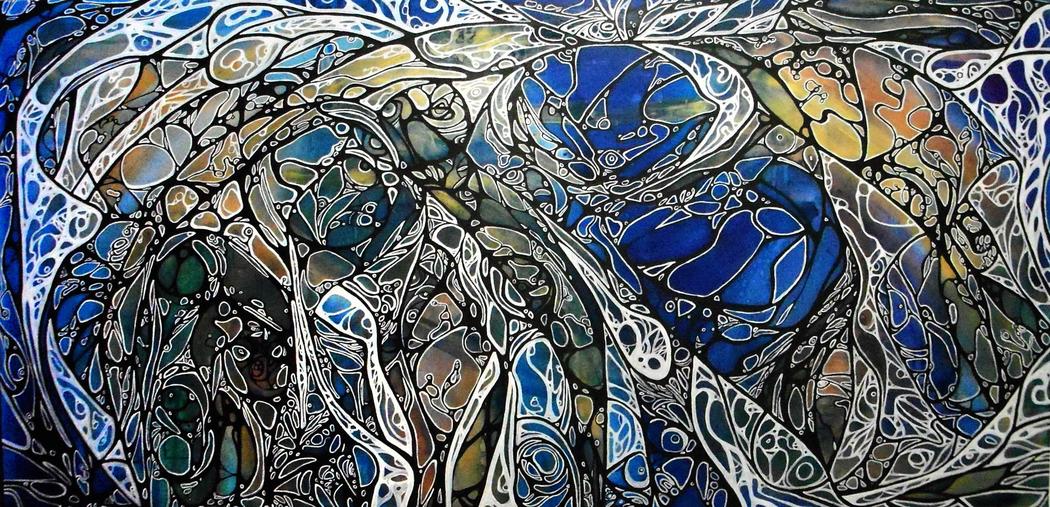 Beth Chin | Sleep Paralysis
How do you balance intuition and structure in your creative process, especially given your background in improvisational music?
Patterns. Improvising on the piano is all about knowing where to bring yourself back to if you drift too far from the mark, or where to land yourself if you want to drift to a different key. The intuition in the line work of my artworks is similar to this process, see what marks the water has left and noting where I want to go. There are a lot of compromises, and moments where I need to break the structure to make what I want to achieve work. But, these end up being the most interesting portions of the paintings.
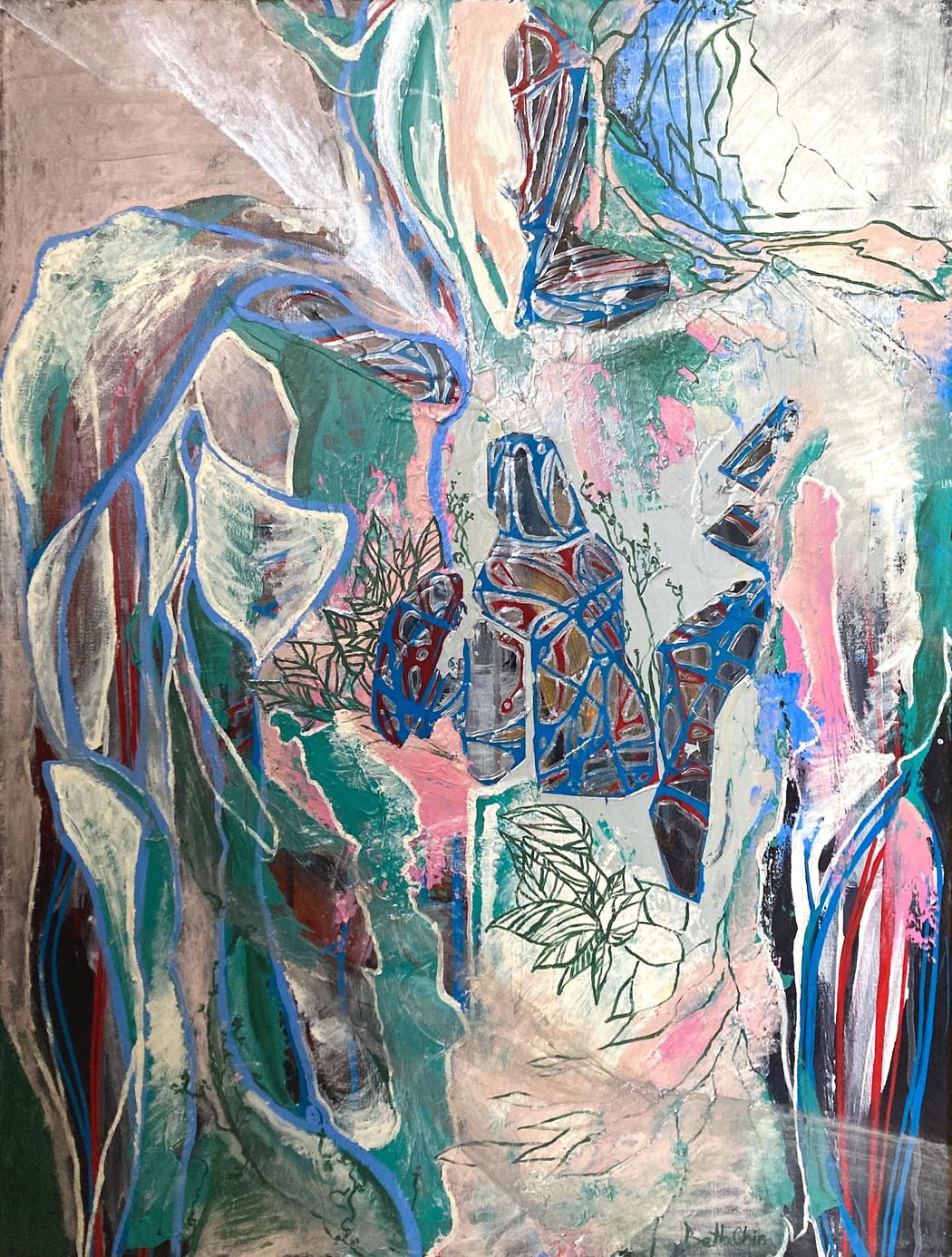 Beth Chin | Reform
Your practice moves between studio work and large-scale public installations – how does your approach differ between these two contexts?
Coming from a city that loves and respects architecture, public installations are my favorite projects. Discovering ways to extend an artwork onto an arched ceiling and including a doorway or window into a design, are all aspects of successful artworks. Beyond puzzling these artifacts into a design, the blessing to have a space large enough to create a truly immersive experience is any artist’s dream.
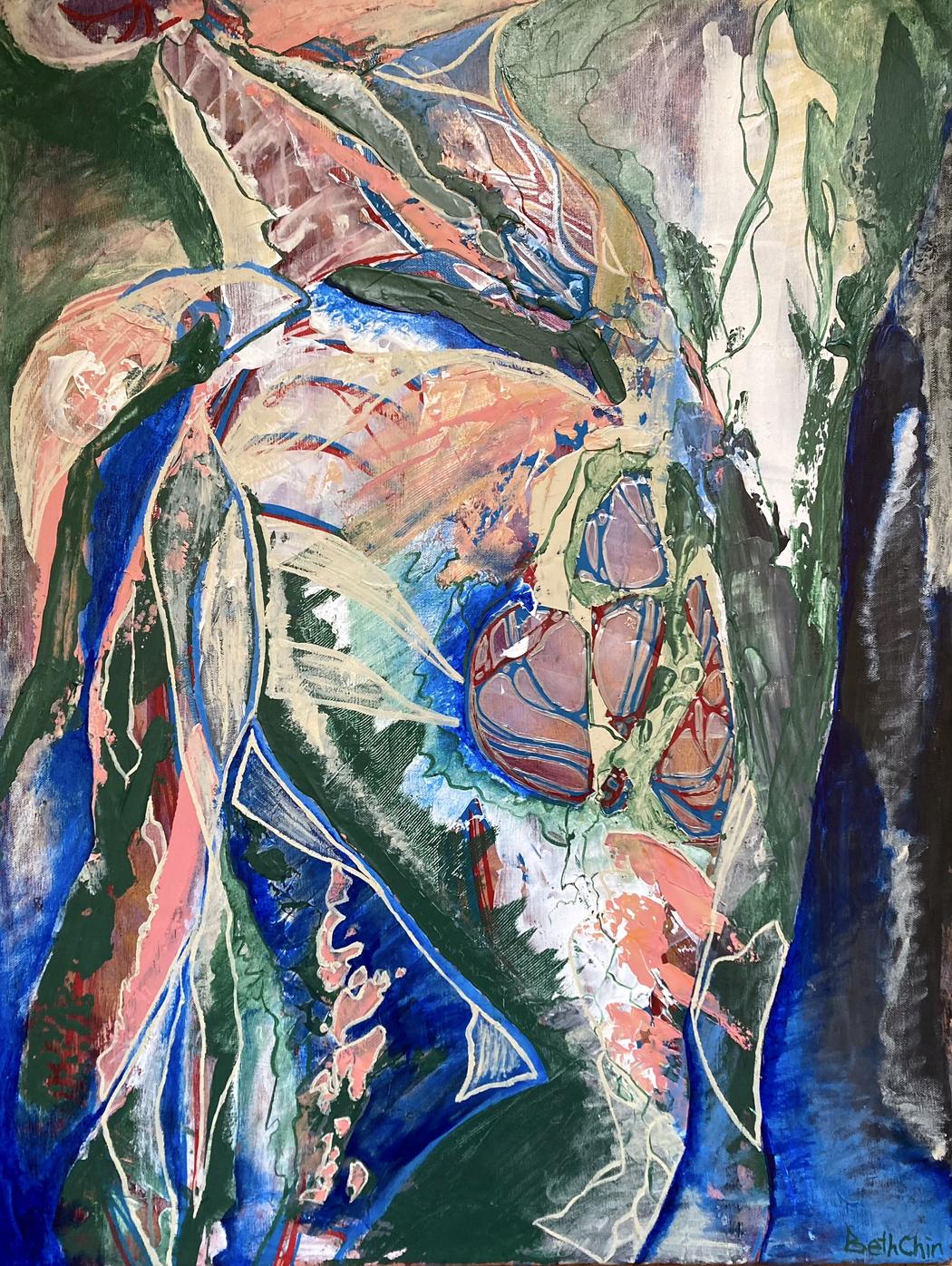 Beth Chin | Refine
In projects like your healthcare murals, you collaborate with communities and institutions. How do these collaborations influence the final outcome?
Public artwork is a gift for those who are surrounded by the work more so than it should be a space for an artist to flex – with due respect to graffiti artists, as I love what they are doing and no city would be a city without them. I work with stakeholders from the client and community to discuss their values and goals of the artwork. We talk through designs and renderings until the vision is achieved, and then include the community to help get the design onto the wall. For my last healthcare mural with Cook County Health, I printed my design onto polytab with a paint-by-number system to make this fun for community members of all ages. Not only did the community get to take ownership of the mural, but it sped along the process and was incredibly helpful for me. I even got to meet another artist in the community this way who wanted to help and learn the mural process. So, I hired her on the team as my assistant in completing the project. Good artworks with good intentions tend to get good responses from the community. Not to mention, they last longer too. A number of the murals in my neighborhood in Chicago initiated this style of public artwork, and they have been protected and restored since the 60’s.
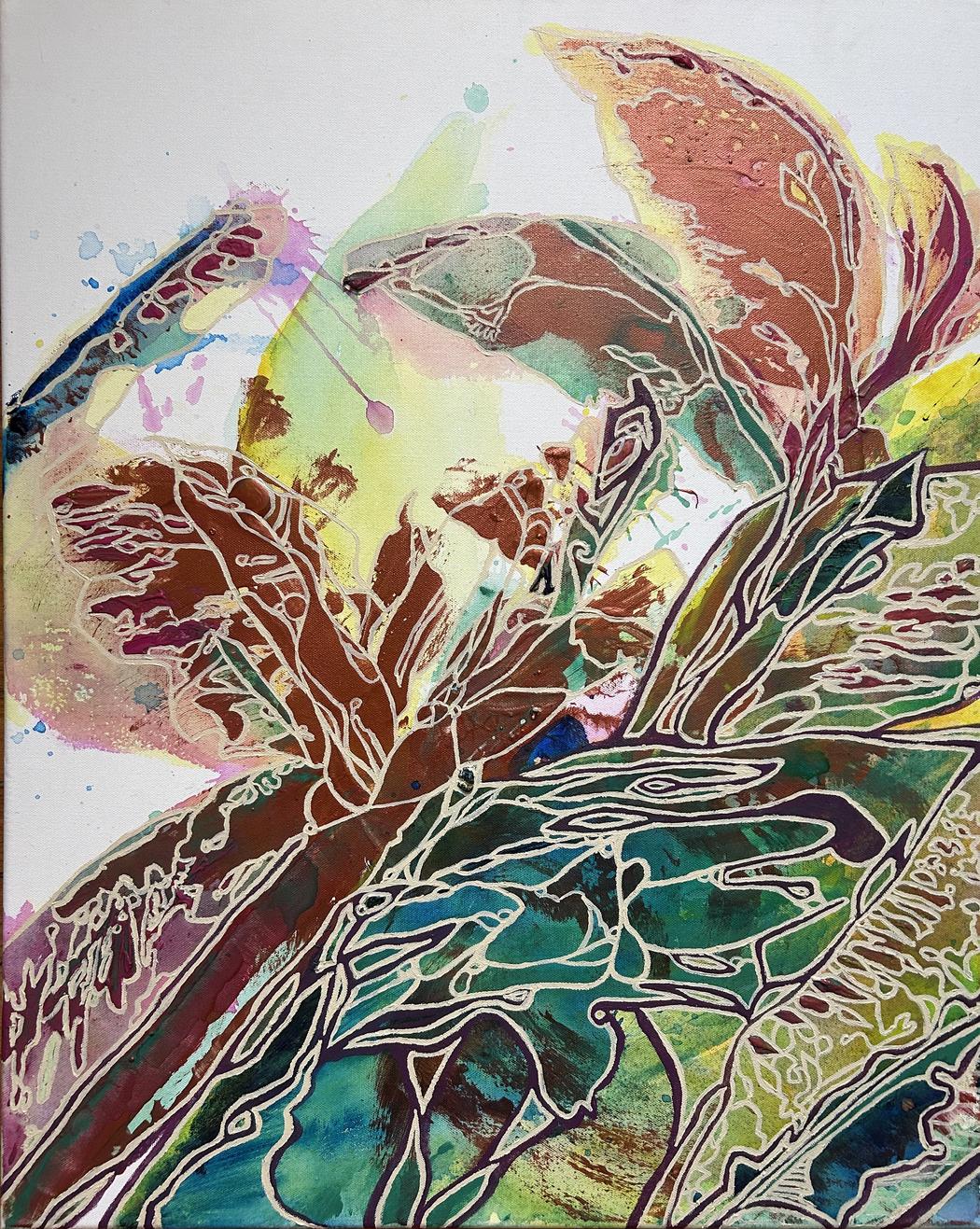 Beth Chin | Canna Lily
Light and materiality play an important role in your installations. How do you think light transforms the viewer’s experience of your work?
All my paintings within my subconscious, dream-like body of work are backed with metallics. This is where they get incredibly interesting, since the dynamics of the painting change so much based on the time of day or color of the light around them. Since discovering this interesting aspect in my works, I have gone on to build stage designs that mimic the same qualities. Projected light vs reflected light is a concept I work with a lot when it comes to how the design “hits” the audience. In this moment, I am exploring how I could edit my paintings with video editing software to make them move when projecting light onto them.
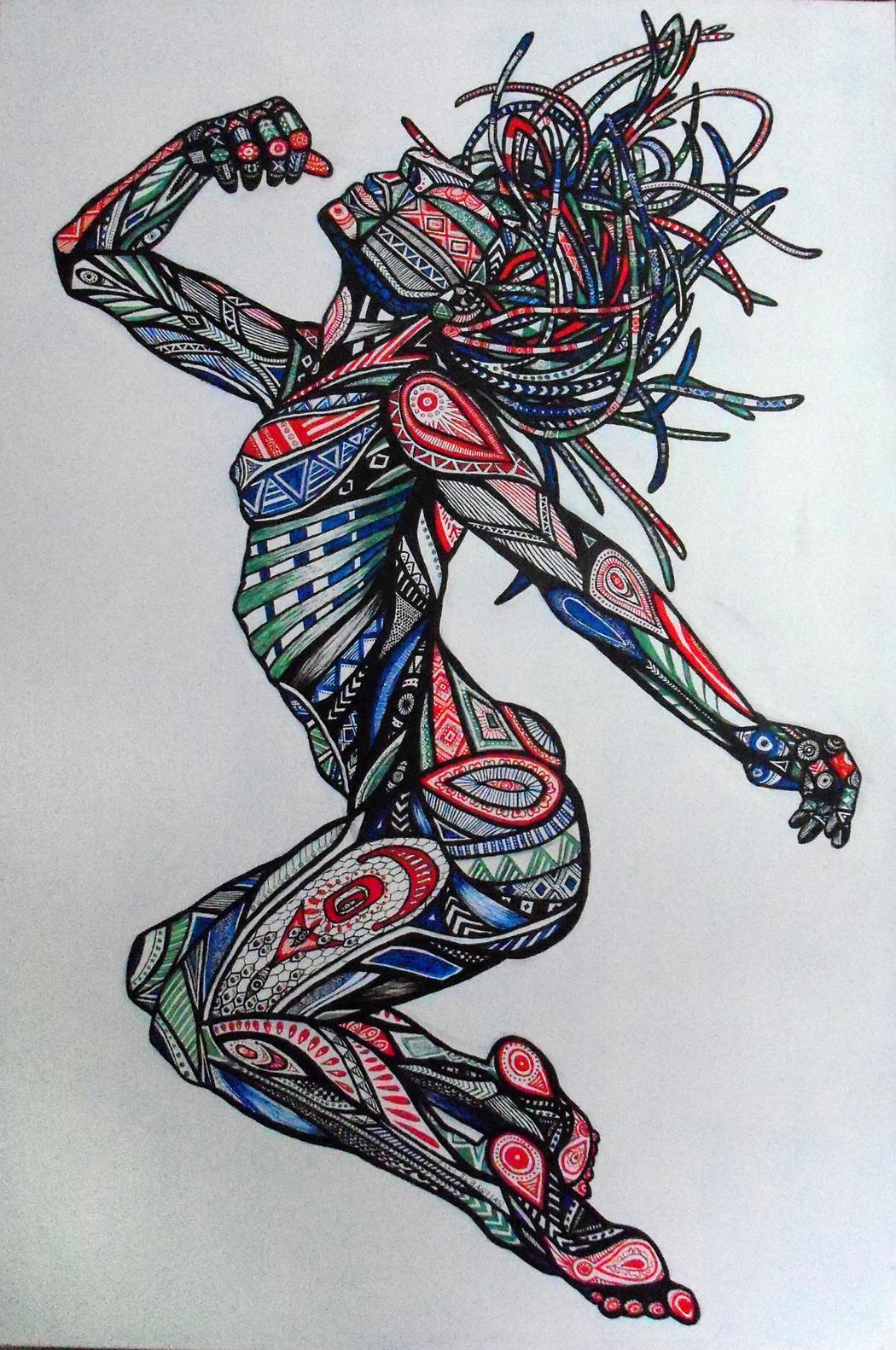
Your immersive environments incorporate sound, space, and movement. What do you aim to evoke in the audience through these multi-sensory experiences?
As always, I’m sure they will be the ones telling me! But, in reality, the subconscious is pretty unpredictable and the more I try to carve a directed experience, the result will be less remarkable.
Leave a Reply
You must be logged in to post a comment.