Ana de Salazar
How did your journey into photography begin, and what inspired you to create the Dear Soul project?
My relationship with photography began long before I imagined it would become such an important part of my life. Ever since I was a child, I have felt a strong connection to art. Drawing, exploring colours and discovering the work of other artists were ways for me to express myself and find inspiration. Later, I studied fashion design and interior design, disciplines that broadened my sensitivity to aesthetics, shapes and spaces.
It was during my teenage years that I discovered photography, although at the time I still saw it as a hobby. As the years went by, travelling deepened that connection. I particularly remember a trip to California, just before beginning my audiovisual studies, which marked a turning point in my life. It was there that I realised photography was not simply about capturing a place, but also about preserving the way that place made me feel.
Initially, I wanted to pursue travel and advertising photography, exploring the world while creating images for tourist destinations, hotels and other clients.
However, due to personal and health-related circumstances, my path had to take a different direction. During that process, I realised I didn´t want to give up photography, but rather find a different way to experience it and share it with others.
That´s how Dear Soul was born: as a way to continue exploring my passion for photography, but also to share something that has always been important to me — the ability of beauty to make us feel good. Sometimes, pausing to appreciate a landscape, a particular light or an image can offer us a moment of stillness and help us reconnect with ourselves.
That is exactly what I want Dear Soul to be: a space where photography goes beyond the memory of a trip and becomes an emotional experience, something that inspires us and that we can bring into our everyday lives.
The name Dear Soul feels intimate and personal. What does it mean to you, and how does it reflect the philosophy behind your work?
For me, Dear Soul is an invitation to connect with what an image can awaken within us. The name reflects an idea that is central to the way I understand photography: travelling allows us to discover the world, but it can also bring us closer to ourselves. Sometimes, all it takes is an image to awaken a memory, an emotion or a desire to experience something we haven´t yet discovered.
The inspiration for the name and logo comes from old-fashioned postcards. I´ve always loved that way of communicating: someone would travel to a special place, choose a photograph that captured it and write a few words on the back to share their experience with someone they cared about. Many began with a simple “Dear…”. There was something deeply personal about that gesture, about turning an image into a message.
I wanted to bring back that feeling, while translating it into a more intimate relationship with photography. I like to imagine that every Dear Soul image is a little letter that reaches someone at just the right moment, awakens something within them or accompanies them in a way they may never have expected.
That´s why my intention is not simply to create photographs that look beautiful in a space, but images that have something to say without the need for words. Images that transport us somewhere else, inspire us, bring a sense of serenity or simply make us feel good.
Ultimately, the meaning of a photograph depends not only on where it was taken, but also on what each person discovers in it. That personal connection, which is different for everyone, is what I would like to define Dear Soul: each image becoming, in its own way, a little letter to the soul.
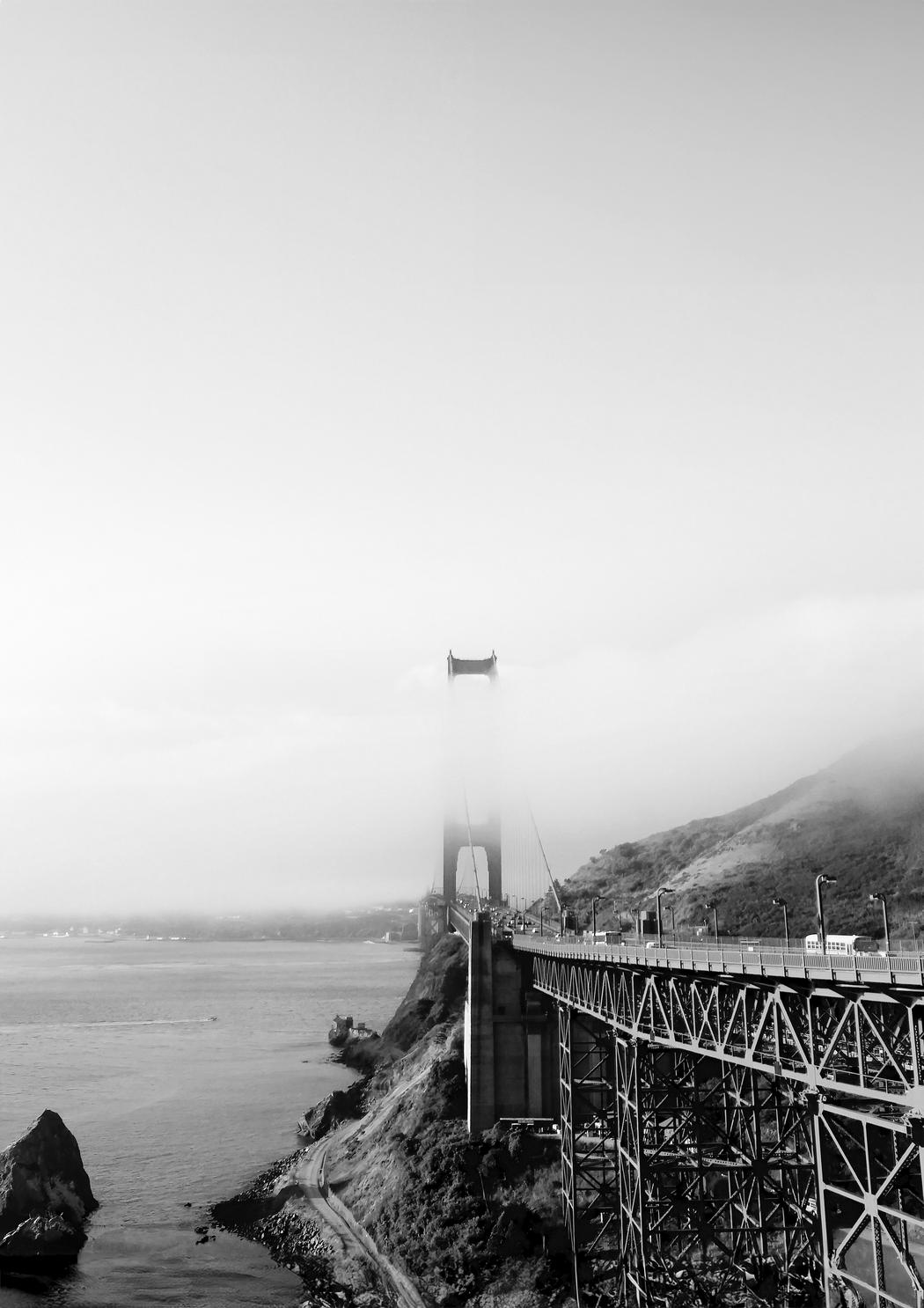 Ana de Salazar | Al Otro Lado De San Francisco | 2026
Travel plays an important role in your practice. How do you move beyond documenting a destination and create an emotional portrait of a place?
When I travel, I am just as interested in the place itself as I am in the atmosphere surrounding it. The same landscape can convey completely different feelings depending on the light, the weather, the time of day or the way we choose to look at it.
That´s why I try to move beyond the elements that immediately identify a destination. I´m drawn to quieter moments, unexpected details and situations in which the surroundings take on a special quality. Fog partially concealing a structure, a line guiding the eye or an empty space can convey so much without needing to reveal everything.
For me, photographing a place also means interpreting how it makes me feel. The image remains connected to reality, while offering a personal perspective on it.
I would like someone who has never visited a destination to be able to connect with a photograph without needing to recognise where it was taken. I want the image to speak for itself, through its atmosphere and the emotions it might evoke.
What usually attracts your attention first when you arrive somewhere new: light, colour, architecture, atmosphere or an unexpected detail?
I would say that, above all, I´m drawn to atmosphere, although it usually emerges from a
combination of different elements. Light can completely transform a space, while the weather can change the way we perceive a landscape or a piece of architecture that might look entirely different under other conditions.
I´m particularly interested in those moments when something changes the way we usually see a scene. Fog concealing part of a building, a structure becoming almost a silhouette, or a composition that conveys a sense of balance and stillness.
I don’t always arrive somewhere with a specific image in mind. I prefer to observe, allow myself to be surprised by the conditions and remain open to whatever might emerge. Sometimes, when you stop looking for an obvious photograph, you begin to discover far more interesting images.
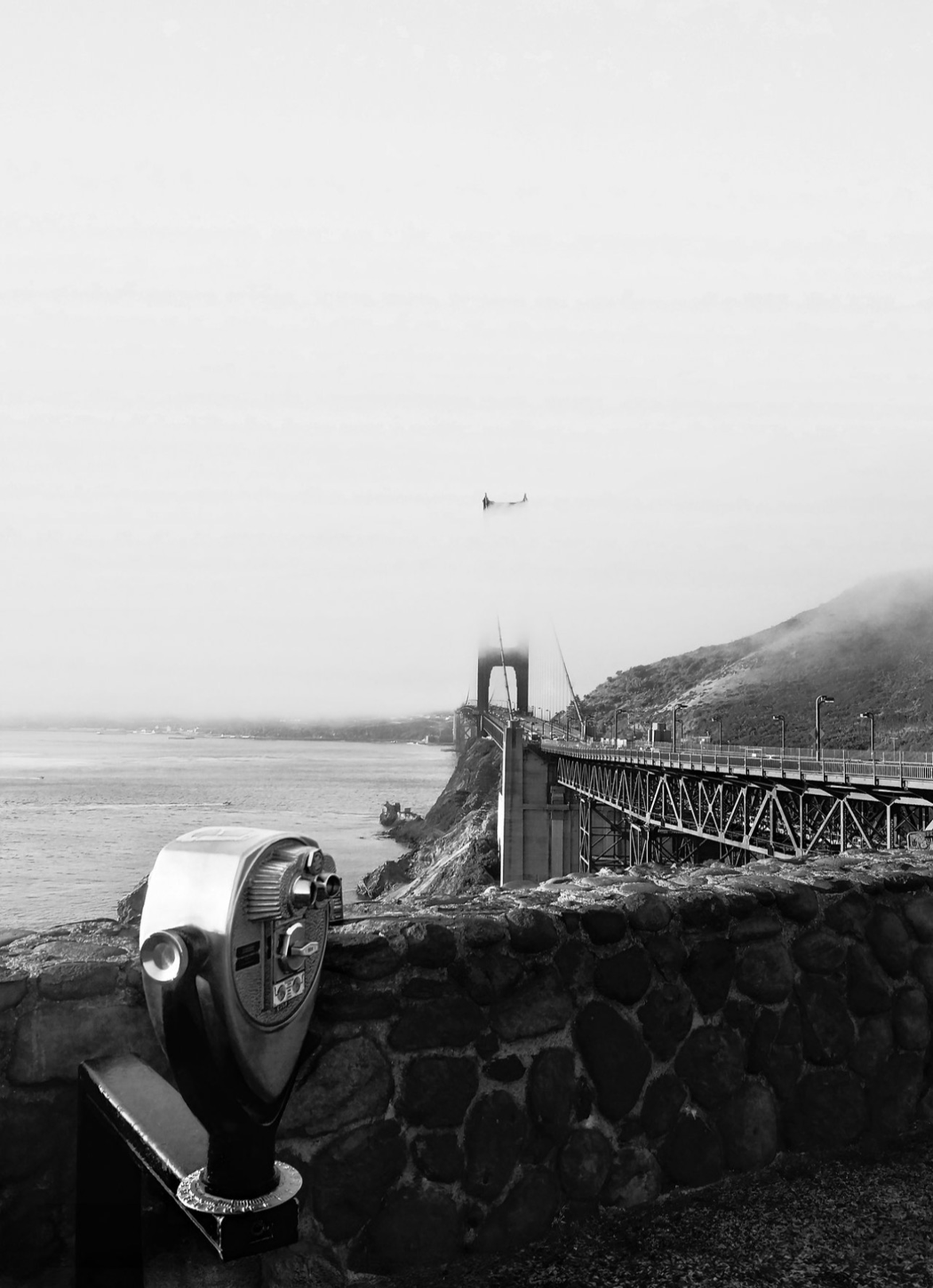 Ana de Salazar | Golden Gate View | 2026
Your photographs of the Golden Gate Bridge present an iconic landmark through fog, unusual viewpoints and quiet moments. What drew you to this particular interpretation of San Francisco?
The Golden Gate Bridge is such a recognisable structure that it is difficult to approach it without having all the familiar images of it in mind. Precisely for that reason, I wanted to explore a different perspective, moving away from its most conventional representation to focus on its form, scale and surrounding atmosphere.
Fog plays a fundamental role in this series. It conceals parts of the bridge while revealing others, creating a sense of mystery and uncertainty. Rather than showing the entire structure, it allows the bridge to emerge in fragments, almost as if it were suspended between the landscape and the sky.
I was also drawn to the contrast between the monumentality of the bridge and the stillness of its surroundings. It is an imposing feat of engineering and a symbol of San Francisco, yet beneath the fog it takes on a much quieter, almost fragile presence.
Through these photographs, I wanted to explore precisely that duality: the strength of a human-made structure set against the vastness of the landscape, and nature’s ability to transform our perception of something so familiar.
When photographing a well-known landmark, how do you avoid familiar postcard imagery and discover a perspective that feels personally meaningful?
I believe the first step is to change the way you look. Rather than asking myself how to photograph a place so that it is immediately recognisable, I try to discover what interests me about it and what I can express through my own perspective.
In the case of the Golden Gate Bridge, that meant paying attention not only to the bridge itself, but also to everything happening around it. The fog, the empty spaces, the lines of the cables, the relationship between architecture and landscape, and even everyday elements, such as the coin-operated viewing telescope that appears in one of the photographs, all help create a more personal interpretation of the place.
Black and white also contributes to this process. By removing colour, the focus shifts towards shapes, textures, light and shadow. The bridge becomes more than a tourist icon, taking on a more graphic and timeless quality.
I don’t believe you need to photograph something no one has ever seen before. What matters to me is finding a perspective that reflects your own sensibility. A place can be familiar to millions of people and still offer new possibilities when you allow yourself to observe it without preconceived ideas.
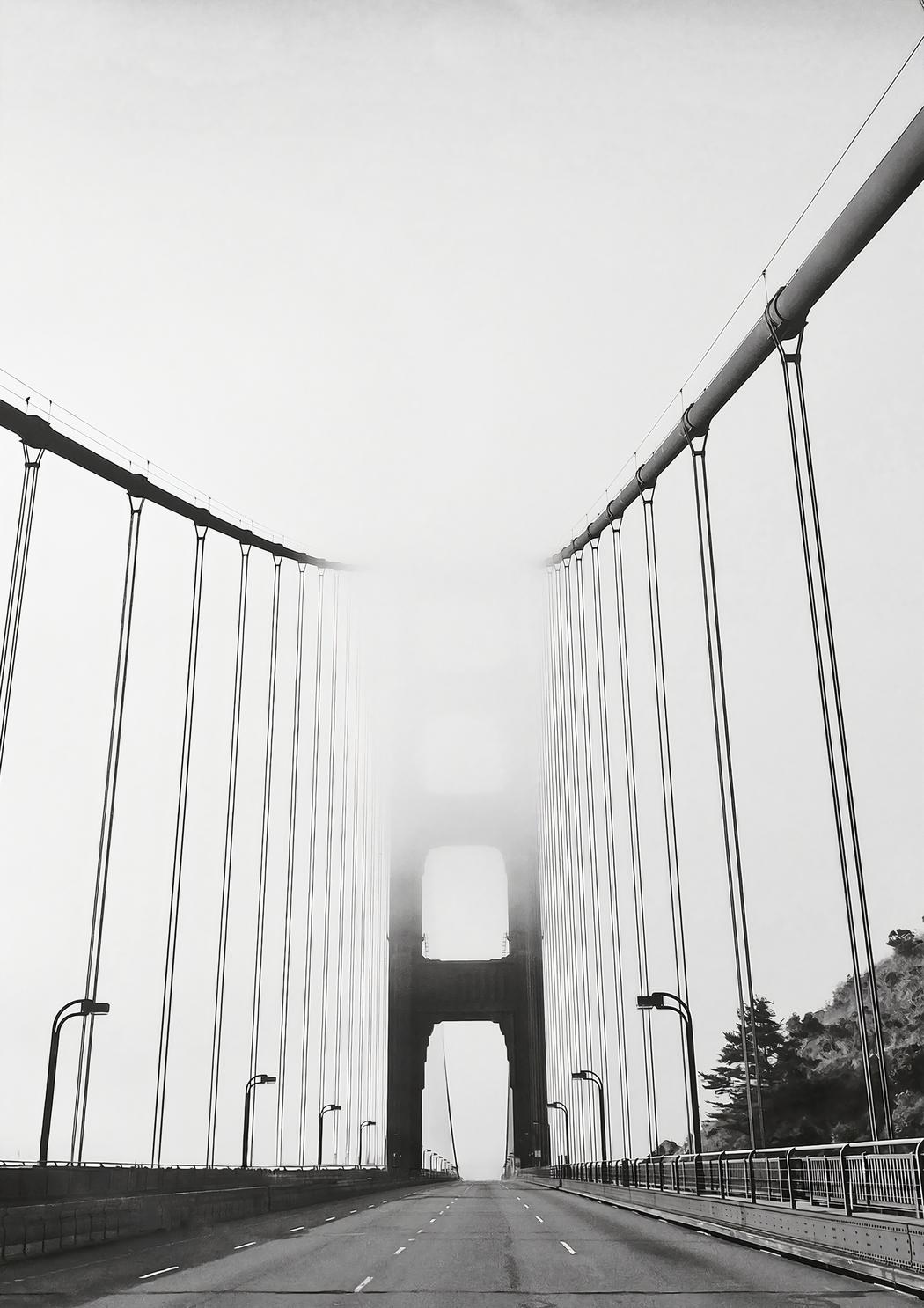 Ana de Salazar | Niebla Sobre El Acero | 2026
What emotions or questions would you like viewers to carry with them after encountering your photographs?
I would like each person to discover something of their own in my photographs, something they identify with and that connects with their way of feeling or understanding the world. I believe the images that truly resonate with us are not necessarily those depicting extraordinary places, but those that awaken something within us.
With the Golden Gate series, I am interested in the possibility of looking at such a familiar place from a different perspective and discovering something unexpected in it. The fog, the architecture and the way the bridge appears and disappears into the landscape can evoke different feelings in each person. For some, it might be an invitation to travel; for others, a sense of freedom or adventure, or a memory of something they have experienced.
Ultimately, I would like my photographs to go beyond representing a destination, allowing each person to find something they identify with — something that reflects their personality, their memories or even a way of life they aspire to.
I would also like these to be images people enjoy living with, photographs that bring character to a space and continue to spark interest and emotion over time. Images that become more than representations of a place and turn into something personal, woven into the story of the person who chooses them.