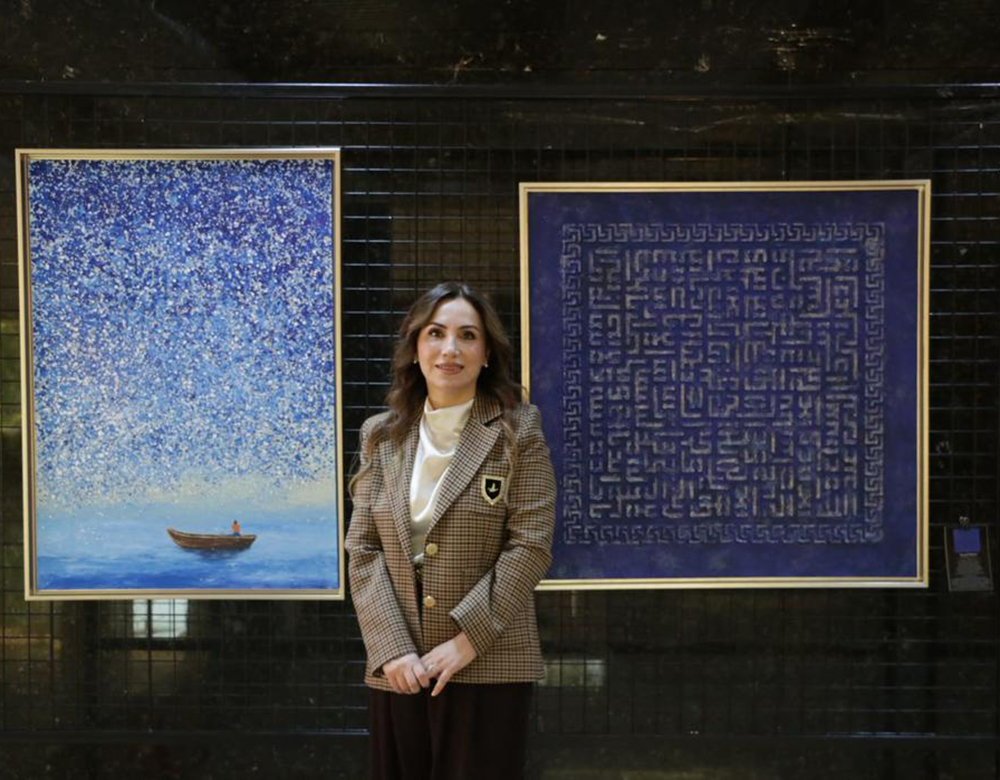
Nahide Önür
You began actively pursuing your artistic practice in 2016. What prompted that decision, and what place did creativity have in your life before then?
Although I began pursuing art more actively in 2016, creativity had always lived within me, waiting for the right moment to emerge. With a background in economics, I spent years in professional life before leaving my banking career in 2003 to raise my children. As life evolved, I discovered painting as a new language through which I could express my emotions, explore my inner world, and rediscover myself. Art did not feel like the beginning of something entirely new, but rather the awakening of a part of me that had always been there.
You were born in Adana. How have the landscapes, culture, and memories of your hometown shaped your visual language?
Adana, with its radiant sunlight, rich colours, fertile landscapes, and vibrant cultural heritage, has left a lasting impression on my artistic vision. I feel that the warmth and energy of my hometown are reflected in my use of colour and my connection to organic forms. Nature is not merely something I observe; it is something I feel and carry within me. Even when my works move beyond recognizable landscapes, the light, vitality, and emotional richness of my roots continue to find their way into my art.
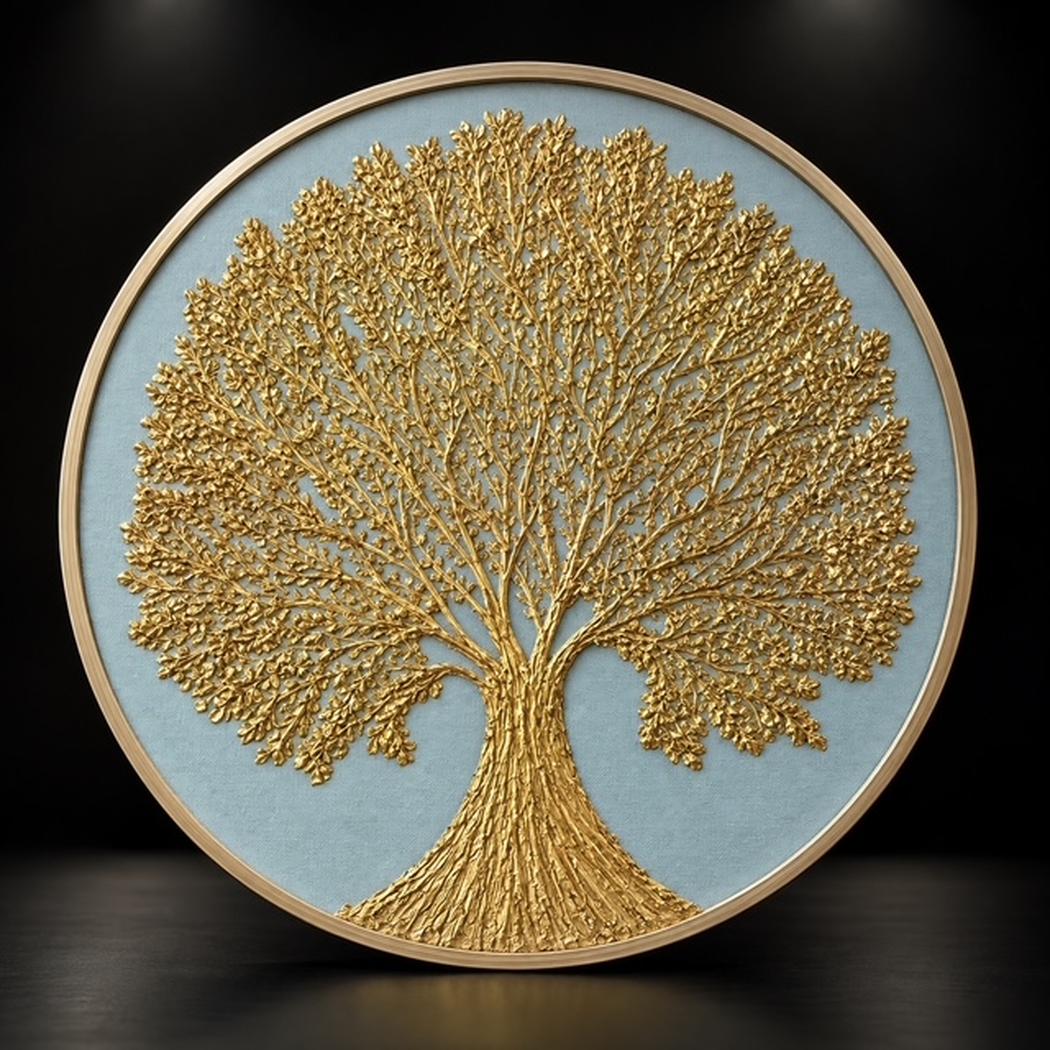 Nahide Önür | Hayat Agaci
Your practice spans photography, ceramics, filigree, painting, and Kufic art. When an idea emerges, how do you decide which medium will best express it?
For me, every idea carries its own language, and each artistic medium offers a different way of revealing it. Painting allows me to express emotion through colour and movement, while ceramics and filigree bring a sense of material presence and intricate detail. Photography captures fleeting moments, and Kufic art introduces a profound dialogue between geometry, spirituality, and form. I do not see these disciplines as separate worlds, but as different pathways leading to the same creative vision. I choose the medium that allows the idea to speak with the greatest honesty and intensity.
The Tree of Life is central to your work and gave your solo exhibition its title. What does this ancient symbol mean to you personally, and how has your understanding of it evolved?
The Tree of Life is the spiritual and emotional heart of my artistic world. Its roots represent our origins and the memories that shape us; its trunk symbolizes resilience, while its branches reach toward new possibilities and the light of the future. I am deeply drawn to the idea that we can remain connected to our roots while continuing to grow and transform. Over time, the tree has become more than a natural form in my work: it has become a personal expression of existence, renewal, and the enduring connection between humanity and the universe. Through it, I celebrate life’s ability to begin again.
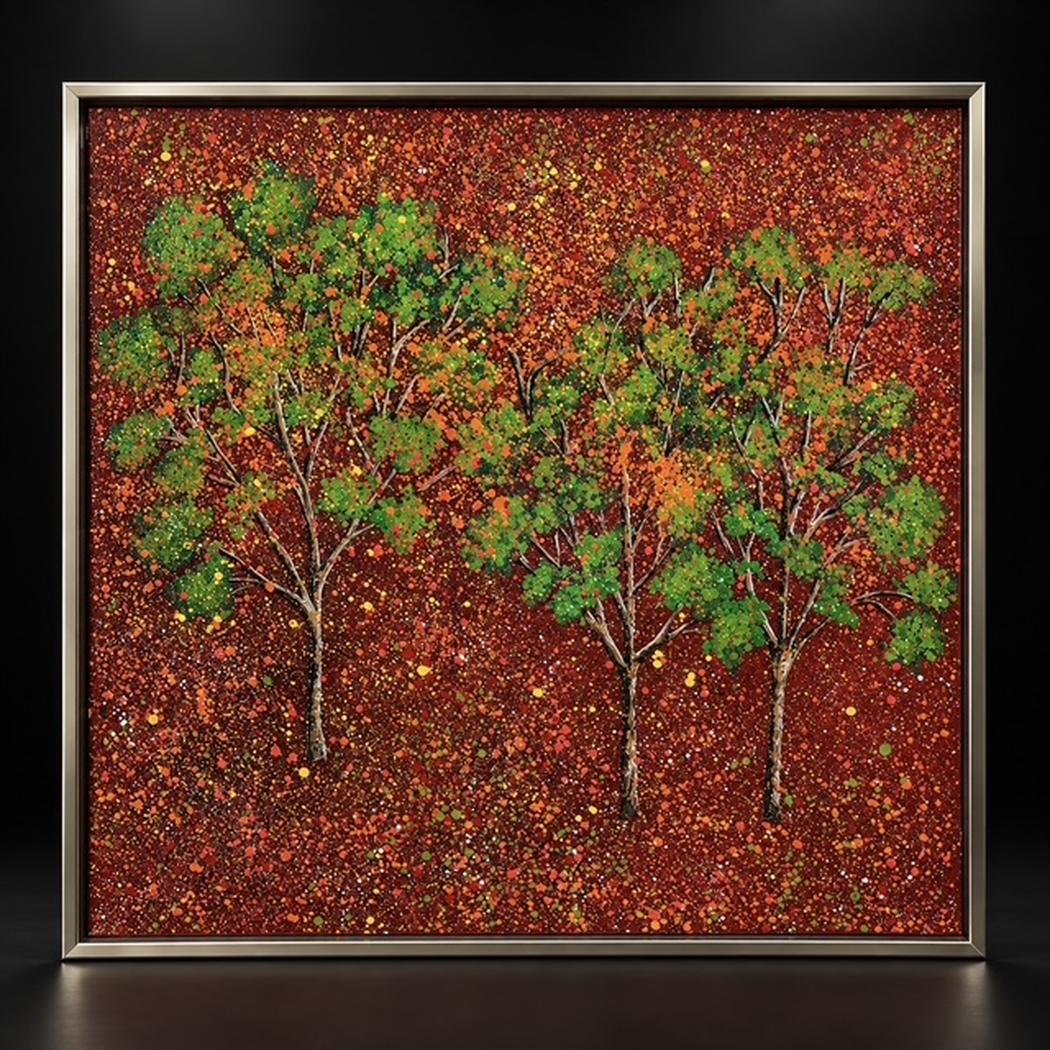 Nahide Önür | Kirmizi Eser
In your circular work featuring a golden tree, the branches and trunk appear almost sculptural. How did you develop this surface, and what role does the circular format play in the composition?
I wanted the tree to transcend a two-dimensional image and possess an almost sculptural presence. By exploring texture, layering, and dimension, I sought to give the trunk and branches a sense of movement and physical depth. The golden surface brings luminosity and a sense of timelessness to the composition. The circle is equally meaningful: without a beginning or an end, it represents wholeness, eternity, and the continuous cycles of life. Together, the golden tree and the circular form express a harmony between earth and sky, rootedness and freedom, and the visible and the spiritual.
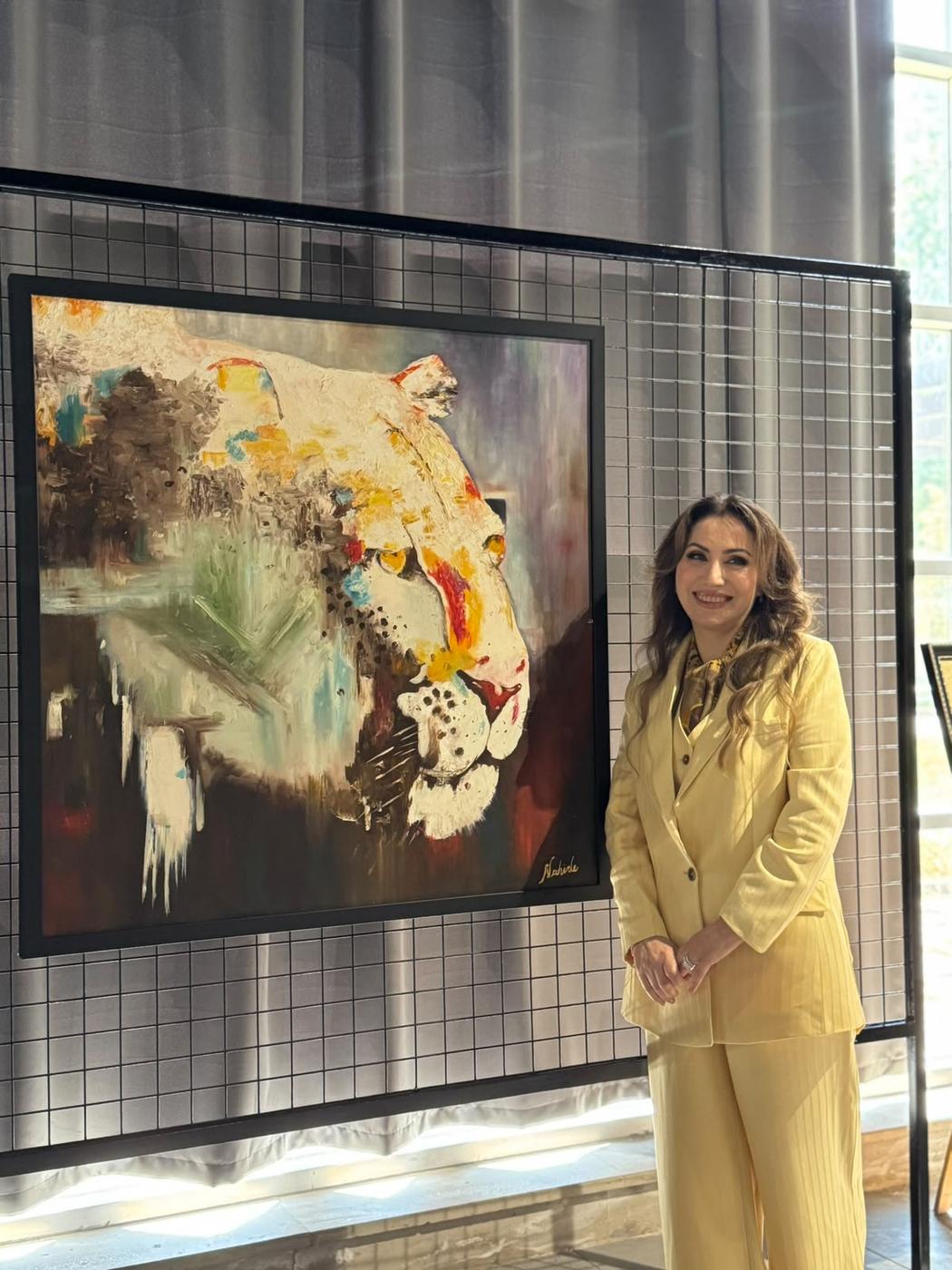
When depicting nature, how do you move between direct observation, memory, and imagination? Could you describe how one of the works shown here developed?
Nature is my source of inspiration, but emotion is what transforms it into art. I observe its forms and colours, draw upon personal memories, and allow my imagination to take me beyond what is immediately visible. In my Tree of Life paintings, a branch, a root, or a burst of colour can become a symbol of strength, hope, or rebirth. I often begin with the structure of the tree and let the colours, textures, and forms evolve intuitively. The final work becomes not simply a depiction of nature, but a reflection of my inner world and the universal emotions that connect us all.
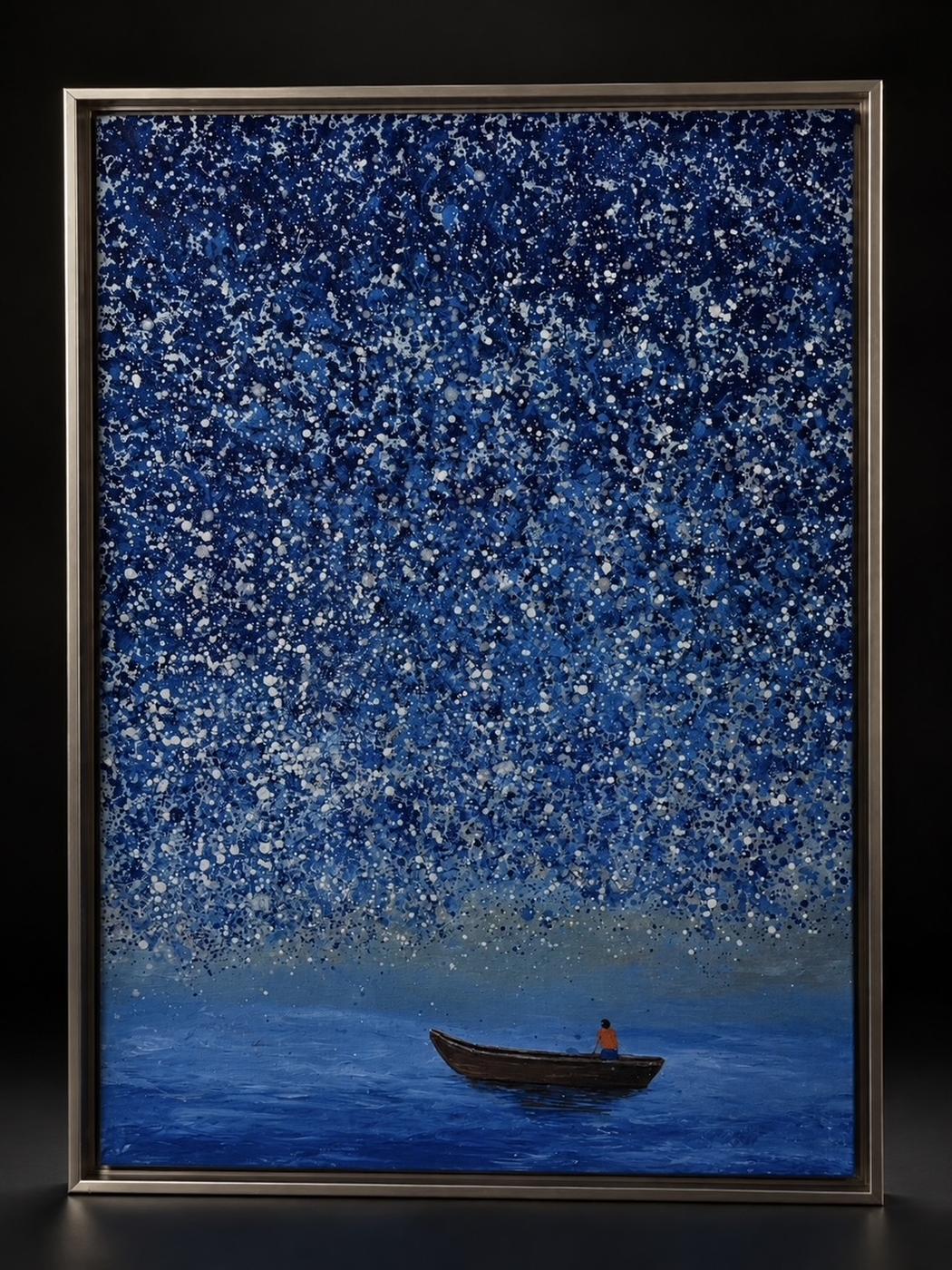 Nahide Önür | Mavi Eser
Transformation is one of your recurring themes. How is your artistic practice changing now, and which ideas or materials would you like to explore next?
Transformation is both a central theme in my art and a reflection of my own life journey. Discovering my artistic voice later in life has taught me that creativity has no age or fixed timeline. Today, I am interested in exploring richer textures, more dimensional forms, and deeper connections between colour, material, and symbolism. I would also like to develop the dialogue between the Tree of Life and the spiritual geometry of Kufic art. Above all, I want my work to inspire a sense of renewal and remind people that it is always possible to rediscover oneself and begin again.