
Leah Larisa Bunshaft – Dizlarka
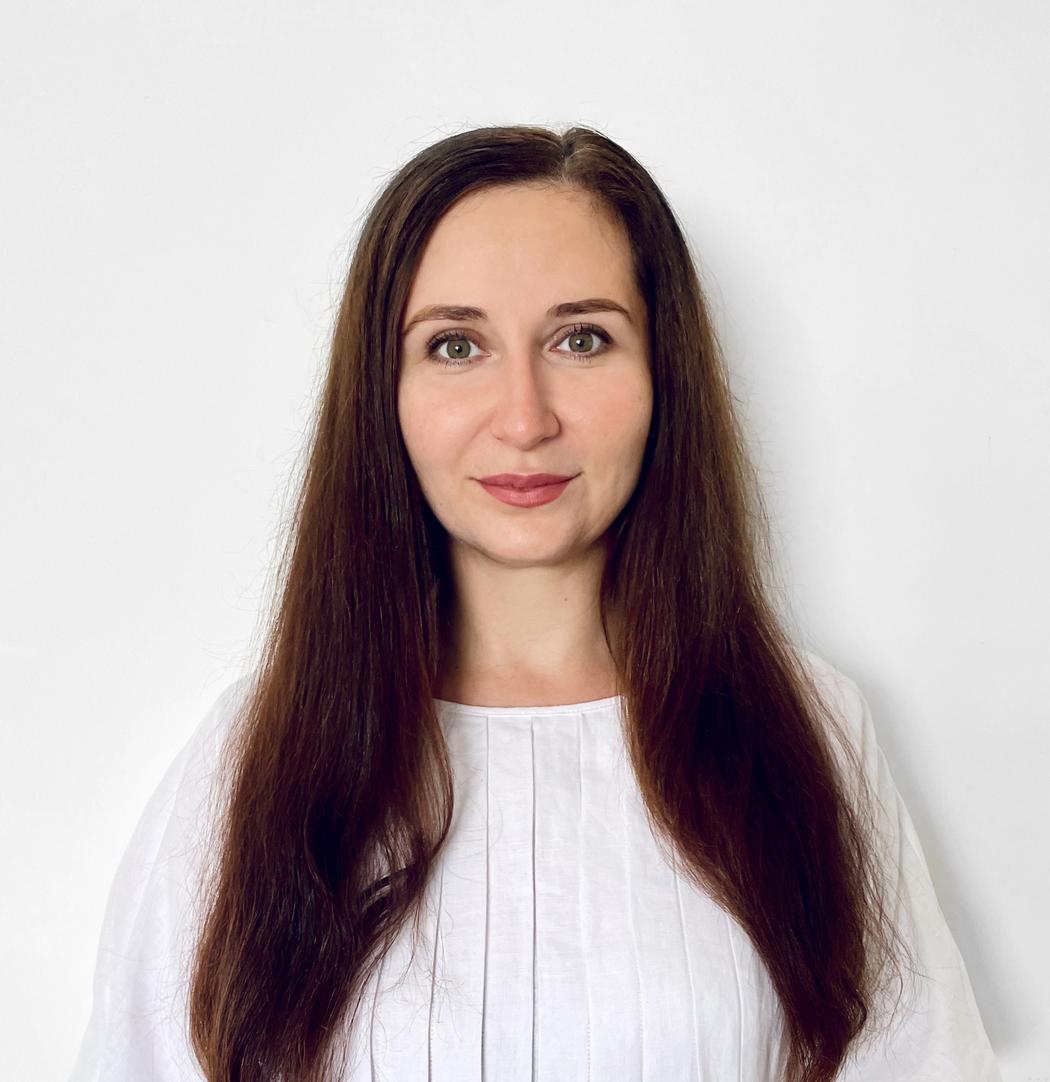
Your project “Fragile Beginnings” is rooted in your own experience of late and complicated pregnancy. At what moment did you realize that this personal journey needed to become an art project?
I think the realization came gradually. At first, I was simply trying to cope with what I was going through. It was an intense and often overwhelming experience, both physically and emotionally. At some point I noticed that I was already thinking in images, translating sensations into visual metaphors. The moment I understood that these feelings were too complex to remain private, and that they resonate with so many other women, I knew it had to become a project.
Many of your works combine soft, domestic, or intimate materials with harsh visual symbols. How do you choose the materials that best convey the emotional tension between strength and fragility?
Materials come to me through association. I start from a feeling or an idea, and then I look for a physical form that already carries a similar emotional charge. Soft materials like textiles or baby clothing hold warmth, care, and intimacy. Concrete, glass, or sharp elements bring weight, tension, and even violence. When they are combined, they begin to speak to each other. This contrast allows me to express how fragile and strong we can be at the same time.
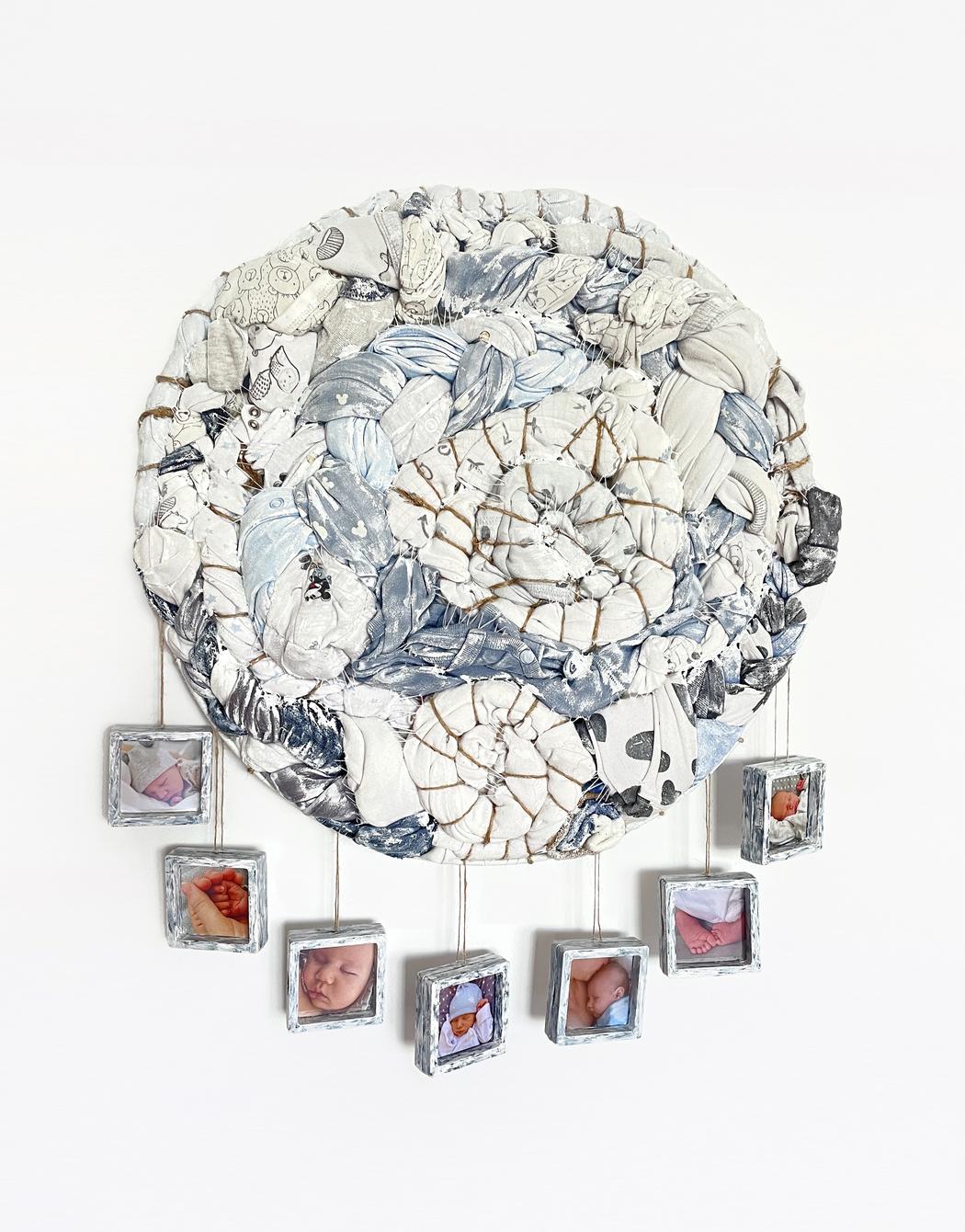 Leah Larisa Bunshaft – Dizlarka | Soft Echo | 2025
Your biography includes childhood trauma, migration, and dramatic changes of cultural environments. How do these personal histories inform the emotional landscape of “Fragile Beginnings”?
They shape it deeply, even when not directly visible. Growing up in unstable environments and moving between countries created a constant feeling of uncertainty and vulnerability. This sense of instability is something I carry with me, and it naturally enters my work. In “Fragile Beginnings,” the creation of new life exists alongside this awareness of how fragile and unpredictable the world can be. This realisation wasn’t some kind of philosophical abstraction… For me, it was very real, because this project was taking shape during two conflicts (between Russia and Ukraine, and between Israel and Gaza), and it had a direct impact on our family, as it affected both me and my relatives.
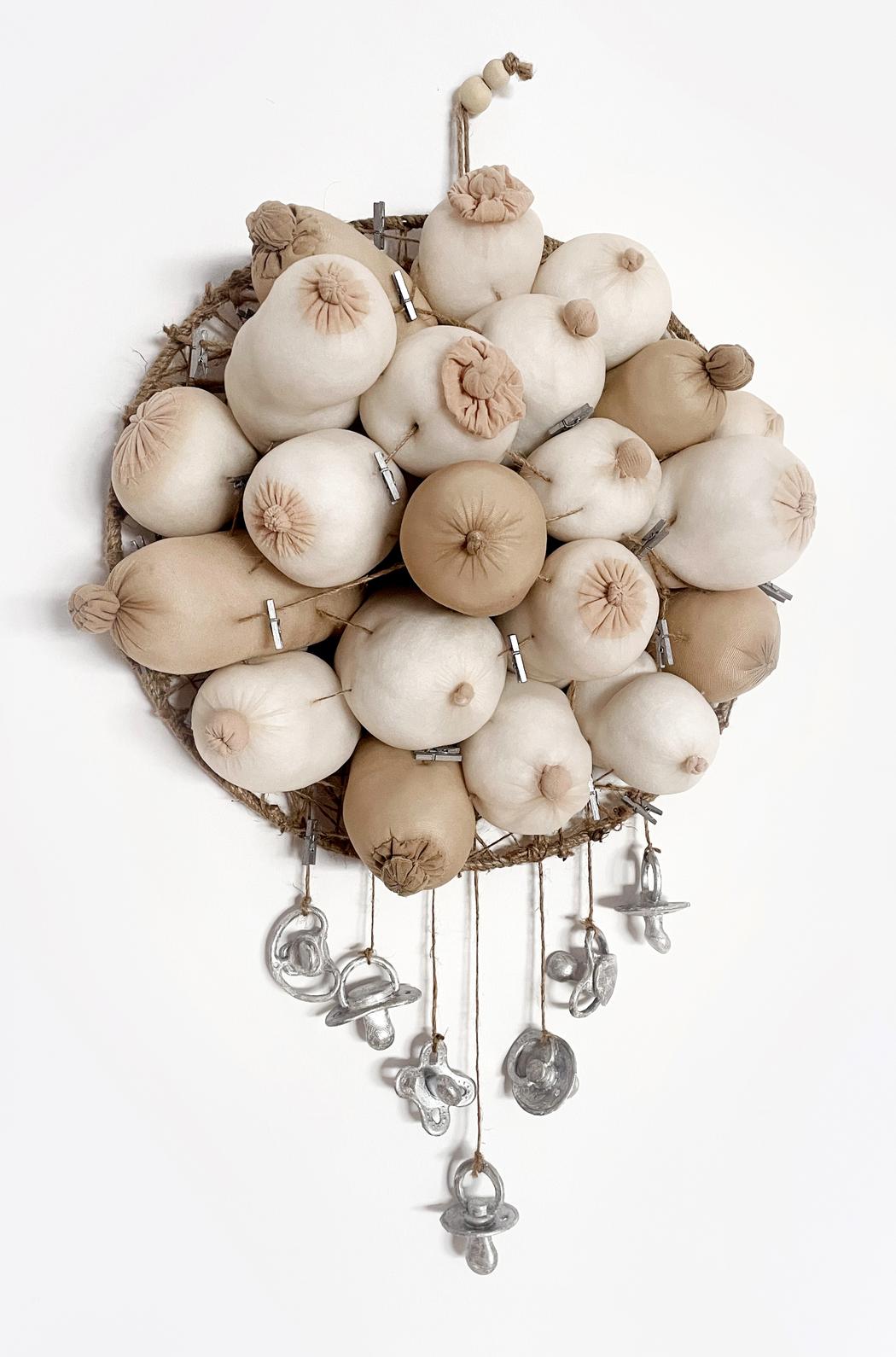 Leah Larisa Bunshaft – Dizlarka | Not Mine Anymore | 2025
Motherhood is often idealized, yet your project acknowledges its complexity – fear, loss, transformation. What emotions were the most difficult for you to translate into visual language?
Ambivalence was the most difficult. The coexistence of opposite emotions at the same time. Love and fear, tenderness and exhaustion, joy and a sense of loss. It is hard to represent something that is not one feeling but many conflicting ones. I was trying to find forms that could hold this tension without simplifying it. And perhaps also a sense of hopelessness and endlessness. At times, in her desire to care for her child, a mother simply exhausts herself and ends up in a difficult state. These are very trying moments that are hard to explain to someone who hasn’t been through the experience.
In several pieces you integrate objects associated with care – pacifiers, baby clothes, swaddles. What role do these physical artifacts play in preserving memory and shaping narrative?
These objects are carriers of memory. They are deeply personal but also universally recognizable. When I use them in my work, they bring real life into the piece. They hold traces of touch, time, and everyday rituals. They help me build a narrative that is both intimate and shared, something that others can emotionally connect to.
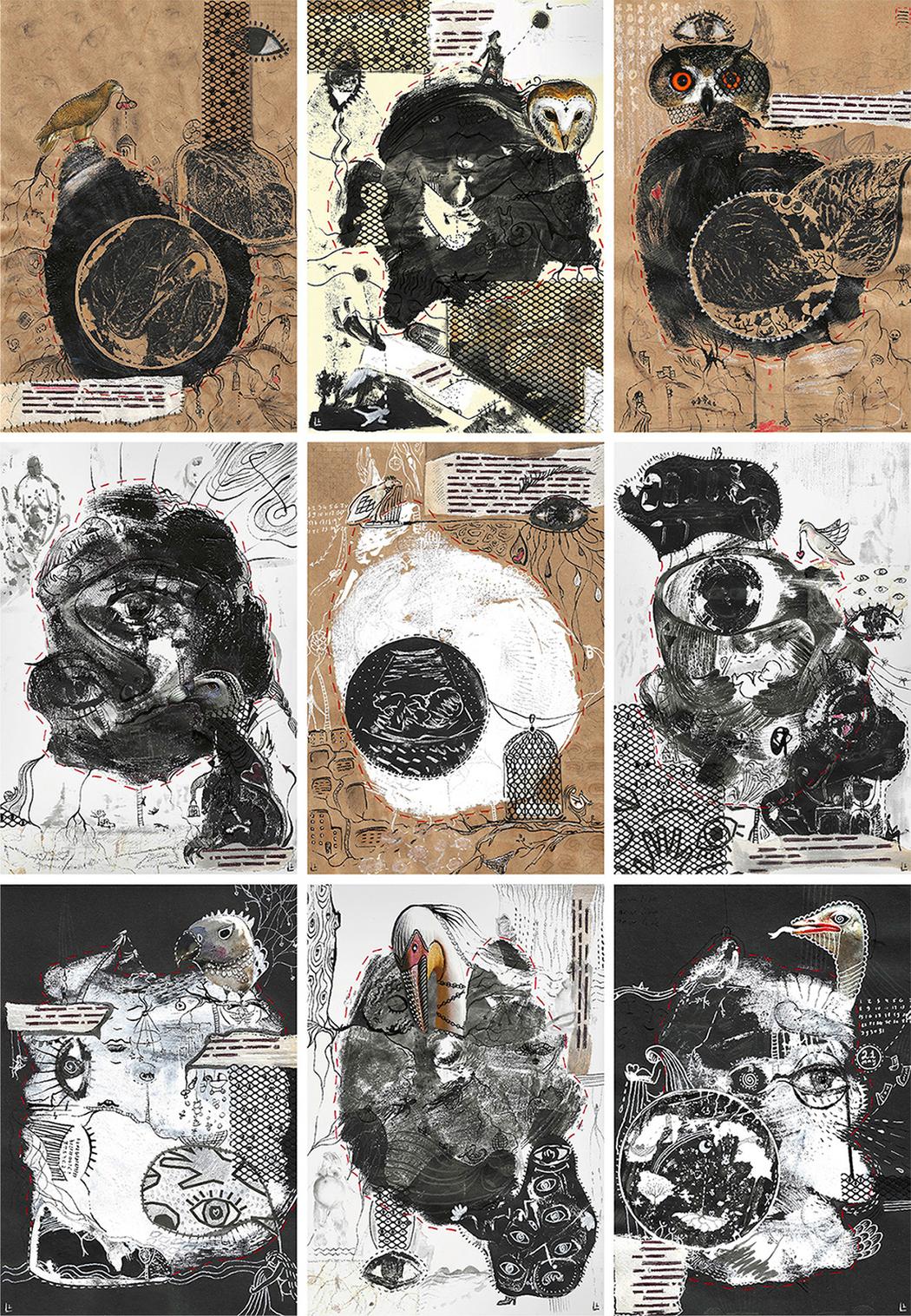 Leah Larisa Bunshaft – Dizlarka | Nine moons | 2024
You often work across painting, collage, sculpture, textiles, and mixed media. How do you decide which medium a particular story or emotion requires?
The idea always comes first. Then I ask myself what form can express it most honestly. Some emotions need physical presence and weight, so they become sculpture or installation. Others are more about flow, rhythm, or fragmentation, and they find their way into drawing or photography. I see each medium as a language, and I choose the one that can say what I need without losing complexity.
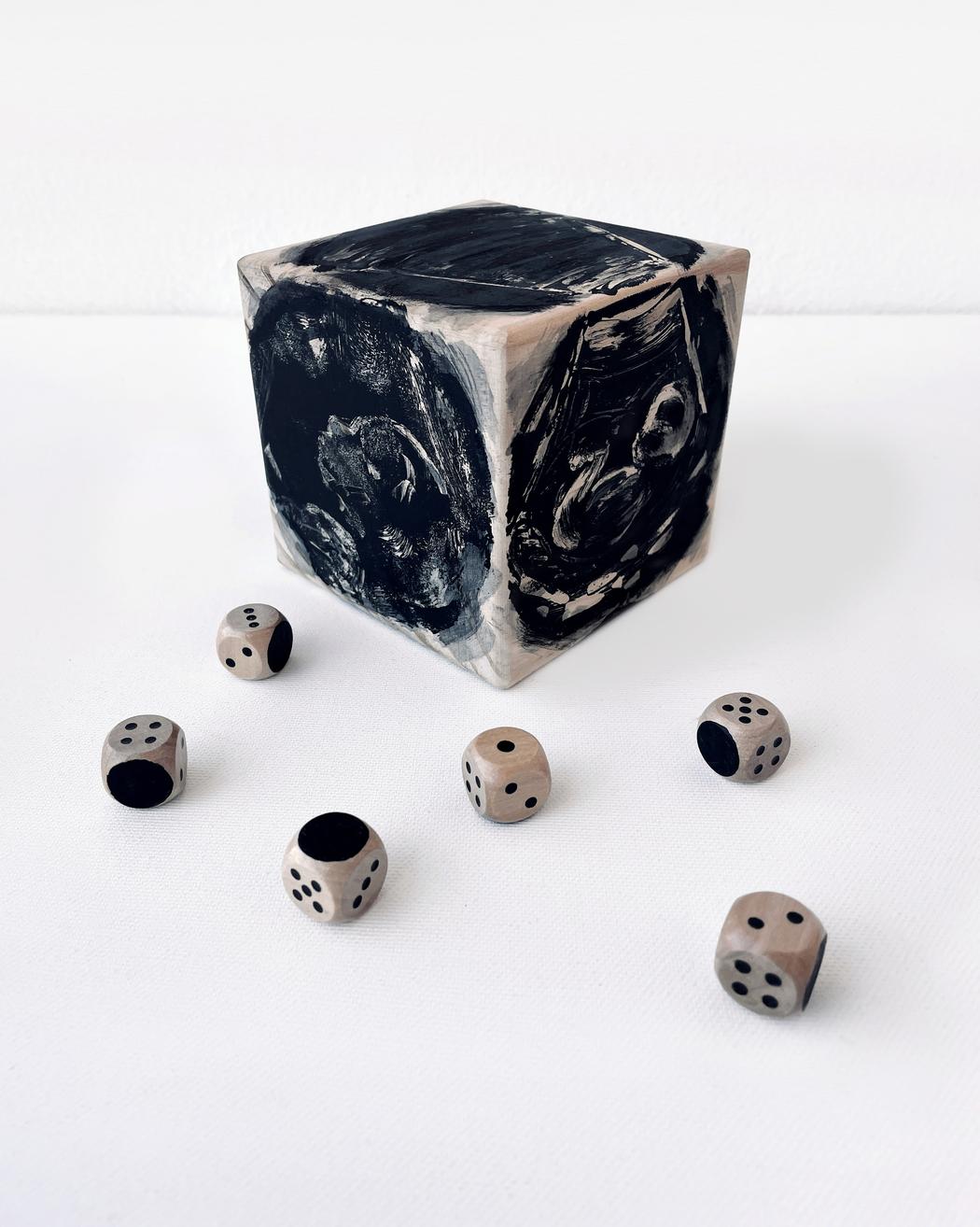 Leah Larisa Bunshaft – Dizlarka | Game on | 2023
Your pieces explore both individual vulnerability and collective female experience. In what ways did conversations with other women influence the development of the project?
They were essential. Hearing other women’s stories made me realize how shared these experiences are, even though they are often kept private. These conversations expanded the project beyond my own story. They added layers, voices, and perspectives. In a way, the project became a space where many experiences could exist together. I have already presented the project in an online exhibition on Artsy, but I continue searching for the right curator and physical space to realize it as a solo show. Although this work is deeply personal and intimate, I feel a strong need to share it with a wider audience. I hope it can offer support and recognition to women, and also open a space of understanding for those who have not lived this experience themselves but wish to come closer to it.
Leave a Reply
You must be logged in to post a comment.