
Anna Novakov
 Anna Novakov | Sibra
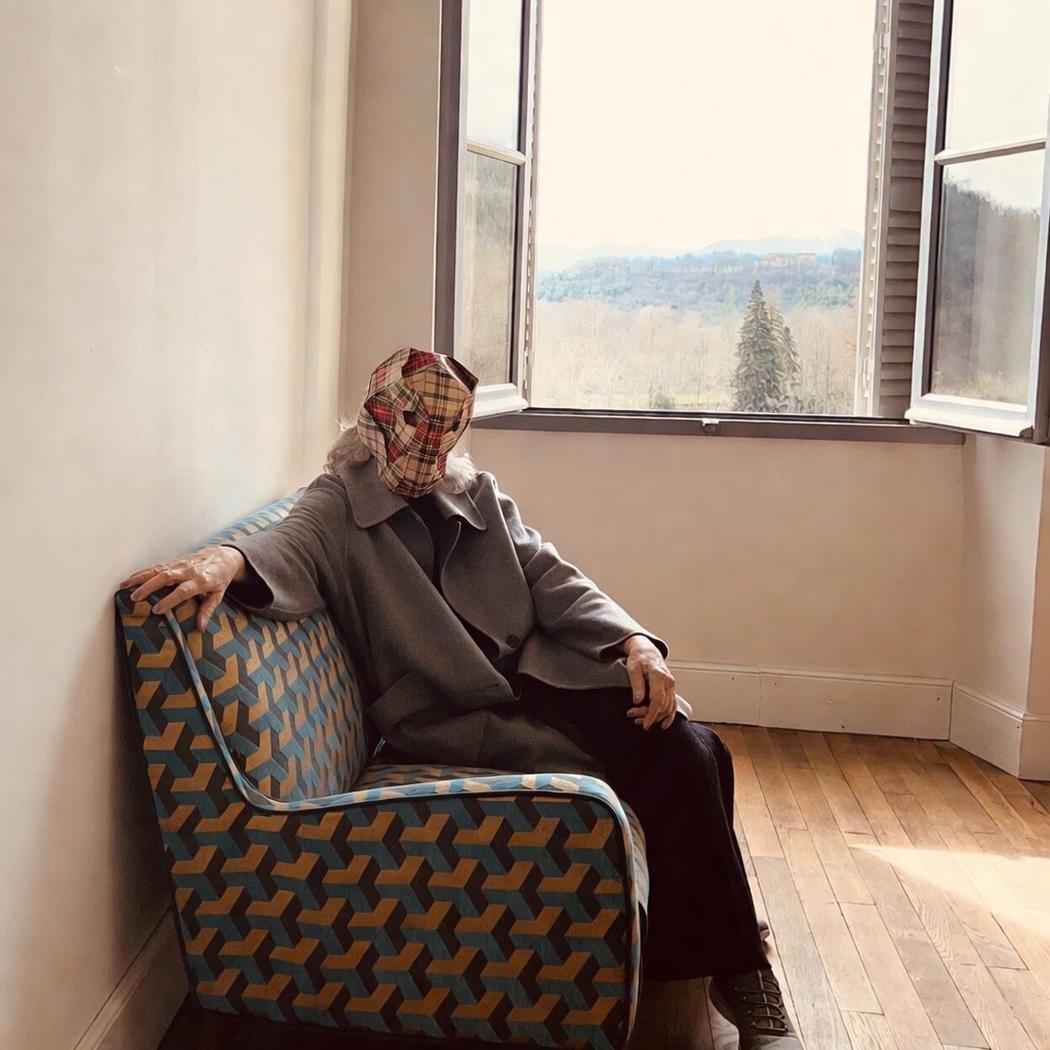
Your practice bridges textile work and olfactory installations. How do you approach translating something as intangible as scent into a visual and tactile form?
I think of scent as something that already has a structure—it moves, diffuses, lingers, disappears. My approach is to find material equivalents for those behaviors. Textile becomes a kind of container or skin: it can absorb, hold, and release fragrance over time. Stitching, repetition, and pattern allow me to give form to something otherwise formless. I’m not trying to illustrate scent so much as create conditions where it can be encountered physically—where the viewer senses it through proximity, duration, and touch.
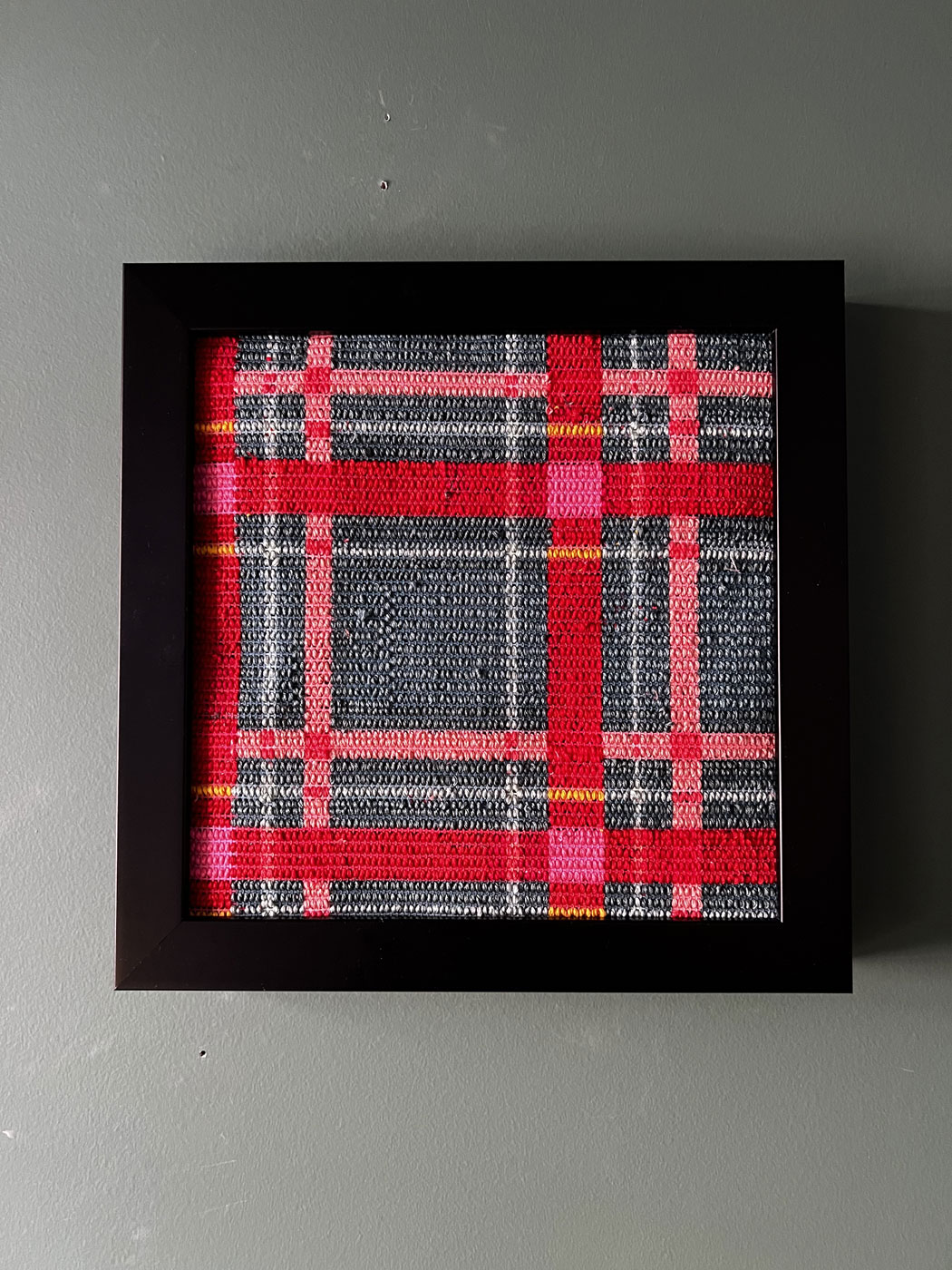
You often work with hand needlework traditions rooted in your Serbian heritage. What does this connection to ancestral craft mean within a contemporary art context?
Working with hand needlework connects me to a lineage of women whose labor was often intimate, functional, and unrecognized as art. In a contemporary context, I see this as both a continuation and a recontextualization. The act of stitching becomes a conceptual gesture—it carries memory, time, and discipline, but also speaks to systems of care and survival. I’m interested in how these inherited techniques can operate within contemporary art without losing their specificity, while also challenging hierarchies between craft and fine art.
Many of your works explore memory and diaspora. How do personal and collective memories intersect in your creative process?
My work exists at the intersection of personal memory and collective history. I often begin with something intimate—a phrase, a scent, a domestic object—but it inevitably opens onto broader cultural narratives. Diaspora creates a condition where memory is fragmented, displaced, sometimes reconstructed. I’m drawn to that instability. In my process, I allow different layers of memory to coexist, even contradict one another, so the work becomes less about preservation and more about negotiation.
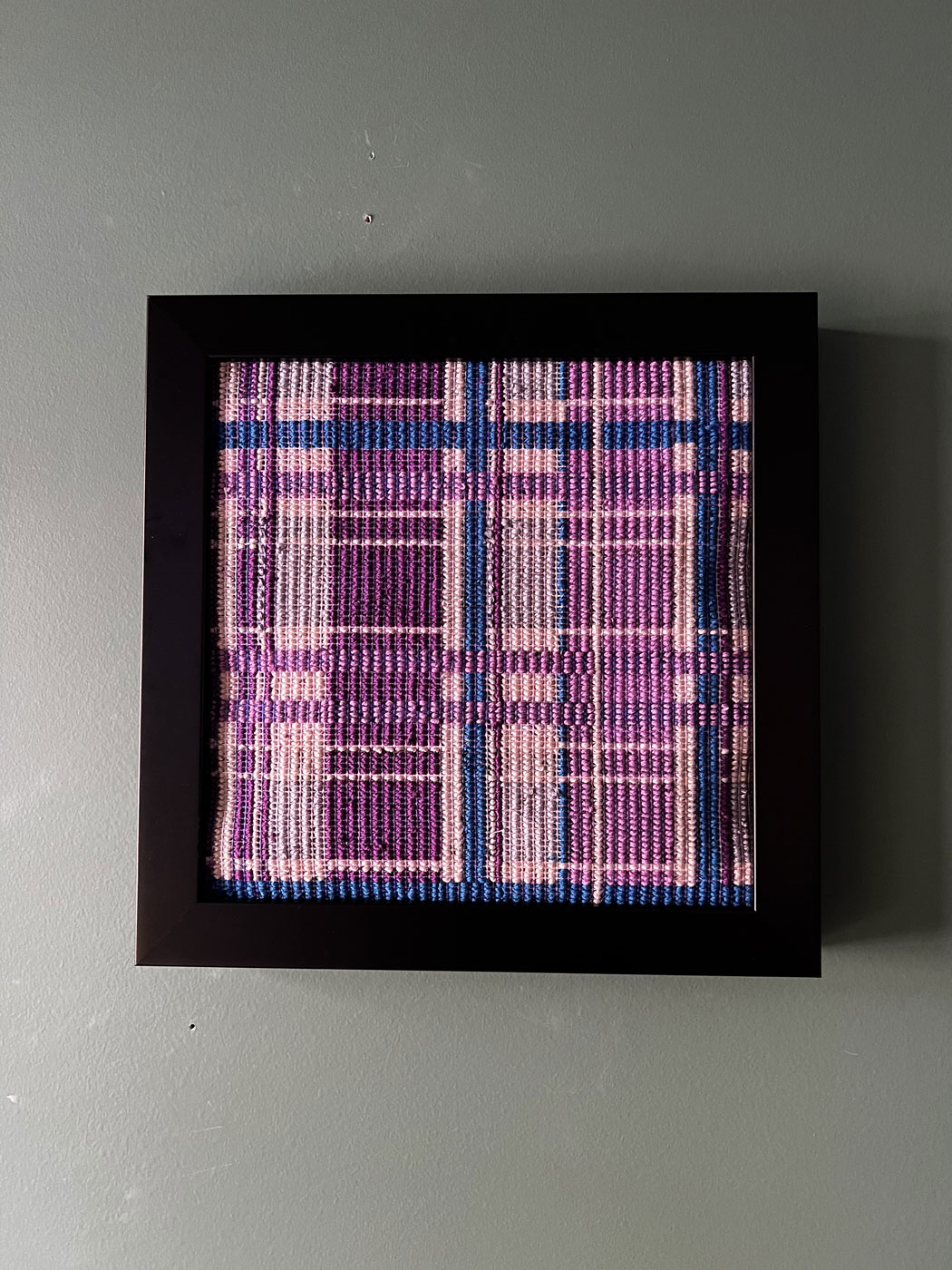
Having grown up between Yugoslavia and California, how have these contrasting cultural and political environments shaped your artistic perspective?
Moving between those environments shaped my awareness of contrast—political, cultural, emotional. Yugoslavia was marked by a sense of shared history and later rupture, while California felt expansive but also dislocated. That tension between belonging and estrangement continues to inform my work. I think it made me attentive to what is carried across borders—not just objects, but habits, smells, gestures—and how identity is formed through those accumulations.
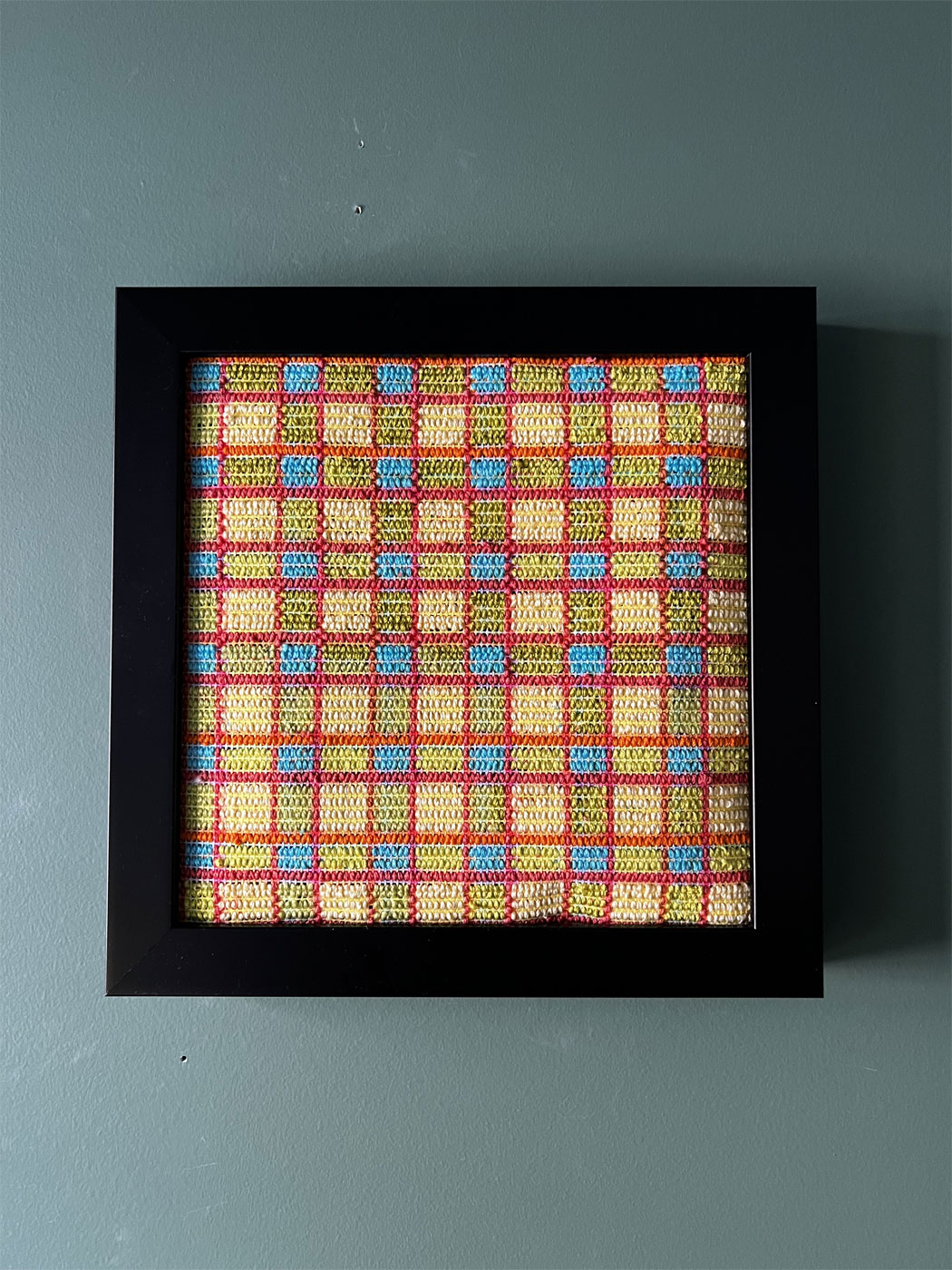
Scent plays a central role in your work. Can you describe how fragrance functions as a narrative or archival tool in your installations?
Scent operates as a kind of invisible archive. It can hold memory in a way that is immediate and involuntary. In my installations, fragrance doesn’t just accompany the work—it activates it. It can suggest a place, a body, a moment in time without needing to represent it visually. I’m interested in how scent can function as a narrative that unfolds differently for each viewer, depending on their own associations. It resists fixation, which makes it a powerful archival tool for experiences that are otherwise difficult to document.
 Anna Novakov | Sibra
You have an extensive background as a writer and art historian. How does your theoretical knowledge influence your studio practice?
My background in writing and art history gives me a framework, but it’s not something I try to impose on the work. Instead, it operates more like a parallel structure. I think through references, histories, and theories, but in the studio, those ideas often become material or sensory. Writing has also made me attentive to language—its rhythms, its gaps—which translates into how I construct installations. There’s always a negotiation between what can be articulated and what must remain experiential.
 Anna Novakov | Sibra
What role does storytelling play in your work, and what kind of emotional or sensory experience do you hope to evoke in the viewer?
Storytelling in my work is rarely linear. It’s more about fragments, atmospheres, and traces. I want the viewer to enter the work rather than decode it—to feel their way through it. Ideally, the experience is both sensory and emotional: something that lingers, like a scent does, even after they leave. I’m interested in creating a space where recognition and ambiguity coexist, where the viewer can locate themselves within the work while also encountering something unfamiliar.
Leave a Reply
You must be logged in to post a comment.