
Cécilia Pelissier
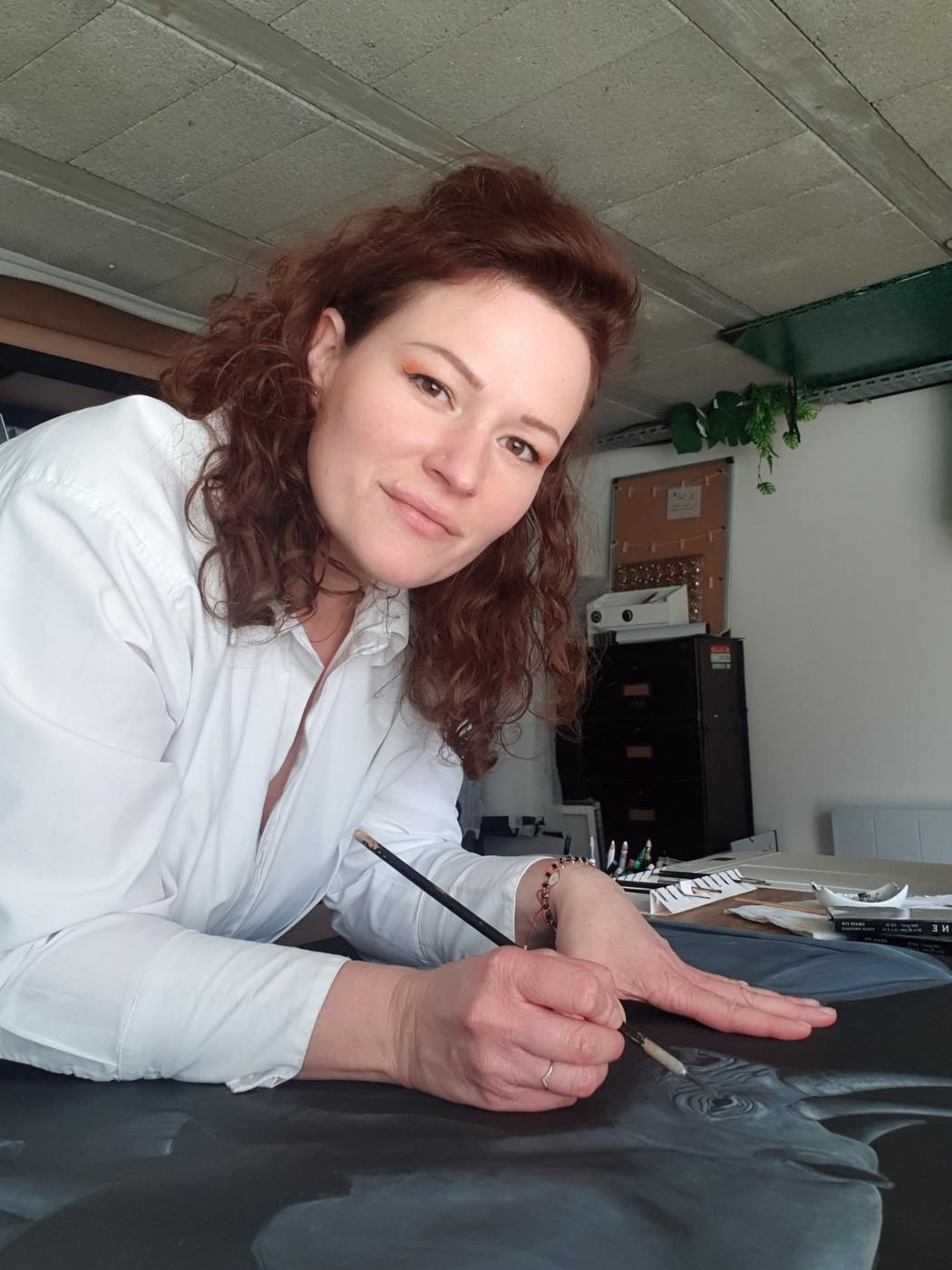
What first inspired you to focus your artistic practice on endangered wildlife?
It all started with the adoption of a Lineolated Parakeet. Caring for her made me realize the harsh reality of animal trafficking and mistreatment. As I dug deeper, I discovered the sheer scale of the biodiversity crisis and the IUCN Red List classifications.
Feeling a sense of helplessness, my approach to painting began to change. I wanted my art to become a form of action—a way to raise awareness and awaken consciences. My goal isn’t just aesthetic; I want my work to serve as both a pedagogical tool and a lasting memory of these species.
Your technique of white watercolor on black paper is very distinctive – how did you arrive at this visual language?
I love the contrast between black and white. I discovered black paper as a teenager, but could never really get the hang of it or achieve a result I was happy with. It was as an adult that I discovered watercolor, and I find it magical, both in how you work with it and the results. That’s when I brought my black paper out again, tested it with the white paint from my palette, and that was the moment my art truly came to life.
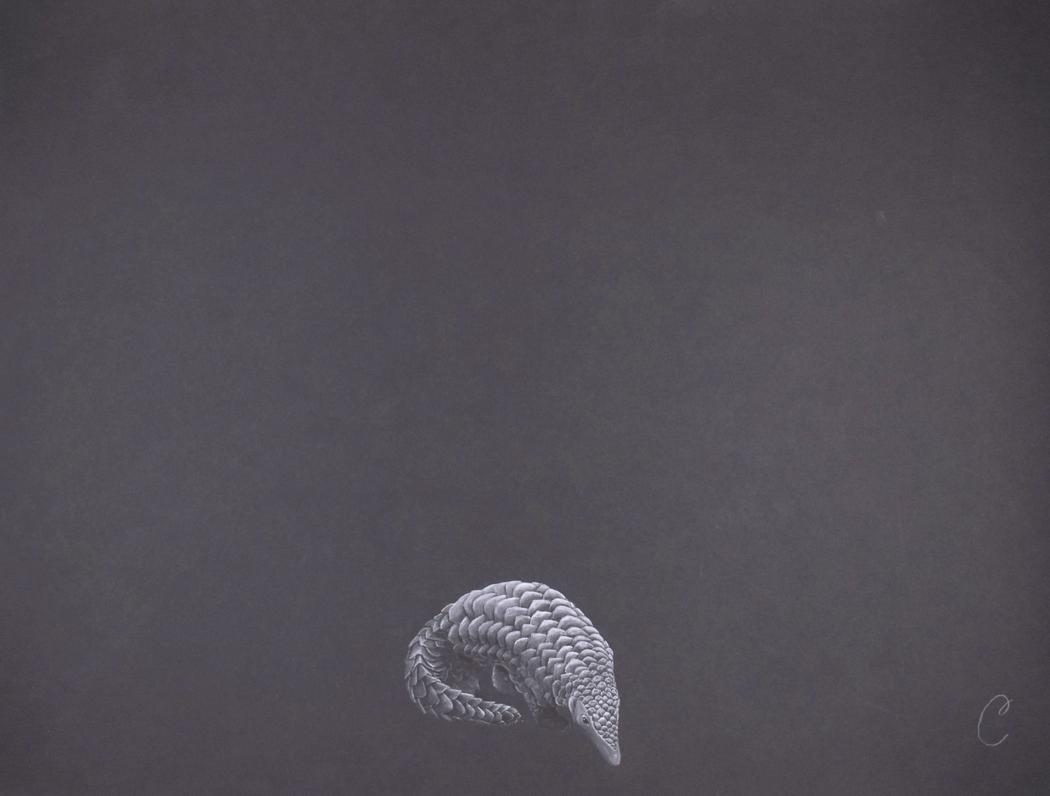 Cécilia Pelissier | PANGOLIN JAVANAIS – SEUL AU MONDE
Your works feel both scientific and poetic. How do you balance accuracy with emotional expression?
Before I paint any animal, there’s a lot of preparation involved. I research the species on the IUCN Red List, read scientific articles, watch photos and videos, and documentaries. This helps me determine if the animal will be recognizable in black and white, and to visualize it in 3D so I can place the lights effectively and bring out the textures for a very realistic result. For emotion, it all happens in the gaze. Often, the gaze is direct; I want to establish a silent dialogue with the viewer. I no longer want it to be accusatory or mean, I want it intense.
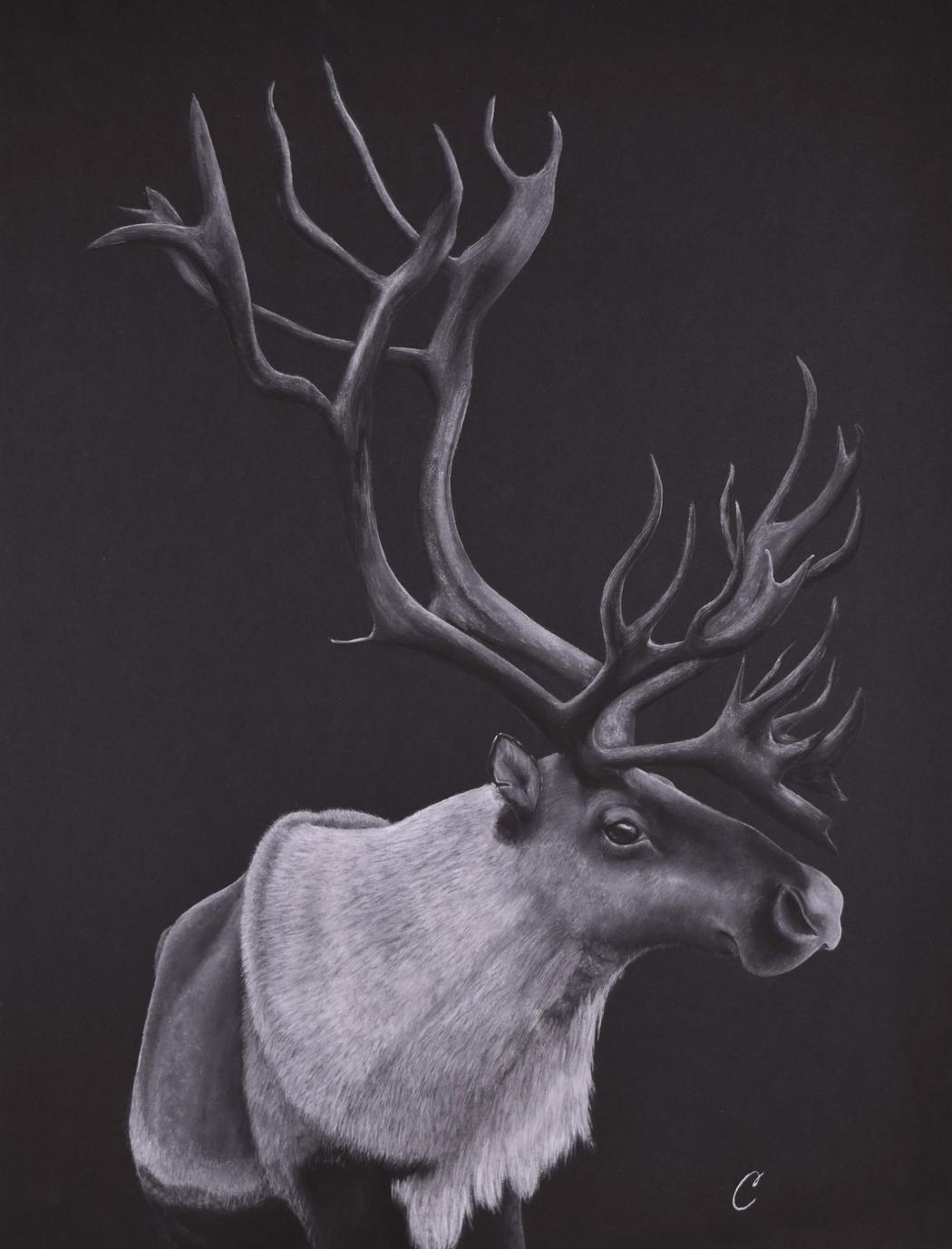 Cécilia Pelissier | CARIBOU
You often collaborate with conservation specialists – how do these collaborations influence your work?
My best experience was at the primatology colloquium in Toulouse, organized by the SFDP. A chance encounter with primatologist Cécile Sarabian at one of my exhibitions led to an invitation to exhibit there. I met scientists and conservationists, learned a lot, and gained a deeper understanding of their challenges. Getting their feedback on my paintings was also incredibly valuable. Collaborations like this reaffirm my belief that art and science are complementary.
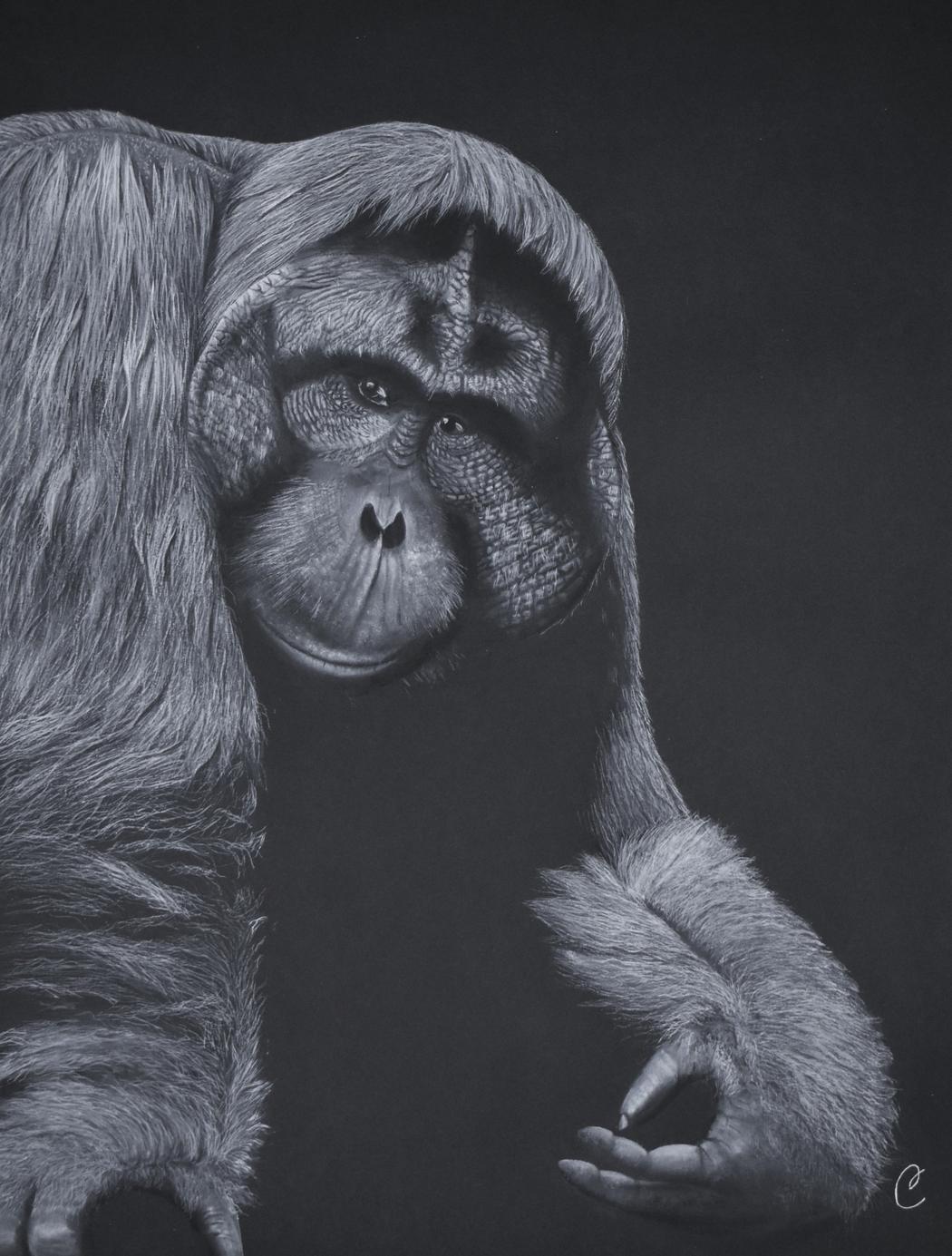 Cécilia Pelissier | ORANG OUTAN DE BORNEO
Many of your subjects are critically endangered species. How do you choose which animals to portray?
My work focuses on threatened species from the IUCN Red List, specifically those in the Vulnerable, Endangered, and Critically Endangered categories. Critically Endangered animals resonate deeply with me because they’re on the brink of extinction, and there’s an urgent need for action. Often, these species are unknown or overlooked, so my work becomes more impactful by raising awareness through imagery and sharing the information I’ve gathered. I also like to emphasize that the situation isn’t fatalistic; through the actions of organizations, scientists, and others, some species are actually being downlisted. For instance, the Bornean Elephant was recently moved from Critically Endangered to Endangered, and the Bactrian Camel has as well.
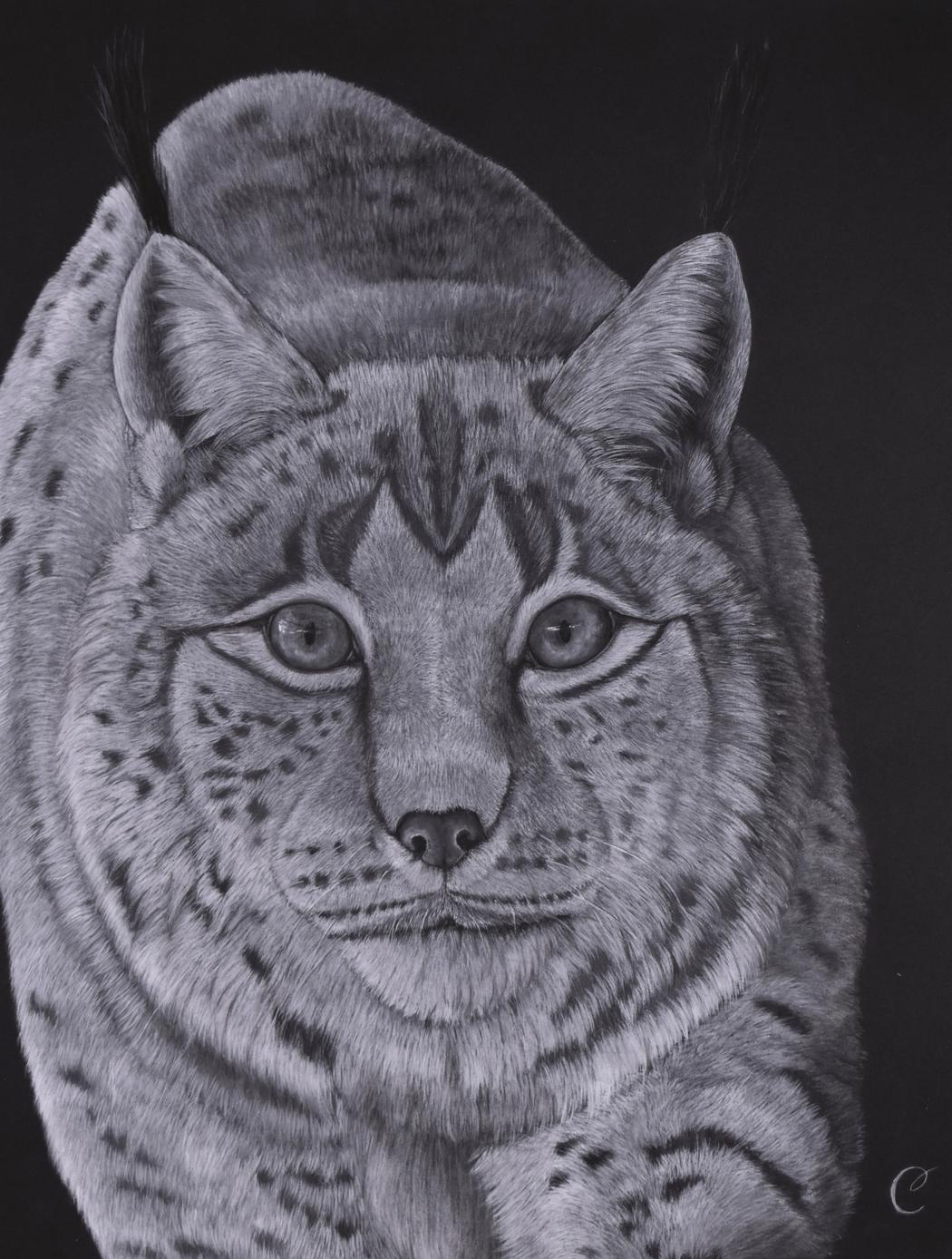 Cécilia Pelissier | LYNX DES BALKANS
Your recent series focuses on the wildlife of Borneo. What drew you to this region in particular?
I’m currently painting a series of watercolors depicting the endangered animals of Borneo. The idea for the series sparked during a discussion with Nadine Berezak-Lazarus , the president of BOS France, and I found the concept very promising. Once this series is complete, I’m determined to host a traveling solo exhibition. My vision is for it to be an immersive and sensory experience. I’m gathering my ideas to bring this to a realistic result. Borneo has such a rich fauna.
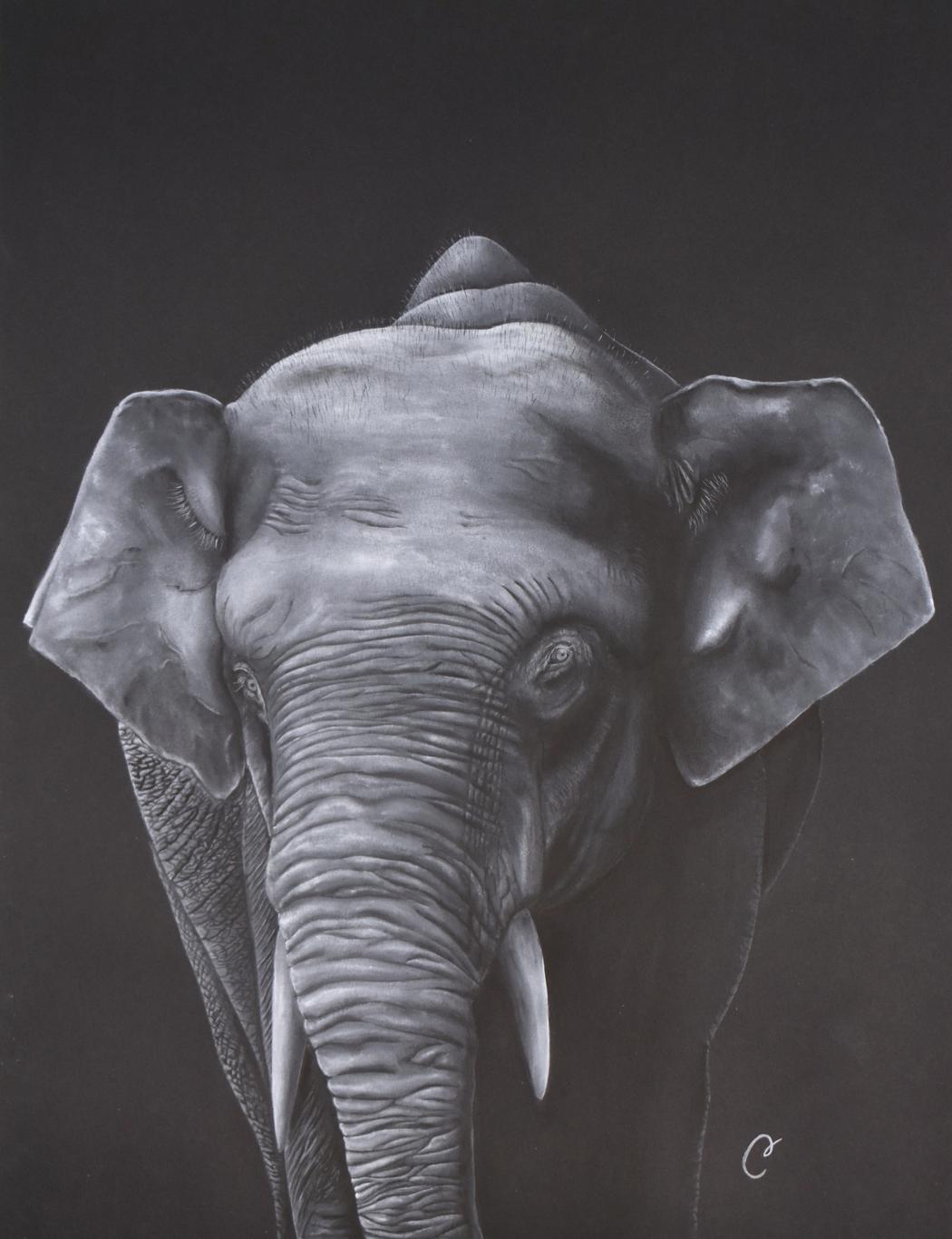 Cécilia Pelissier | ELEPHANT DE BORNEO
What emotional response do you hope viewers experience when encountering your work?
Through my watercolors I hope the viewers will embody a sense of wonder, will discover new realizations and will be amazed. I hope these paintings can be a memorial piece for these species but also a call to action for all viewers.
Leave a Reply
You must be logged in to post a comment.