
Yana Grishchuk
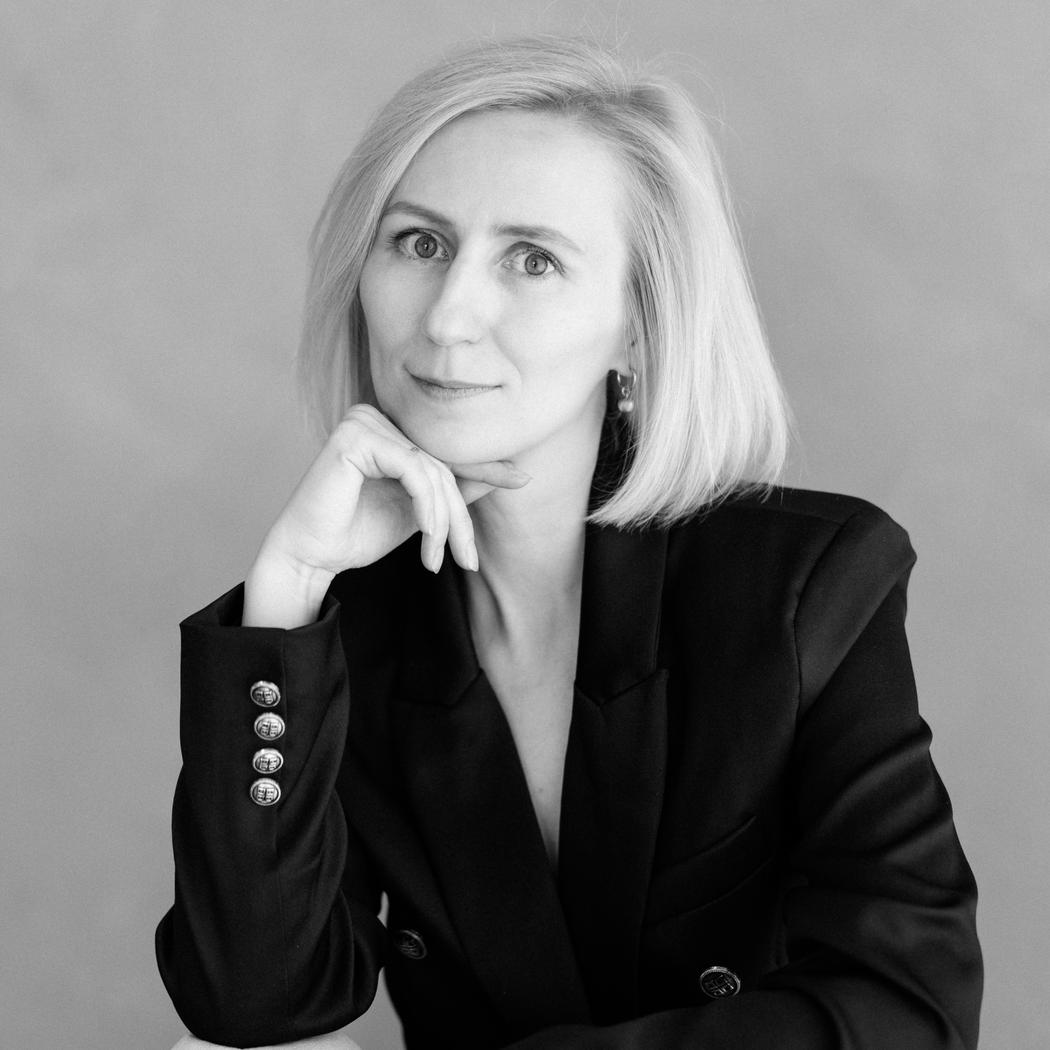
Your work centers around concrete as both material and metaphor. When did you first realize its expressive potential beyond construction?
I think I first fell in love with concrete through photography. I was always drawn to its visual character, its quiet presence, its roughness, its weight, its ability to feel both brutal and strangely poetic at the same time. I traveled a lot, and those experiences deepened that fascination. I was amazed by how differently concrete could appear depending on the culture, the architectural language, and the environment around it, whether in a Zaha Hadid project in Hong Kong or in a modern residential complex in Vienna. It made me see concrete not as a neutral construction material, but as something highly expressive, shaped by context, intention, and imagination.
As a photographer, I kept noticing it, returning to it, almost obsessively. I guess I wanted to find another way to interact with it more directly.
So I started researching, and before I fully understood where it would lead, I found myself buying some buckets and screwdriver attachments for mixing the concrete. My husband brought home my first bag of cement, probably half curious and half amused. By then he was already used to my sudden creative fixations, but even for me that bag of cement felt slightly insane. Still, there was no doubt in my mind that I had to begin. I did not start with a fully formed concept. It was more like a direction, an urge, a material I felt compelled to enter into a dialogue with.
I began experimenting in my kitchen, and once I started, the outside world disappeared. That happens to me in art, in photography, in any truly creative process. It is a state of total immersion, almost a kind of inner silence. In many ways, that is also why art matters so much to me. My professional life in design is often centered on business goals, performance, structure, and constraints. Art is where I return to freedom, intuition, and self-expression. Concrete became one of the materials through which I could experience that freedom most intensely.
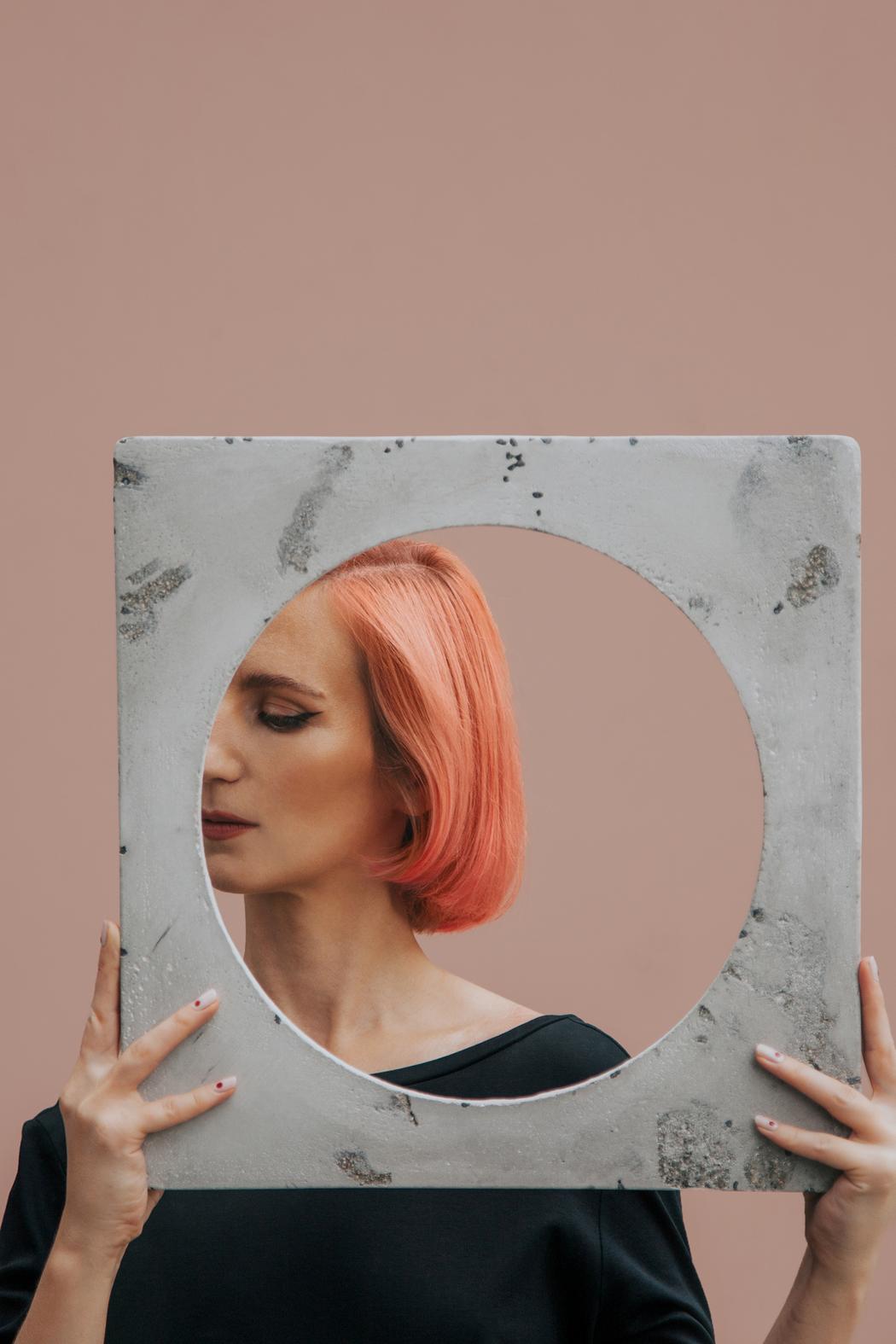 Yana Grishchuk | The Square Circle | 2022
You often explore dualities such as strength and fragility. How do you translate these opposing qualities into physical form?
Strength and fragility are not opposites to me. They exist inside each other. I think this tension is already embedded in the material itself, which is one of the reasons I keep returning to concrete. It carries the visual language of strength: weight, density, permanence, resistance. But at the same time, it is surprisingly vulnerable. It can crack, break, erode, or fail if its inner structure is weak. For me, that contradiction feels deeply human.
I translate that tension through a balance of minimal form and disrupted surface. The circle often gives the work a sense of wholeness, calm, and permanence, while cracks, erosion, and occasional contrasting interventions introduce fragility, time, and tension. I am also interested in the threshold between control and failure. Concrete never allows complete control: during the first 72 hours of curing, its final face remains hidden from me. There is always a period of uncertainty in which the material is still becoming itself, and I see that unpredictability as part of the work’s meaning.
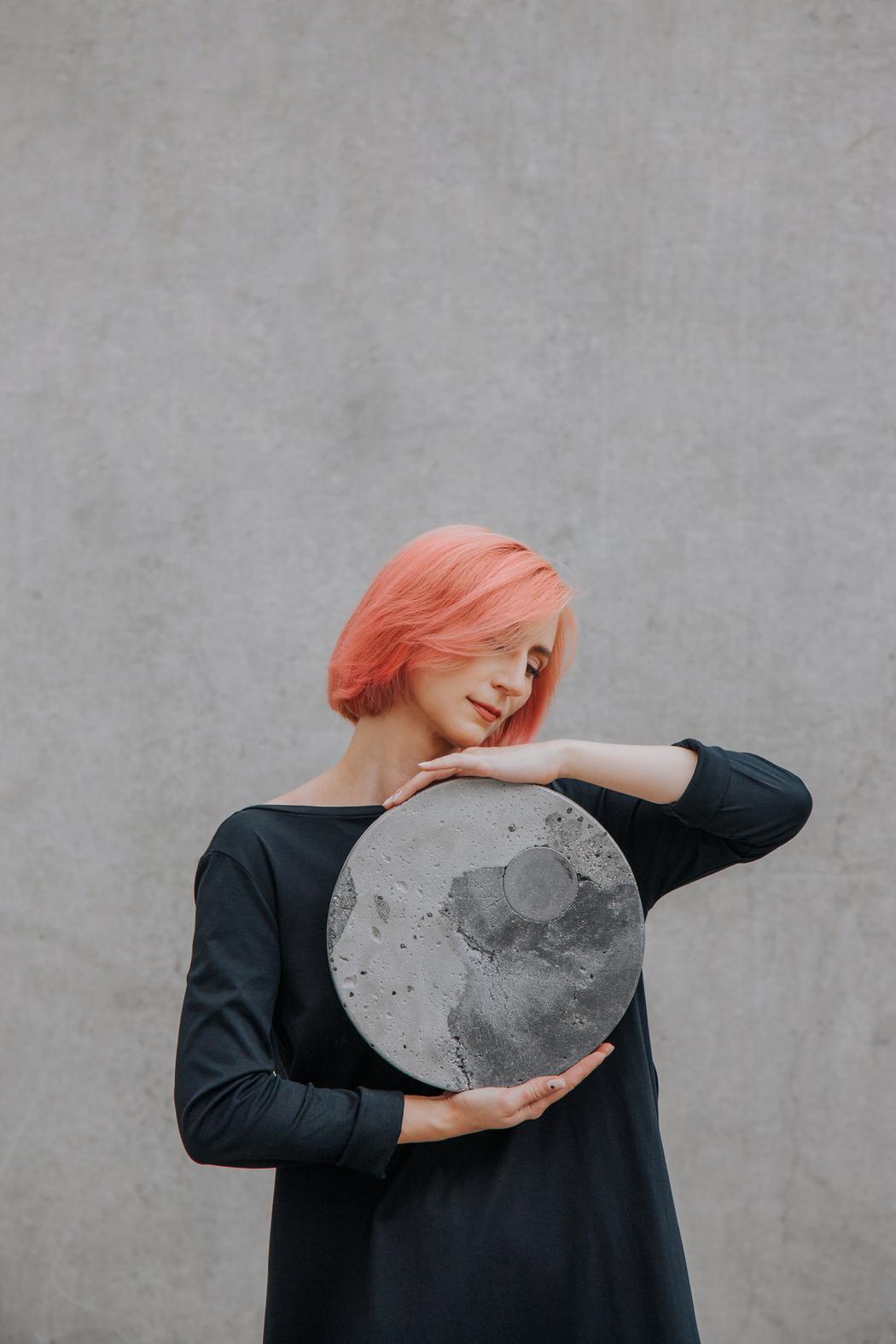 Yana Grishchuk | The Other Side Of The Moon | 2021
Many of your pieces appear minimal at first glance, yet reveal complex textures and imperfections up close. How important is tactility in your work?
Tactility is very important to me because it is often the point where the work stops being only visual and starts becoming physical, almost intimate. I have noticed many times that people’s first instinct when they see the work is to touch it. Even before they fully understand what they are looking at, there is often a bodily curiosity, a desire to test the surface, to feel its texture, weight, and temperature. That reaction is very meaningful to me.
From a distance, my pieces may appear quiet, minimal, even restrained. But up close, the surface begins to speak through pores, cracks, roughness, shifts in density, and traces of the process.
Working with concrete also involves a very specific process and discipline. I learn the material, understand its rules, and then quite often challenge them. When I step outside the expected sequence or allow the material more autonomy, it begins to reveal something less predictable and more alive. Many of the textures and imperfections in my work come from that tension between discipline and experiment.
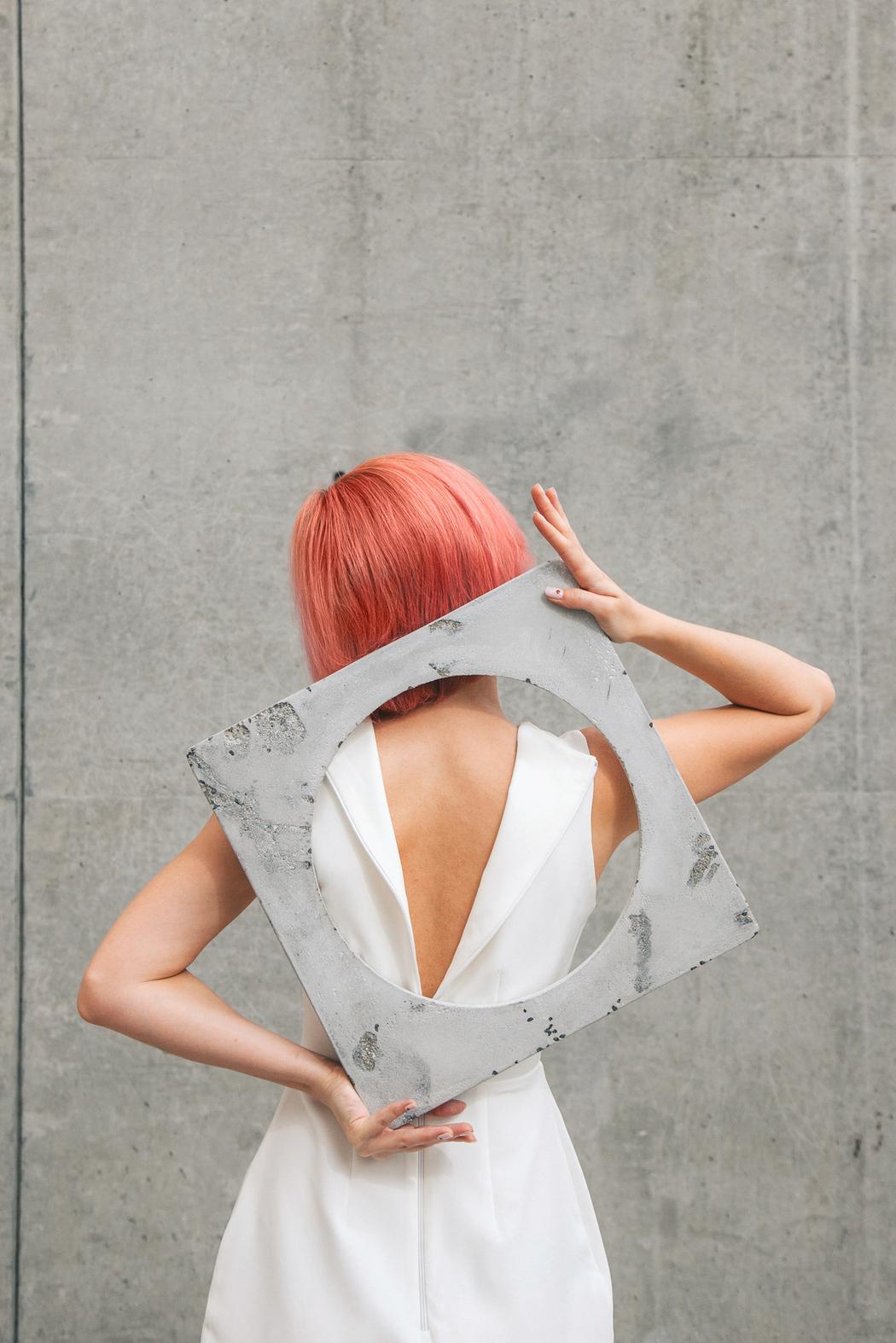 Yana Grishchuk | The Square Circle | 2022
The use of gold or contrasting elements in your pieces introduces a sense of rupture or repair. What role does this intervention play conceptually?
For me, gold or other contrasting elements are never purely decorative. They act more like an interruption, a trace, or a point of emphasis that changes how the surface is read. Sometimes they suggest repair, but not in the sense of restoring something to perfection. I am more interested in the idea that damage, fracture, or vulnerability can become visible rather than hidden.
I think of these interventions as moments where the work openly acknowledges tension, memory, or transformation. They can mark a wound, a seam, a fault line, or a passage from one state to another. Conceptually, they help me resist the idea of purity or flawless completeness. I am much more interested in surfaces that carry evidence of experience. In that sense, contrast becomes a way of revealing what the material has been through and allowing rupture itself to become part of the beauty.
How does your background in design and photography influence your sculptural practice?
Both design and photography shape the way I think as an artist, but in different ways. Design taught me discipline: how to build composition, how to work with proportion, restraint, hierarchy, and clarity. It trained my eye to recognize when something is resolved and when it is not. Photography, on the other hand, sharpened my sensitivity to light, texture, silence, and the emotional charge of surfaces. It taught me how much can be expressed through the atmosphere alone.
My formal art education also shaped this deeply. My Master of Arts degree gave me both theoretical grounding and practical experience across a wide range of fine art techniques. That training made experimentation feel natural to me and gave me confidence in moving across mediums rather than staying inside one discipline.
Sculpture feels like the place where the different parts of my background collaborate. Design taught me how to organize form with intention. Photography taught me to notice what is subtle, fleeting, and atmospheric. My art training taught me to experiment, trust material, and think beyond one medium. Because of that, I approach sculpture as something built, felt, and discovered, all at the same time.
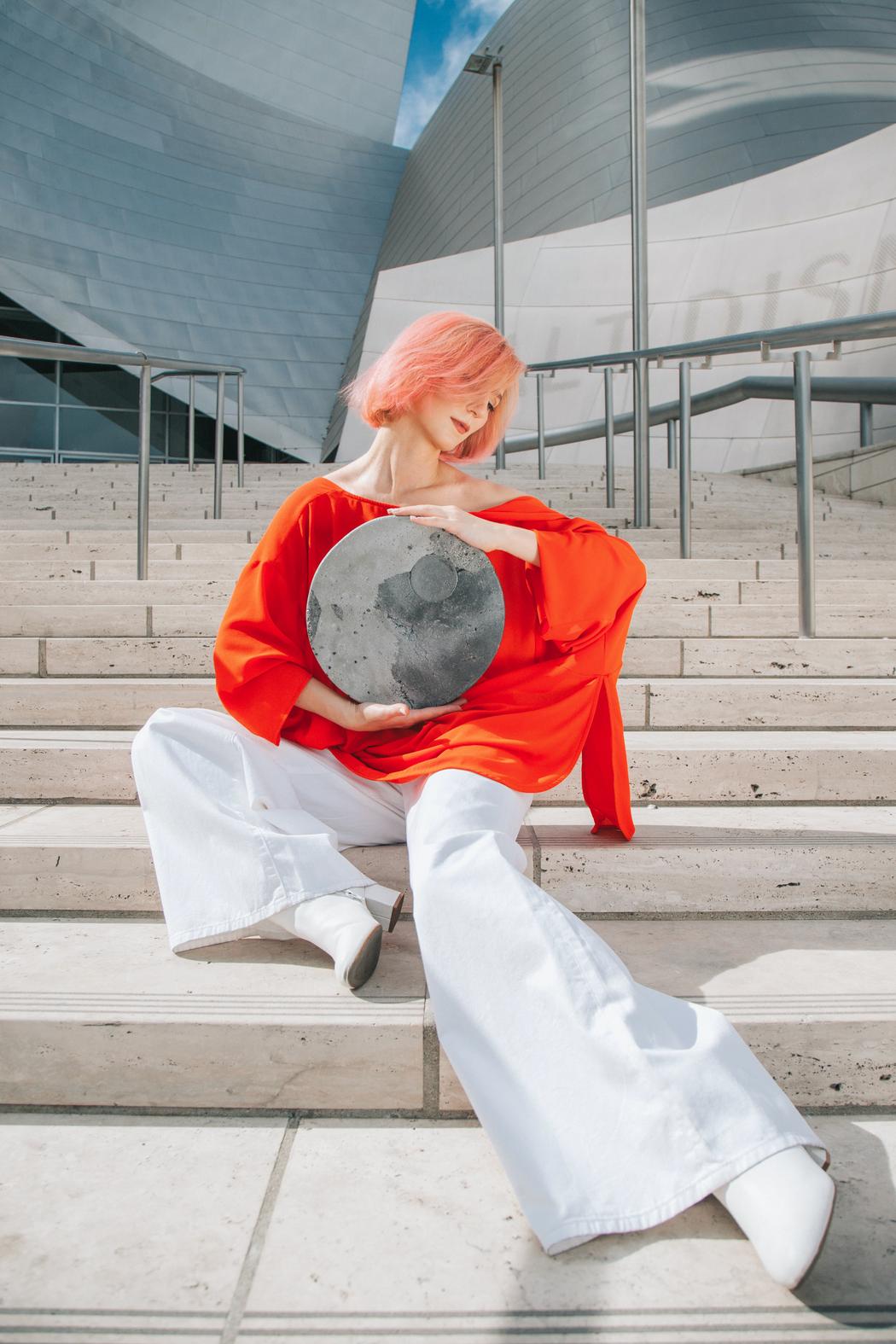 Yana Grishchuk | The Other Side Of The Moon | 2021
The surface of your works often carries traces of erosion, cracks, or time. Do you see your pieces as evolving objects or fixed moments?
For me, they are finished objects that retain the tension of becoming. Their surface holds evidence of process, pressure, drying, resistance, and time. In that sense, the object becomes a kind of record, almost like a compressed history.
I am drawn to works that feel resolved in form but unresolved in meaning. The surface can suggest that something has shifted, endured, or been tested. That tension matters to me. It allows the piece to exist as an object that carries a past within it.
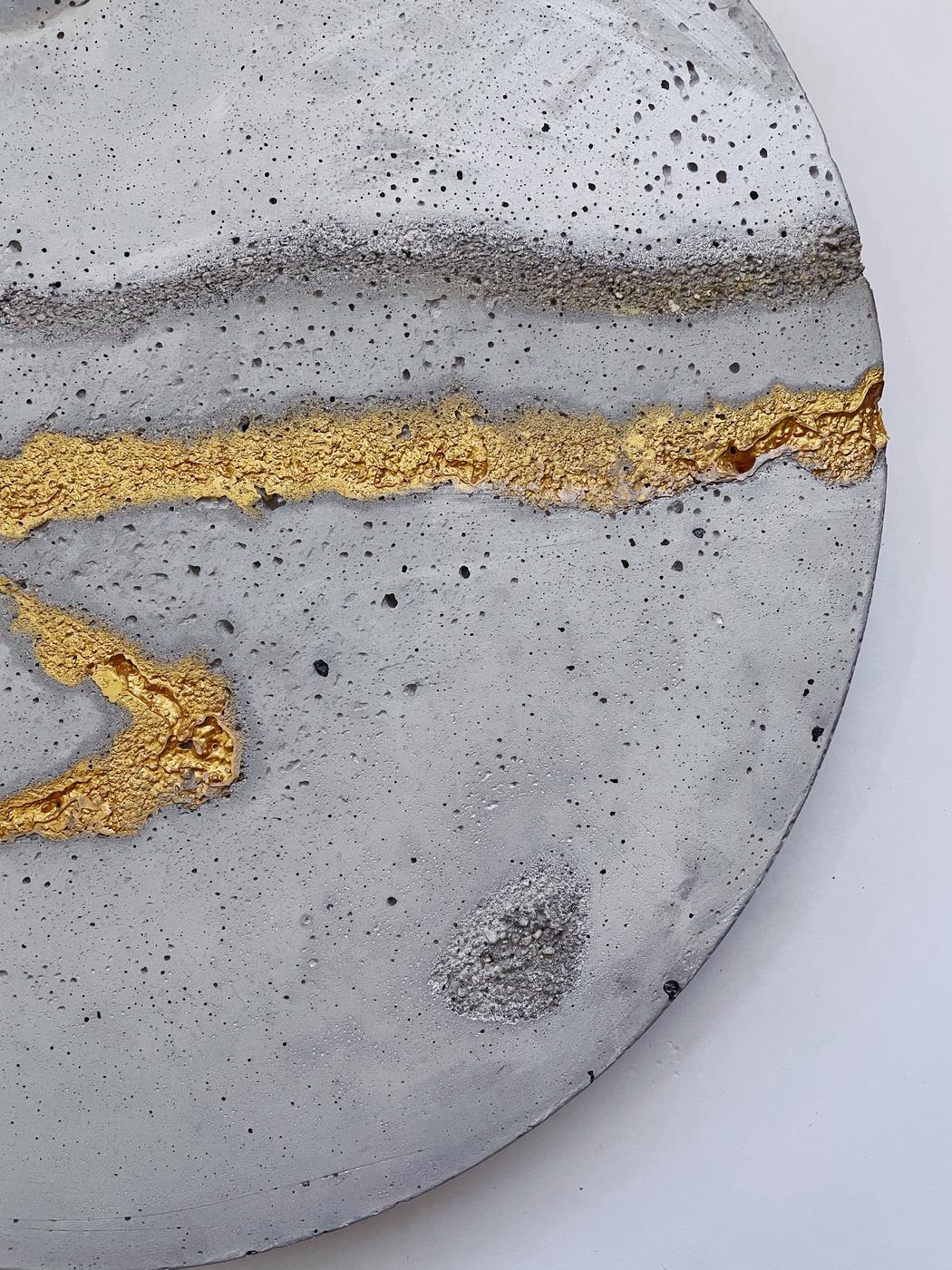 Yana Grishchuk | The Moon River | 2022
Your works seem to balance between art object and functional design. Do you consciously position them within one category, or resist categorization?
I don’t feel a strong need to force the work into one category. That tension between art object and design object feels natural to me because my background is already shaped by both worlds. Design taught me to respect form, proportion, and the viewer’s experience. Art gives me permission to move beyond utility and let meaning, intuition, and emotional charge take the lead.
Some pieces may echo functional design through their clarity, geometry, or object-like presence, but I do not begin with the intention of making design. I begin with a material, a sensation, or a question. If the work ends up occupying an in-between space, I see that as a strength rather than a problem. In fact, I think those thresholds are often the most interesting places to work.
So yes, I probably resist categorization, because the work feels more truthful this way, in that unstable territory where an object can be read both as form and as metaphor, both as presence and as proposition.
Leave a Reply
You must be logged in to post a comment.