
Shengjie Jiang
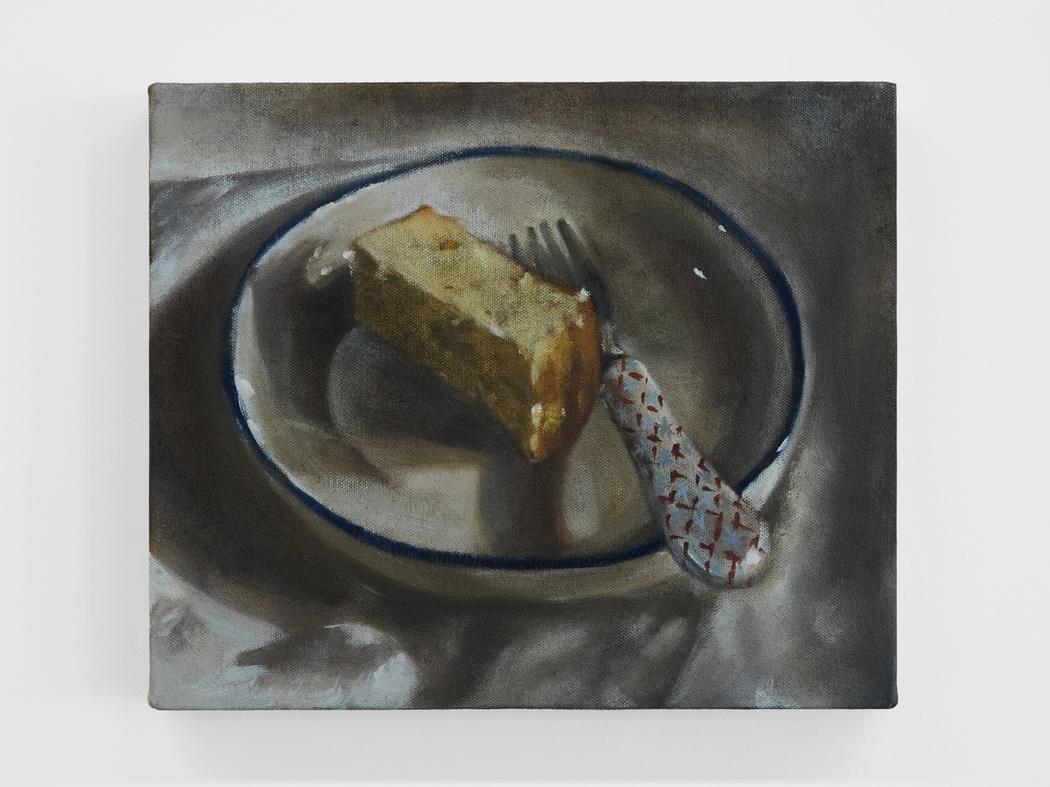 Shengjie Jiang | Sourness | 2025
Your work often focuses on quiet, intimate objects. How do you choose the subjects that become carriers of memory in your paintings?
Sometimes, in a fleeting moment, I feel a quiet sense of emotional fulfillment and find myself wishing that time might linger there a little longer. Though such moments inevitably soften and dissolve, returning to similar scenes or objects can evoke that same tenderness toward the present. Even if the feeling no longer carries its original intensity, the ability to revisit it remains quietly satisfying.
I think once some objects exist around me, we begin to share something with each other. The time we spend together becomes a space where it slowly absorbs my emotions, layer by layer. Because of this, they become the subjects in my paintings. In a way, they speak for me, expressing emotions that I can’t fully put into words myself.
You describe home as something fragmented and transient. How has this idea evolved through your moves between different cities and countries?
Relocating between different cities and countries occurred quite naturally for me, often as a result of pursuing my education and reaching different stages of it. At the time of each move, I didn’t consciously think about the idea of home. Instead, what I experienced most strongly was a sense of loss, an awareness that I would not return to the same place, and the need to part with objects that could not be carried with me.
Over time, I have come to understand these relocations as moments of disconnection from past memories, a feeling that resonates with themes of homesickness often depicted in films and literature, for instance, Eat Drink Man Woman by Ang Lee. Through these associations, I have gradually developed a deeper awareness of this emotional state.
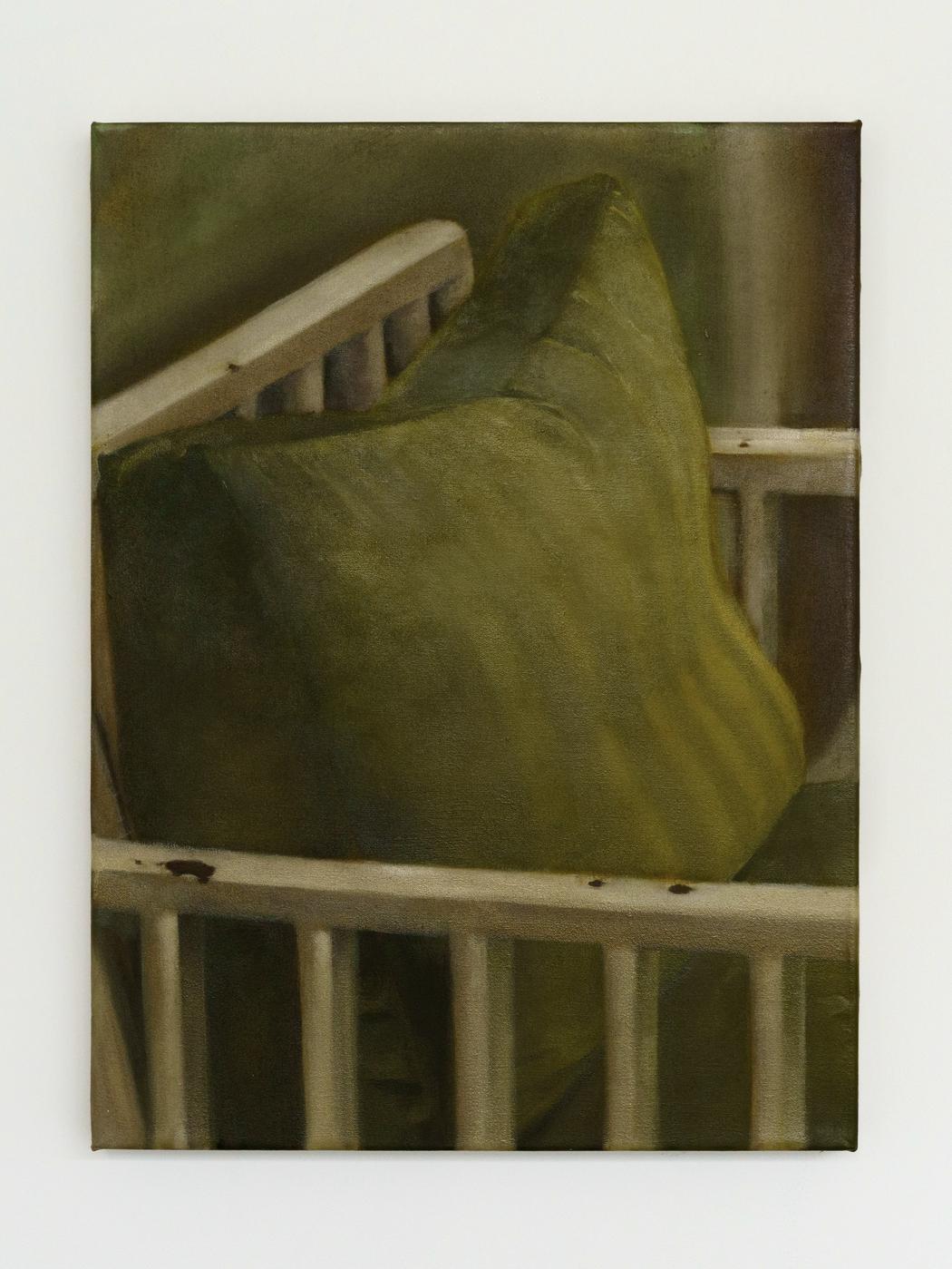
Many of your paintings evoke a sense of stillness and subtle melancholy. How do you translate emotional states like longing or bitterness into visual form?
I wish to translate my own understanding of these emotional states into the work. For instance, a cup in one of my paintings may have been broken at some point, and what remains is my attempt to reconstruct its wholeness through memory. For me, it is no longer a cup, but a vessel that carries traces of a particular period marked by bitterness. I am also drawn to slightly dimmed tonalities, which often resonate with a more universal sense of solitude.
Objects in your work seem both ordinary and deeply symbolic. Do they come from personal experience, or are they constructed memories?
They all come from my personal experiences and memories. Everything unfolds quite naturally, I find myself returning to these moments again and again, reflecting and lingering on them.
However, I also recognize that these are ultimately personal, subjective memories, and my emotions and sensibilities inevitably shape their accuracy.
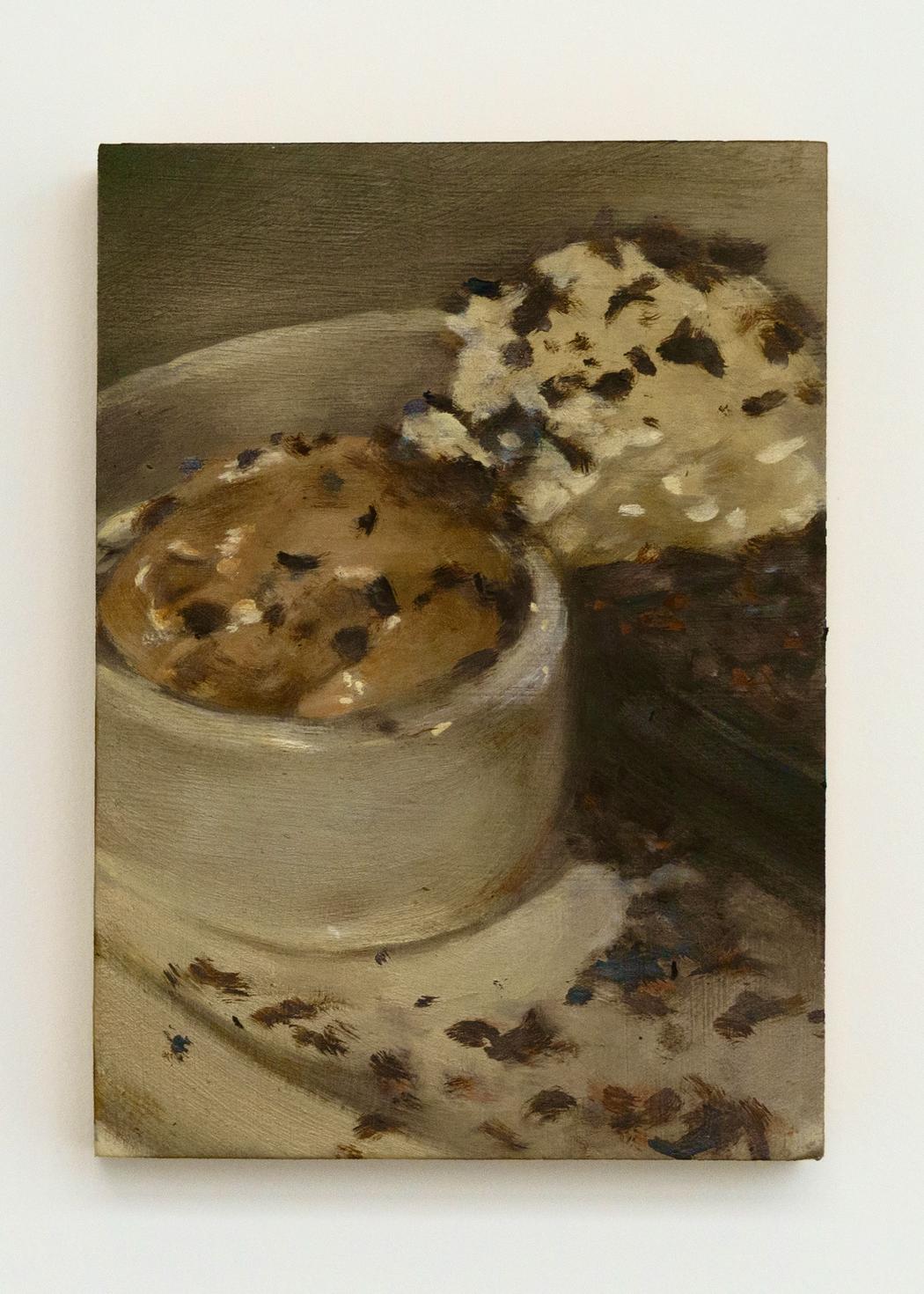
Your compositions often feel cropped or partially obscured. What role does absence play in your paintings?
I think absence functions as a way to suggest that there is always something unfolding beyond the visible surface. Even when only a corner of a room is shown, the imagination extends outward along diagonal lines, diffusing into the surrounding space, until the rest of the scene begins to take shape in the mind. The people in the room come and go, crowds move back and forth, hurried and fleeting, yet the objects remain. What surrounds them cannot be fully known, they seem to bear witness to what has occurred, but unable to articulate it.
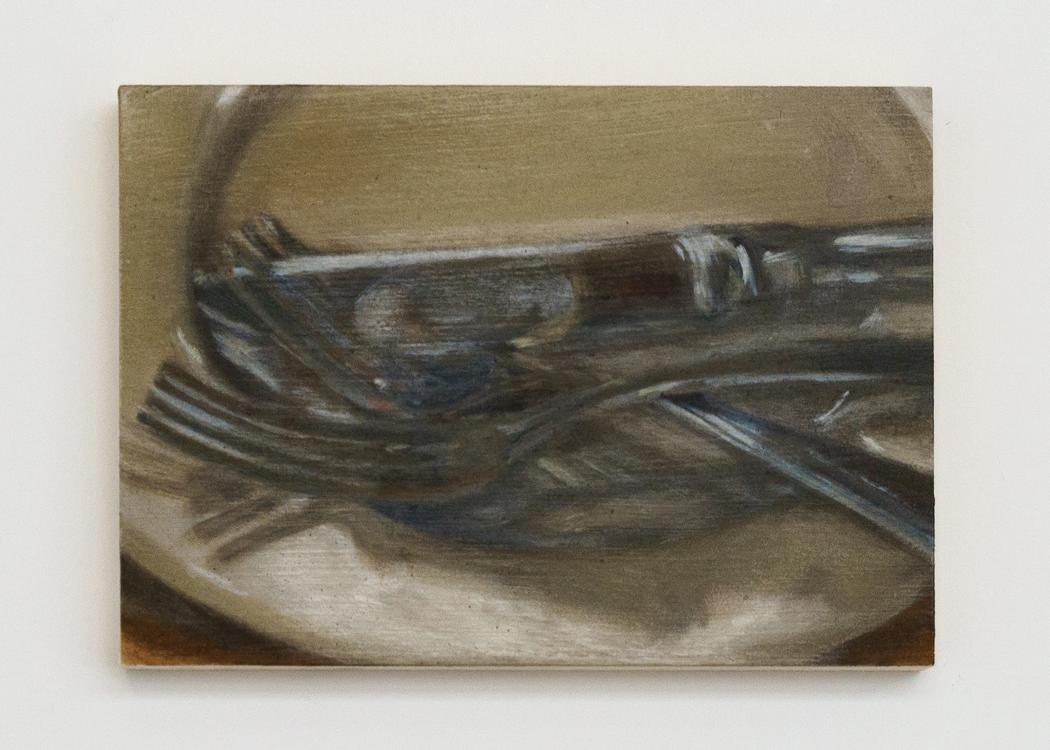
How does your experience of displacement influence your relationship with time in your practice?
In general, time is often understood as being divided into the past, present, and future. My practice is primarily oriented toward the past, though it inevitably carries traces of my present emotional state. I believe that it is precisely my past experiences that have led me to focus so closely on what has already passed.
As the number of tangible things I am able to hold onto becomes smaller, I find myself wanting to hold onto them more tightly.
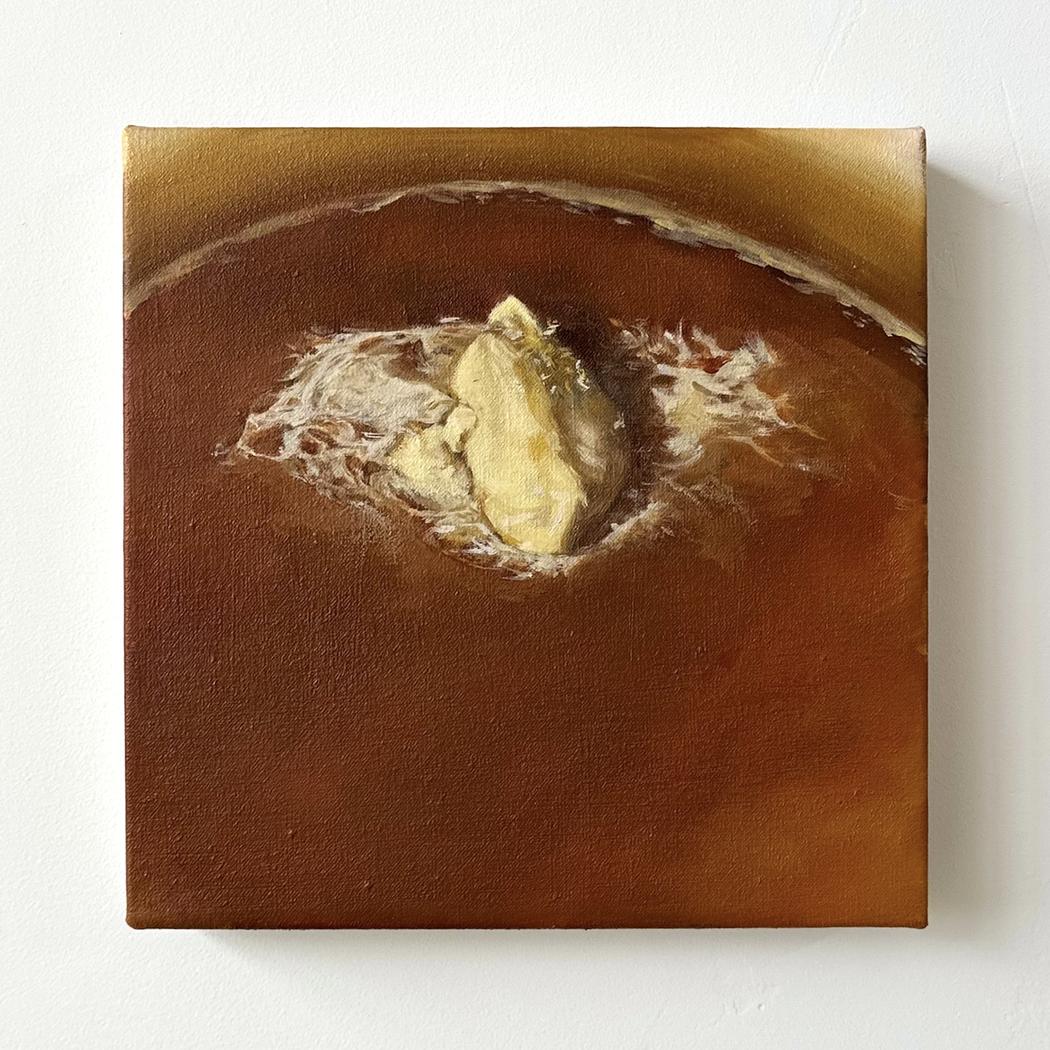
Do you see your paintings as acts of preservation, or do they also acknowledge the impossibility of truly holding onto the past?
I see my paintings as reflections of emotions and thoughts that cannot be fully expressed in words. I don’t want to accept that the past can’t be truly held onto, yet I recognize that this is a reality I am reluctant to articulate, and my paintings bear witness to this tension. They become a kind of passage, connecting what I genuinely feel with what I choose not to articulate.
Leave a Reply
You must be logged in to post a comment.