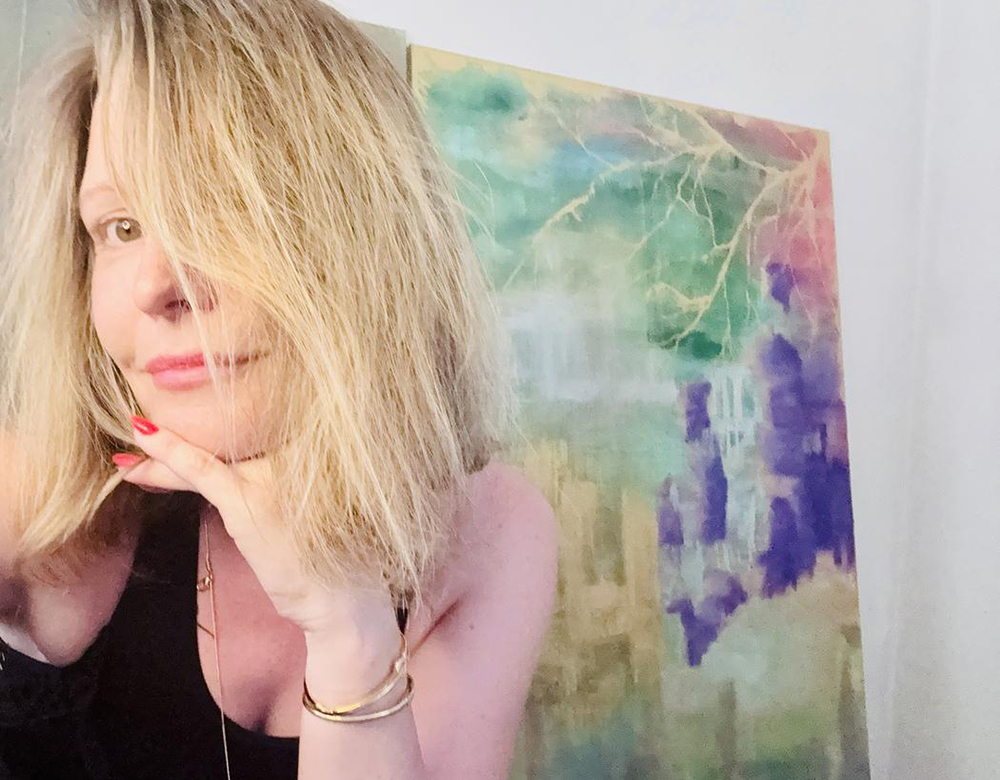
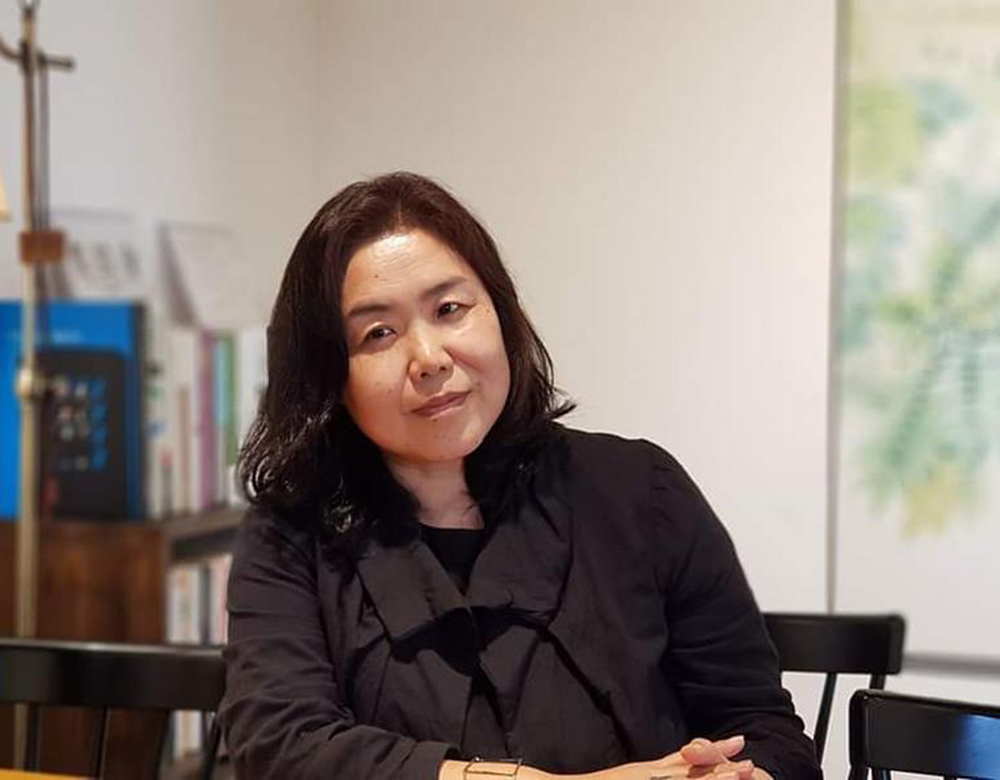
JINLEE PARK
What first drew you to traditional Korean painting, and which aspects of its philosophy remain essential to your work today?
Traditional Korean painting is the artistic foundation of my practice.
Through studying Korean painting, I became interested in the Eastern perspective on nature and the depth and subtlety of ink.
In traditional Korean painting, empty space is not simply an absence; it is a space filled with the possibility of new life.
The gradations of ink and the flow of lines express not only the forms of nature but also the energy within them.
Building on this tradition, I seek to move beyond simply reproducing nature as it appears.
By observing trees, leaves, and seeds, I discover traces of life and the passage of time.
Nature in my work is both the external world and a mirror reflecting the human inner world.
I believe that humans and nature are not separate but continually influence one another.
This understanding of interconnectedness is central to my artistic exploration.
My goal is to reinterpret the spirit of traditional Korean painting through a contemporary visual language.
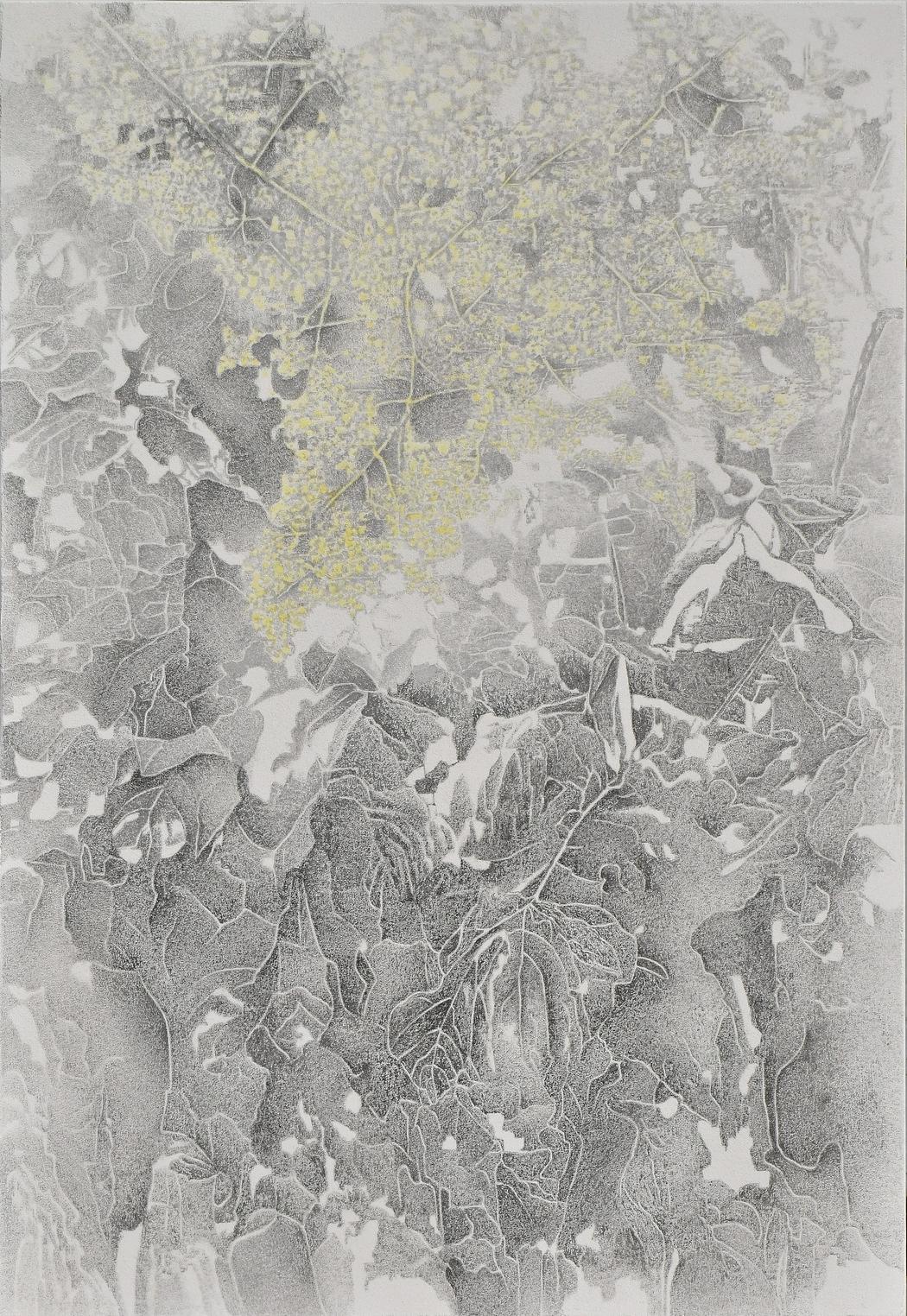 JINLEE PARK | Black Breath | 2025
Your The Wind Blows paintings from 2018-2019 feature varied blues, greens, and warm tones, while your recent works are largely monochromatic. What prompted this shift, and how has it changed the way you express nature’s vitality?
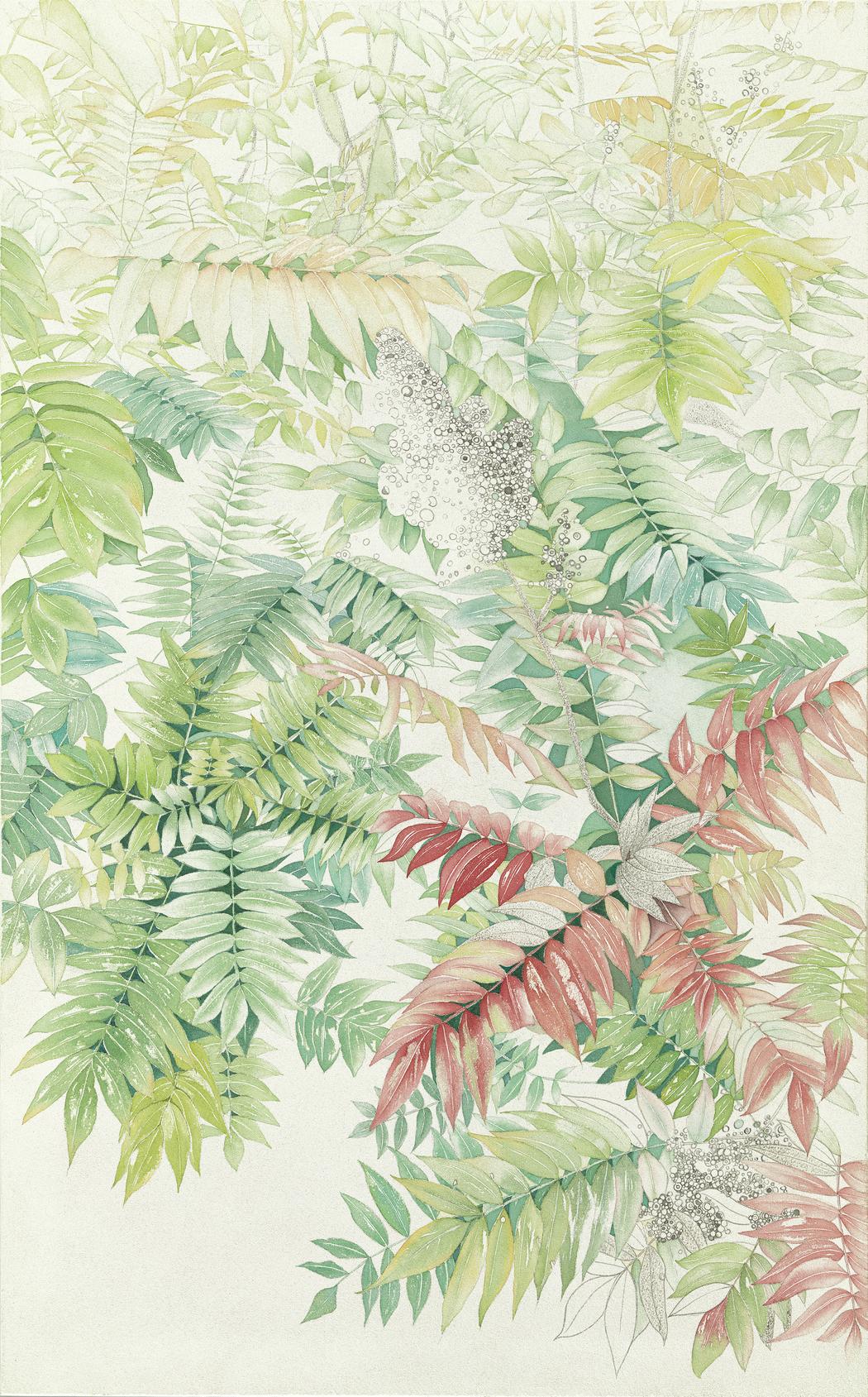
The series The Wind Blows emerged from a period in which I was searching for hope and the possibility of recovery during difficult times.
At that time, I used blues, greens, and warm colors to express the vitality of nature and the movement of emotions.
Although the wind itself is invisible, its presence becomes apparent through the movement of leaves and flowers.
I wanted to capture this invisible force in my paintings.
In my recent work, I have restrained color and focused on the depth of monochrome and the texture of stone powder.
Emotions once conveyed through color are now expressed through the gradations of ink and the physical qualities of the surface.
In particular, repeated dots gradually form the shapes of trees, revealing the accumulation of time.
Each dot records the time I spend observing nature and the rhythm of my own breathing.
This shift reflects a movement away from the outward appearance of nature toward its inner essence.
Through restrained compositions, I seek to convey an even deeper and quieter life force.
In Breath-Fluttering Wings, you connect the inward movement of breathing with the outward movement of taking flight. How did this relationship become the starting point for the series?
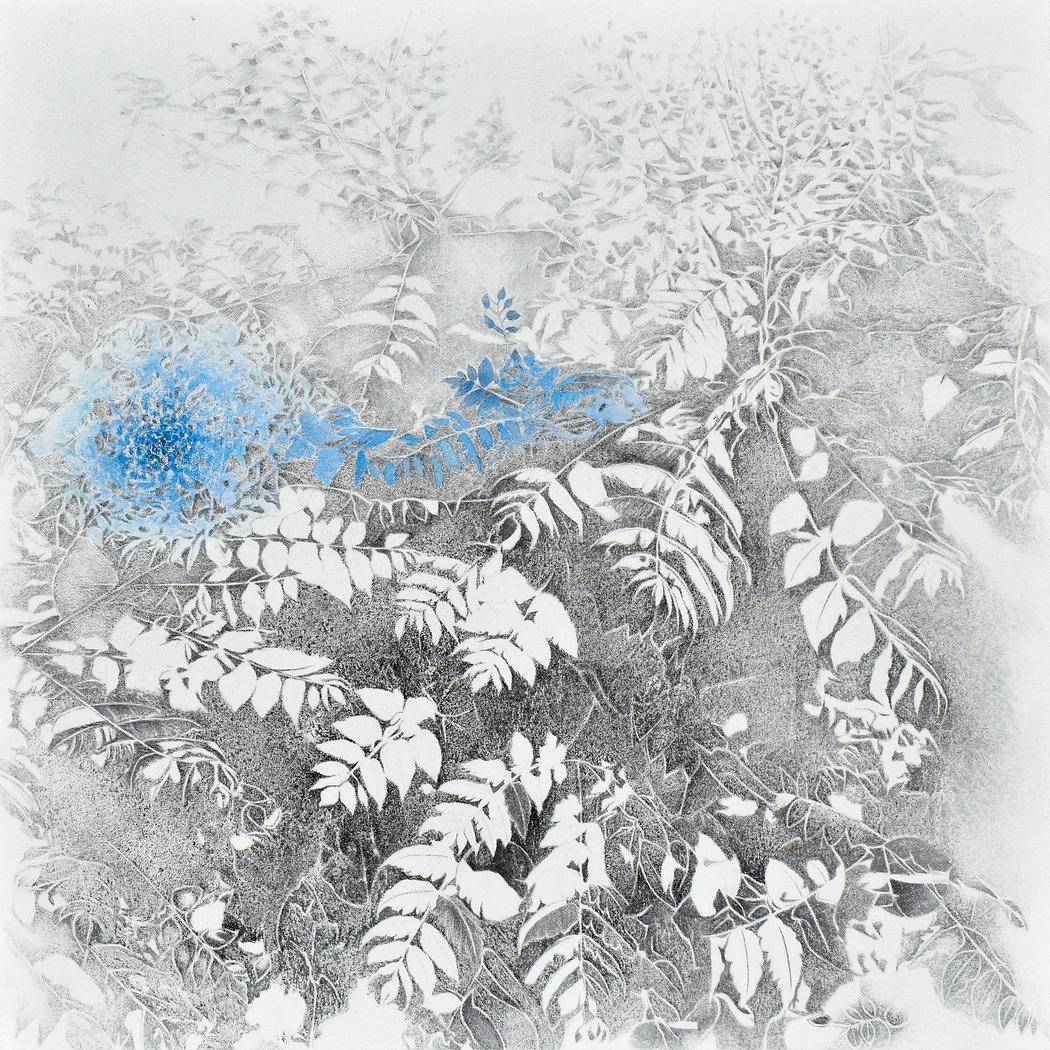
Breath-Wings Flapping began with my observation of the golden rain tree.
In its leaves, fruits, and seeds, I discovered distinctive expressions of life in motion.
I was particularly struck by the way its seeds can travel with water currents and reach new places.
Within each small seed lies the possibility of movement, renewal, and taking root somewhere new.
This led me to reflect on the human experience of life and change.
Breathing is an inward movement through which we return to ourselves, while taking flight represents the will to move toward the world.
Although these movements seem to point in different directions, both are essential to the continuation of life.
The leaves in my paintings symbolize small voyages toward hope.
Through subtle movements in nature, I seek to express the strength of life as it rises again after hardship.
Ultimately, Breath-Wings Flapping is a reflection on vulnerability, resilience, and the possibility of new beginnings.
 JINLEE PARK | Breath–Fluttering Wings | 2024
Your project explores three tree species, each with its own characteristics and symbolism. Could you share a personal encounter or observation that helped you understand what distinguishes each tree?
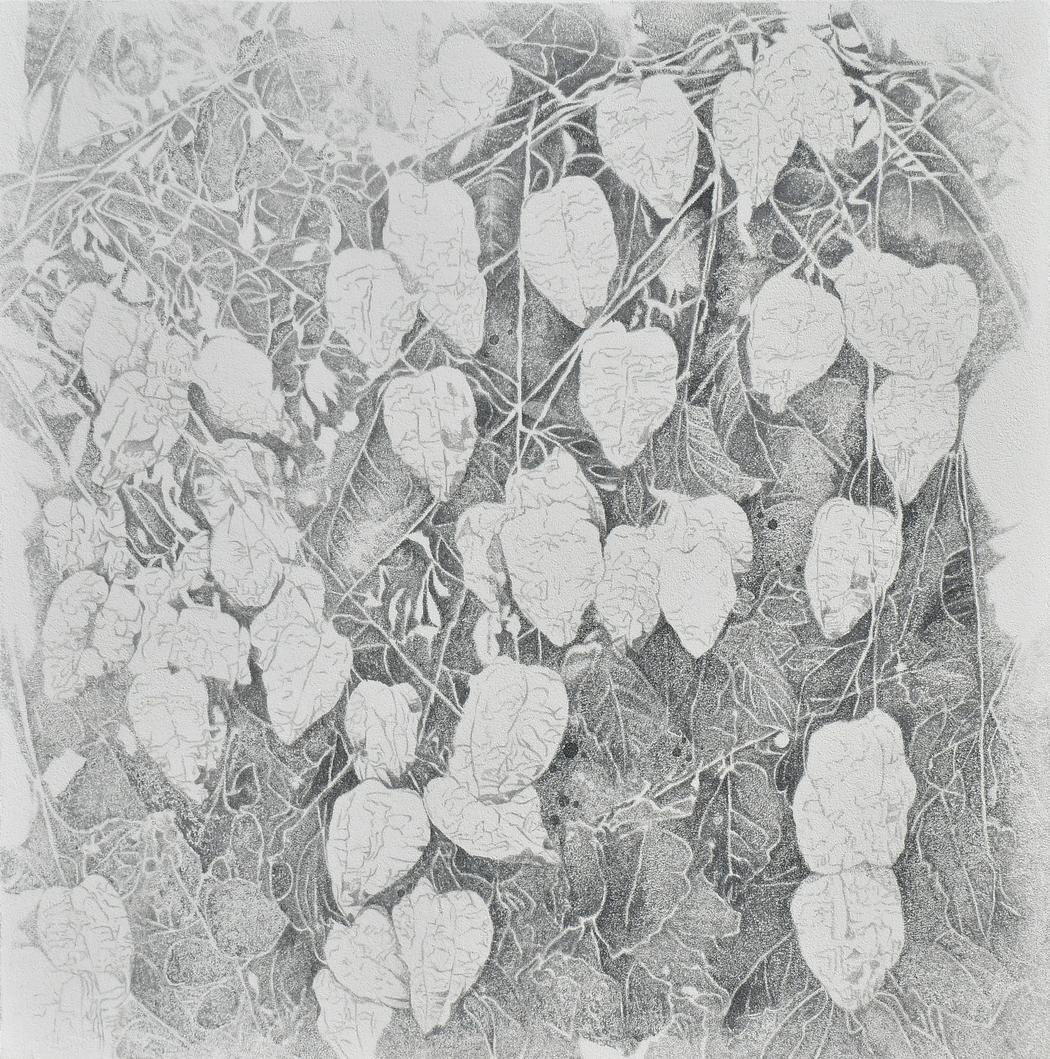
I see trees not merely as subjects in a landscape, but as living beings with their own qualities and symbolic meanings.
The golden rain tree led me to contemplate seeds that travel with water currents and eventually settle in new places.
This movement evokes departure, settlement, and encounters with unfamiliar worlds.
The Chinese parasol tree makes me think of integrity, dignity, and the importance of living according to one’s principles.
Through this tree, I reflect on honesty and the need to maintain an inner sense of direction in contemporary life.
In Abeliophyllum, I explore the subtle relationship between what is visible and what remains unseen.
I believe that the full meaning of existence cannot be explained by outward appearances alone.
Although these three trees differ in form and character, they share the fundamental condition of being alive.
Through observing them, I explore the diversity of nature and the individuality of each living being.
Together, these trees embody my questions about life, ethics, and how different beings can coexist.
 JINLEE PARK | Breath–Fluttering Wings | 2025
You connect seeds travelling along water with human experiences of departure, encounter, and belonging. Has a particular experience in your own life shaped your understanding of these journeys?
The seeds of the golden rain tree travel with water currents, carrying the possibility of taking root in unfamiliar places.
In their journey, I see a reflection of human migration and the search for belonging.
Leaving one’s homeland means moving away from familiar surroundings, relationships, and memories.
At the same time, it can open the possibility of building new relationships and creating a home elsewhere.
My reflections have also led me to consider the history of Korean immigration to Hawaii and the broader experience of diaspora.
Just as seeds take root in new environments, people continue their lives within different cultural landscapes.
These journeys may involve uncertainty and hardship, but they also hold the possibility of encounter and hope.
The blue tones in my work evoke movement, acceptance, understanding, and harmony.
I believe it is more important to understand and accept differences than to exclude others because they are different from us.
Through the journey of a seed, I hope to express the possibility of a world in which diverse people and cultures live together.
Healing has appeared repeatedly in your exhibition titles. Has your understanding of healing through art changed over the years, and what kind of experience do you hope your paintings offer viewers?
For me, healing does not mean erasing a wound or completely forgetting the past.
It means acknowledging the wound and discovering the strength to continue living with it.
When I created The Wind Blows, I was seeking hope and the strength to begin again through my connection with nature.
Over time, observing nature has taught me that healing often begins in small, quiet moments rather than through extraordinary events.
A leaf moving in the wind or the stillness of a tree can encourage us to look at life more slowly.
I express these sensations through the textures of stone powder, the gradations of ink, and the traces of repeated dots.
The act of painting itself has become a way for me to reflect inwardly and organize my emotions.
I hope viewers will pause in front of my work and take a moment to look within themselves.
I would be glad if my paintings awakened personal memories and emotions or offered a quiet sense of comfort.
Ultimately, I believe healing begins when we learn to see ourselves, others, and the world in a new way.
 JINLEE PARK | The Wind Blows | 2019
Alongside your studio practice, you have remained active in art education and community cultural life. What have these exchanges taught you that you might not have discovered through painting alone?
Art education and community activities have shown me that art can connect people beyond individual expression.
The people I meet through teaching bring different experiences, emotions, and ways of seeing the world.
Even when looking at the same subject, each person discovers something different.
I have come to see these differences not as shortcomings but as expressions of each individual’s unique perspective.
Teaching has taught me that art is not about finding a single correct answer; it is about helping people discover their own ways of seeing.
Creating art together also opens opportunities for dialogue among people of different generations and backgrounds.
Community activities have shown me how art can bring comfort and renewed energy into everyday life.
These experiences have deepened my respect for the lives and perspectives of others.
They are closely connected to my artistic exploration of the diversity of life and the importance of coexistence.
I hope to continue using art to support both individual growth and a stronger sense of community.