
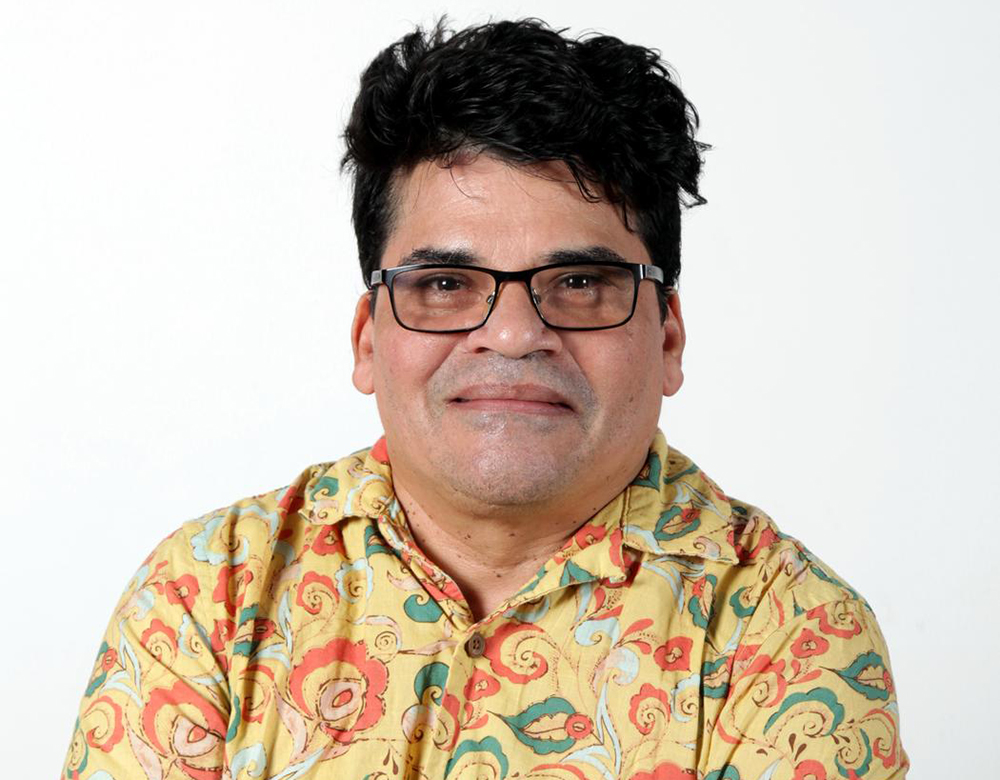
Jose Evangelista
You were born in the Dominican Republic and now live in Portugal. How has living across different cultures shaped your understanding of belonging and its expression in your art?
Since I was a child, I have been used to changing places. Before Portugal, I was living in Germany, but getting used to another country takes time while your mind remains dual. Now, my country is where my feet are, and my heart is in my chest. I want my art to be as universal as humans are, not limited to a location; people everywhere feel the same. Also, I love changes because I have found new tools to work with for my “Trash-transform” project in Portugal.
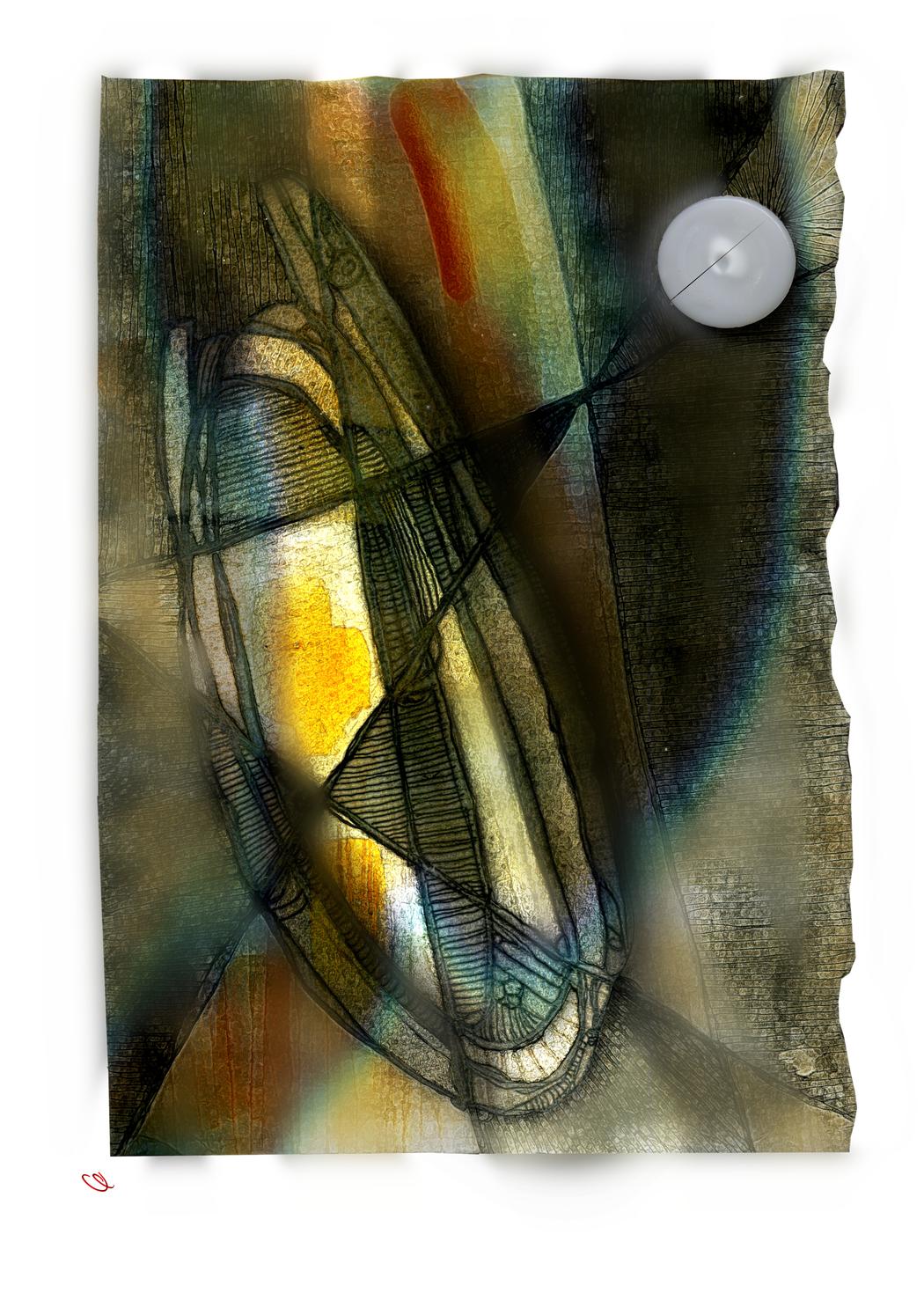
Your background includes architecture and production design. How does this experience influence the way you construct space, depth, and movement within an image?
Maybe because architects see life in three dimensions, I adopted a point of view from a French friend who writes about my videos. He said that my artwork is a space you pass through, and once you do, your mind is never the same again.
Many of your projects begin with real people whose lives receive little public attention. How do you translate their personalities and experiences into abstract forms while preserving something essential about them?
My work is, in some way, figurative but abstract: a collage and synthesis of techniques, objects, words, and stories. The way I translate these elements into real people (anonymous characters) is through color, shape, movement, sound, and light. Video is a perfect medium for this and can be experienced in so many different ways and on so many platforms these days.
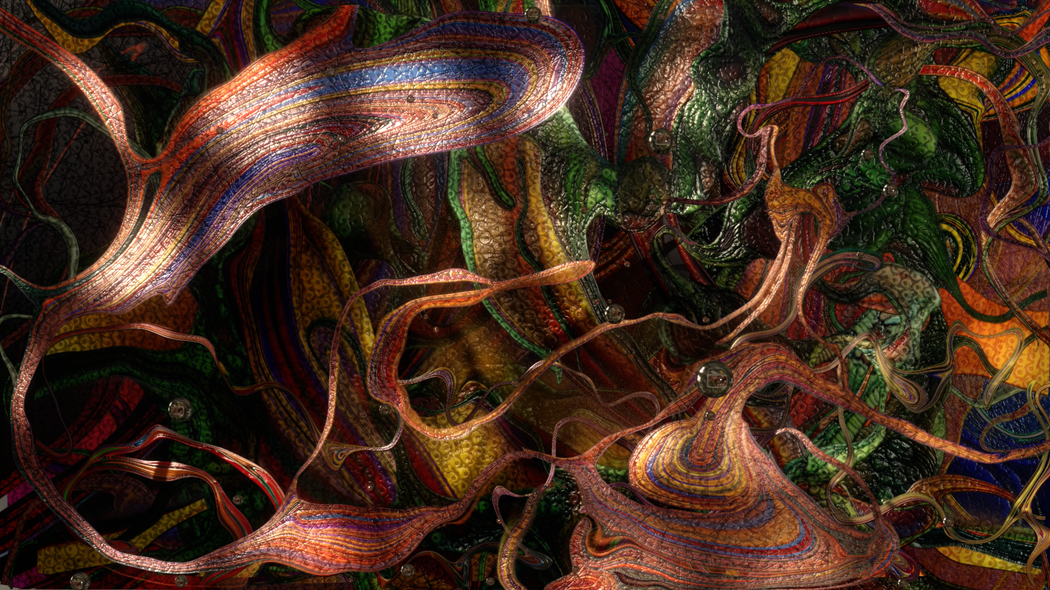 Jose Evangelista | Chelsea
In the description of ROD, Rodrigo lives in a perfect bubble but still needs to dig to survive. What does this bubble represent, and how did you translate that idea into the work’s visual elements?
In ROD’s case, he wants a perfect, ideal life, which is wrong because it is not reality. As I showed in the video Prison “C”, he digs while life passes by.
In other works, I use the bubble not as an isolation tool, but more as a medium for the introspection process, far from life’s noise and words.
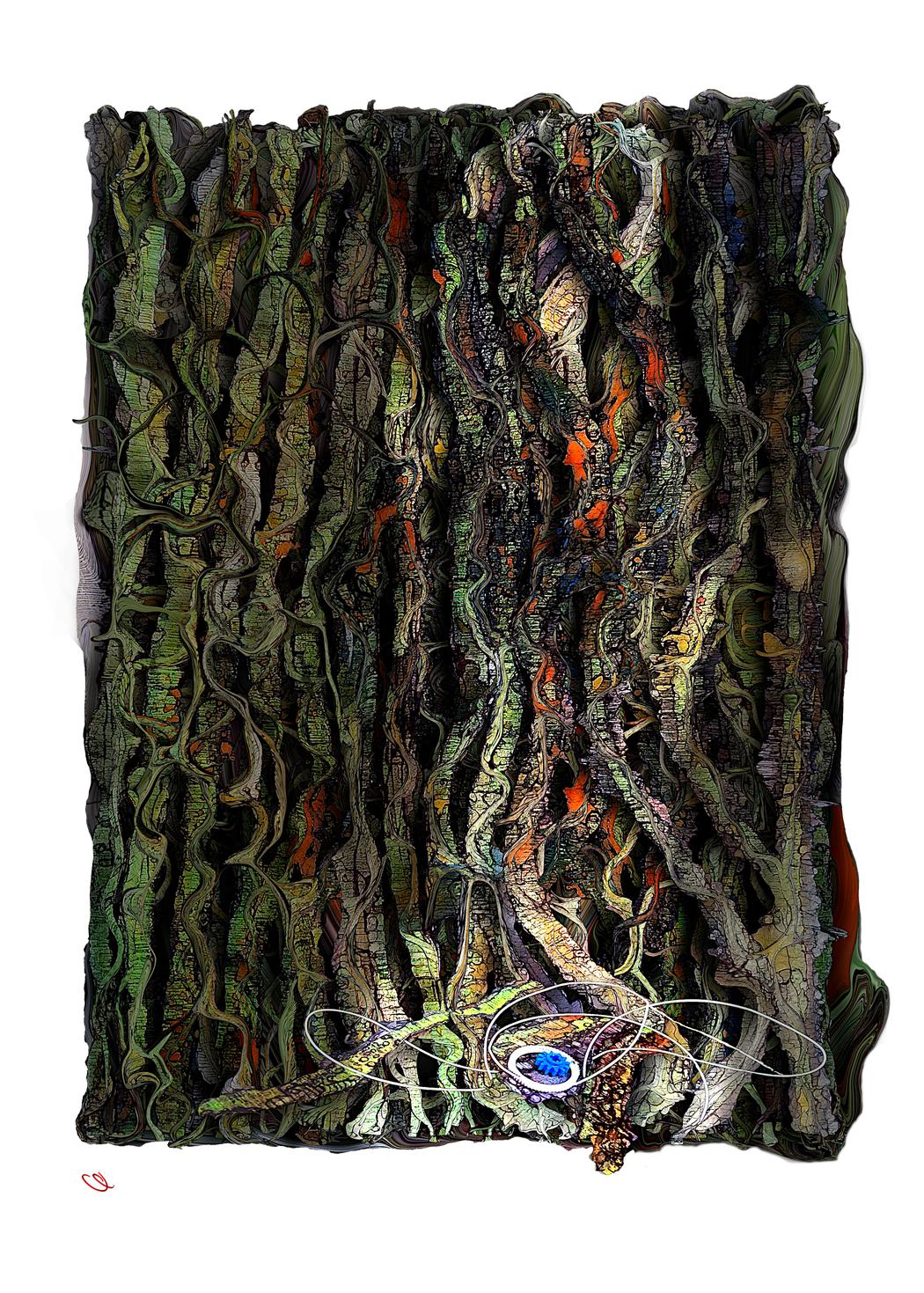
Some of your images reveal intricate detail, while others use soft focus and blurred spaces. How do you use light, focus, and viewpoint to guide the viewer’s exploration of a work?
Normally, it is a journey (Periplus) of my character named TOK_KYO, who represents the best of what a human can be and guides us to a place (nowhere). Sometimes in focus, sometimes out of focus, it may let the viewer see what they want to see.
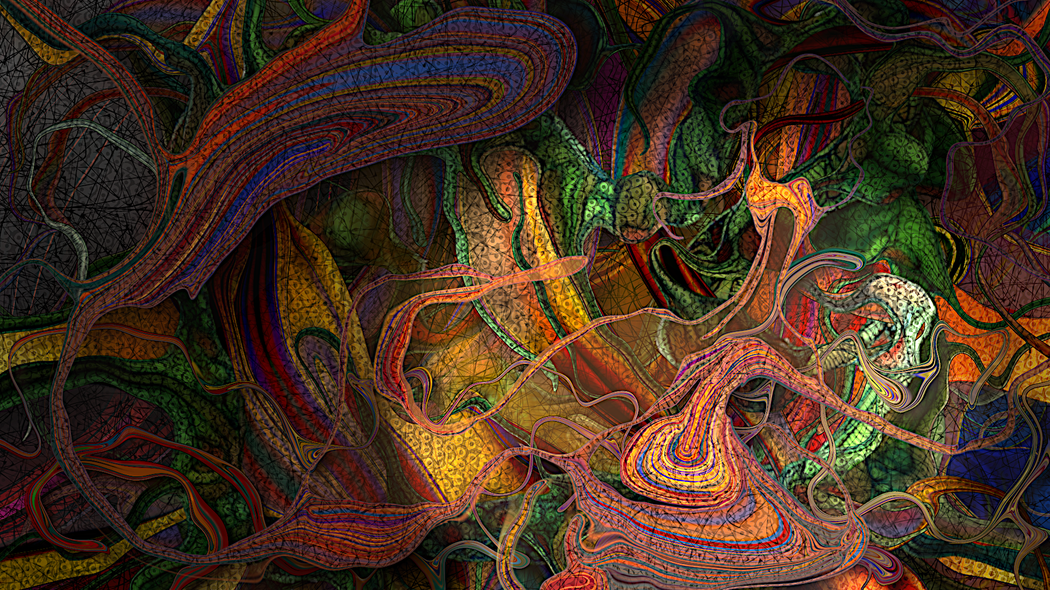 Jose Evangelista | Chelsea
You describe making people happy as an important purpose of art. What kind of happiness do you hope to offer through works that also explore vulnerability, isolation, and personal limitations?
My work is never about isolation, nor does it explore vulnerability. It is more about encouraging people. Sometimes it is very colorful, explosive, and immersive, reminding people that the general pessimism of these days will pass and new challenges will come.
My idea of art is to create peaceful moments where two people can talk and share in front of a piece, or where children can play, explore, and touch…
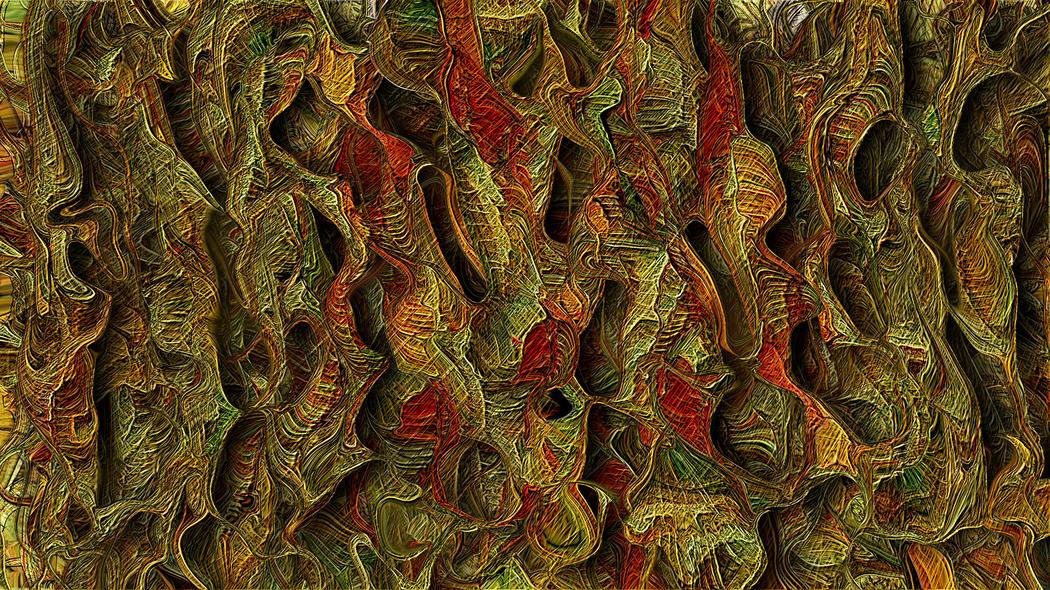 Jose Evangelista | Altamira
You have written that art does not need to be eternal and that the experience of the present moment matters. What would you like viewers to carry in their memory after encountering your work?
Life continuously changes. As we see today, there is another way to see art. Maybe someday there will be more than the Mona Lisa, a Picasso, etc.
I do not have many expectations. Maybe people will have an interior and immaterial experience; maybe it will touch them deeply, or they will simply feel the joy of life. I like what I do. It makes me happy.