Irina Rezwan
How did your artistic practice begin, and what drew you to exploring painting, murals and everyday objects?
Drawing has been part of my life for as long as I can remember, maybe even before I learned to write. I think I started by scribbling on the walls at home with crayons. My mother always encouraged me to keep drawing, just not on the walls of the house. Painting on objects in a way is like marking my territory with my drawings. I like the objects around me to be customized and fun.
As a Bangladeshi artist based in Bangkok, how do your cultural roots and your current surroundings influence your work?
I grew up in a home where Bangladeshi culture and history were always discussed in depth. My parents listened to a lot of Bengali music, which taught me the beauty of self-expression. At the same time, much of the culture I grew up in placed a strong emphasis on shame and on meeting society’s expectations. I brought both sides with me to Bangkok. The good was the vibrant colours and the emotional depth. The bad was a constant guilt and the feeling that I had to censor myself to be a “good girl.”
Bangkok gave me a safe space to just… be, without worrying about how I’m perceived or whether I’m being disobedient. That safe space is where my creativity thrives most.
You describe seeing colours and patterns in memories, travels and emotions. Could you share an example of how one of these experiences became an artwork?
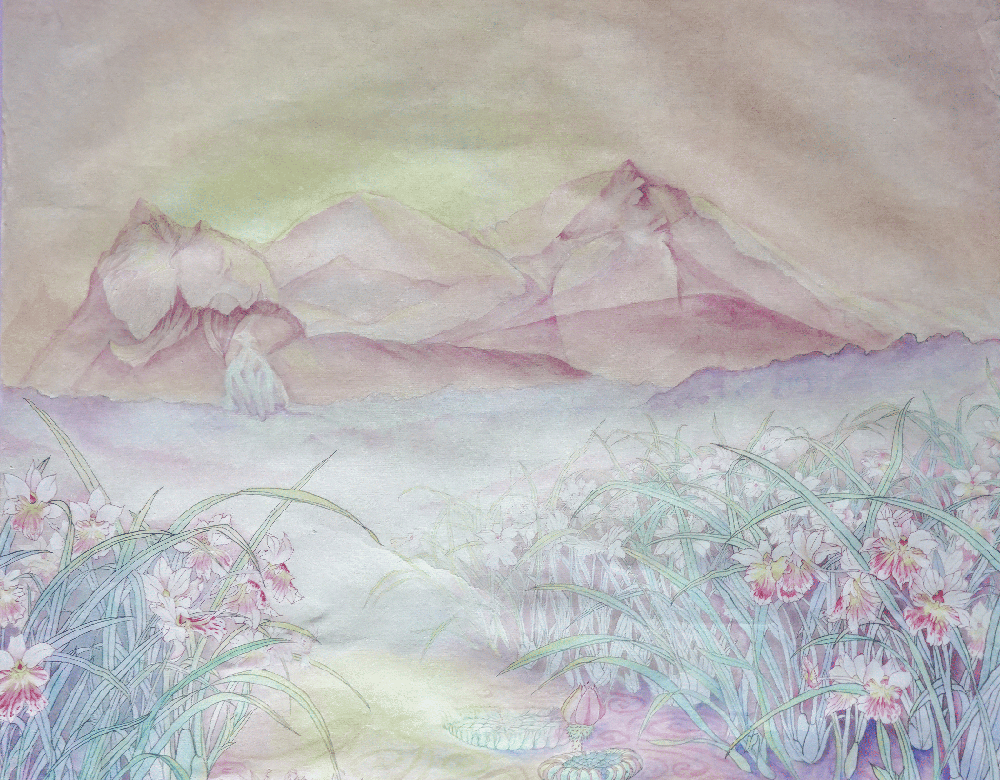
Certain songs take me straight back to childhood. They make me feel weightless, the way you feel floating in water. That feeling inspired two works from my series where does the mind go?: for a quick dip and for a deep dive. For me, that kind of calm will always be blue.
Your choice of materials seems closely connected to your mood. How do you recognise whether a feeling needs to become a painting, a clay figure or something else?
I write my feelings down whenever I can, in the notes app on my phone, in my journal or on loose sheets of paper. As I write, my mind starts to wander and images form in my head. Some of them make it onto a canvas, some stay as notes, and some are simply… forgotten.
What first prompted you to begin Shame Less, and how did you choose the title for the series?
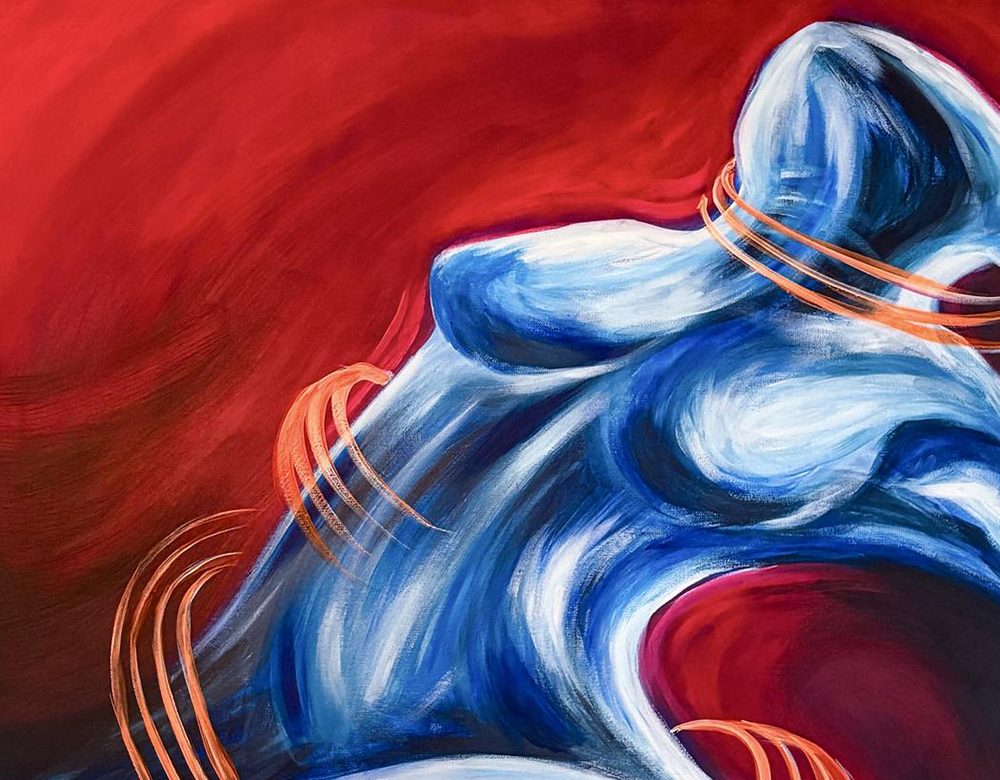
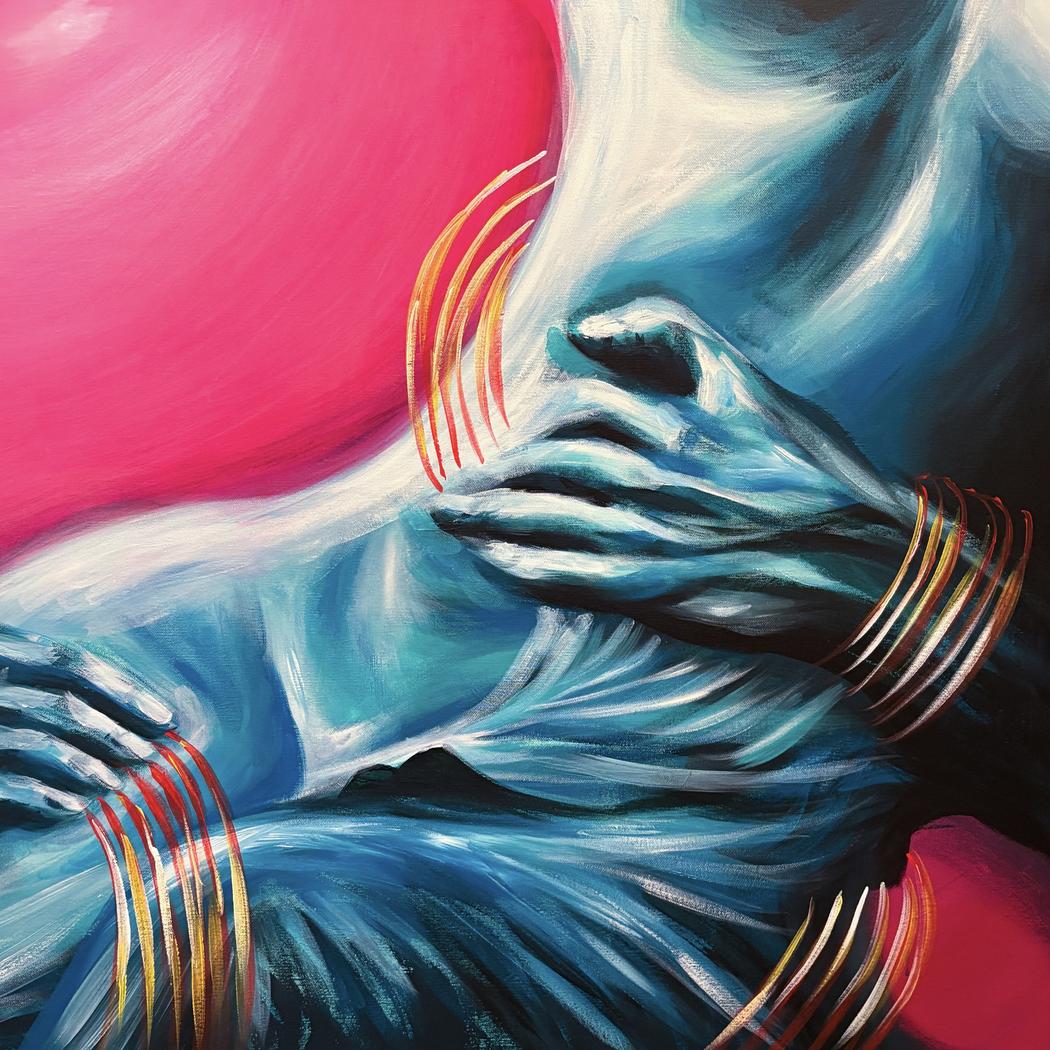
It started with a conversation with a friend. We realised that no matter how far we get from our conservative upbringing, we still feel a little guilty about how we dress or how we choose to live. Every time we enjoy the freedom we worked so hard for, there’s a line of obedience we feel we have to keep. In my paintings, I want to reject the shame I’m expected to feel. That’s where the title comes from.
You describe freedom from shame as a space you can visit but cannot yet stay in for long. How does this movement between freedom and guilt shape the series?
It’s a constant push and pull, and the series follows that. So far, I’ve focused on the phase where I feel completely free. The other phases are still unfolding: the tension, the clash with guilt, the slow process of unlearning. In a way, the series is moving at the same pace I am.
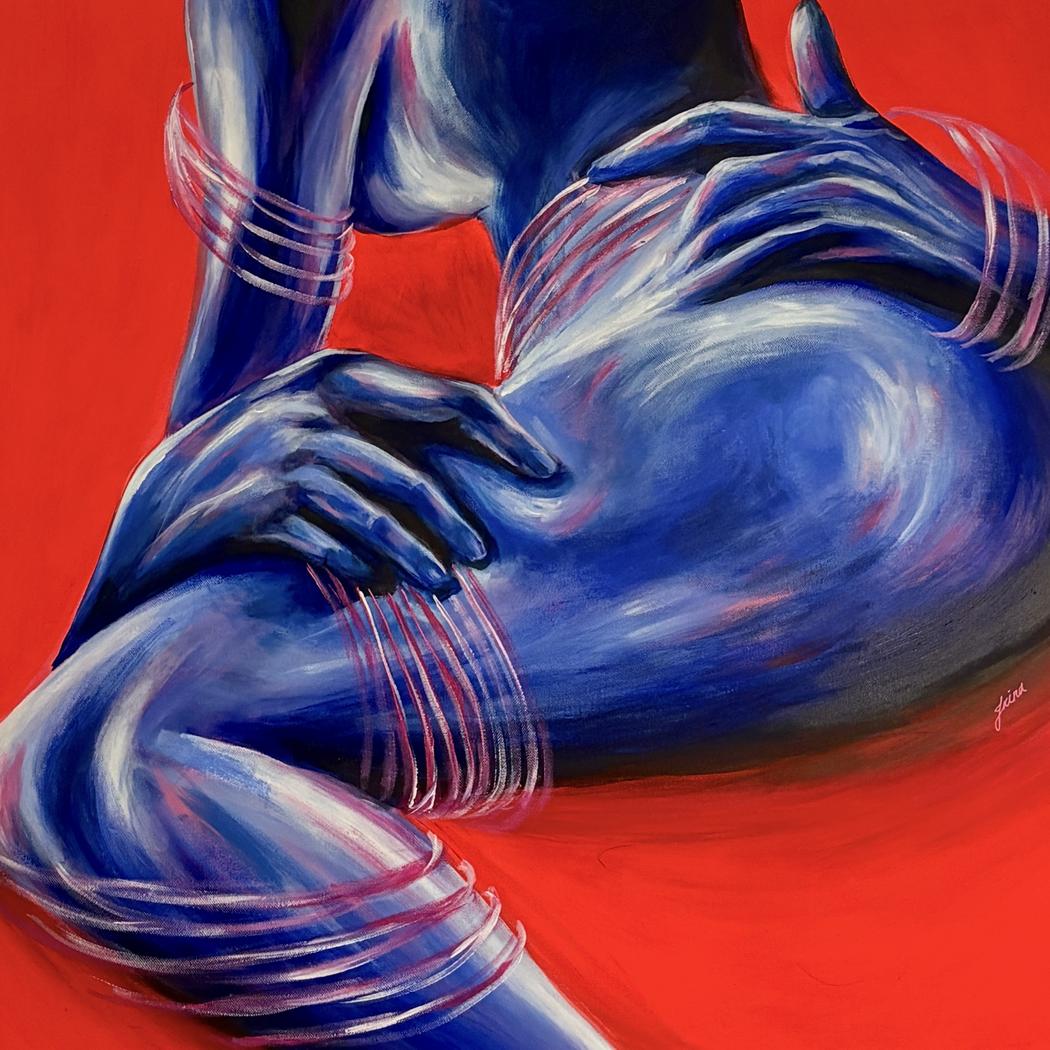
What would you like viewers to feel or question about their own lives when they encounter Shame Less?
I want women who feel what I feel to look at these paintings and recognise themselves. To feel seen, to feel heard, and maybe to feel a little less afraid of living outside the lines they were given.