Hyonjung Yoo
How did you begin painting, and how has your artistic approach changed over time?
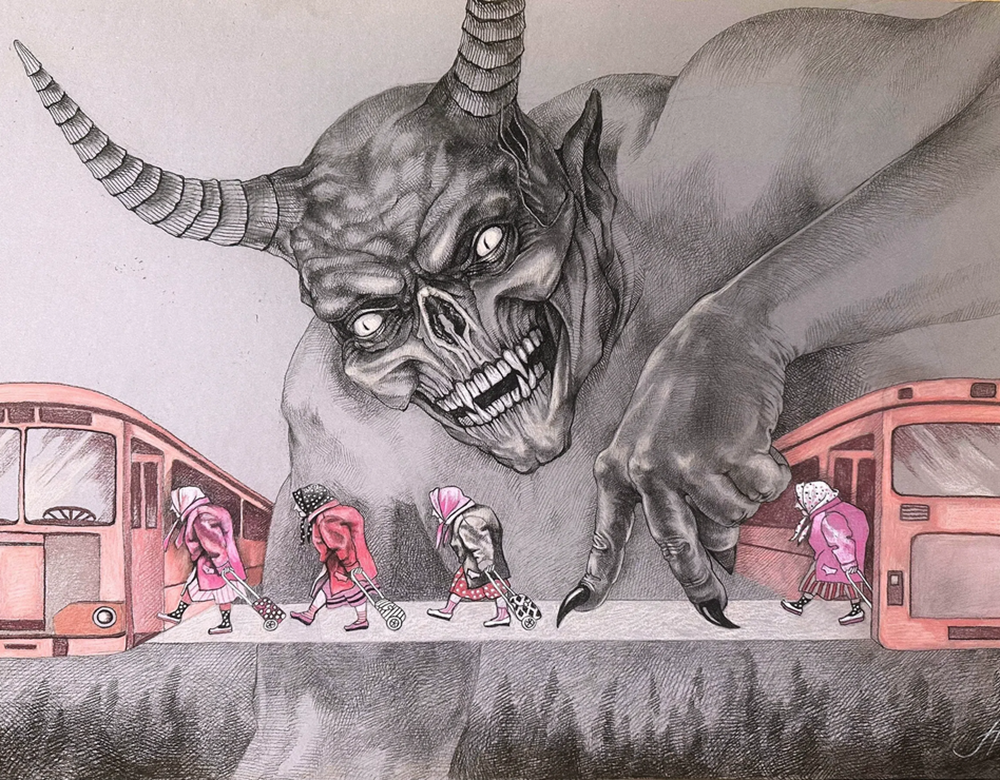
I have always had a desire for art: film, costume, and visual arts, especially pop arts. Movies. Music. I was so happy to see it, but since I had no art education, I lacked the courage and did not even try. Then the global pandemic hit, and since I couldn’t go out, I decided to try drawing. It’s happened to be listening to my favorite song on the radio, “Burracuda” by Heart, so I drew a wall to cover a hole. My older sister came over, saw my drawing, and said she loved it. Did you draw it? After asking, I encouraged her to keep drawing (she had studied art).
Then I did exhibition in Seoul, insadong. Was really happy, and I found my self and ego!
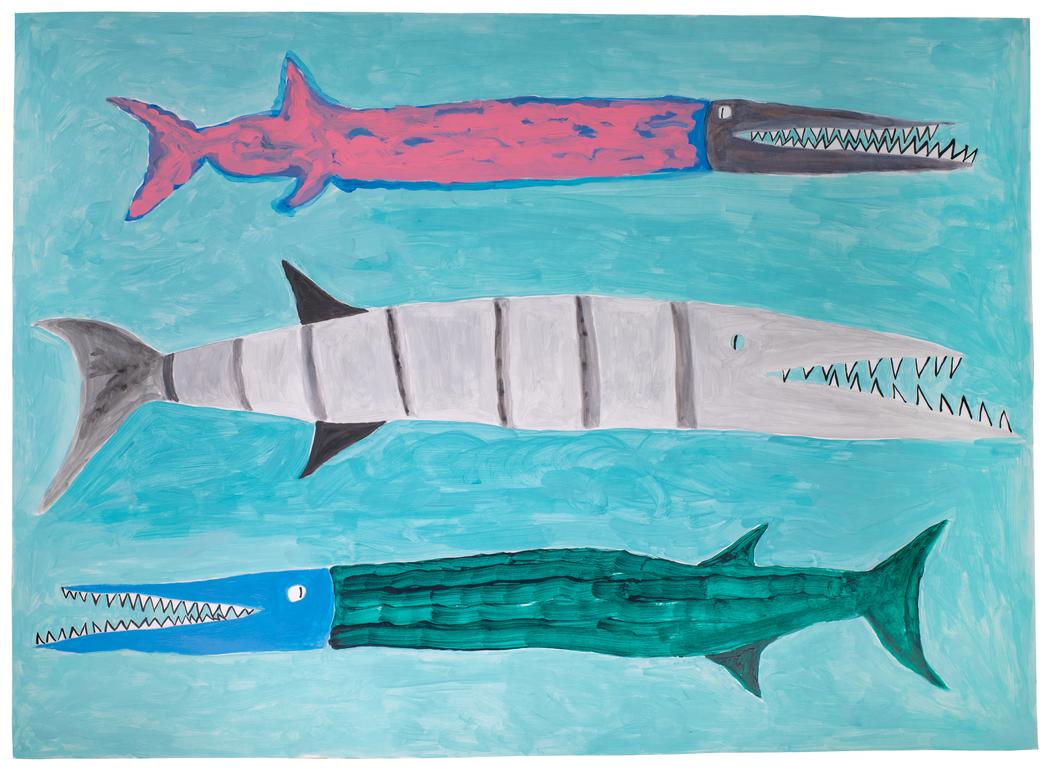
You mention that abstract painting did not suit you. What felt missing, and what did a simpler, more childlike approach allow you to express?
What felt missing,and what did a simpler,more childlike approach allow you to express? Instinctive and honest emotions—joy, fear, fun, longing—capture raw feelings that are conveyed instantly upon viewing, without the need for complex aesthetic explanation.
What does seeing the world through a child’s eyes mean to you as an artist?
Just as a child draws lines in a sketchbook without hesitation, translating the subject before us into an image is a process of letting go of calculation and rigid frameworks to return to the most honest version of oneself. It reflects the intention to simplify and capture the world’s scenery through my own perspective, offering visitors a sense of pure sight and mental rest.
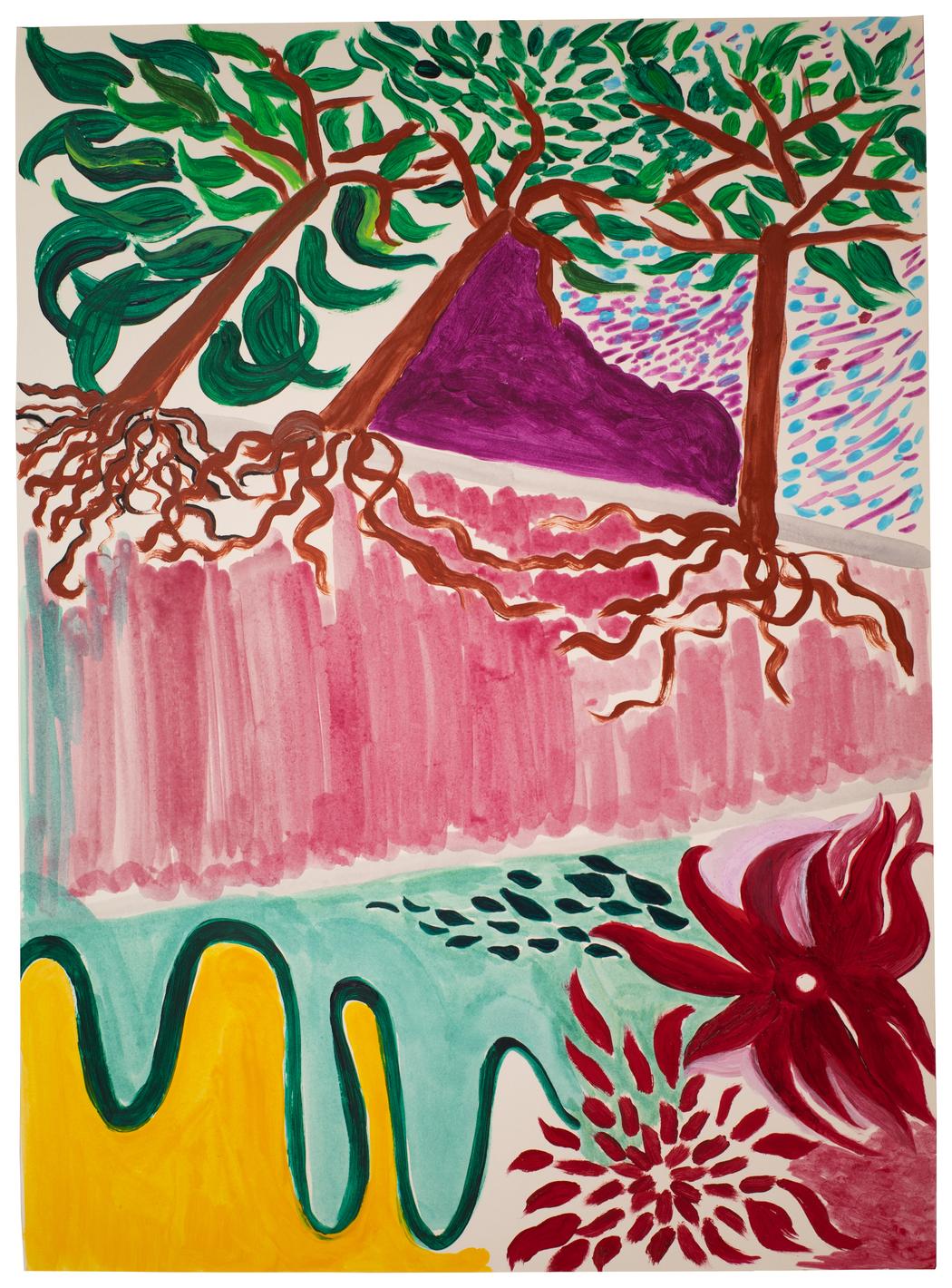
When observing nature, people, and everyday objects, what makes you want to turn a particular subject into a painting?
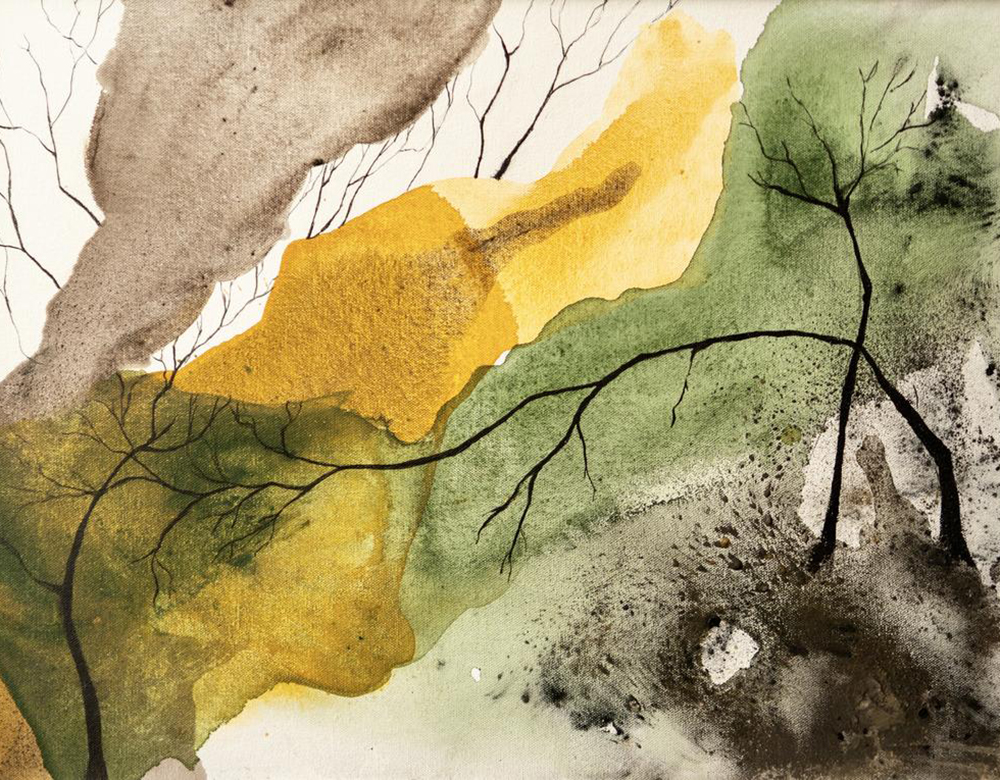
The reason I want to turn what I observe—nature, people, and everyday objects—into paintings is that, beyond the physical act of depicting and recording the subject, I wish to capture the inner emotions and essential warmth that arise at the moment of observation on the canvas.
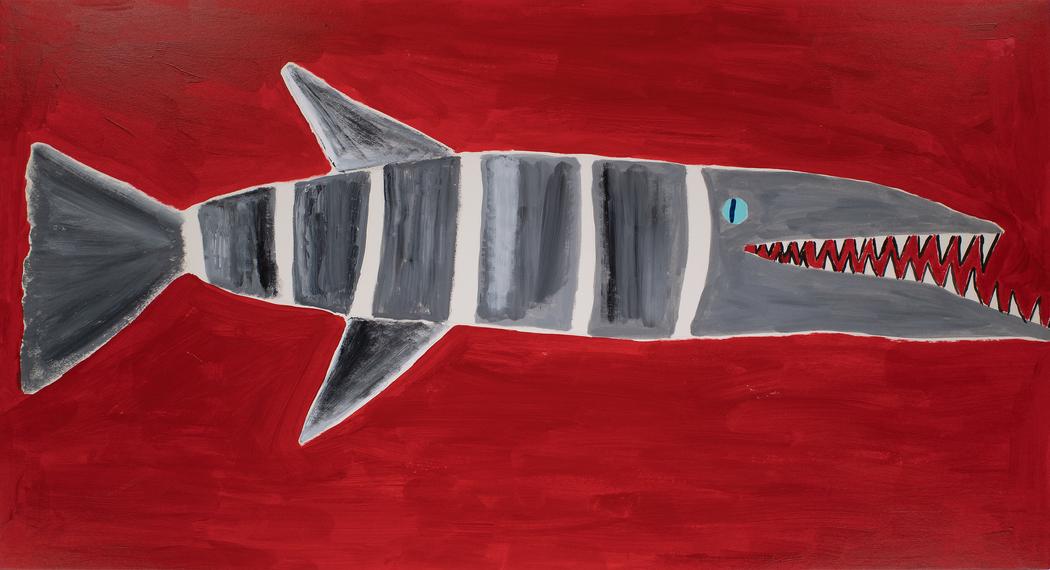
You describe wanting to reach a “pure world” through your paintings. What is this world like, and how do you try to bring it to life?
I deliberately reject calculated brushwork and artificial composition. Like a child’s doodle, drawing lines over a sketchbook without hesitation, I let go of the pressure for perfection when capturing the first line and color.
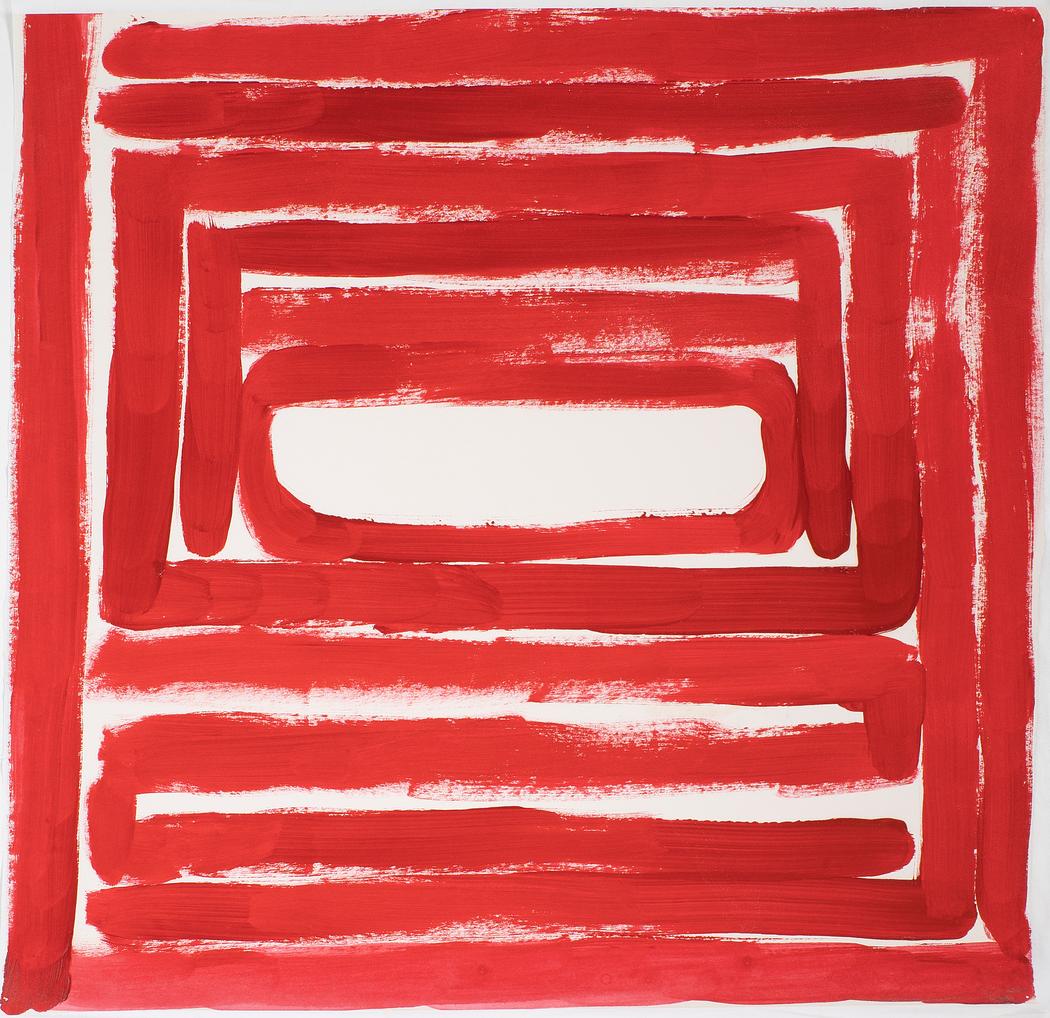
How do you decide which details to keep and which to leave out when simplifying a subject?
Leave only the most basic symbols and forms that allow viewers to recognize the subject intuitively.
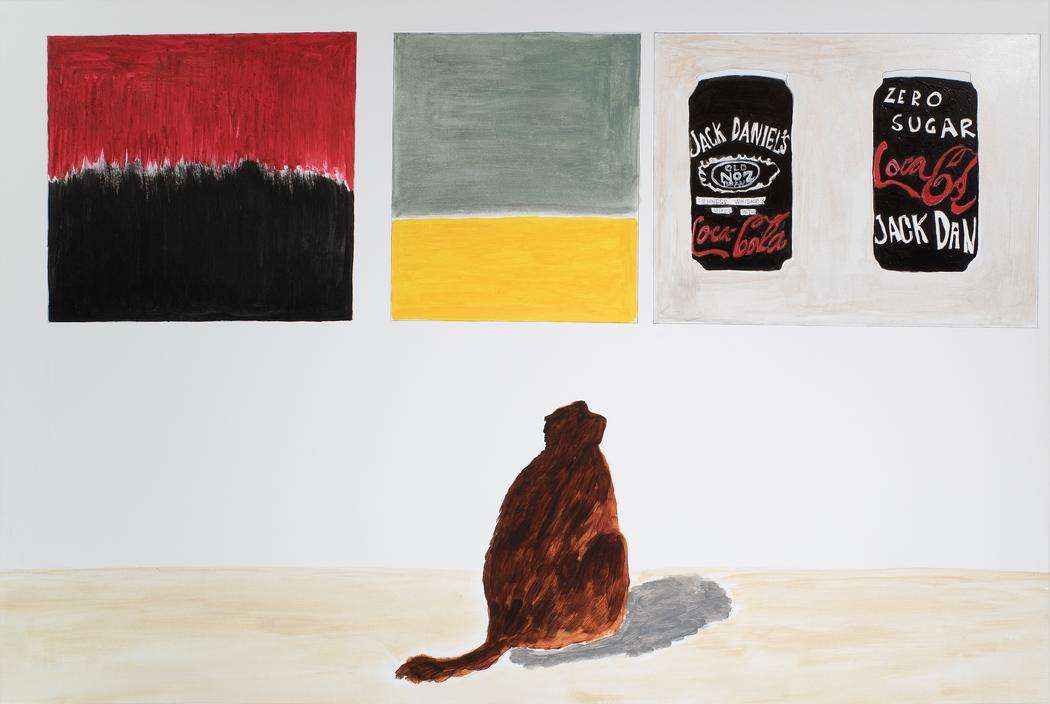
You say you want to draw viewers into your paintings. What kind of experience would you like them to have once they enter that world?
Framework of modern society and aesthetics, we are constantly required to analyze, seek meaning in, and evaluate the subject. However, in the world of my paintings, no historical knowledge of art or complex interpretations are necessary.
The moment the visitor stands before the painting, “What has it painted?” I want them to stop searching for a single correct answer and feel the freedom to let go of their minds without any prejudice, just as a child faces a sketchbook.