
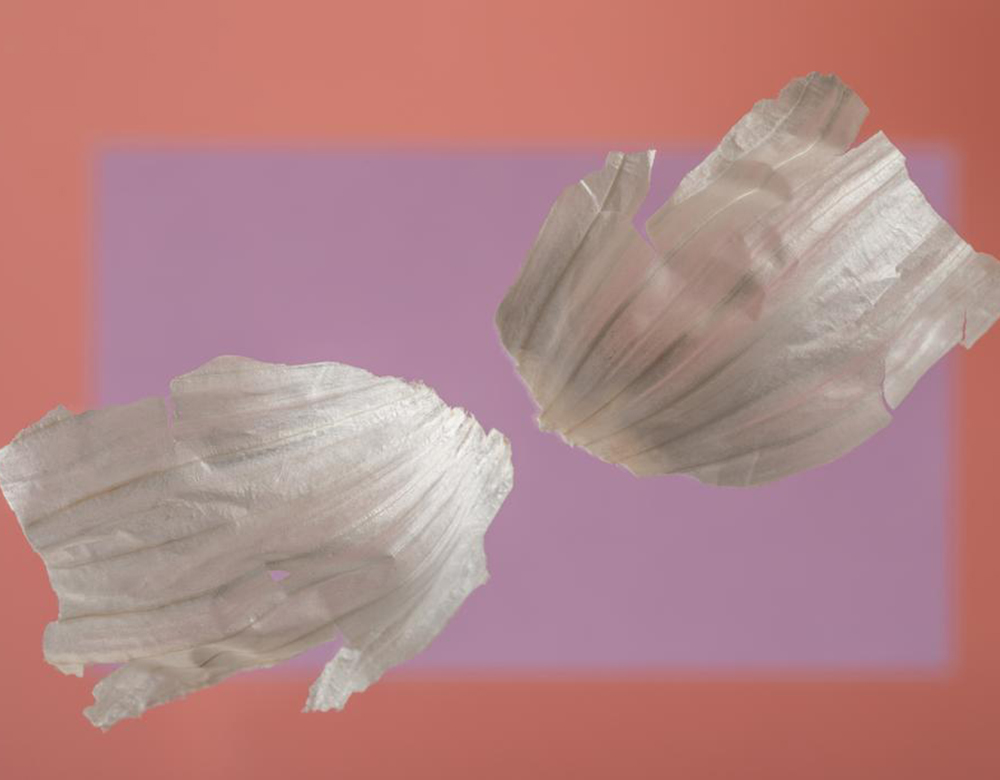
Vit Madr
You began making art in the 1980s. What first drew you to photography, and how has your approach changed since then?
I originally focused on oil painting, and I came to photography by chance. A camera suddenly ended up in my hands, and I wanted to learn how to use it. It completely captivated me; within a year, I had enrolled in a correspondence course in photography, and from then on, I was swept up in the world of photography.
Back then, photography was analog; working in the darkroom was part of the process. I shot on black-and-white film.
I really enjoyed experimenting. I used long exposures, fired flashes while shooting, and so on. I actually still like that style, though my approach differs now that I shoot digitally. That said, I still shoot analog as well—for instance, I have a project involving small, dried pieces of bread that I arrange into still life compositions.
Has your technical education influenced the way you plan or construct an image?
I’m originally a medical electrical engineer. But I soon changed careers and started working as an advertising photographer. I don’t think my technical background has much of an influence on my photography  Perhaps the only thing is that I have no trouble handling exposure metering and lighting setups. But then again, just about anyone can do that.
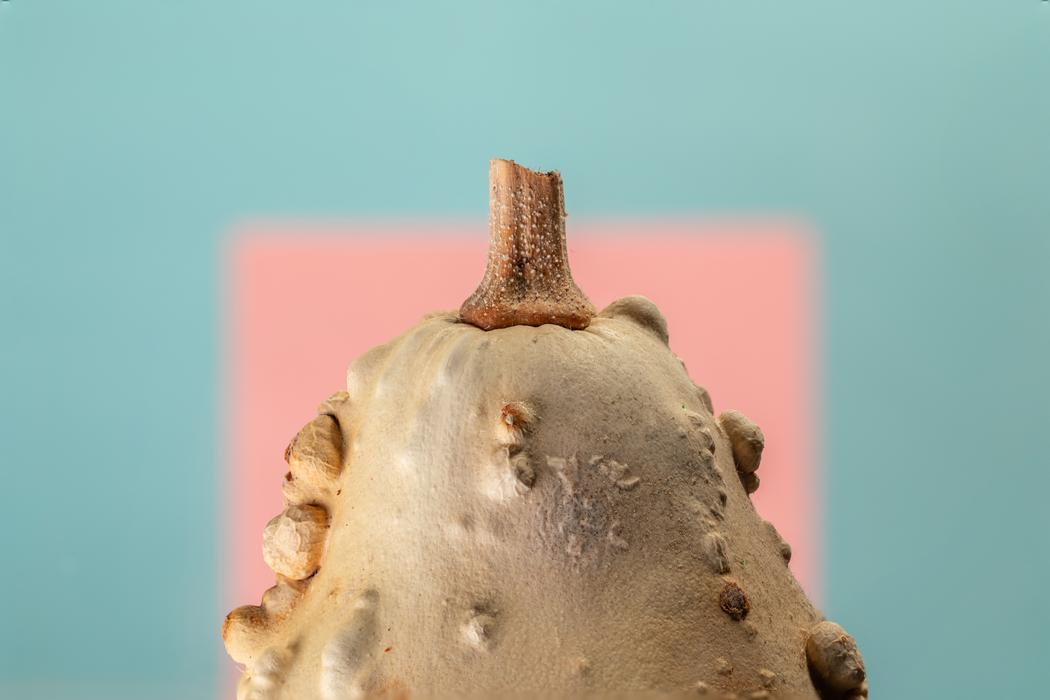 Vit Madr | Peak | 2026
You work as an advertising photographer. How does your approach change when you photograph for yourself?
I think I’m much more patient with professional assignments than when I’m working for personal enjoyment. With a professional job, I feel a greater sense of responsibility. Often, there is no possibility of fixing something. With independent studio work, however, that is usually not an issue.
What drew you to objects that were originally edible as subjects for your still lifes?
One of my professional fields is food photography. I love commercial food photography; I view food as an object from a gallery, like a sculpture. I really enjoy it. And from there, it’s a short step to taking a piece of food and thinking about how to portray it within my independent artistic work.
How do you choose an object: are you looking for a particular shape, texture, colour, or something less predictable?
After thoroughly drying the pieces of food, I look for interesting shapes and textures among them.
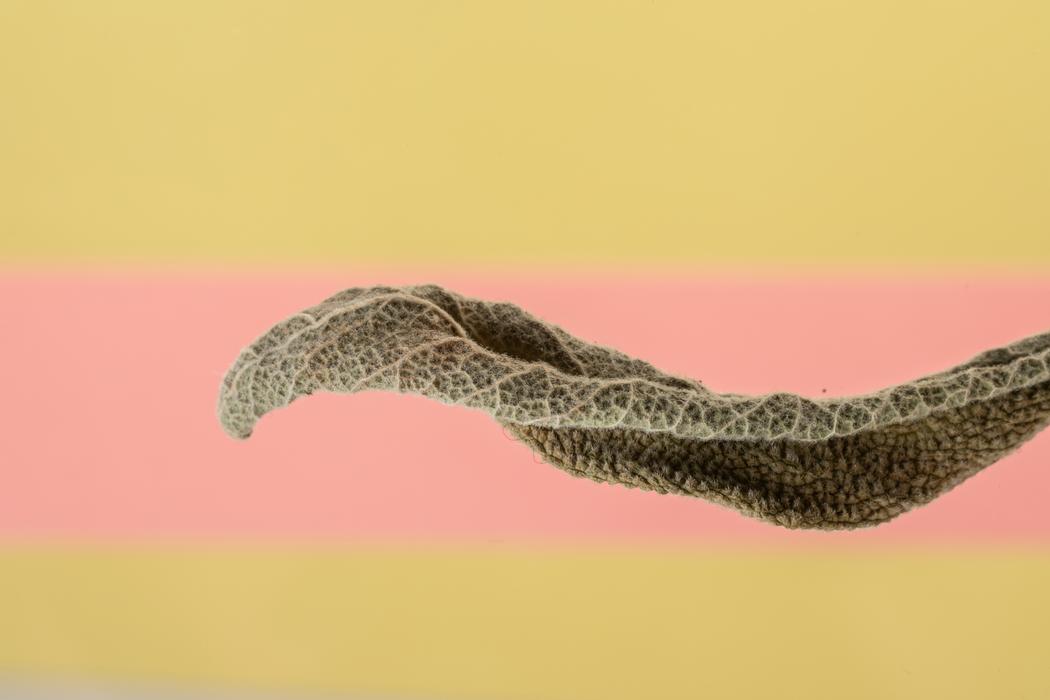 Vit Madr | Waiting | 2026
In these photographs, close framing makes familiar objects appear almost abstract. At what point does an object become interesting to you as a form?
I get excited when I can see a shape in the subject that—with a little imagination—might resemble something more concrete. Then I can tell myself there is a story within the photograph as well.
What would you like viewers to notice in an everyday object after seeing this series?
I believe there can be beauty even in seemingly unattractive or uninteresting objects—the kind that end up in the trash.