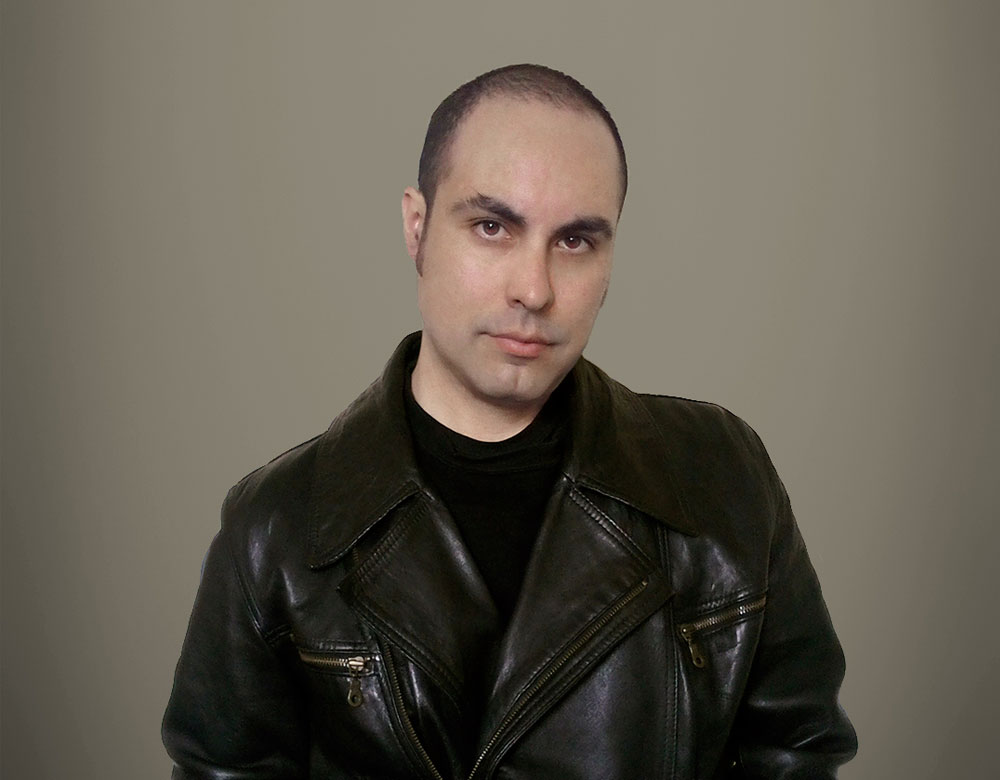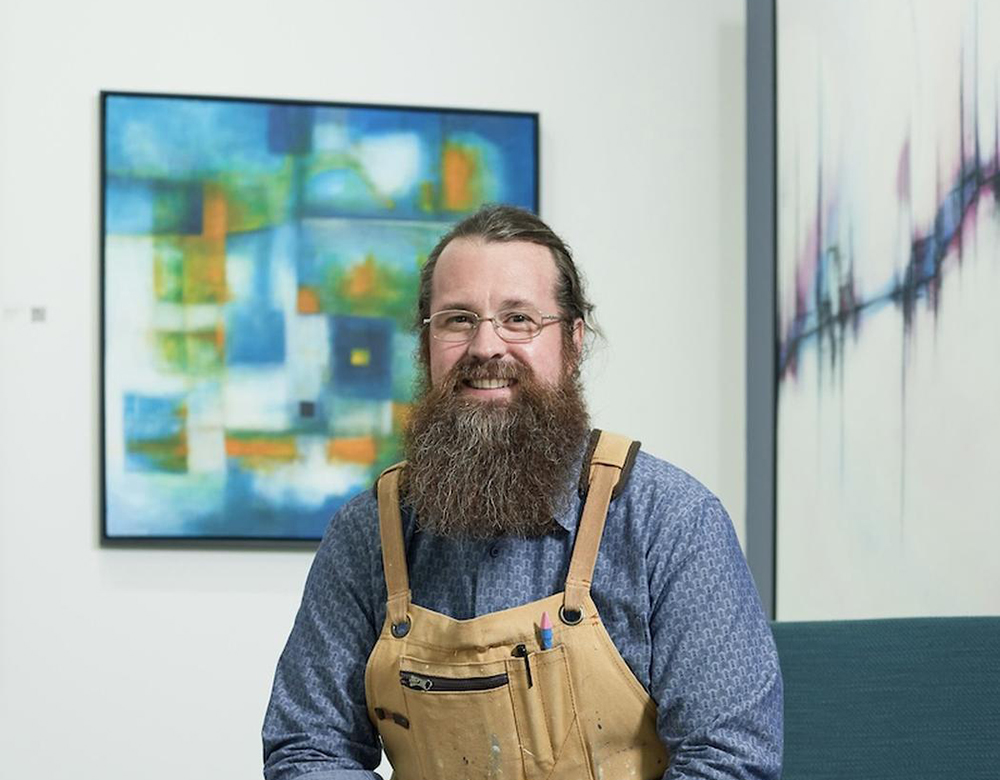
Zita Zádori-Gyapjas
You describe yourself as a self-taught artist with an early background in drawing and graphic arts. What ultimately gave you the confidence to embrace painting as your primary artistic path?
I believe that creativity has been with me since I was in the womb. It may have been passed down to me through the generations even before that. My maternal grandmother once wanted to run away with a painter, and when that dream did not come true, she had a strong wish that one of her daughters or grandchildren would pursue painting.
As long as I can remember, I have been drawing. One of my earliest memories is of drawing spiders in their webs and using them to “frighten” my family members. Later, other subjects and forms emerged, but I particularly loved drawing animals.
In primary school, several art teachers encouraged me to continue my studies in an artistic direction, but eventually life took me down a different path. Drawing remained a part of my life for a very long time. During high school and university, it helped me to unwind and disconnect from everyday life; I could retreat into my own little “magical world.”
Then a friend persuaded me to attend a watercolor painting workshop, where I met my current teacher. I found the watercolor technique so difficult that I decided to practice it precisely because of that. I believe it is one of the most challenging painting techniques.
I also experimented with various other forms of handicraft, such as ceramics, punch needle embroidery, and making table decorations. Creativity has always found a way to express itself.
The people who encouraged me the most were my teacher, my grandmother, and my therapist.
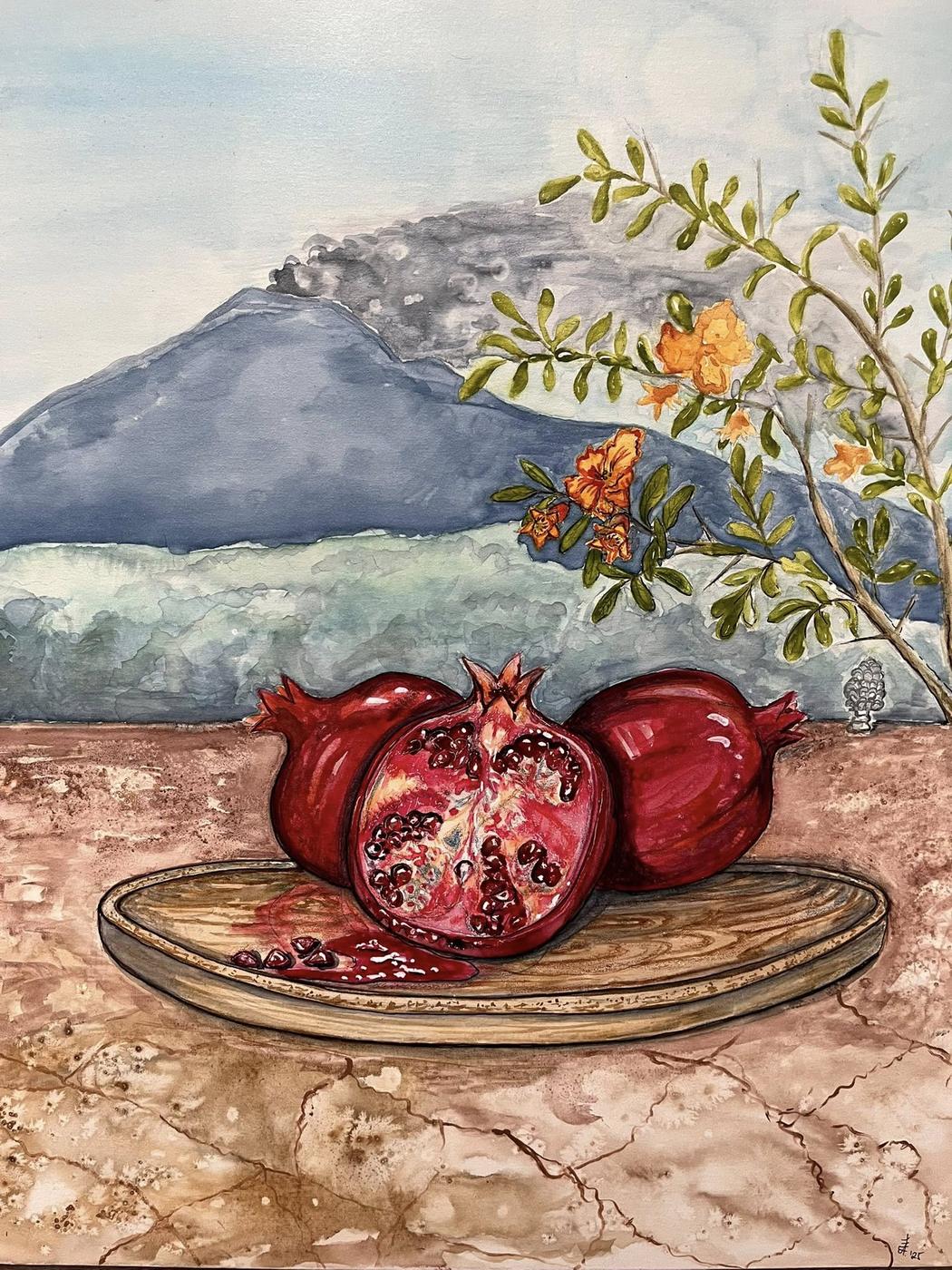 Zita Zádori-Gyapjas | Interplay Of Textures | 2025
You studied psychology and later worked with relaxation and symbol therapy. How have these experiences influenced the way you approach imagery, emotion, and symbolism in your paintings?
I have much greater access to my inner images now that I have experience with symbol therapy. I find it easier to navigate my inner world. I consciously allow myself to immerse in a particular feeling or intuition, and perhaps this makes it easier for forms and compositions to take shape.
The most difficult step was moving beyond the familiar genres of landscapes and still lifes and allowing myself to embrace something that had genuinely emerged from within me. This was the case with my painting Genesis, which grew out of a hospital experience.
For me, painting is a way of processing trauma.
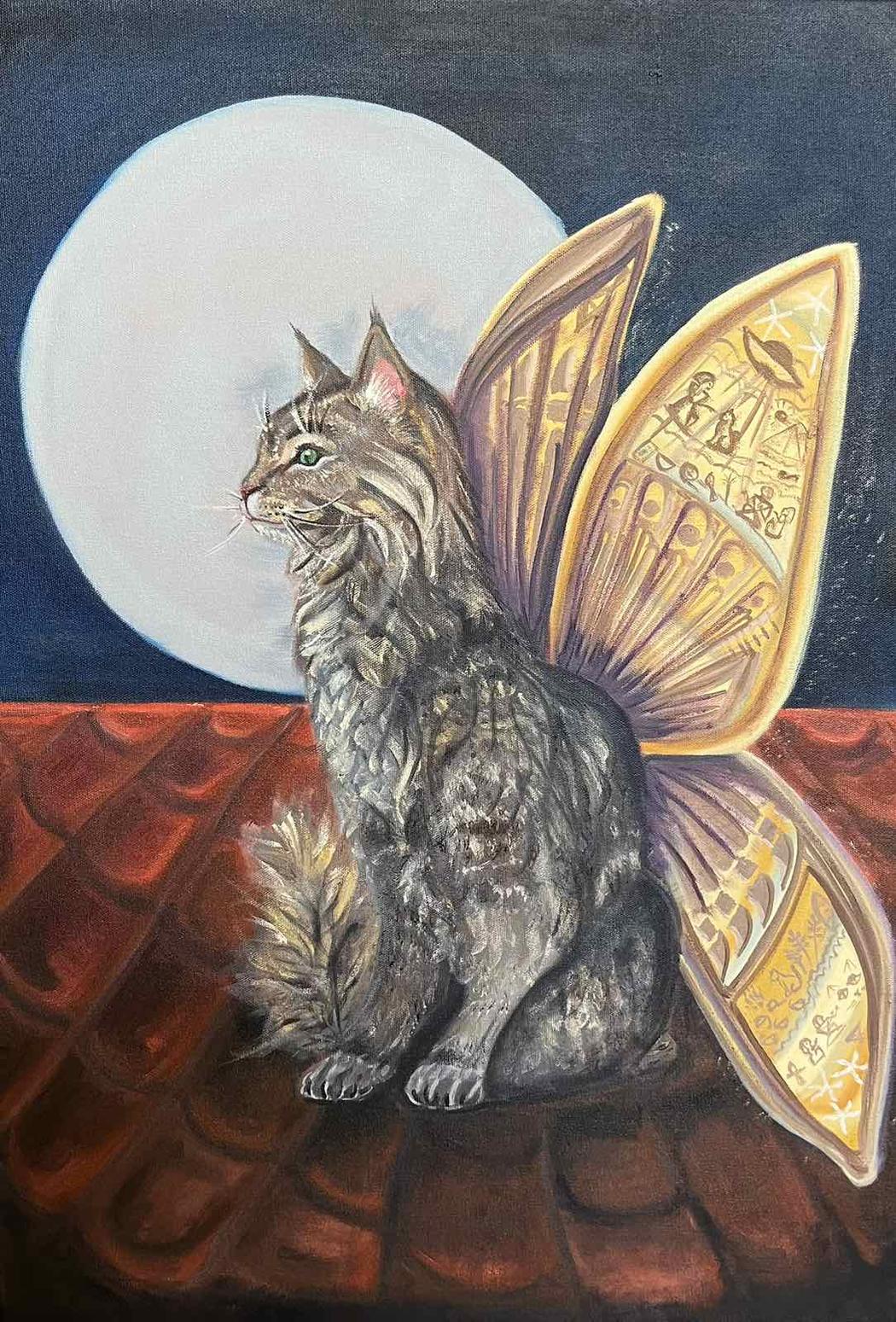 Zita Zádori-Gyapjas | Miaura | 2026
Alongside your artistic practice, you teach Hatha and Flow Yoga and take part in workshops combining yoga and painting. Do movement, breath, or meditative attention affect your creative process?
The creative process itself is also characterized by a state of flow, when I become immersed in the brushstrokes, and space and time cease to exist. I merge with the canvas and with the forms taking shape on it. This experience is very similar to what I experience in yoga, and even in mandala painting.
After painting, I feel much more centered and focused, just as I do after a yoga session. In our yoga and painting workshops, we try to convey this feeling to the participants as intensely as possible.
Fortunately, flow is present everywhere—in nature and in life. We try to connect with that flow.
The Mediterranean world occupies a central place in your practice. What does this region represent to you personally, and why do its landscapes, foods, and atmosphere continue to inspire you?
One of the most defining journeys of my life was to Sicily. I was captivated by its landscapes and sights, and by the vibrant life that exists around an active volcano. Mount Etna often appears in my paintings.
It is incredible how much diversity can exist on a single island—from black-sand beaches to almost white sandy shores, from rocky coastlines to golden beaches. The city of Catania and its surroundings have been covered by lava several times, yet the local people rebuilt their lives again and again, making use of the fertile soil and starting over each time.
The island has been occupied by different cultures throughout its history, which has made its culture so rich and diverse. There is a very strong will to live in that place, and I find these stories of renewal and new beginnings deeply inspiring.
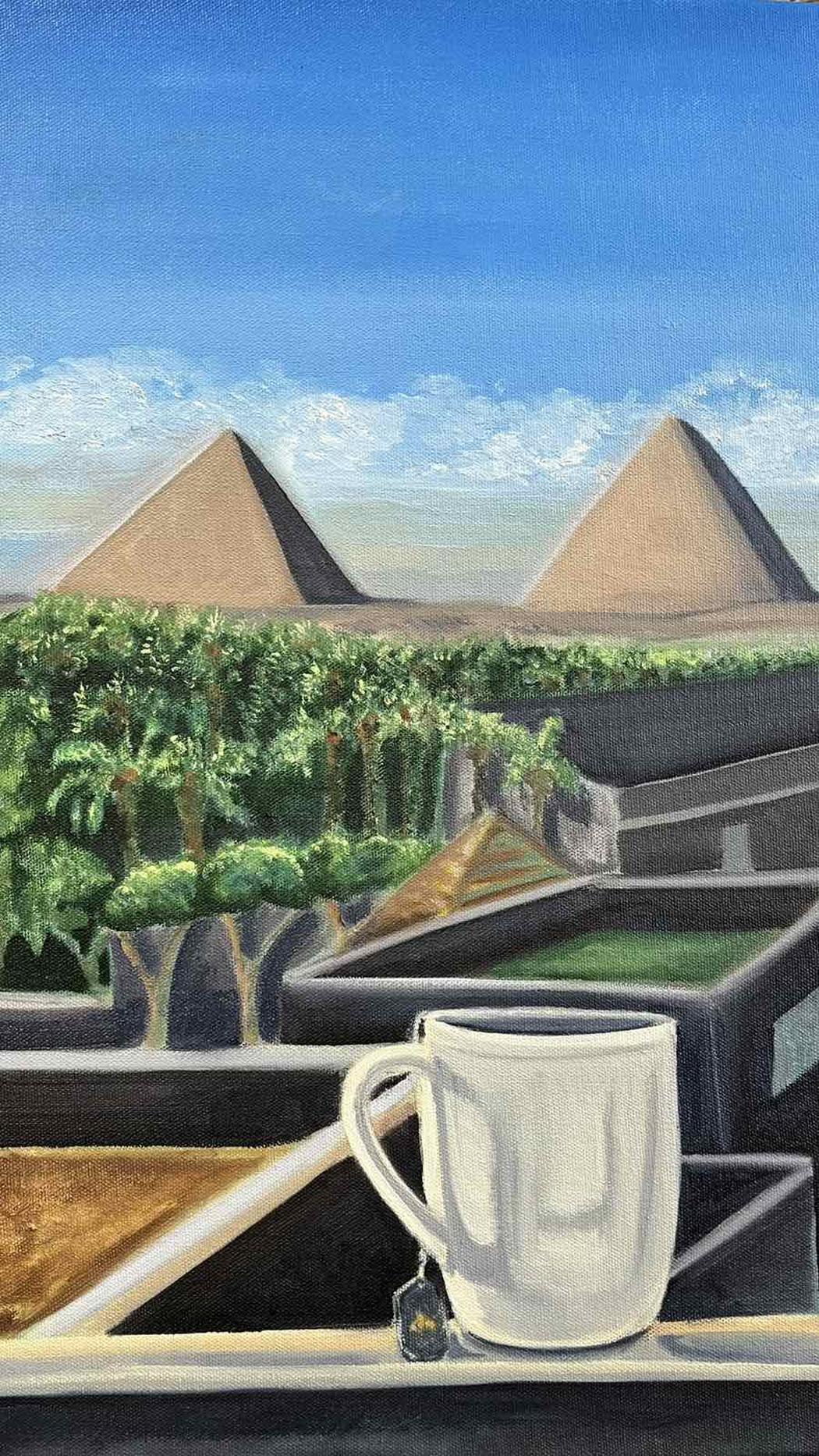 Zita Zádori-Gyapjas | Morning At The Pyramids
You have said that a painting often begins with an “inner vibration” – a memory, scent, or patch of light. How do you translate such an intangible sensation into color, composition, and form?
The inner vibration can be a mood or a feeling that I try to transform into visual material. In everyday life, I am influenced by the information that flows in through my senses, triggering both pleasant and unpleasant feelings. I try to examine these feelings within myself and translate them into forms.
These impressions then interact with my mind, and I may also incorporate my sense of humor and my individual worldview into the work. For example, in my painting Miaura, I explore the way I see cats through my inner eye, shaped by my own experiences with them.
Watercolor allows for looseness and unpredictability, while oil painting offers a slower and more sculptural process. How does each medium shape your decisions, and how do you determine which one a particular idea requires?
Unfortunately, I do not have as much time for art as I would truly like. Time is a major factor in determining what I create at any given moment. If I have at least three uninterrupted hours, I will usually work on an oil painting. If I only have one to one and a half hours, I tend to choose watercolor. And if I have just 45 minutes, I will reach for oil pastels.
Mediterranean scenes, which are usually associated with a peaceful and airy atmosphere, naturally invite watercolor for me. When a subject is highly figurative, carries more visual weight, or when there is something I want to emphasize strongly, I am more likely to work with oil paints.
I rarely run out of paintings to work on because new sketches and ideas are constantly emerging. I often work on several paintings at the same time and switch between different techniques simultaneously.
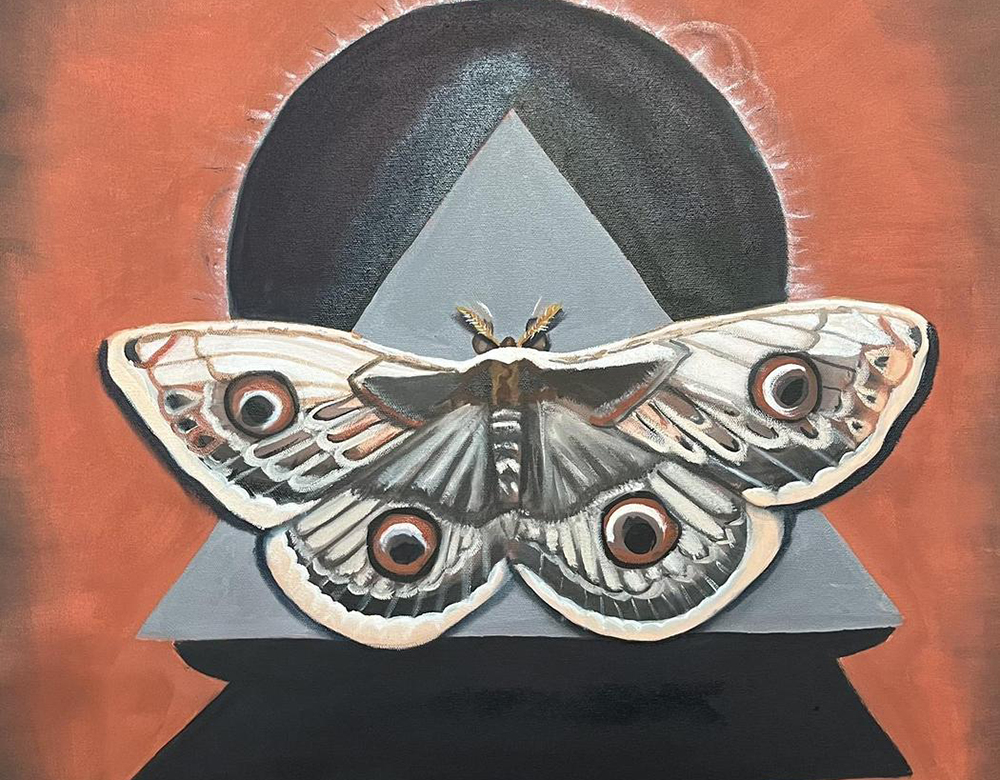
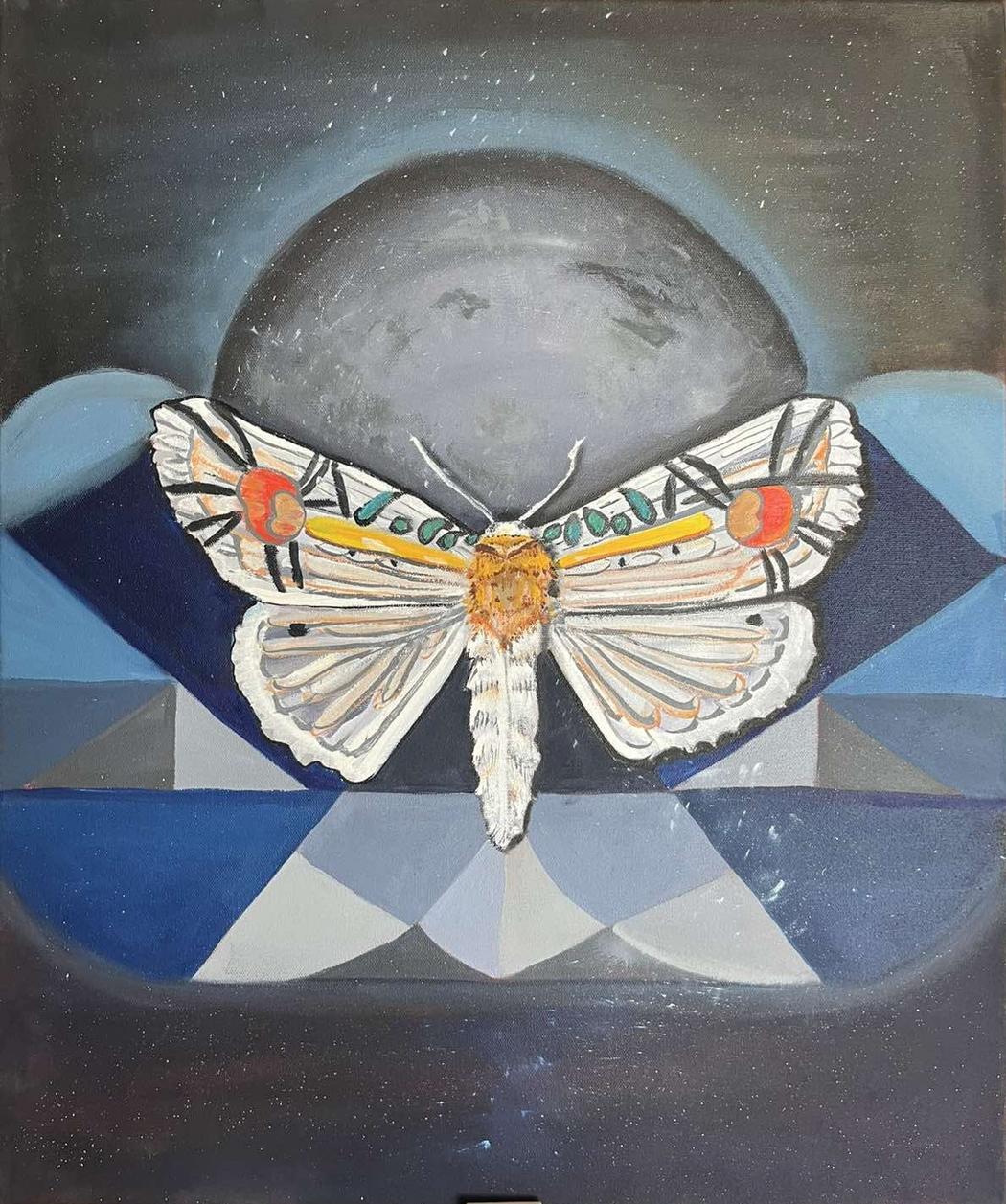 Zita Zádori-Gyapjas | Spacemoth | 2026
Your works move between Mediterranean scenes, observed landscapes, symbolic creatures, and cosmic or mythical imagery. Do you see these as separate directions, or as parts of one evolving visual world – and where would you like to take that world next?
My subjects will remain diverse, as I do not want to commit myself to a single direction
At the moment, my primary goal is to keep building, growing, and enjoying the fact that I have reached a point where I am confident enough to share my work with others. It is entirely possible that these different influences will eventually merge into a unique fusion.