
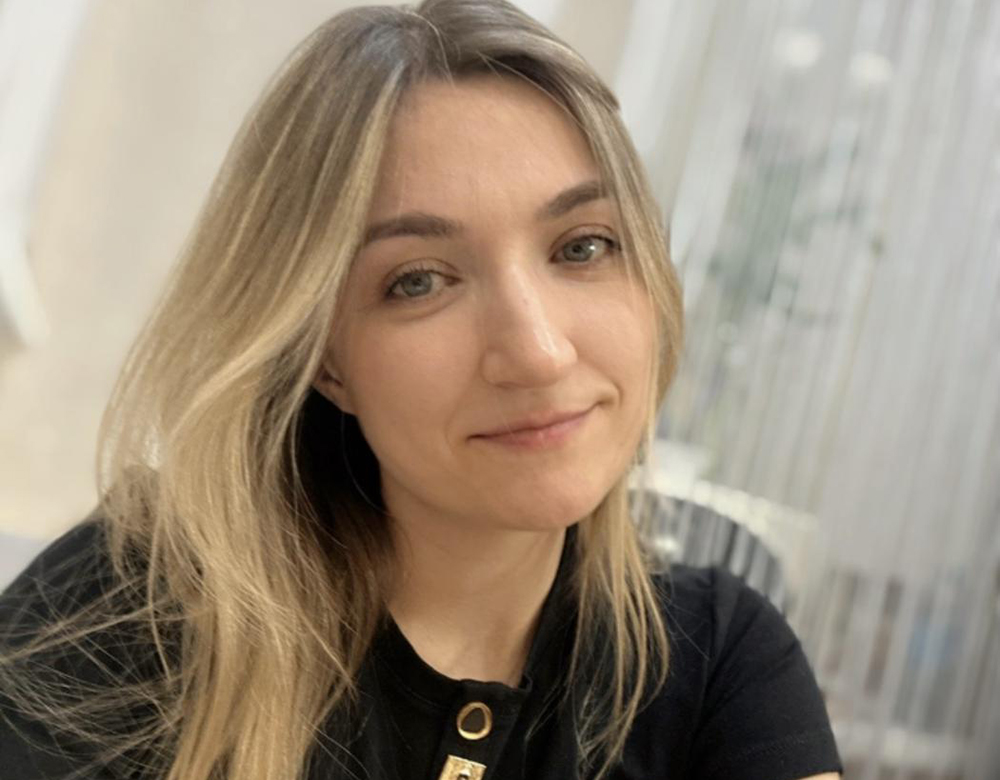
Elena Batanova
Your biography contains very painful and transformative experiences. How did art become a way for you to process grief, memory, and healing?
I have always been a creative person. In childhood, when things were difficult, singing and poetry became a place where I could breathe. That was where I felt safe.
Later, I realized that art is not only a way to escape, but also a way to live through pain. Not to hide it or deny it, but to give it form, a voice, and meaning. Through creativity, I learned to accept my story and transform it not into a wound, but into strength.
For me, art is memory, healing, and an opportunity to speak to people on a very deep level. I believe that personal pain, if you go through it honestly, can become something greater — support, light, and hope for others.
You began to immerse yourself in creativity after the loss of your mother in 2023. What changed inside you at that moment?
After my mother passed away, there was a lot of pain inside me, and I understood that I could not simply carry it all within myself. At some point, fate led me to photography. For me, it became not just a new direction in creativity, but a way to continue living in acceptance — not running away from grief, but gently touching it.
Through the image, I was able to speak about things that could not be expressed in words. Photography gave my pain a form. Grief, memory, love, pain, regret, resentment — all of this began to transform into images. Beautiful, deep, sometimes very quiet, sometimes piercing. And perhaps it was then that I understood that art cannot erase pain, but it can help us endure it. It can turn loss into memory, and memory into light.
In your artist statement, you say that you explore the female soul. What does “the female soul” mean to you?
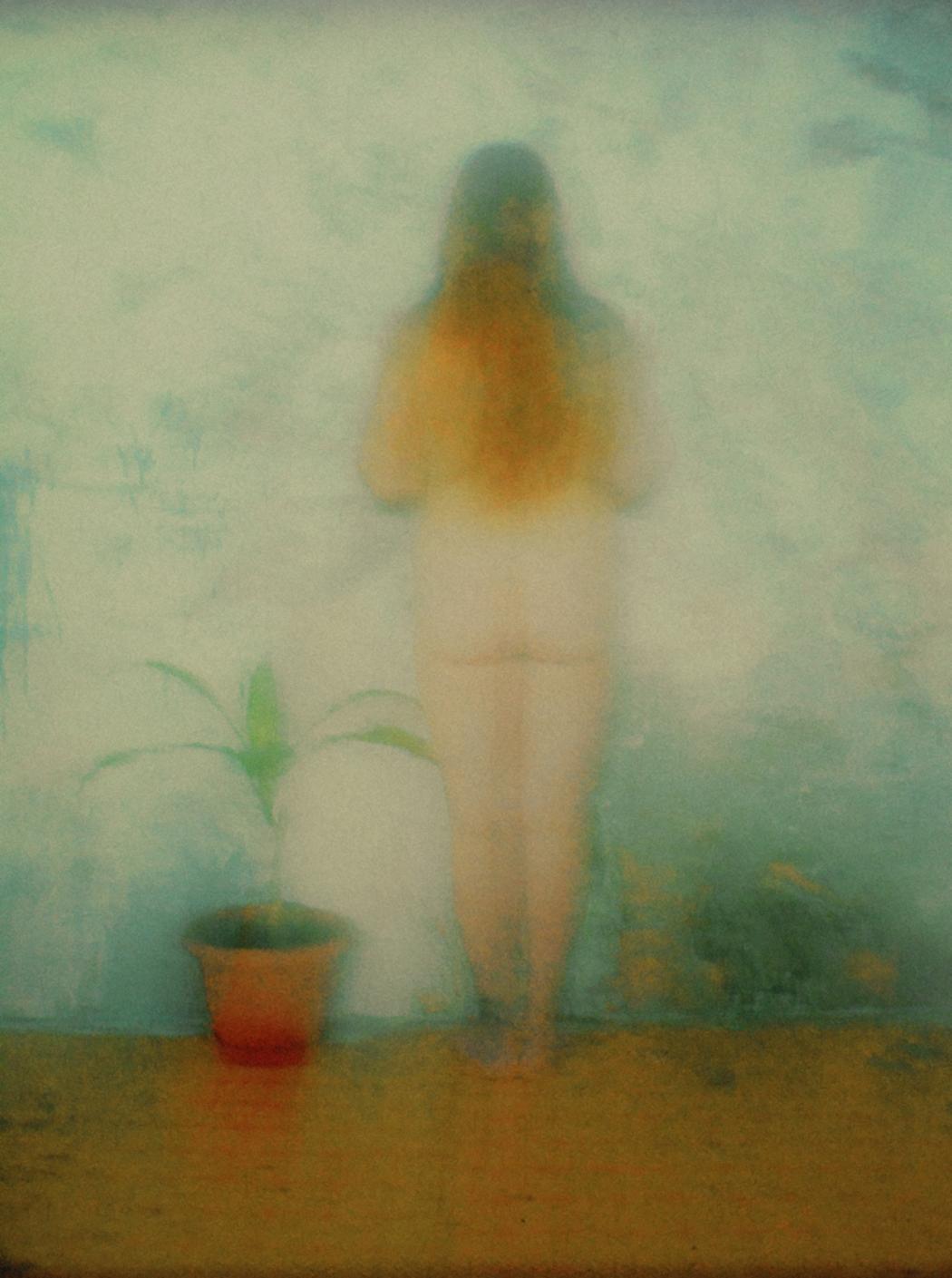
For me, the female soul is like a diamond — multifaceted. Strength and tenderness, pain and beauty, fragility and incredible resilience can all exist within it at the same time. A woman can be gentle, yet still endure what seems impossible.
When I say that I explore the female soul, I do not mean one specific image of a woman, but rather the embodiment of everything feminine: the inner world in all its complexity. Her memory, traumas, dreams, love, fears, intuition, her ability to heal, to be reborn, and to forgive. It is important for me to show a woman not only as a beautiful image, but as an entire universe — with her light and shadow, her vulnerability and strength. For me, the female soul is a depth that is not always visible at first glance, but if you look closely, it reveals many facets: through what she has lived, what she feels, what she hides, how she heals, and how she finds light within herself again.
Your works feel blurred, fragile, and almost dreamlike. Is this visual softness connected to memory, trauma, or the feeling of distance from the past?
Absolutely. This visual softness is connected to memory, trauma, and the feeling of distance from the past. I believe that everything that happens to us shapes us — as human beings, as individuals, and as creators. Our experiences do not disappear. They remain inside us and change our gaze, our sensitivity, and the way we see the world.
My images often resemble dreams because, for me, memory also has a dreamlike nature. It is rarely clear and direct. It comes in fragments: through sensations, light, smells, faces, shadows, and inner states. The past seems to blur, but at the same time it continues to live inside us.
The blurriness in my works is not only an aesthetic choice. It is a way of showing how I feel memory: fragile, elusive, painful, but still beautiful. In a way, our whole life eventually becomes similar to a dream — what remains are not exact events, but their emotional traces. This trace is what I try to convey through my images.
Many of your images seem to exist between disappearance and presence. Are you interested in showing what is hidden rather than what is clearly visible?
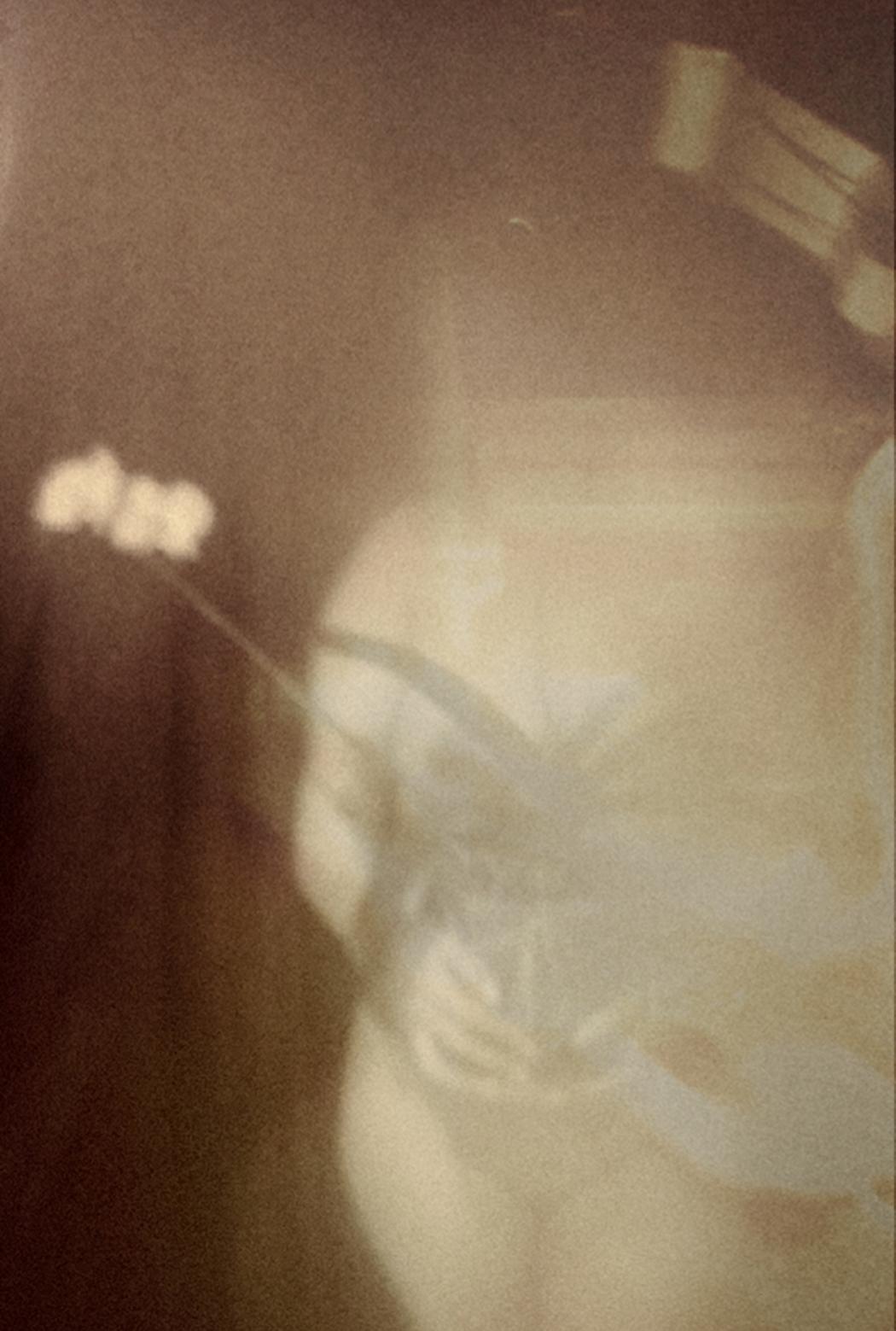
Yes, you are right. It is truly important for me to show not so much the obvious, but what is hidden. What lies on the surface is often only a shell, the first visible form. The most important things are almost always deeper — in a state, in silence, in a pause, in inner tension.
I am interested not simply in capturing an image, but in coming closer to its essence. Sometimes, in order to do that, you need to dive very deep — beyond appearance, beyond gesture, beyond familiar beauty. There may be pain, memory, fear, tenderness, strength, loneliness, or hope there. These invisible layers are the most valuable to me.
That is why my heroines often seem to exist between presence and disappearance. They do not always reveal themselves immediately. I like leaving space for mystery, so that the viewer does not simply look, but feels, searches, and recognizes something of their own in the image.
Do you see your creative process as a form of therapy, ritual, confession, or transformation?
Yes, absolutely. For me, the creative process is therapy, ritual, confession, and transformation all at once. Otherwise, I probably would not understand why one should make art at all.
For me, art is not simply the creation of a beautiful image. It is an inner process in which you meet yourself honestly — with what hurts, with what is impossible to say out loud. Through creativity, I can live through my feelings, give them form, and release at least part of their heaviness.
And this is where transformation happens. What was chaos inside becomes form. What was a wound can become beauty. What was personal suddenly begins to speak to other people. For me, this is the meaning of art — to transform lived experience into something greater than the pain itself.
After going through pain and healing through art, what do you hope your works can give to other people?
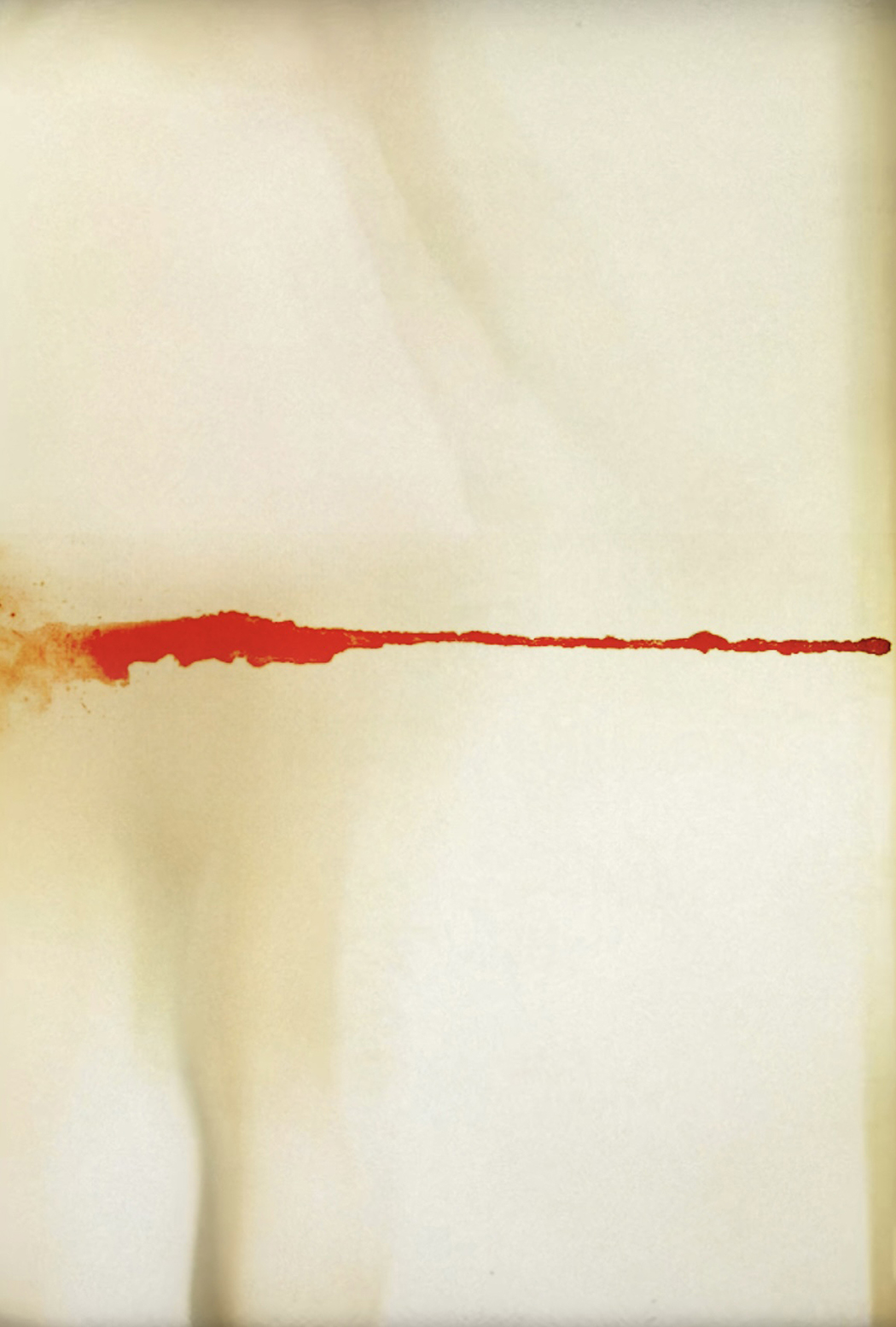
I would like my works to give people the feeling that they are not alone in their pain. That even the most difficult experience can be lived through, understood, and transformed into something beautiful.
I believe that the best thing we can do with our pain and trauma is not to let them destroy us, but to try to create something from them. Art does not erase what has happened, but it helps us embody it in something beautiful.
If my works can become a quiet support for someone, a reminder of their own strength, or the beginning of inner healing, that would be very valuable to me. I want a person looking at my images to feel that pain can be not only an ending, but also the beginning of transformation. From it, depth, beauty, compassion, and new life can be born.
Leave a Reply
You must be logged in to post a comment.