
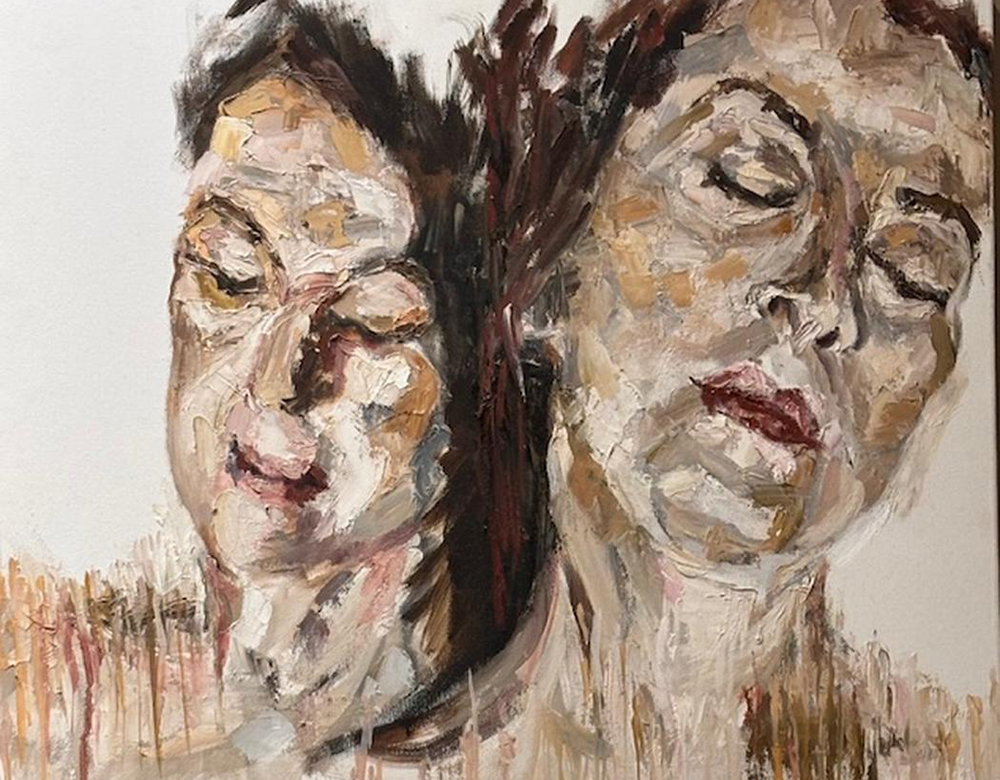
Amalia Poulli
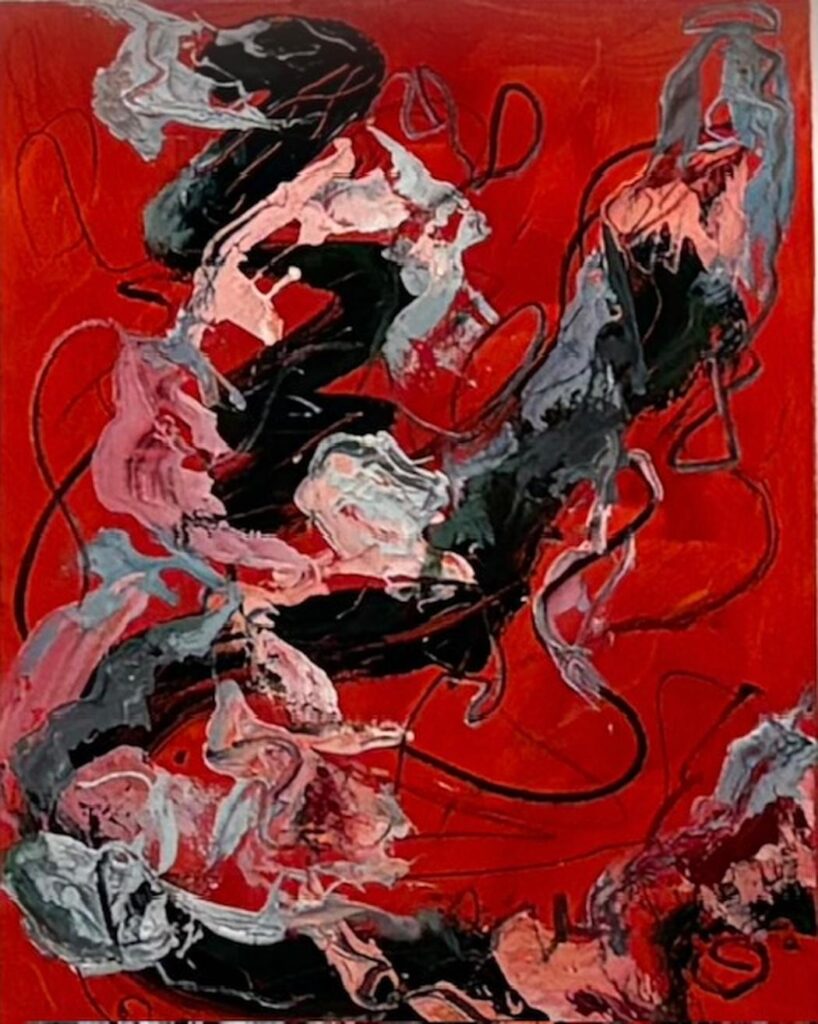
You are both a doctor and an artist. How do these two parts influence each other?
Medicine and art influence each other constantly in my life in deep ways, as both as both are fundamentally about observing, understanding and responding to human experience.
Art improves doctor’s observation skills leading his empathy and emotional intelligence to higher levels, offers an outlet for every day stress and pressure and strengthens the communication between doctor and patient.
On the other hand medicine makes the doctor’s artwork emotionally rich and authentic and influences visual precision in artistic representation of human body and movement.
Has your experience as an anaesthesiologist shaped the way you understand the human body, emotions, or states of consciousness in your art?
My job has deeply influenced my artistic work as in operating theatre the body can become simultaneously intensely present and strongly absent while the person’s subjective consciousness temporarily disappears.
Anaesthesia changes also the patient’s relationship to time, memory and emotions. Those gaps, discontinuities and alter perceptions affect my artistic practice conceptually and visually.
You have been painting since your early years. What first drew you to art and what keeps you connected to it today?
I believe that painting as a child was a way to release my subconscious world absolutely instinctively.
What keeps me connected to it today is that it remains unpredictable. Every work begins with uncertainty and I enjoy the moment when control dissolves and the painting begins to speak back, revealing something subconscious and unplanned.
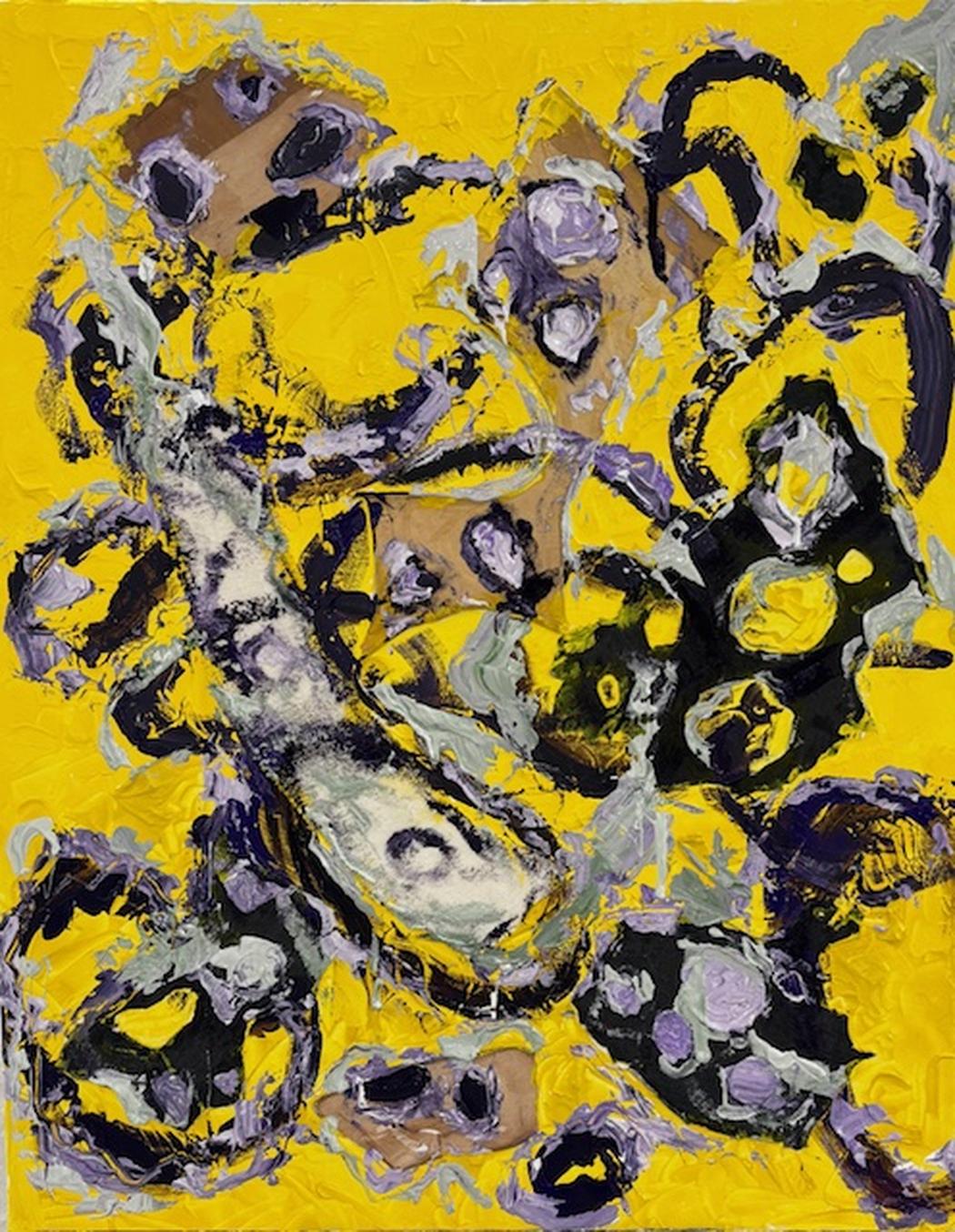 Amalia Poulli | Playful | 2025
For the last 25 years, you studied art under the guidance of an artist and teacher in Cyprus. What was the most important lesson from this long artic education?
My teacher often emphasised that a painting carries the energy of the creator. When I realised that I stopped trying to control every outcome and began listening more deeply to silence, gesture, rythm and instinct.
The most important lesson through that long experience was that an artwork should not simply be viewed but be felt.
Your works are full of energy, movement and bold color contrasts. How do you usually begin a painting? With an idea, an emotion or an intuitive gesture?
The beginning of my paintings usually remains open, instinctive and unpredictable.
As the color plays an emotional role, the first gesture is extremely important, immediate and intuitive. In those early moments I try to stop thinking as I trust movement and energy to guide the painting forward.
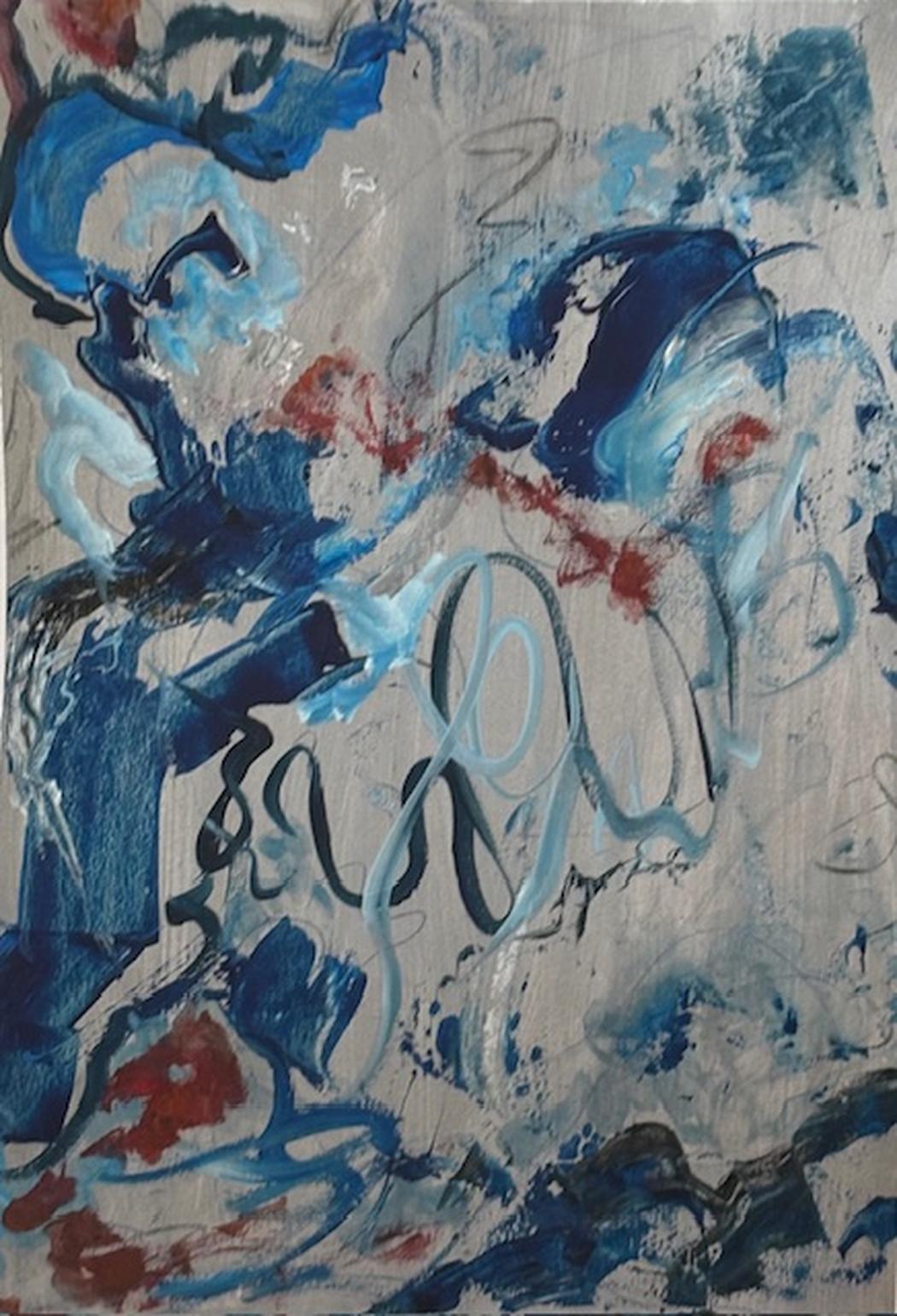
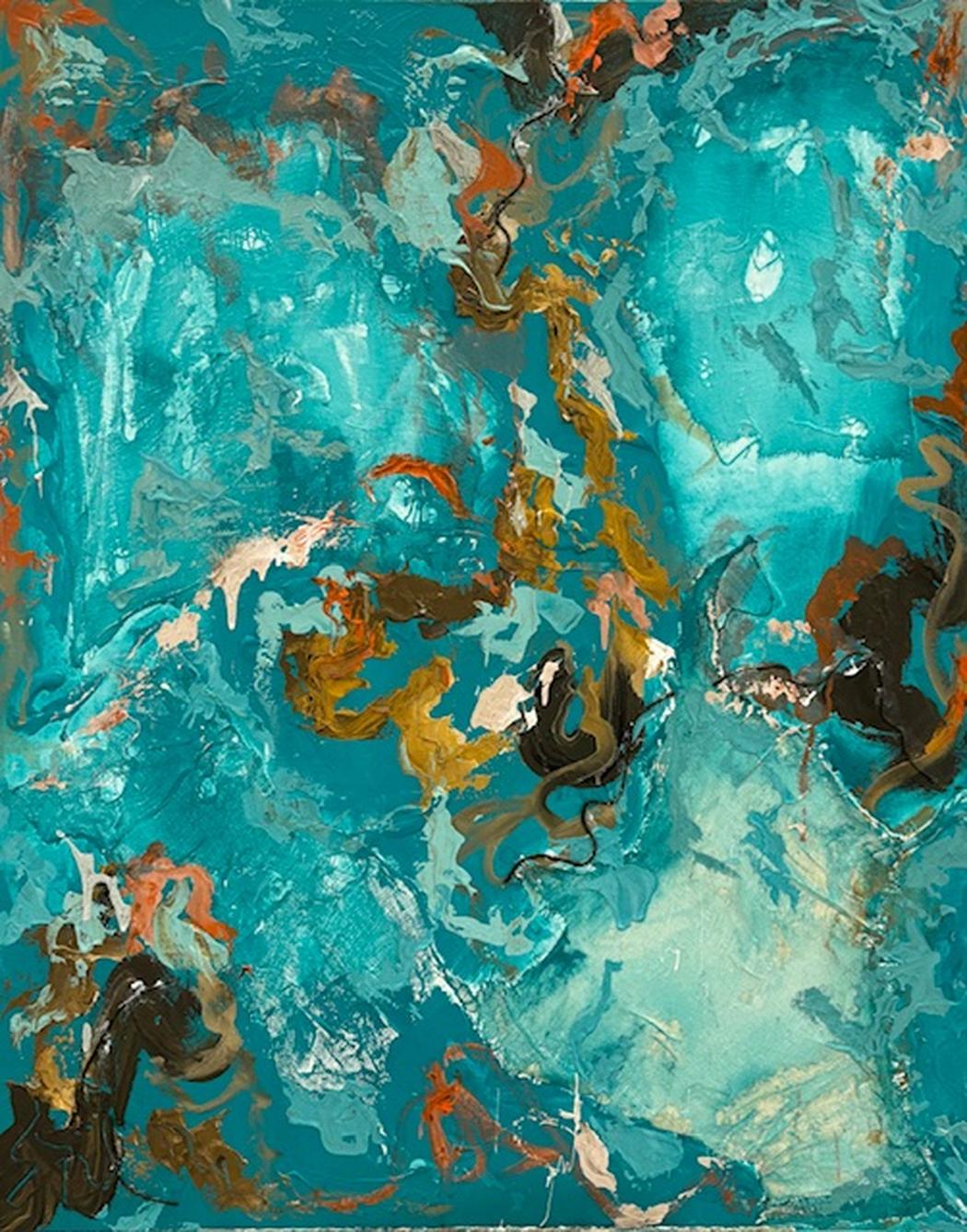 Amalia Poulli | Blue Lagoon
You mentioned that you would be happy to show your work outside your country. What does international exposure mean to you at this stage of your artistic journey?
At this stage of my artistic journey I see international exposure as both a learning experience and a chance for growth. It would allow me to discover new ways of thinking about art and place my work within a broader context.
Every exhibition outside my country would be an opportunity not only to present my work but also to learn from others and continue evolving as an artist.
What do you hope viewers feel or discover when they stand in front of your paintings?
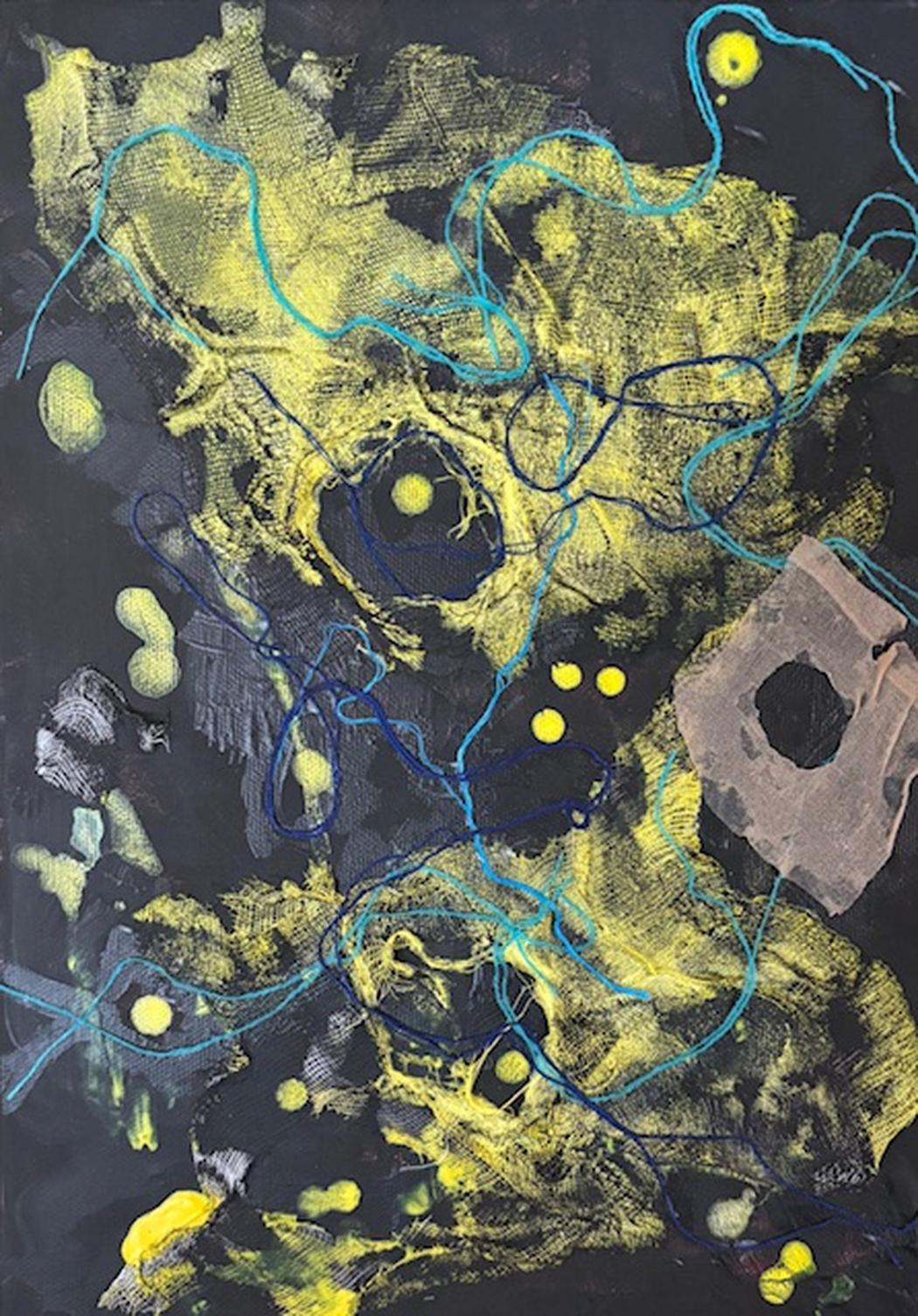
When viewers stand in front of my paintings I mainly hope that they can discover their own stories through the colors, gestures and layers which are meant to spark emotions, memories and intuition.
Leave a Reply
You must be logged in to post a comment.