
Enrica Ridolfi
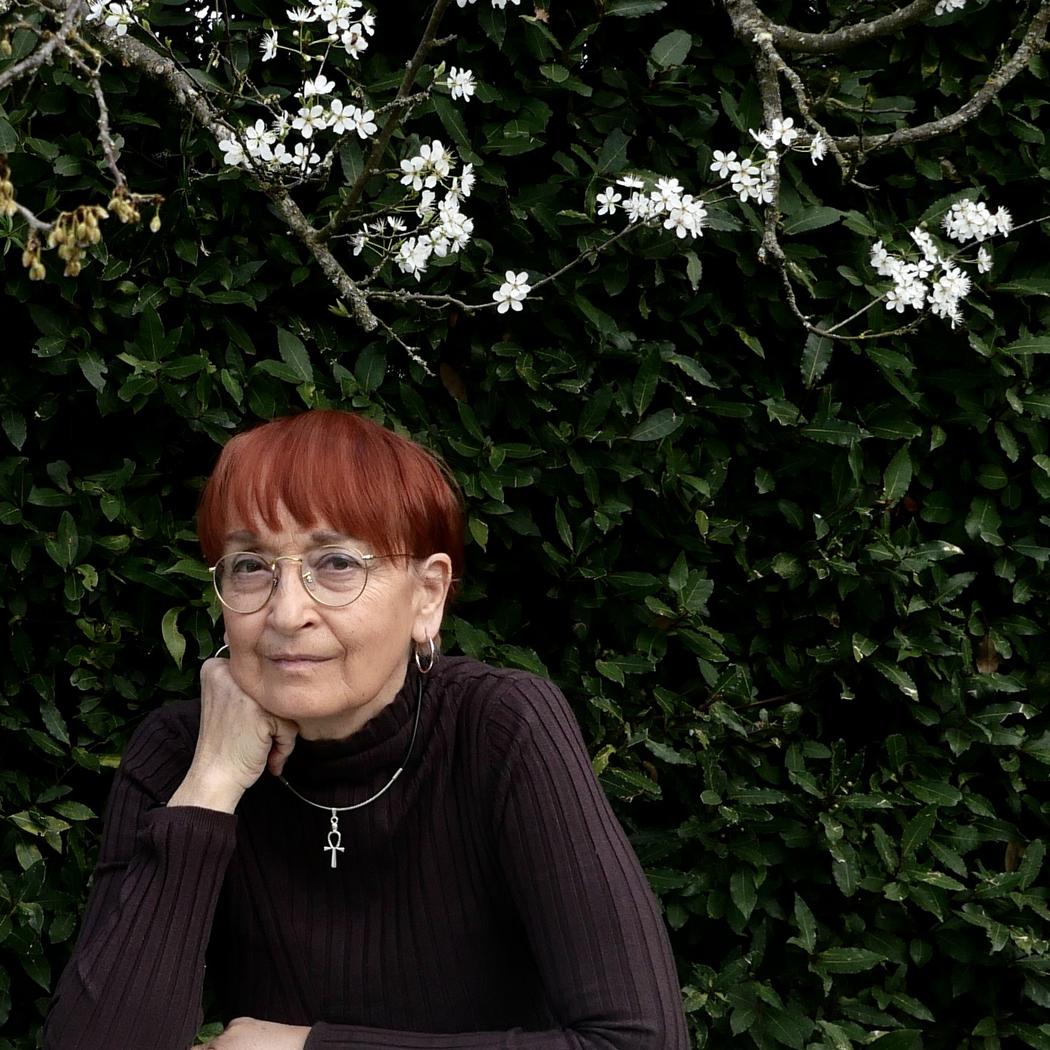
Your background is in architecture. How has architectural thinking influenced the way you construct photographic images and visual narratives?
Architecture has given me a way of seeing based on spaces, distances, proportions, and structures. It taught me to observe both emptiness and fullness—what holds a scene together and what makes it unstable. Visual storytelling develops in a similar way, by trying to create a sequence of images that guide the viewer’s gaze and build an experience. My long experience in teaching has also influenced my approach to photography, refining my critical ability and leading me to constantly question images—especially my own—in search of coherence and meaning.
Many of your works seem carefully staged, almost theatrical. What role does staging play in your creative process?
Staging is a way to slow down. It helps me distance myself from the constant flow of images and allows me to create an intimate space where I can shape emotions, gestures, and atmospheres that often remain indistinct. Building a scene is not just about control but about attention: by adding, removing, and arranging elements, I try to create conditions where something unexpected can also emerge.
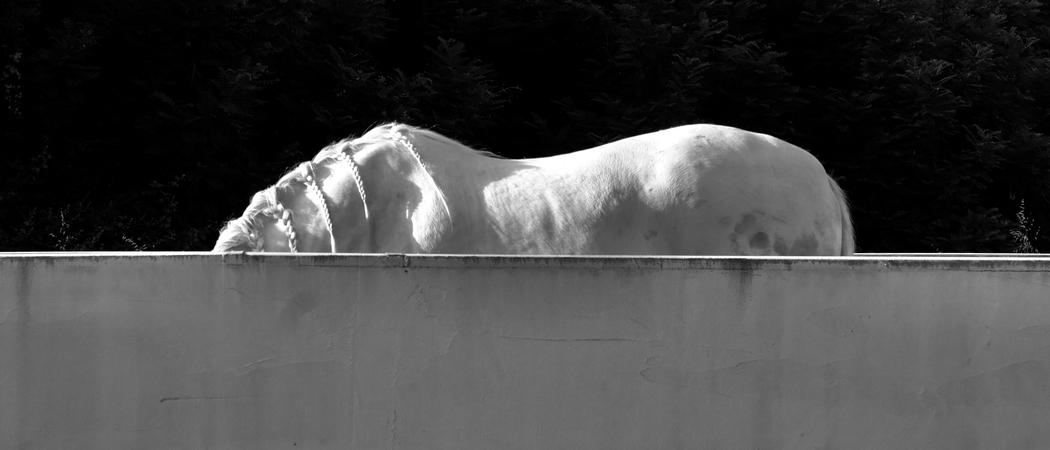 Enrica Ridolfi | A horse with no name | 2025
You often work on the boundary between reality and fiction. What attracts you to this in-between space?
It is an unstable space and therefore very fertile. I am drawn to it because it closely resembles how memory and imagination work: reality is always filtered through what we remember, desire, or fear. Working between reality and fiction allows me to be sincere without being explicit, to tell stories without over-explaining. It is like dreaming, where anything can happen.
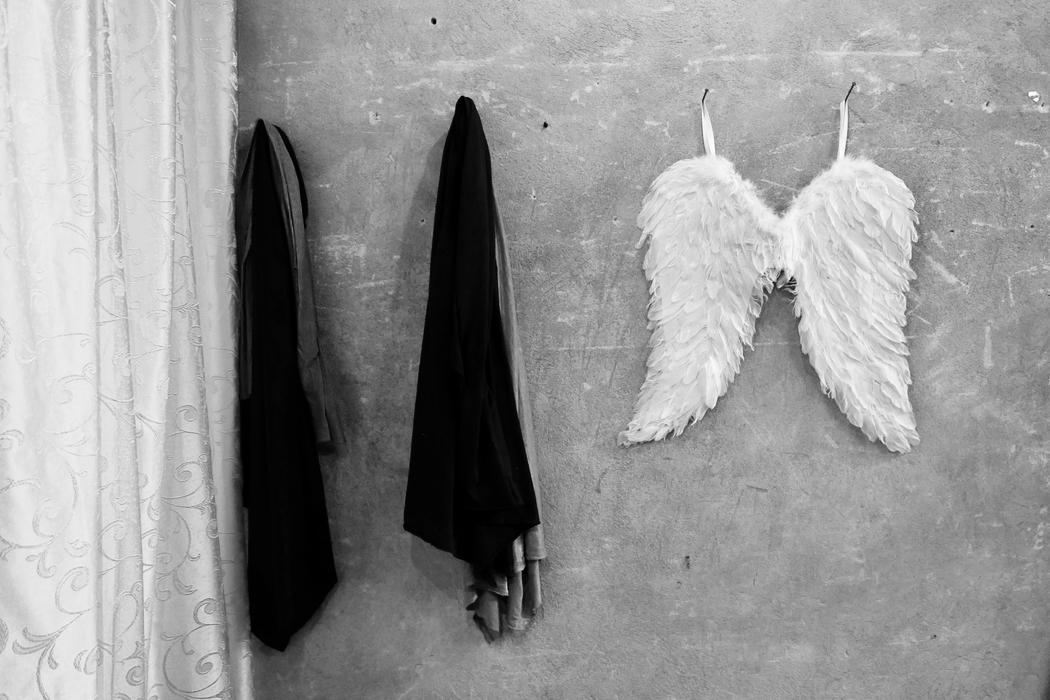 Enrica Ridolfi | After the show | 2024
Your photography spans street, portrait, still life, and conceptual imagery. How do you decide which visual language best suits a particular idea?
I rarely start from a genre and I don’t decide immediately. Some images require the immediacy and unpredictability of the street, while others need silence and control, construction, and are created in the studio, like still lifes. For example, when I create a portrait, it is not a spontaneous shot but carefully planned beforehand: I start from both a technical and emotional idea. At the center is my daughter, my only model, who with patience and trust becomes the absolute protagonist. Each project finds its own language along the way through attempts and reconsiderations.
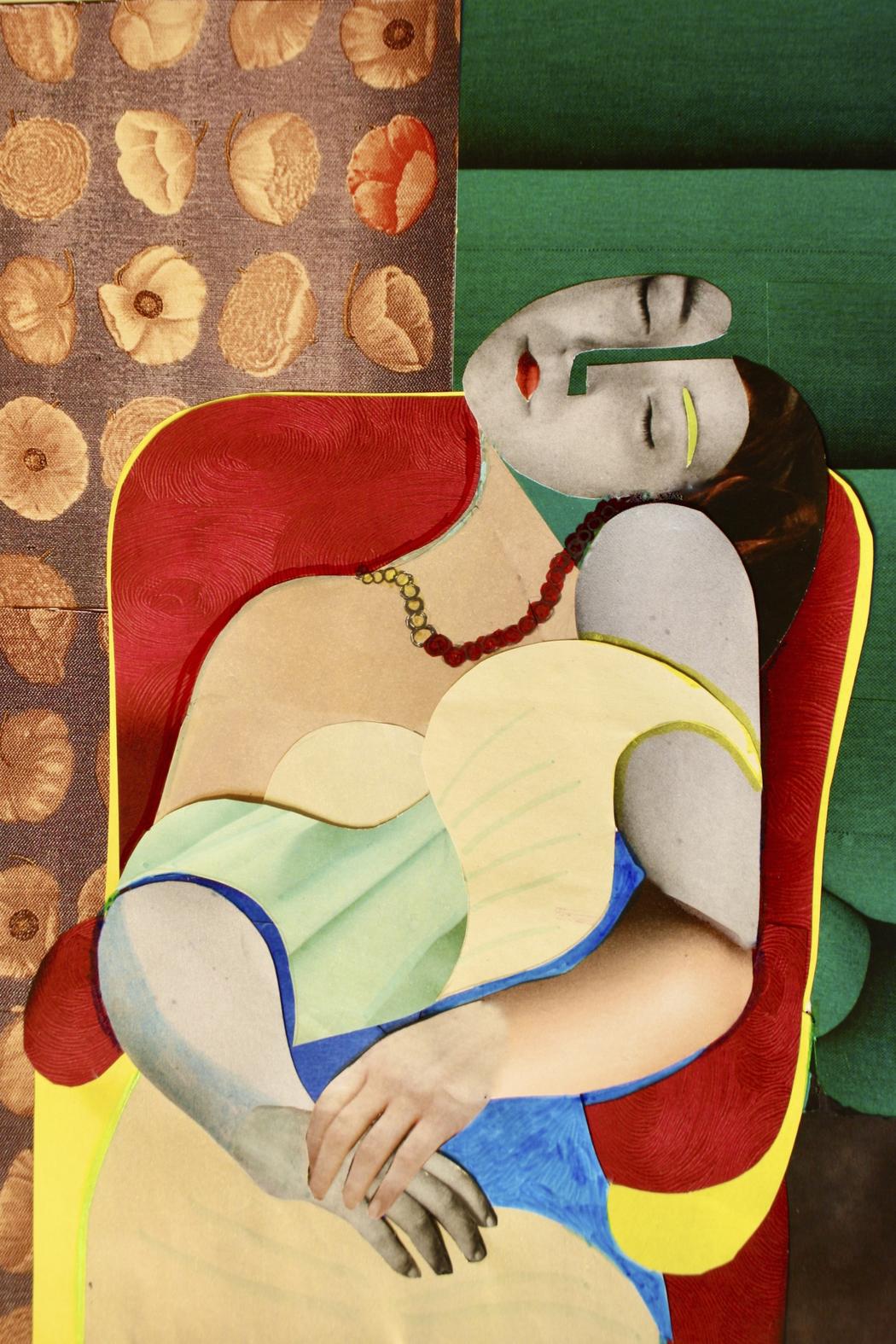 Enrica Ridolfi | Elena’s dream | 2023
Alongside photography, you experiment with analog collage and different materials. What does working with physical materials add to your artistic practice?
Working manually with different materials is stimulating for me; there is a physical contact that changes everything and makes the work more intimate. Cutting an image, gluing it, damaging it, and recomposing it through irreversible gestures introduces vulnerability and error. In this way, images can layer and remain imperfect—and perhaps for that reason, more alive. It is very different from doing it digitally. Combining different materials and images also has a playful aspect for me: it breaks the rules of photography and enters the realm of pure experimentation. At the moment, this is what interests me most.
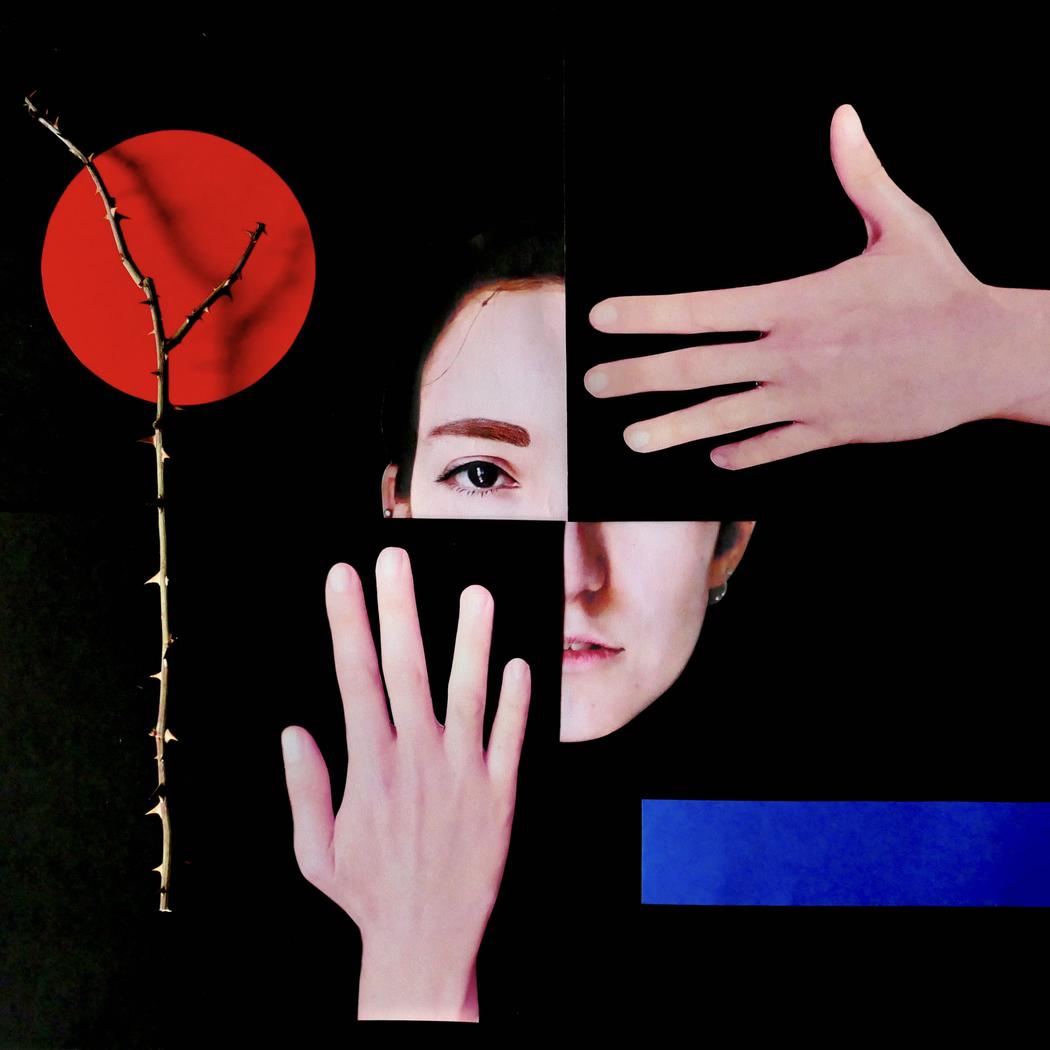 Enrica Ridolfi | Not yet | 2024
Florence is a city rich in art history. How does living there influence your work – or do you consciously try to distance yourself from its visual legacy?
Living in Florence means confronting every day a very strong idea of beauty and perfection—a constant presence that cannot be ignored. Rather than distancing myself from it, I try to move within it while staying on the margins, focusing on less celebrated places, transitional spaces, in search of quieter and more intimate atmospheres.
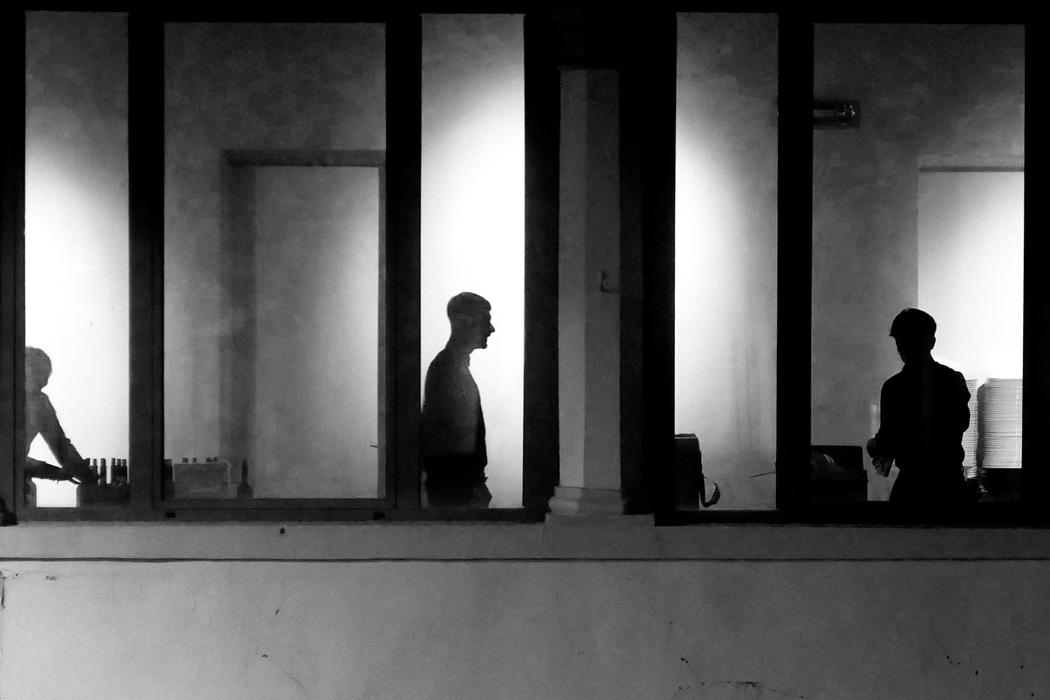 Enrica Ridolfi | Untitled | 2025
When viewers encounter your work, what kind of experience or reflection do you hope it invites?
I would like them to feel slightly disoriented but comfortable, like when something is not immediately understood but still feels strangely familiar. If an image manages to create a moment of attention—becoming a place where one can pause, even just for an instant—that is already enough for me. It means the work has found its meaning.
Leave a Reply
You must be logged in to post a comment.