
Kübra Köprülüoğlu Aşanlı
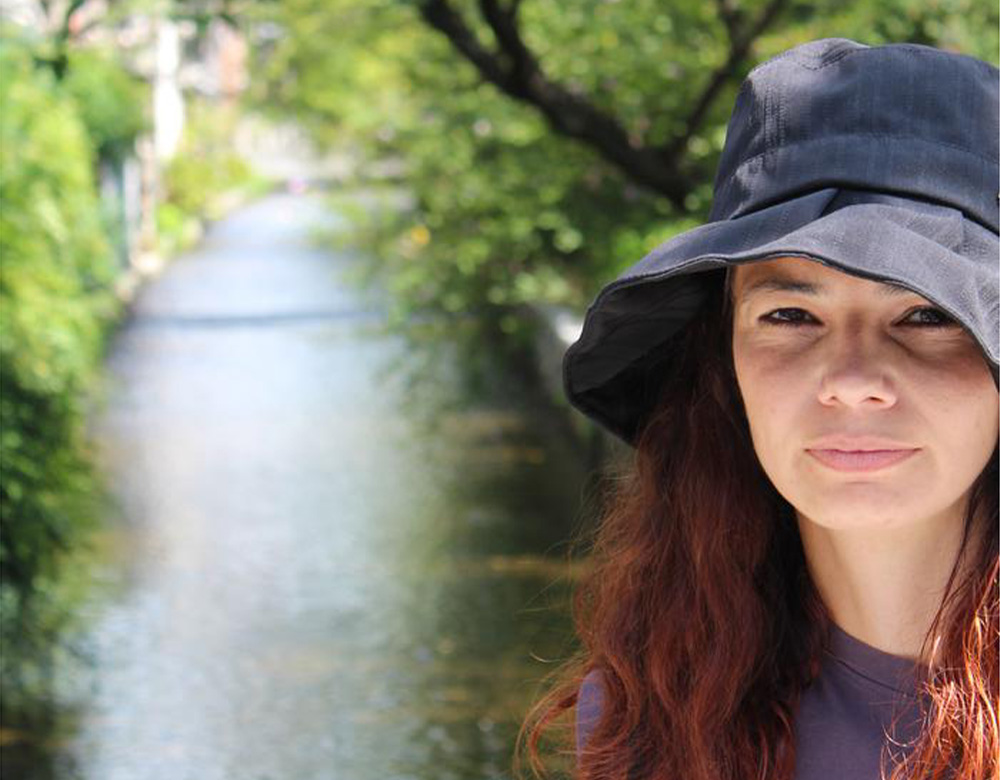
Your project “Invisible Icons” focuses on women artists who were marginalized in art history. What initially inspired you to begin this series, and how did you select the figures you portray?
While studying at the Faculty of Fine Arts, I noticed that art history classes barely mentioned female artists. I didn’t dwell on this issue much at the time, but I remember it weighing heavily on me. Over the years, I have become increasingly aware of the invisibility of women’s labor in various fields. I am a woman myself, and when asked about my profession, I describe myself as a designer and an artist. Yet, in this century, the press and society still refer to us as “female artists.” This in itself is a form of othering. No male artist is called a “male artist”; they are simply called “artists,” whereas we are presented as exceptions with these labels. I began creating these portraits to challenge this discouraging message and tell women that they can simply be artists.
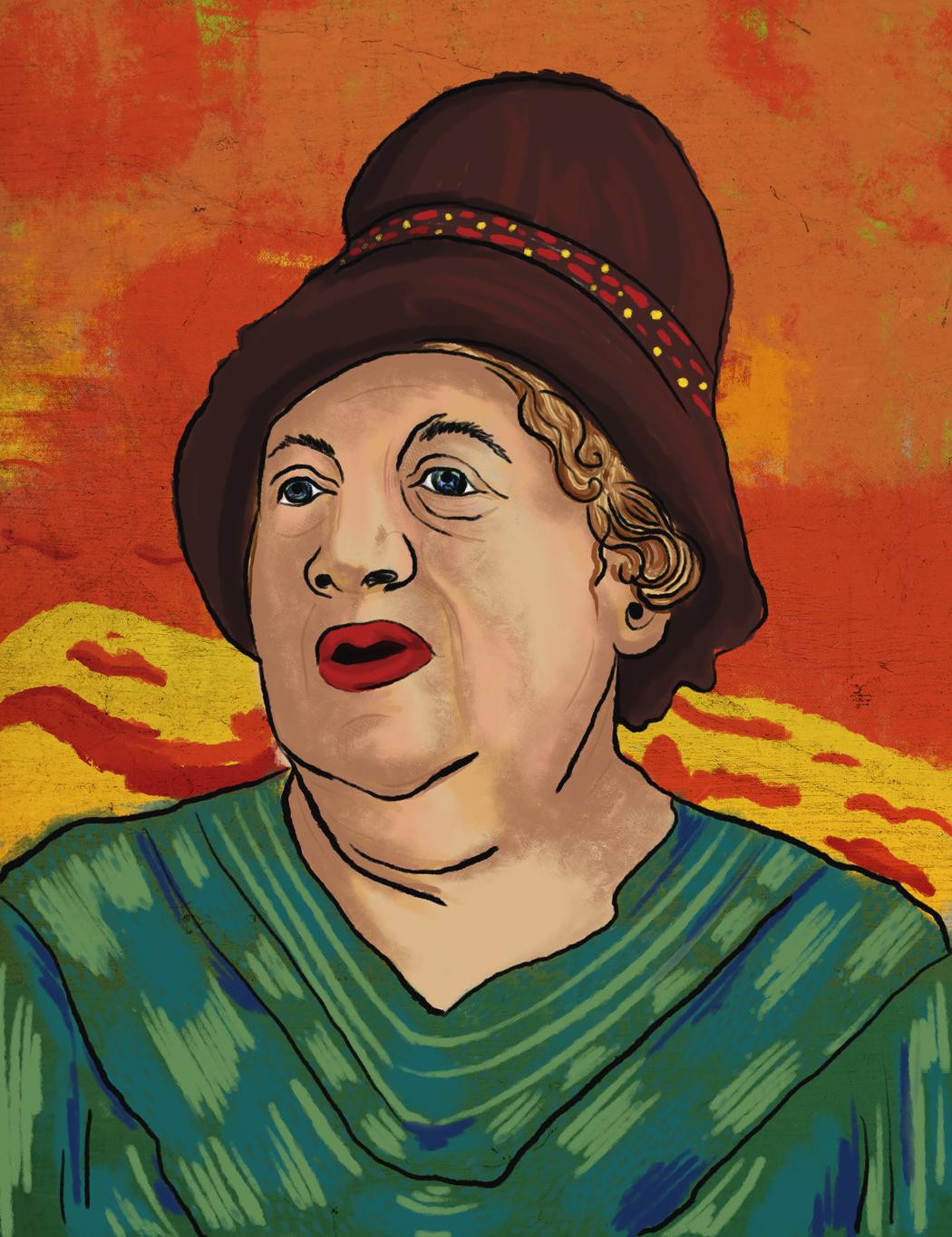 Kübra Köprülüoğlu Aşanlı | Irma Stern
Many of your portraits balance realism with symbolic or contemporary elements. How do you decide which visual language best represents each historical figure?
Before I begin painting an artist, I first rediscover her. I read about her life, I read her words, interviews, and also see her works or listen to them. After this process, I enter a phase where I begin to work intuitively based on the impressions left on me by my research. Sometimes an artist’s style or visual world accompanies my portraits, and sometimes my own conception and imagination regarding that artist’s emotional state comes into play. Frida’s portrait is an example of this. We generally see pain in Frida’s own works and photographs taken of her. Yet, when I painted her, I saw a hopeful and slightly mischievous sparkle in her eyes. My own imaginary and conceptual world intersects with reality within these portraits, becoming intertwined. When deciding on the visual world, it is the emotions that remain with me at the end of this research process that guide me in how to construct a visual language and world in the painting. That is why all the portraits have their own unique visual world.
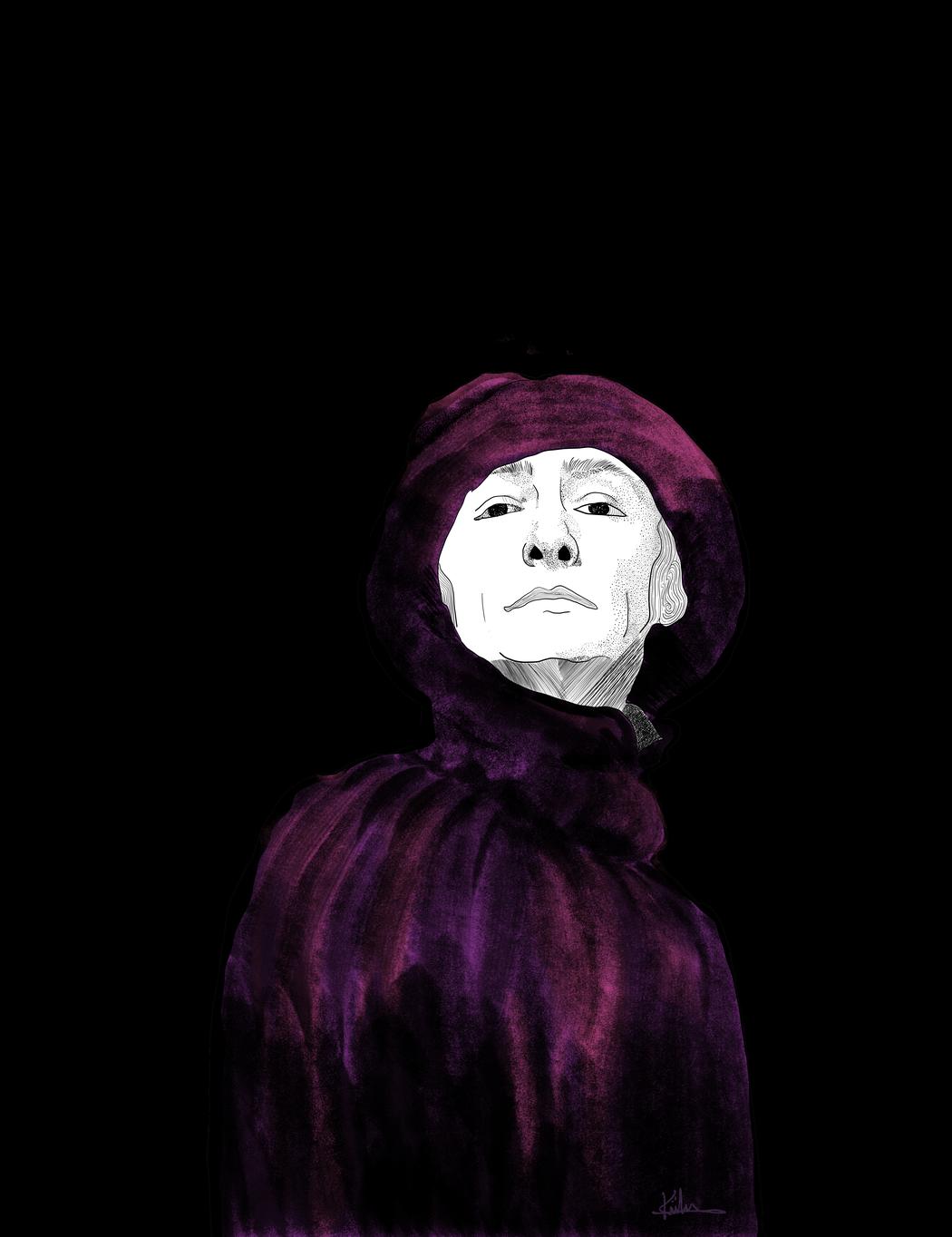 Kübra Köprülüoğlu Aşanlı | George O Keffe
As someone with a background in graphic design and ecological practice, how have these disciplines influenced your approach to portraiture?
Graphic design remains an integral part of my life, and it is a field that I continue to pursue professionally. Consequently, traces of graphic design can be discerned across numerous layers of my visual world, from my perception of color and my color choices to the balance of the compositions I create and my occasional incorporation of text into my work. Ecological practices have also influenced my artistic narrative process in a conceptual sense. From an ecological perspective, we strive to create a world where all living beings are united and the whole benefits —where no one is superior to another. The subjects I choose also contribute to this vision. While my Invisible Icons series focuses on gender equality, my other series, Wisdom Keepers, features portraits of women from indigenous communities and has been in progress for two years. I aim to express the value of their ancient knowledge and inspire viewers to pursue it. All of my subjects stem from my ecological practical experience, and my visual style stems from my background in graphic design.
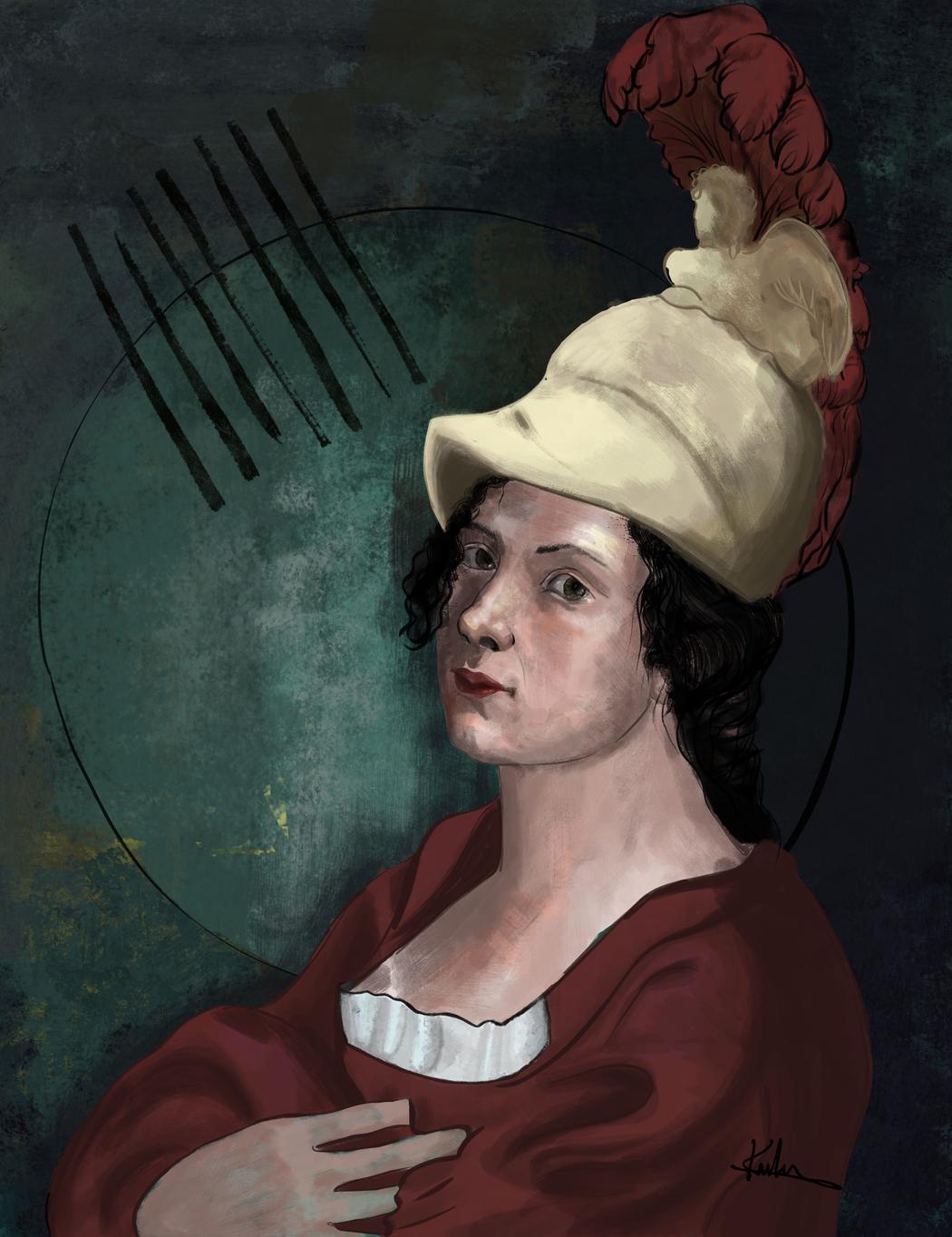 Kübra Köprülüoğlu Aşanlı | Gentileshi German Etching
Your work explores identity, memory, and ecological belonging. How do these themes intersect within the “Invisible Icons” series?
The fact that female artists are still not sufficiently visible in the narrative of art history, and that in the past they were often seen more as muses than artists, relegated to the shadows of the men they were with or loved, or deliberately kept there, is actually a political issue. These unfortunate perspectives, ingrained in our collective memory as women, manifest themselves to varying degrees in different parts of the world in the century we live in. While female identity is ignored in some regions, in other regions that claim to be developed, it continues to be subtly ignored and pushed into the background through functional sanctions such as wage inequality. Therefore, when you delve deeper, you can observe an approach in the Invisible Icons series that involves rebellion, disrupting the established order, making identity visible, and creating a memory in the process. In fact, this is a meticulously woven series. As the portraits and faces multiply over time, I will have created a whole that carries a powerful meaning.
What kind of research process do you undertake before creating a portrait of a historical artist?
It’s a kind of tracking process. Books, texts, critical essays, interviews, personal letters if I can find them, following their works, watching any documentaries or films made about them. Researching, reading, watching everything I can find, and listening to any audio recordings if available. When listening to their voices, I’m actually talking about a deep listening state where I pay attention not only to what they say but also to their tone of voice, their emphasis, their silences. All these research fragments are already beginning to build something in my heart and mind.
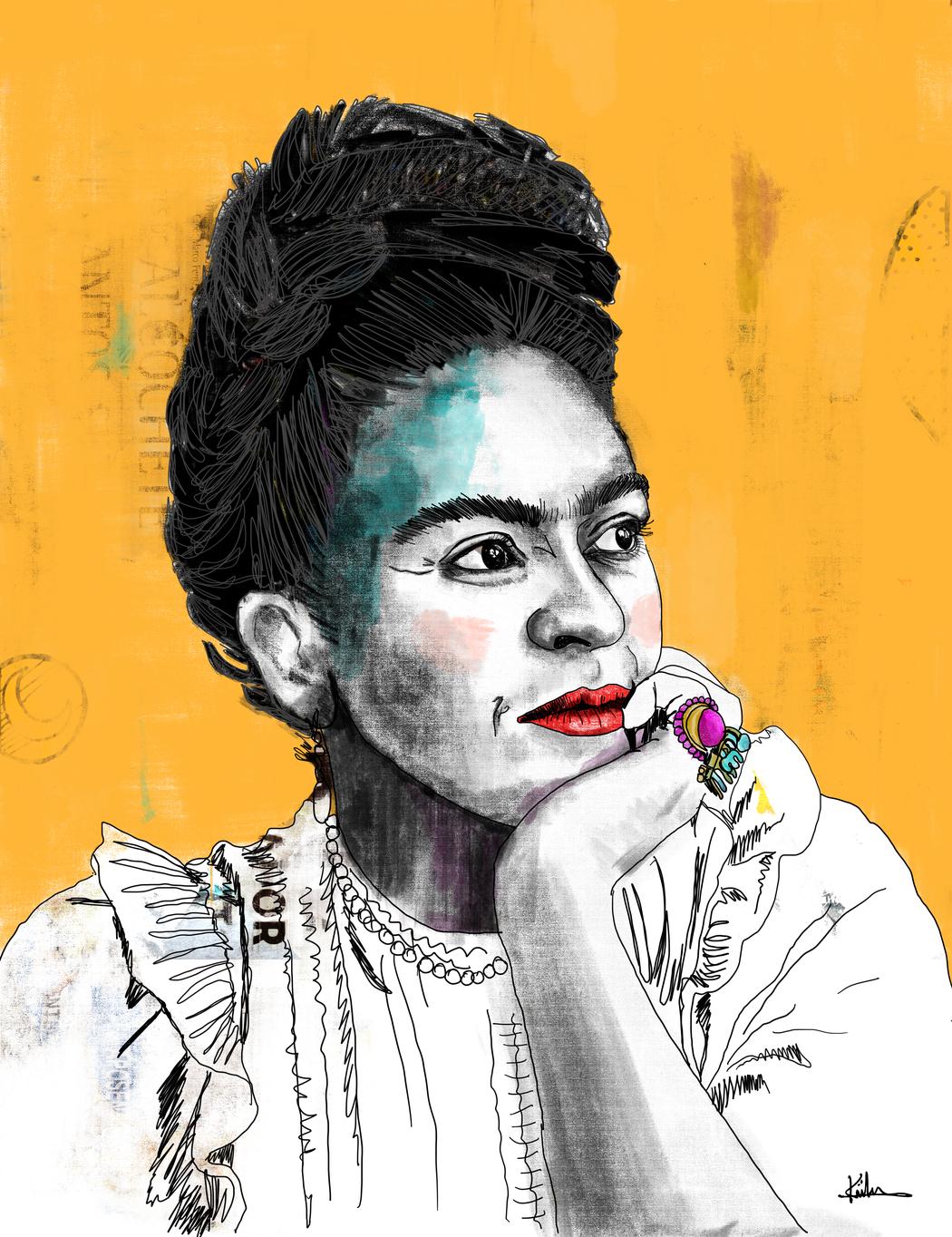 Kübra Köprülüoğlu Aşanlı | Frida Kahlo
By revisiting overlooked women artists, you engage with questions of gender and historical narrative. What do you hope contemporary audiences will reconsider about women’s place in art history?
I actually have two different aims. The first is for viewers, art critics and historians to look at the issue more objectively and to place these women, who are artists, in their rightful place in art history without othering them as female artists. My second aim is to show that creating an environment where contemporary artists are not marginalised for being women, where they are not expected to produce only feminist art, and where they can be free in their modes of expression, is a form of self-assertion, and to inspire them to see so many artists and think, ‘I can do that too.’ We don’t actually need anyone’s approval to show that we are not lesser artists because we are women, or even because we are mothers. We just need to keep creating and insistently declare our presence. I want these portraits to give courage to all women and girls to say this. We are not few. Let them see this.
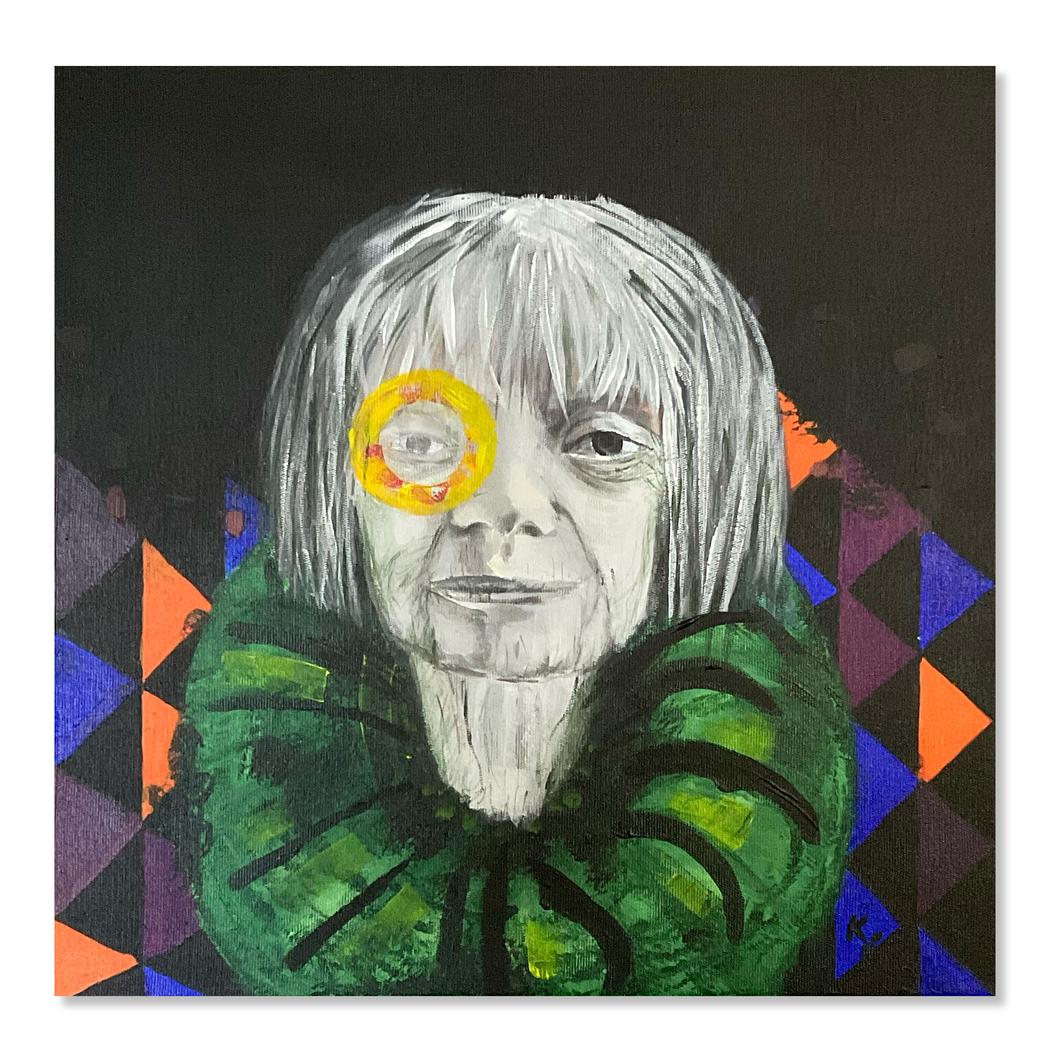 Kübra Köprülüoğlu Aşanlı | Eileen Agar
Your work has been exhibited internationally. How have different cultural contexts shaped the reception of this project?
As I mentioned earlier, women’s place varies across different regions, but given that feminist actions are still being organised worldwide, it is clear that we have not yet achieved a global balance in terms of gender equality. Consequently, my work is generally described by viewers as compelling. However, I can also say that I have the longest conversations about the works at exhibitions with women. Because an individual who has not experienced this inequality communicates with the work from a place of intellectual understanding, whereas a woman who has experienced this injustice in different areas of her life, even if she is not an artist, communicates with it from what she feels in her heart.
Leave a Reply
You must be logged in to post a comment.