Artadi Studio
How did Artadi begin, and what inspired you to build a studio dedicated specifically to sculpture with cold porcelain?
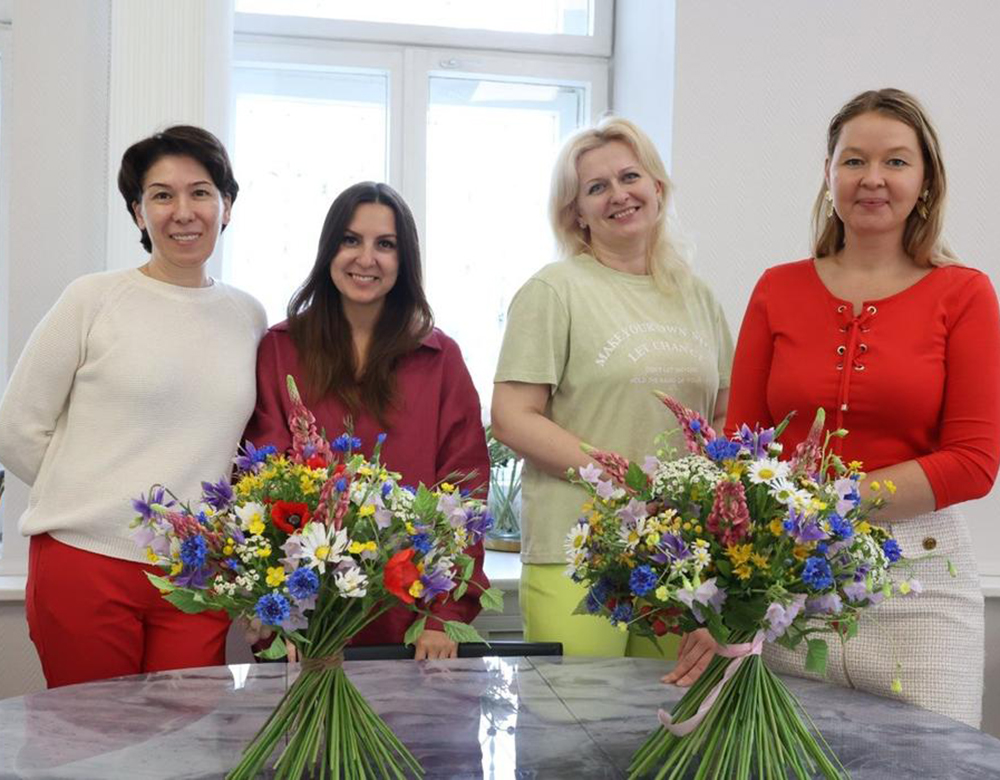
Artadi Studio is a team of like-minded people passionate about botanical sculpture. In 2013, we came across a similar bouquet for sale on an online marketplace and simply had to try creating something like it with our own hands. Over time, our flowers became more professional, and we began sharing our knowledge by opening a studio school. To date, more than 5,000 people have attended workshops at our studio, and many of them have gone on to become talented artists themselves.
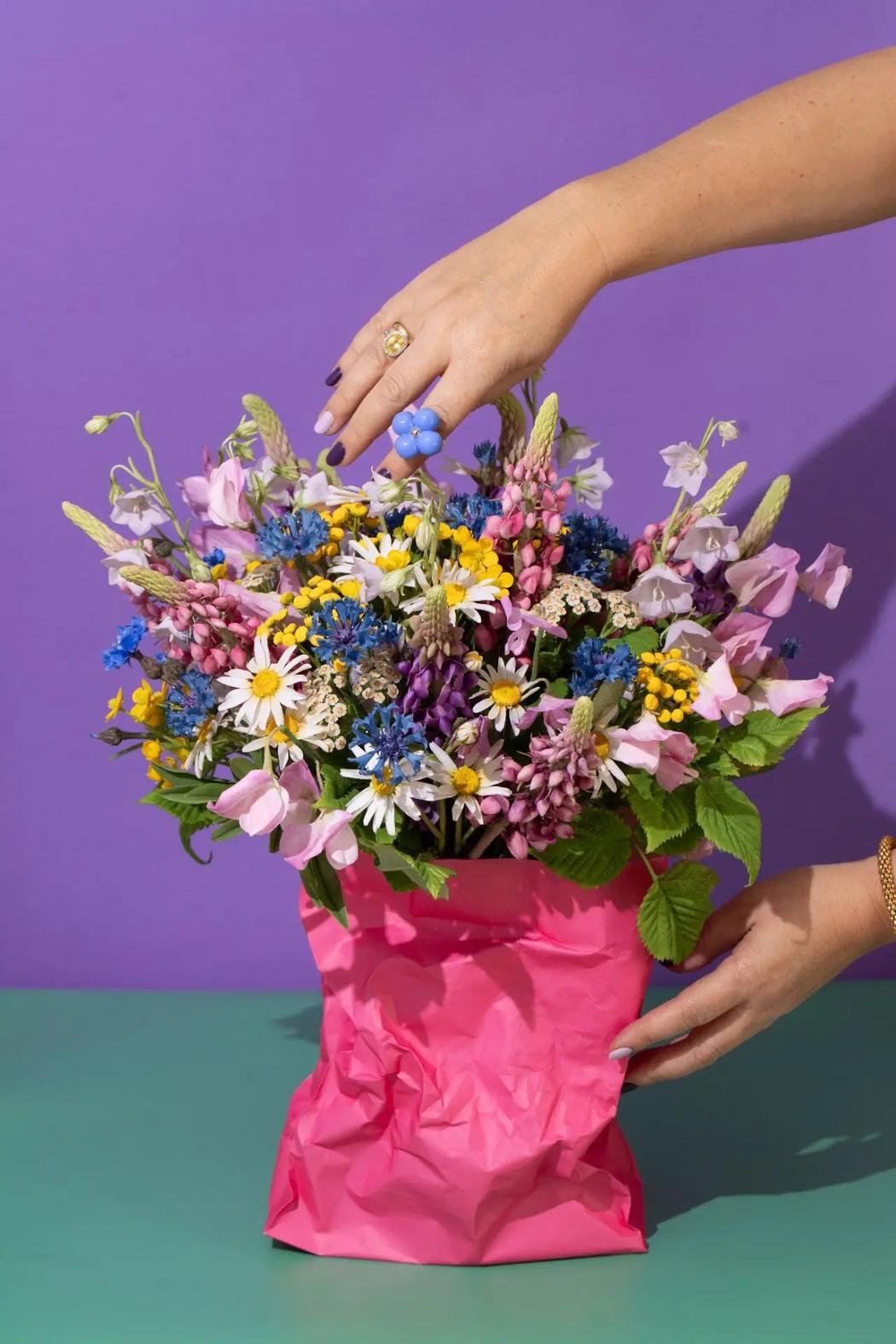 Artadi Studio | Wild Bouquet | 2023
What qualities of cold porcelain made you choose it as your primary artistic material, and what possibilities does it offer that other materials cannot?
There are many ways to create a flower for an interior: it can be knitted, painted, blown from glass, or constructed from various materials. The result may look beautiful, yet we will always understand that what we see is not a living specimen, but something made by human hands.
Cold porcelain, however, makes it possible to create precise botanical replicas of flowers. This was the main quality that captivated us. Because cold porcelain can be rolled out extremely thinly and perfectly preserves the texture transferred from living specimens, the flowers not only look real but often even feel like the ones we encounter in nature.
Oil paints and artists’ pastels adhere beautifully to cold porcelain, allowing us to reproduce the finest variations in colour and the smallest details in the structure of stamens, petals, leaves, and blossoms.
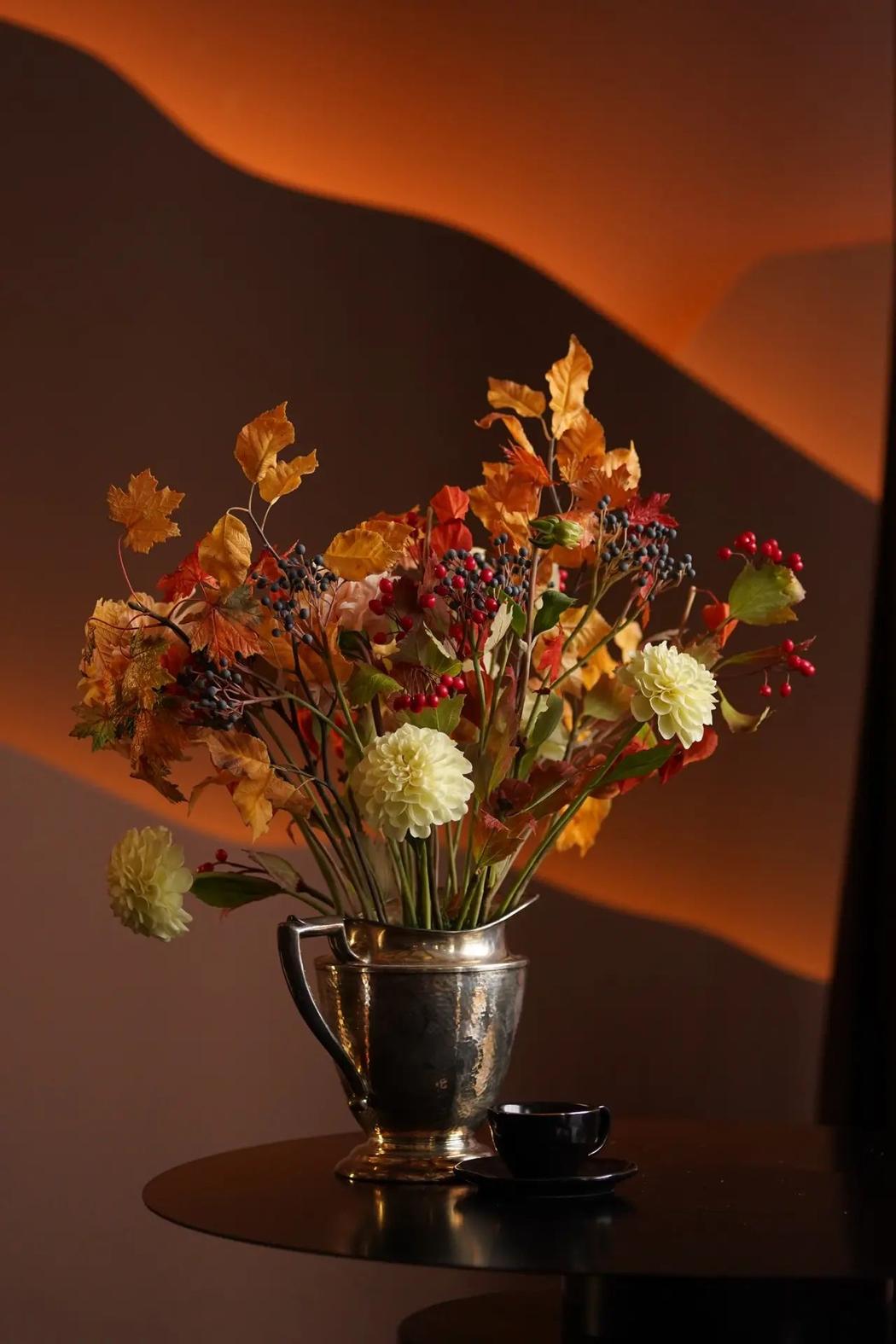 Artadi Studio | Autumn Bouquet | 2025
Your flowers are distinguished by remarkable botanical accuracy. How do you balance careful observation of nature with artistic interpretation and imagination?
Without question, creating a truly lifelike flower requires an understanding of the structure of each species, as well as the differences between varieties of the same flower. Before we begin working with cold porcelain, we study the architecture of the plant. Seasonality is especially helpful, as it allows us to buy a real specimen and examine it repeatedly, breaking it down into its individual elements. Some plants bloom only briefly, however, so we always sketch and document their structure, even when it is a flower we have sculpted many times before. Nature never ceases to reveal something new.
When the sketch is transferred into clay, the sculptor takes over. Cold porcelain allows for corrections only until it dries, so a flawless knowledge of anatomy is essential. Yet our aim is not to recreate a herbarium specimen, but to convey a living organism.
In nature, a flower is never perfectly symmetrical: it reaches towards the light, bends beneath the rain, or bears the mark of an insect. We introduce this subtle asymmetry deliberately—the accidental curl of a petal’s edge, the barely perceptible difference in tone between two neighbouring buds.
Balance lies in knowing the rules so deeply that one can elegantly break them in the service of truth and life.
Could you describe the process of creating a composition – from studying a particular plant to assembling the finished bouquet or sculptural object?
Creating a floral composition is a highly creative process. Very often, a client knows that they would like to see a particular flower, and from that point on, it is our task to suggest possible combinations with other flowers and complement the bouquet with greenery. We also discuss the vase separately and often help the client find a suitable one. Sometimes, however, the client already has a vase, and we design the arrangement specifically for it.
Once the composition has been agreed upon, we create a drawing of the bouquet and send it to the client. If they are happy with everything, we discuss the timeframe and begin making the flowers. Occasionally, we receive orders for flowers that are not native to our region and that we have never had an opportunity to see in real life. In such cases, botanical atlases and books about flowers become invaluable resources. Our studio has an excellent collection of illustrated books and albums, which also allows our students to broaden their knowledge and visual awareness.
Creating a flower from cold porcelain is not a matter of simply imitating nature by hand; it is more like translating living botany into the language of sculpture. The process requires the artist to combine the skills of a naturalist, a sculptor, and an engineer.
The work begins long before the package of modelling material is opened. For complex projects, we try not to rely on photographs or other people’s references, as they distort proportions and obscure subtle variations in tone. Instead, we study plants from life. Our task is to understand and remember the plant’s physical qualities: its centre of gravity, flexibility, and direction of growth.
For a large-scale project, such as a life-size cherry blossom branch, we prepare a detailed technical sketch, including measurements of every branching point. Next comes colour mixing—the most meditative and, at the same time, one of the most delicate stages. Plants are never uniformly coloured. The pigment must be blended into the material until the texture is completely even; otherwise, it may dry in patches.
Cold porcelain begins its life as a soft, pliable clay-like material. However, the laws of physics are unforgiving. A thin, realistic petal cannot support its own weight, so every element contains a hidden piece of engineering. For heavy flower heads, such as peonies and dahlias, we create an internal wire framework wrapped in special paper floral tape.
The sculpting process always begins with the smallest and deepest elements—the centre of the flower, the pistils, and the stamens. Each petal is shaped by hand, textured using special silicone veiners or moulds cast from living specimens, and then thinned with a sculpting tool against the palm until it acquires the precise delicacy and character of that particular flower.
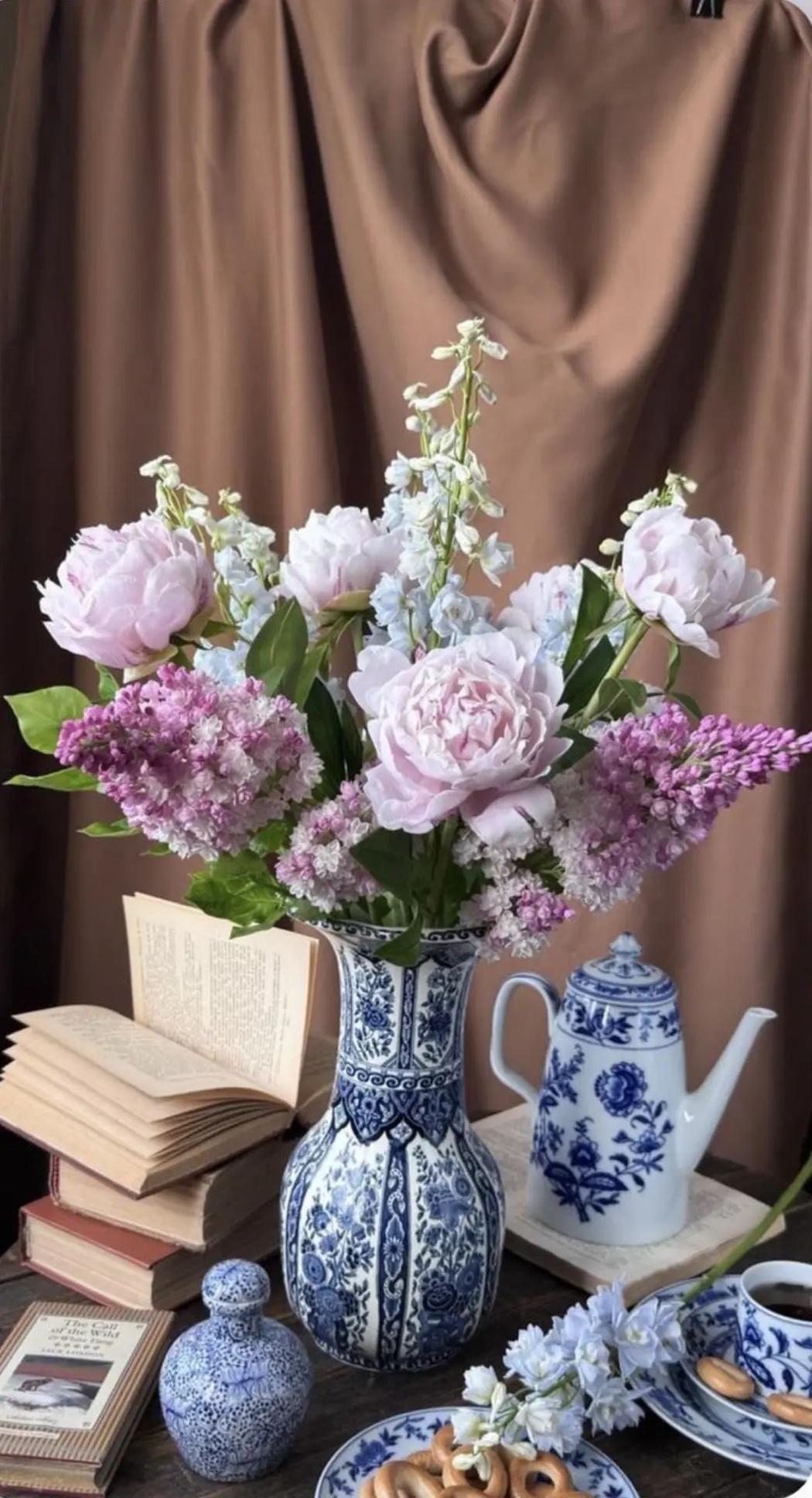 Artadi Studio | Lilac And Pionies | 2026
Which stage of the process is the most technically demanding: shaping the petals, reproducing texture, mixing colors, constructing stems, or assembling the composition?
Undoubtedly, the most challenging part of portraying a flower is making it feel as alive as possible. To achieve this, we try to capture and recreate not only its form, but also its movement. For us, artistic vision lies in the ability to convey how a flower trembles in the wind, fades in the sunlight, or is nibbled by a tiny insect. Flowers depicted “in motion” always draw the eye.
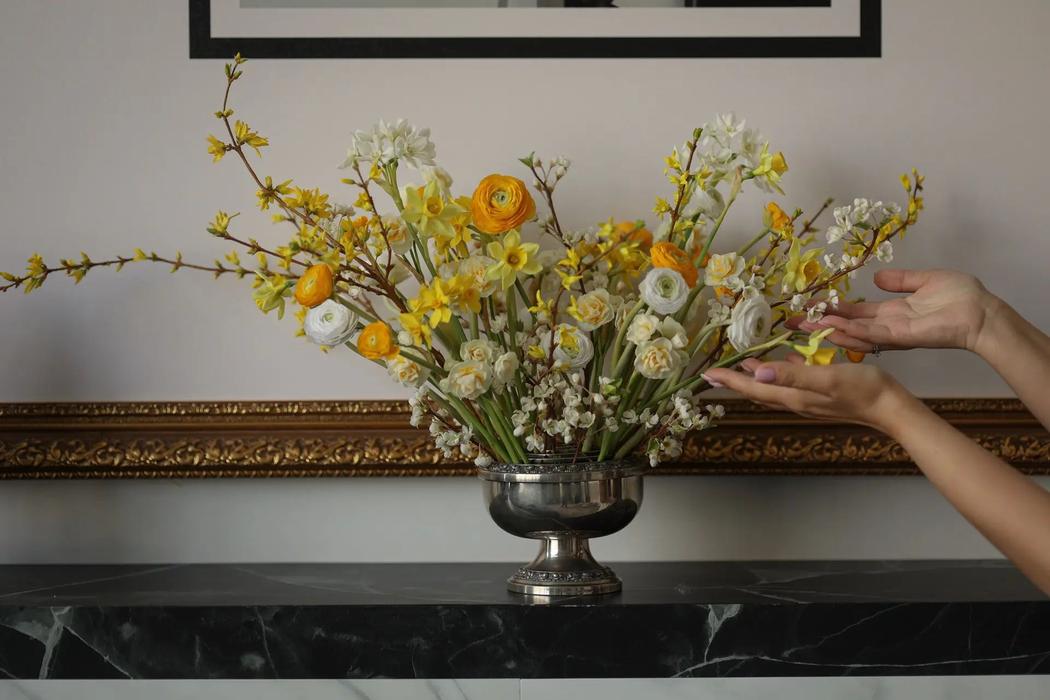 Artadi Studio | Composition In Roseball | 2026
Artadi brings together several experienced artists. How do you collaborate as a team while preserving the individual artistic voice of each master?
Creating a single flower from cold porcelain can require anywhere from 2 hours of work for a snowdrop to 56 hours of continuous (!) labour for a single branch of double-flowered lilac.
Of course, one artist can take on a bouquet of peonies, but maintaining a steady pace and handling large orders is much more challenging. Working together on arrangements and bouquets therefore allows us to complete orders within reasonable timeframes.
Naturally, each artist has their own distinctive style—after all, every flower is handmade. However, we all work within the field of realistic floral art, so the flowers created by one artist complement those made by another beautifully.
When discussing a new project, each artist usually chooses the flowers they will create entirely from start to finish. Once all the individual elements are complete, we gather in the studio, where our professionally trained florist, who specialises in various bouquet-making techniques, assembles the final arrangement.
We always arrange professional photography of our flowers before delivering the finished order to the client.
Artadi brings together four artists, each with extensive experience in cold porcelain. How do you organize your master classes in Moscow and Dubai, and what is the most important skill or understanding you hope participants take away from them?
At our studio in Moscow, classes take place almost every day. Several of our studio’s artists are responsible for the teaching process, and they not only substitute for one another but also complement each other’s expertise: some teach how to sculpt wildflowers, others focus on garden flowers, while others specialize in flowers for beginners.
Students can attend a single flower-sculpting lesson or take a complete series of classes as part of a course dedicated to a particular theme.
In Dubai, we have considerably less time to teach our art because the classes are conducted during our instructor’s visits. For this reason, the Dubai programme is planned very carefully and well in advance as a series of masterclasses, with the main goal of achieving a beautiful result in the shortest possible time.
In Moscow, our priority is to teach people how to sculpt flowers not only during the lessons but also independently afterwards. In Dubai, however, what matters most to us is that every guest leaves the class with an impressive finished flower and a highly positive experience.
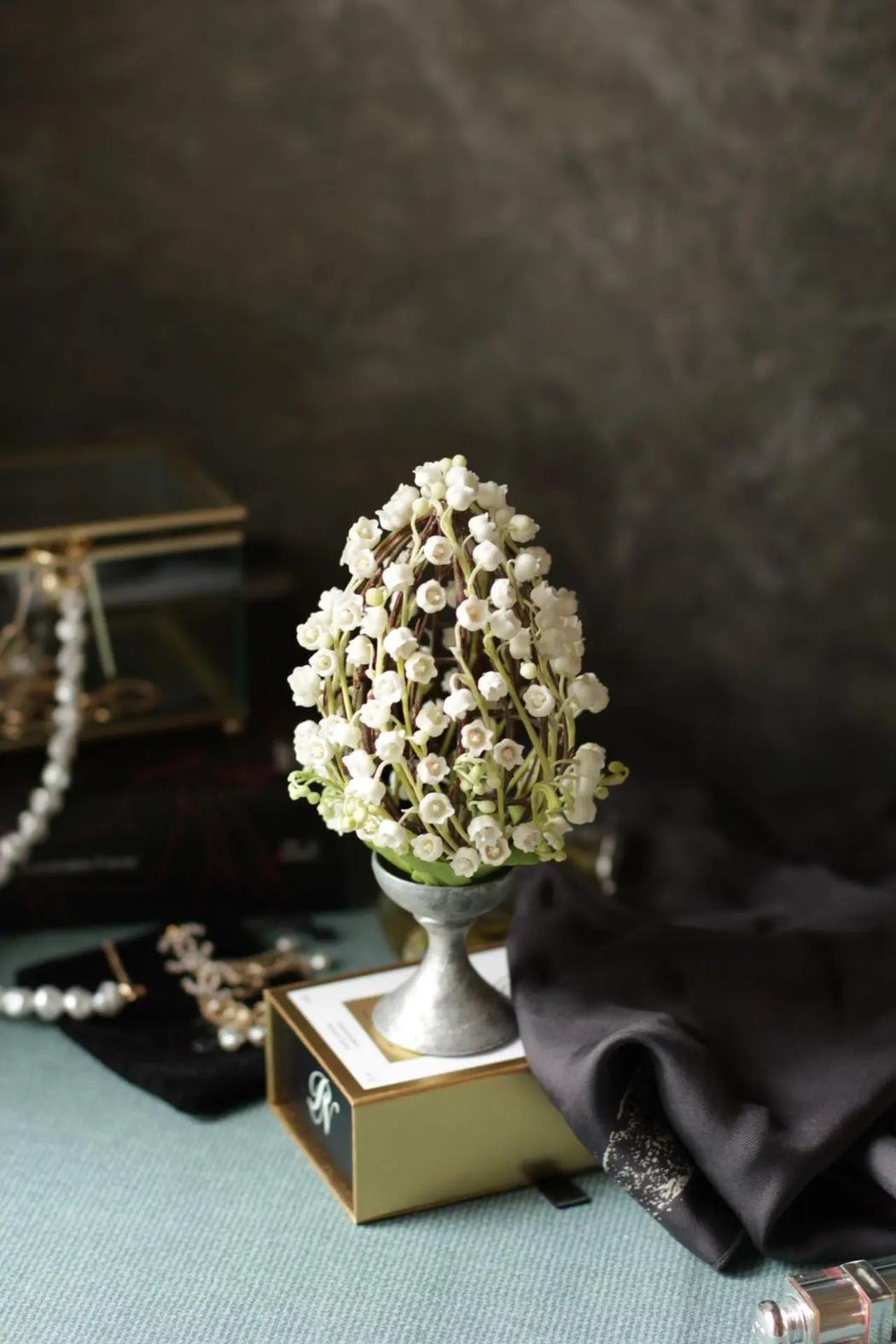 Artadi Studio | Lilies Of The Valley Easter Egg | 2024
What emotions, memories, or associations would you like viewers to experience when encountering your floral sculptures?
When we teach ordinary economists, doctors, teachers, makeup artists, and people from many other professions at our workshops, we see surprise and joy in their eyes when they realize that, in just five or six hours, they have managed to transform a simple piece of clay into a lifelike flower, complete with pistils, delicate membranes, and thorns. By creating their own flower from cold porcelain, they have connected with art—and this makes the world around us a better place.
With our flowers, we create a person’s mood from the very beginning of the day, as they pass by them in their home each morning. This is a great responsibility. That is why we try to fill our flowers with lightness, warmth, and positive emotions. Our flowers in an interior become a small island of beauty and tenderness.