
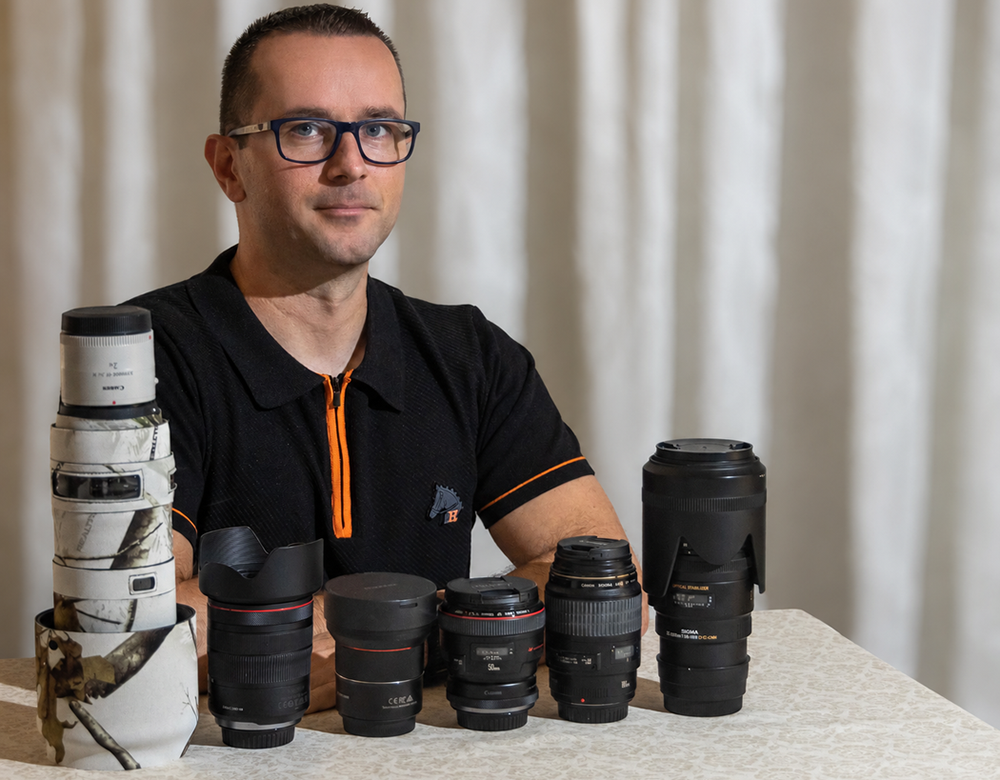
Nikola Glavan
How did your journey into fine art photography begin, and what first drew you to architecture, light, and urban landscapes?
My journey into fine art photography wasn’t a direct one. Over the years, I explored many different genres, from wildlife photography to portraiture, always searching for the style that felt most natural to me. Through that process, I realized that fine art photography gave me the greatest opportunity to express creativity and develop my own visual language.
What drew me to architecture, light, and urban landscapes was the challenge of seeing familiar subjects differently. Buildings and structures are often things people pass by every day without a second thought. I became fascinated by the idea of transforming those ordinary scenes into something visually striking—an image that makes someone stop, look again, and discover a new perspective.
Living in Qatar played a significant role in that development. The country is home to remarkable contemporary architecture and bold urban design, which constantly inspired me to explore shape, form, light, and geometry. Over time, architecture became more than a subject for me; it became a way of expressing how I see the world through composition, simplicity, and visual storytelling.
In works such as Between Two Realities, reflection becomes almost as important as the city itself. What role do reflections play in your photography?
Reflections play a very important role in my photography because they are something I am constantly looking for when I explore a city. Whenever I photograph a building or an architectural structure, I naturally start searching for ways to incorporate a reflection, whether it’s in water, glass, or another reflective surface.
What fascinates me about reflections is that they allow the same subject to exist in two different forms within a single image. On one side, you have the real structure—sharp, solid, and defined. On the other, you have its reflection, which is often softer, distorted, and more fluid. That contrast creates a visual dialogue between reality and perception.
In Between Two Realities, the reflection is just as important as the city itself because it transforms the scene from a straightforward architectural photograph into something more open to interpretation. I find reflected images more engaging because they encourage viewers to spend more time with the photograph, looking beyond the obvious and creating their own meaning from what they see.
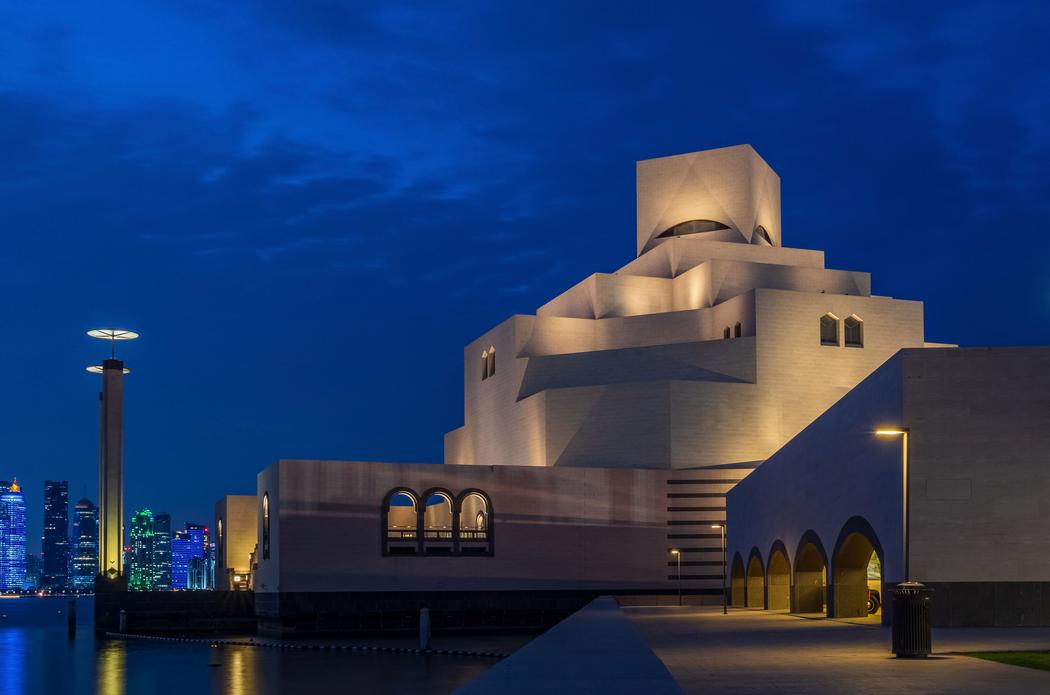 Nikola Glavan | Geometry Of Silence | 2026
What do you enjoy most about photographing Doha at night?
What I enjoy most about photographing Doha at night is how the city transforms after sunset. Many of the buildings take on a completely different character once they are illuminated. The lighting highlights architectural details and shapes that often go unnoticed during the day, while the changing colors give familiar structures a new visual identity.
Doha is especially rewarding to photograph at night because its modern skyline was designed to be seen after dark. The combination of innovative architecture, reflections, and carefully designed lighting creates endless opportunities for creative interpretation. Every time I go out with my camera, I feel like I am seeing the city from a new perspective.
Long exposure photography can reveal things that the eye does not normally perceive. What does this technique allow you to express that a regular exposure cannot?
What I enjoy most about long exposure photography is its ability to transform ordinary scenes into something that exists beyond normal perception. Water becomes smooth and almost surreal, while clouds stretch across the sky in ways we never see with our own eyes. It allows me to create a different interpretation of reality rather than simply document it.
I am also drawn to the light trails created by passing cars and boats. While they may appear simple at first glance, creating them effectively requires careful planning, timing, and patience. These trails add movement and energy to an image, helping guide the viewer’s eye through the composition.
Another aspect I appreciate is the ability to simplify busy urban environments. By removing the distraction of passing people, the focus remains on the architecture, light, and atmosphere of the scene.
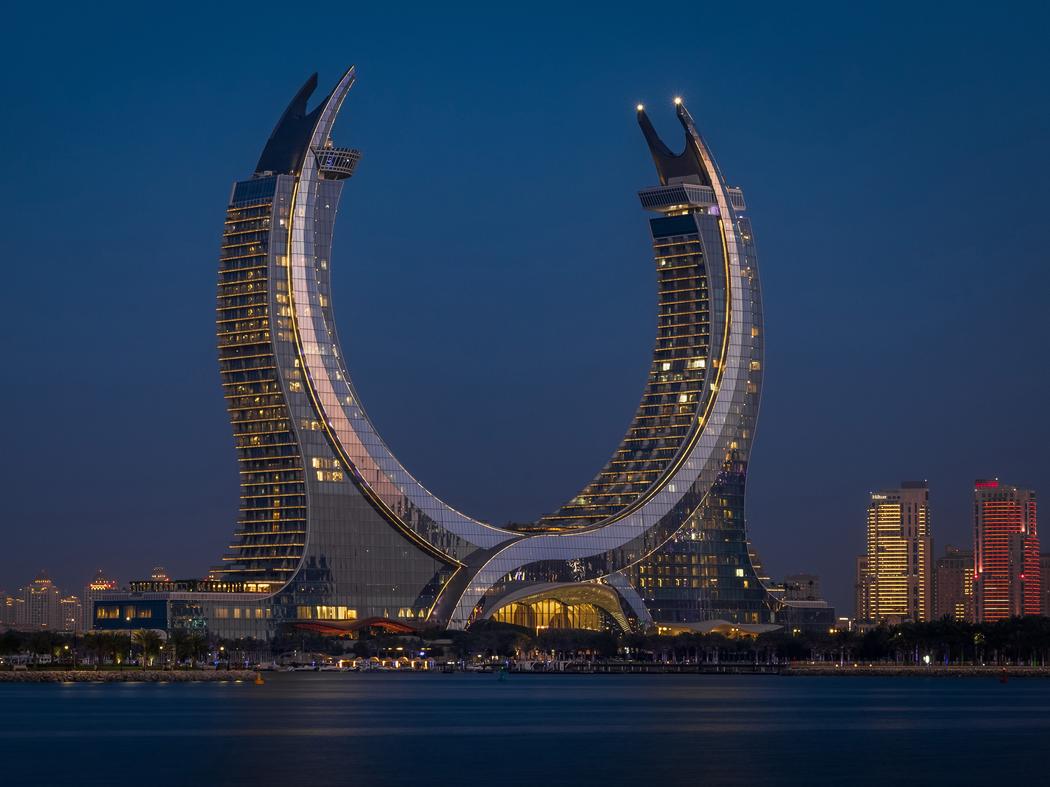 Nikola Glavan | Crescent Of Light | 2026
What challenges do you face when shooting long exposure photography?
One of the biggest challenges in long exposure photography is the weather. Conditions like wind or sudden changes in the environment can easily affect the outcome of an image and sometimes completely ruin an exposure.
Another challenge is working in crowded urban locations, where finding a clean and controlled composition can be difficult. I often have to wait for the right moment when the scene clears or simplifies enough to make the image work.
I also don’t always carry a tripod with me, so I sometimes have to improvise in order to achieve the long exposure effect, depending on the situation.
Finally, patience is a key part of the process. With long exposures, each attempt can take several minutes, and before you know it, you can spend hours refining the same shot until everything aligns the way you want it to.
What kind of atmosphere do you try to capture in your work?
In my work, I try to capture a calm and almost cinematic atmosphere within urban environments. I am drawn to scenes where architecture, light, and geometry come together in a way that feels minimal and balanced, often removing distractions to focus on form and structure.
Overall, I aim for a sense of quiet and stillness, even in busy urban environments. I want the viewer to pause for a moment and experience the city in a more abstract and contemplative way.
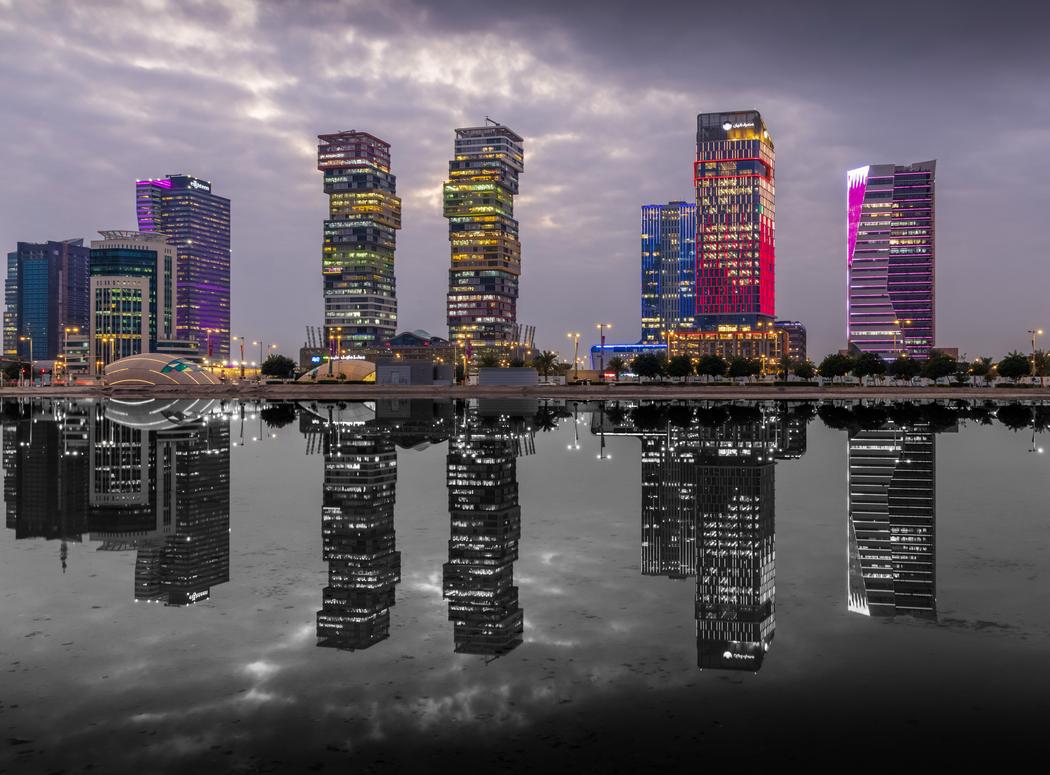 Nikola Glavan | Between Two Realities | 2023
Looking ahead, how would you like your photography to evolve, and are there any new places, themes, or visual ideas you would like to explore next?
I see my photography continuing to evolve in a more intentional and focused direction. I would like to further develop my visual language, especially in how I use architecture, light, and long exposure techniques to create more minimal and atmospheric compositions.
I am also interested in exploring new environments beyond Doha, as experiencing different cities and architectural styles naturally influences how I see and interpret urban spaces.
On a broader level, my goal is to continue building towards more cohesive bodies of work that could eventually be presented in a gallery setting. I see that as a natural next step in my development, but for now I am focused on refining my approach and taking smaller steps that gradually lead in that direction.

Leave a Reply
You must be logged in to post a comment.