
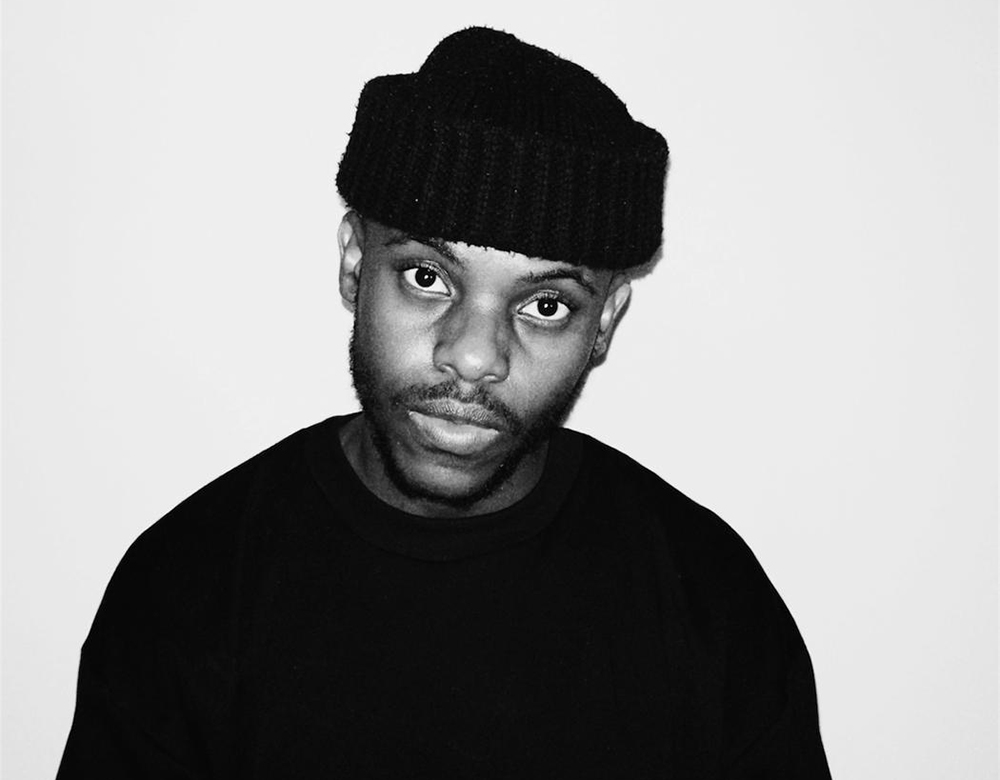
Lethabo Maboyane
Your biography mentions that you were raised in a household shaped by strong female figures. How has this influenced the way you understand care, strength, and belonging in your work?
Growing up in a female-led household taught me that strength isn’t always loud. Sometimes it’s showing up every day, working toward the life you want, while still making time to care for the people around you. I saw that in both my mother and my sister. They were ambitious, hardworking, and determined, but they were also nurturing and always made me feel heard.
Their support allowed me to take my own interests seriously and gave me the confidence to pursue them without feeling like I had to fit into a specific mould. Because of that, care has become an important part of how I think about my work. I want people to feel something when they encounter it. I want them to feel a sense of warmth, humanity, and belonging. In many ways, the environment I grew up in taught me that being cared for gives you the freedom to become who you are, and I think that idea continues to shape my work today.
Many of your works seem to explore childhood, memory, and family intimacy. What draws you to these early personal experiences as artistic material?
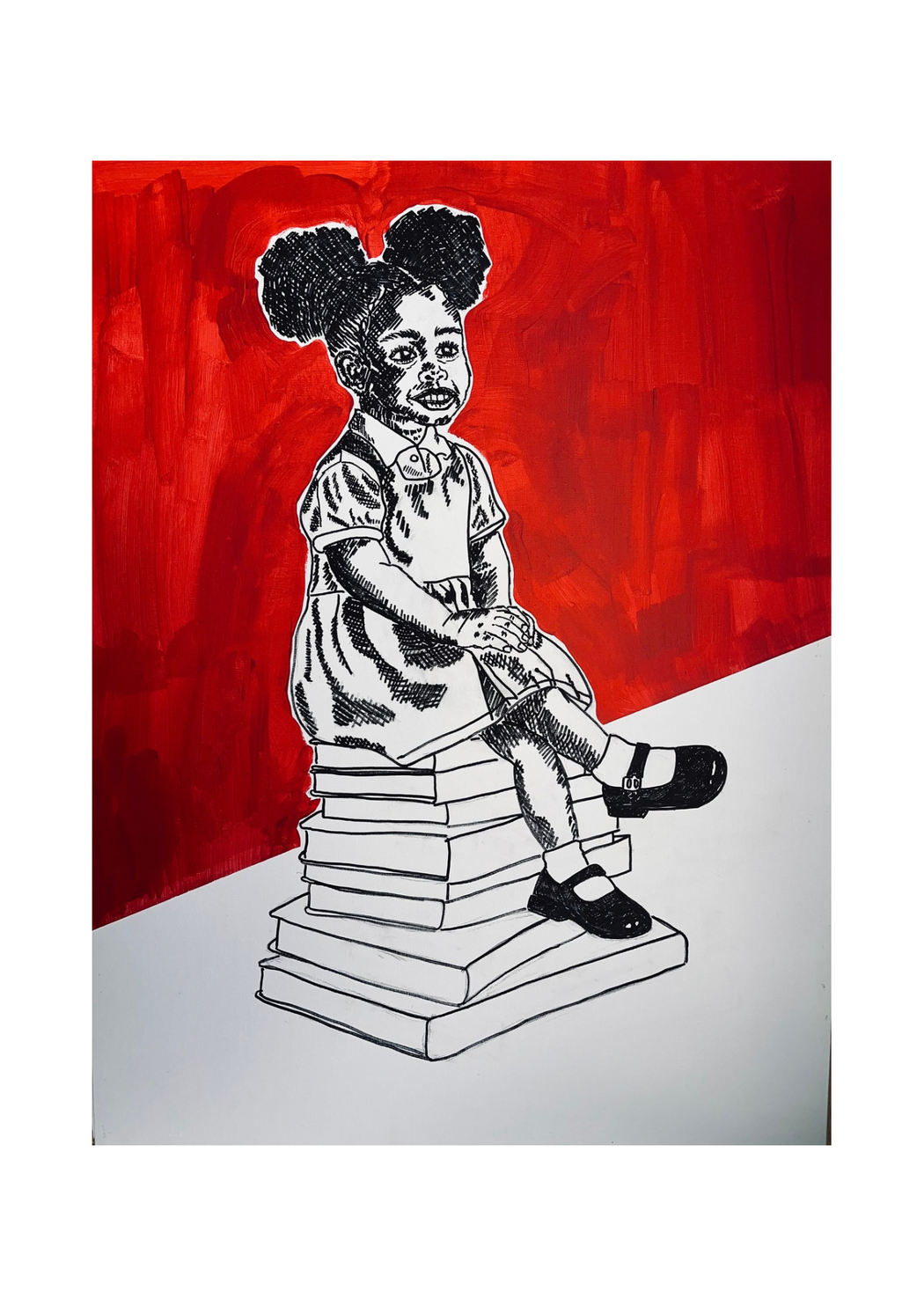
I often return to childhood because, to me, it represents freedom. When you’re a child, there are fewer expectations placed on you, and imagination comes naturally. You can create entire worlds out of almost nothing. Looking back, some of my most meaningful memories are tied to family, my sister, and the friendships that shaped me growing up.
What interests me isn’t necessarily nostalgia. It’s the feeling that exists within those memories. There is a sense of hope, curiosity, and possibility that I think many people lose touch with as they get older. When I paint, I’m often trying to reconnect with that part of myself. I’m searching for the same sense of wonder and play that existed before life became so concerned with outcomes and expectations.
I want viewers to feel that freedom too. Even when a work is rooted in a personal memory, my hope is that it encourages people to reflect on their own experiences and reconnect with something meaningful within themselves.
You often use the human figure, gesture, and posture to communicate emotion. How do you decide what kind of body language will carry the feeling of a piece?
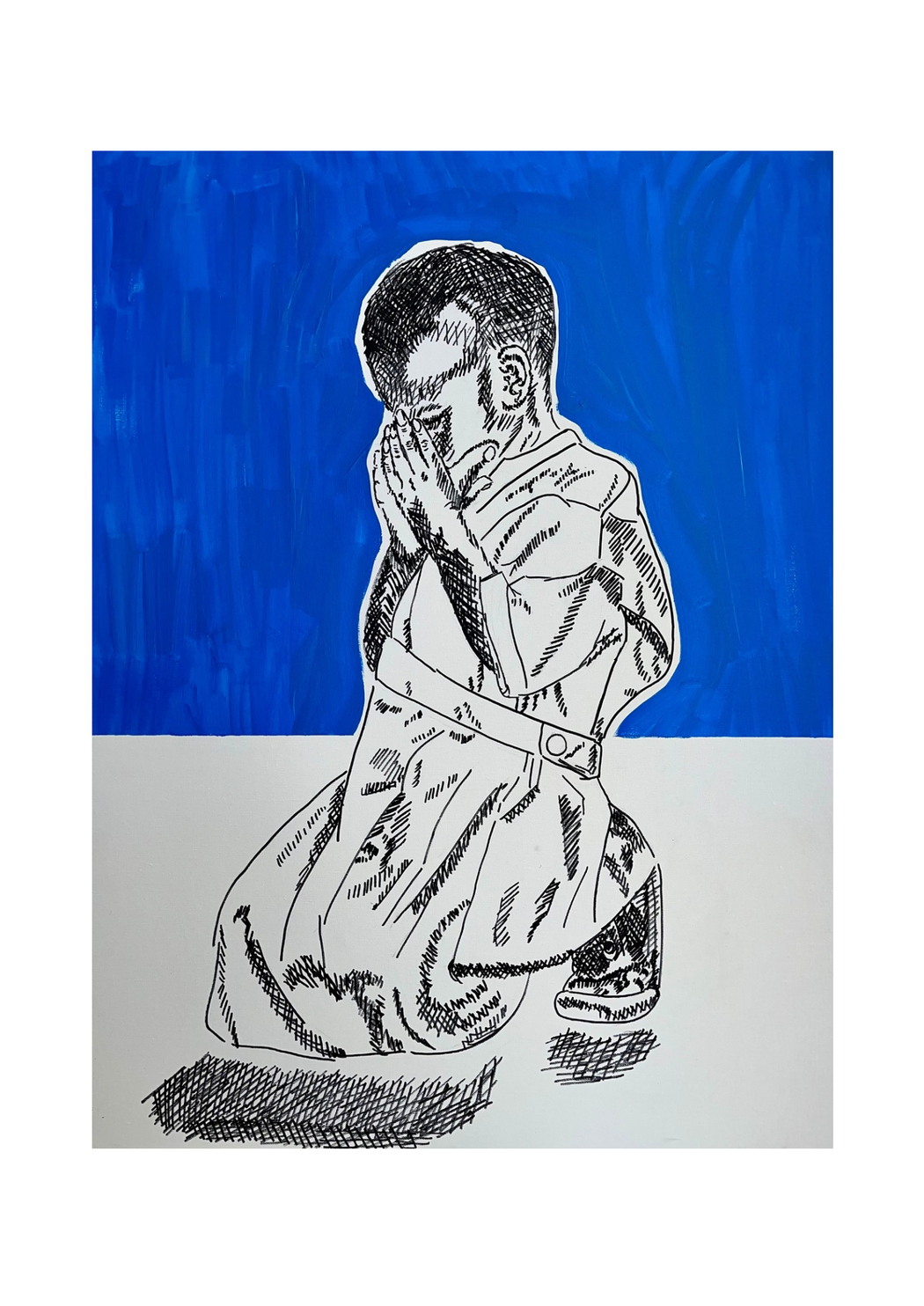
A lot of my work begins with old family photographs. I spend a lot of time looking through albums because those images hold real moments and real emotions. What interests me isn’t only what people looked like, but how they carried themselves. The way someone sits, walks, kneels, or even turns away from the camera can reveal something about what they were feeling in that moment.
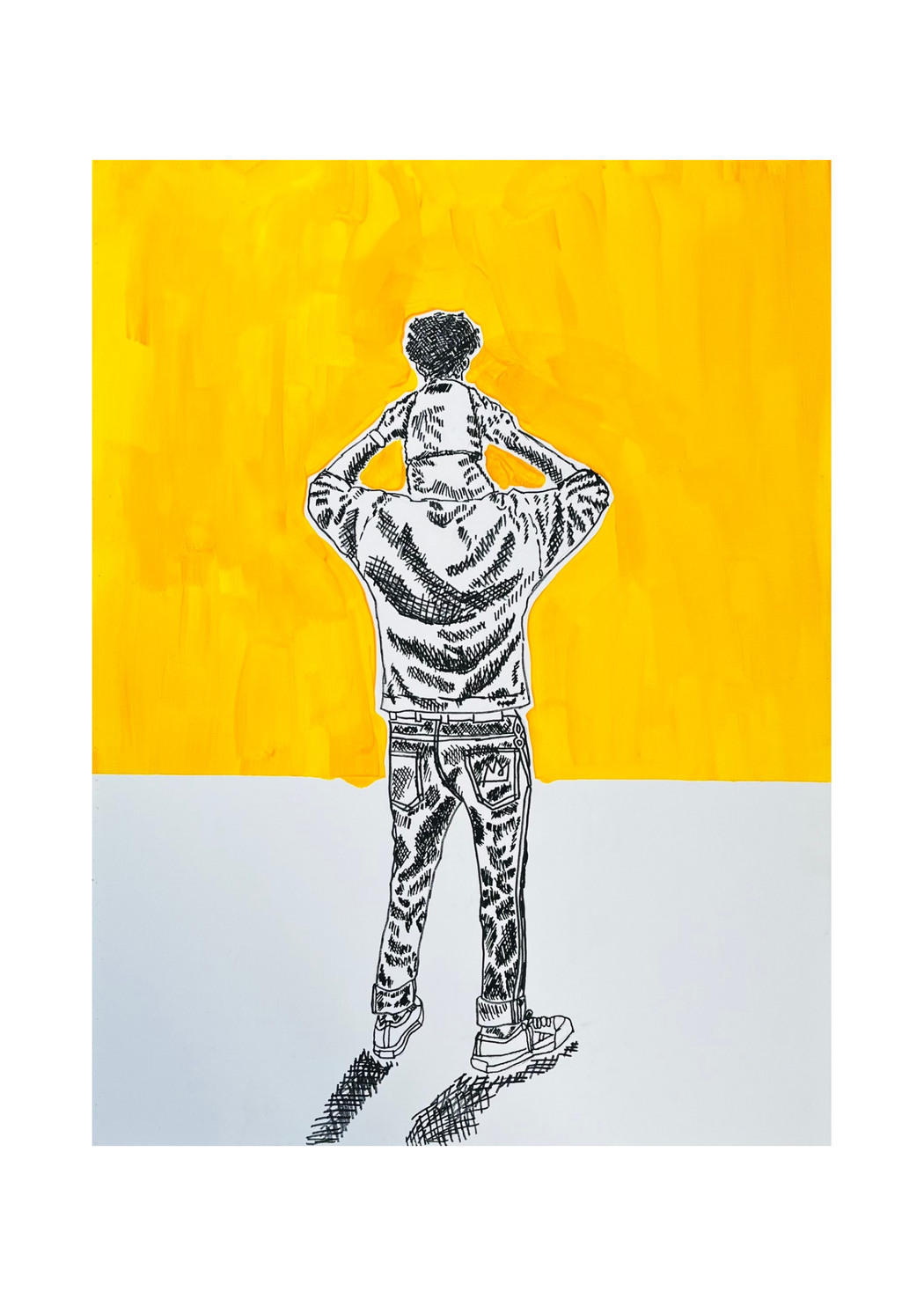
When I’m creating a piece, I rely heavily on intuition. Sometimes a pose simply feels right, and I trust that feeling. A person walking can be incredibly powerful because it raises questions. Where are they going? What are they leaving behind? What are they moving toward? I think body language often communicates things that words cannot.
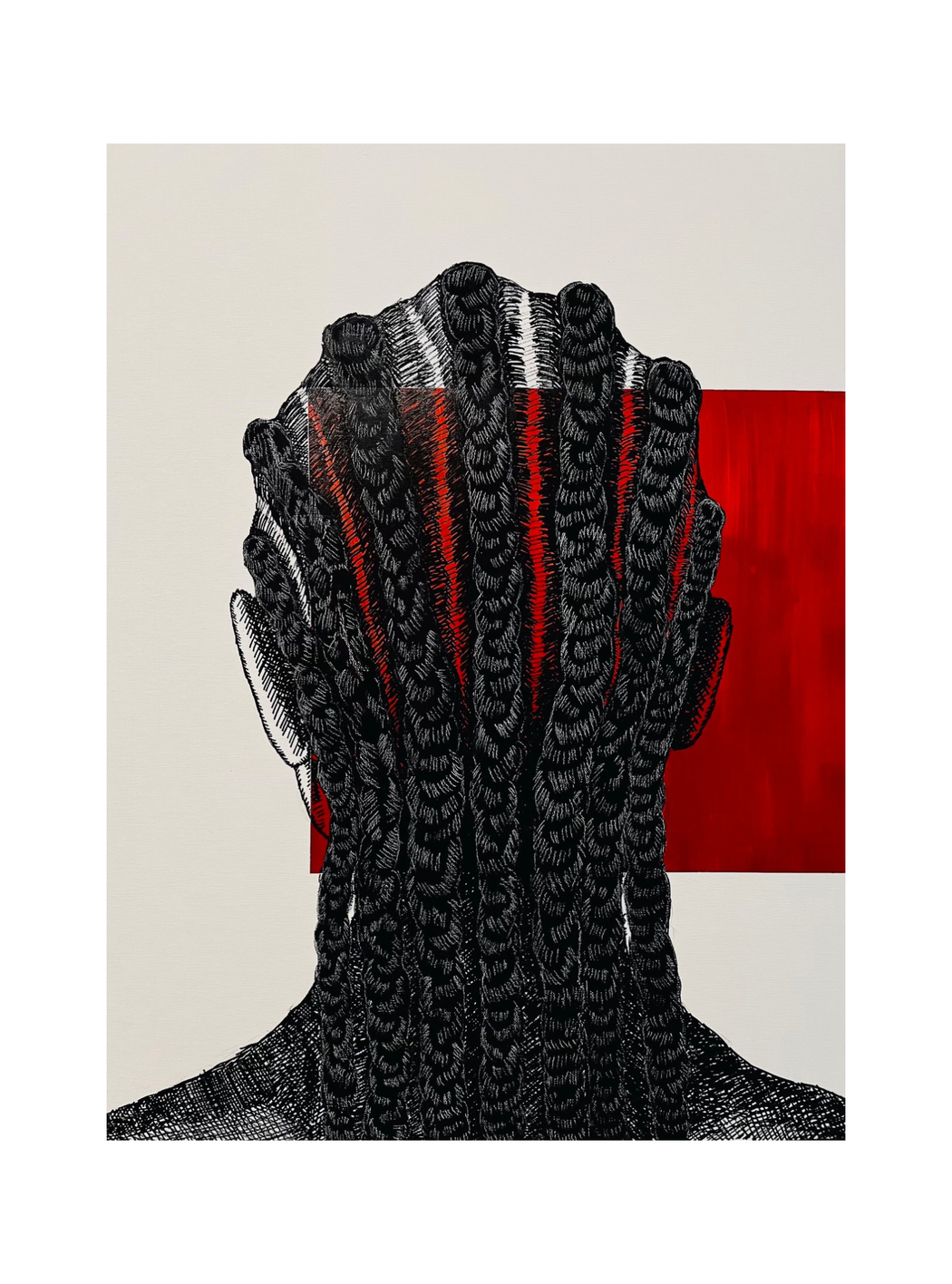
In some works, I choose to turn a figure away from the viewer. I’m not trying to hide their identity. If anything, I’m creating space for people to see themselves in the work. I want the viewer to bring their own memories, emotions, and experiences into the image.
The contrast between detailed black linework and bold areas of colour appears strongly in your works. What role does colour play in your visual language?
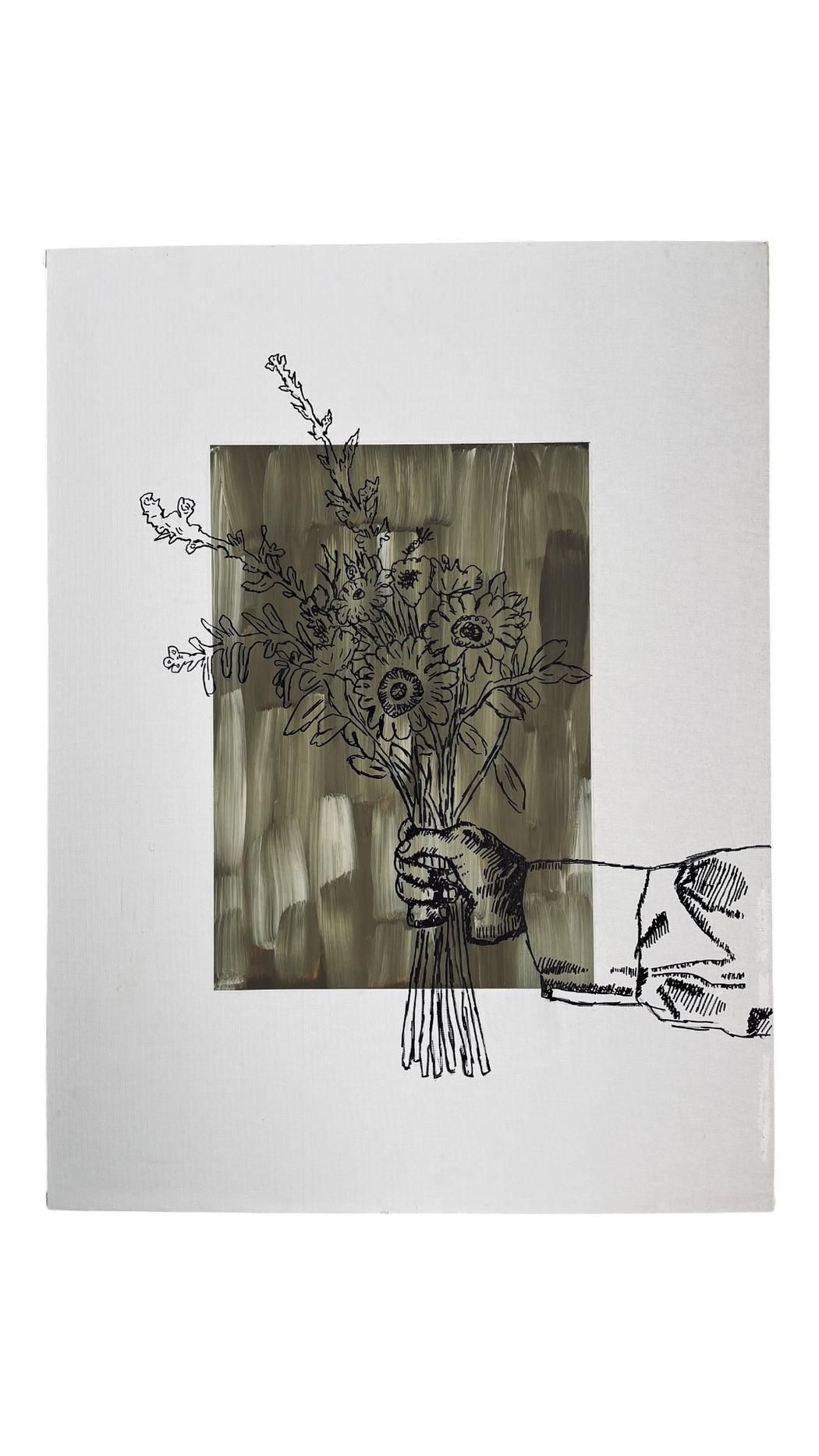
For me, both linework and colour carry meaning. My use of cross-hatching comes from an appreciation for process. A single line doesn’t create a drawing. It’s the accumulation of lines over time that gives the image its form. I often think about life in a similar way. We are shaped by countless experiences, conversations, decisions, and attempts. Every line has a purpose, even if it isn’t perfect.
Colour is where emotion enters the work. I don’t approach colour through strict rules. I approach it through feeling. Certain colours create different emotional atmospheres, and I’m always thinking about how a colour might affect the way someone experiences a piece. A blue can feel hopeful, calm, or distant. A red can feel powerful, grounded, or deeply emotional.
What matters most to me is not whether a colour is traditionally beautiful, but whether it feels honest to the story I’m trying to tell. Sometimes a colour choice only makes sense because of how it felt in that particular moment. I think colour has the ability to connect with people emotionally before they even understand why.
Your sister’s drawings were one of your earliest introductions to art. Do you still feel a connection between your current practice and those first moments of observing and imitating?
Absolutely. My sister was the first person who showed me that art could be more than just something you see, it could be something you create. Watching her draw felt almost magical to me as a child. I didn’t fully understand how she was doing it, but I knew I wanted to try. I would look at what she made and attempt to recreate it, not because I thought I could do it better, but because I was fascinated by the possibility of it.
That connection has never really left me. Even today, she remains one of my biggest inspirations. Whenever she responds positively to my work, it still means a lot to me. As an architect, she continues to create spaces that improve people’s lives and allow them to experience dignity in the environments they inhabit. I admire that deeply.
When I think about my own practice, I realise that many of the values I care about are connection, dignity, care, and humanity as values that I have also seen reflected in her work. In some ways, I am still connected to that young version of myself who was amazed by what his sister could create and curious enough to try it for himself.
You spent time away from art while focusing on business and economics, and later returned to creative practice. What changed in the way you understood art during that period?
Stepping away from art wasn’t a conscious decision. At the time, I was exploring different interests and trying to understand who I was. I became interested in business, entrepreneurship, fashion, and the opportunities that came with those worlds. Like many young people, I was influenced by the people around me and the paths they were taking.
Those experiences taught me a lot, but they also came with challenges. There were moments of uncertainty, disagreements, and questions about what I truly wanted from life. During one of those periods, I found myself returning to painting almost by accident. I wasn’t thinking about a career in art. I wasn’t thinking about exhibitions or recognition. I was simply looking for a place where I could process what I was feeling and reconnect with myself.
That experience changed the way I understood art. I realised that creativity wasn’t just something I enjoyed doing; it was something that helped me make sense of my experiences. Art became a space where I could be honest with myself. Looking back, I think I returned to painting because it gave me something I couldn’t find anywhere else: a sense of clarity, peace, and purpose.
You have expressed a desire for young Black artists to see themselves reflected in your work. What message would you like your practice to offer to the next generation of artists?
I want young Black artists to know that their stories matter and that their voices deserve to be heard. Growing up, many creative opportunities felt distant, and it wasn’t always easy to imagine a future built around art. Discovering that a creative life was possible changed the way I saw myself and what I believed I could achieve.
I didn’t follow a traditional path into the art world. I didn’t attend art school. I simply followed my curiosity, paid attention to what moved me, and continued creating. In many ways, not having all the answers allowed me to keep learning and discovering new possibilities.
If there’s one thing I hope young artists take from my work, it’s that they don’t need permission to begin. They don’t need to wait until everything is perfect. Their experiences, perspectives, and ideas already have value. South Africa is filled with extraordinary talent, and I believe some of the world’s most important artists are still waiting to be discovered. I hope my work encourages people to believe in themselves, trust their voice, and create with courage and hope.
Leave a Reply
You must be logged in to post a comment.