
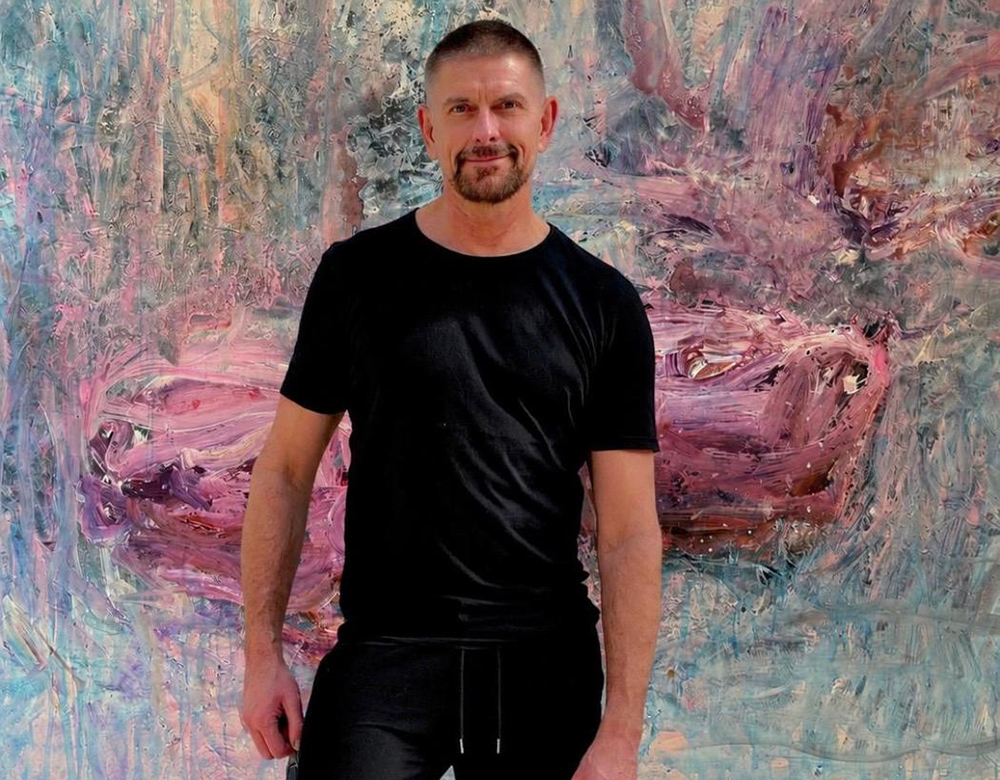
Ian Rayer-Smith
You have described a life-changing encounter with a single painting in a California gallery. What do you remember most clearly about that moment, and what made you realise that painting could give your life a new direction?
I can still remember standing in front of the painting and feeling something I had never experienced before. It wasn’t just admiration for the work; it felt as though the painting was alive. It had an energy and presence that completely stopped me in my tracks.
At that point in my life I had built a successful business, but I wasn’t fulfilled. Looking back, I think that painting gave me permission to imagine a different life. It wasn’t a rational decision. It was instinctive. I left the gallery knowing I wanted to paint, despite having no artistic background at all.
That single encounter completely altered the direction of my life. It wasn’t about becoming an artist overnight; it was about discovering something that finally made sense to me.
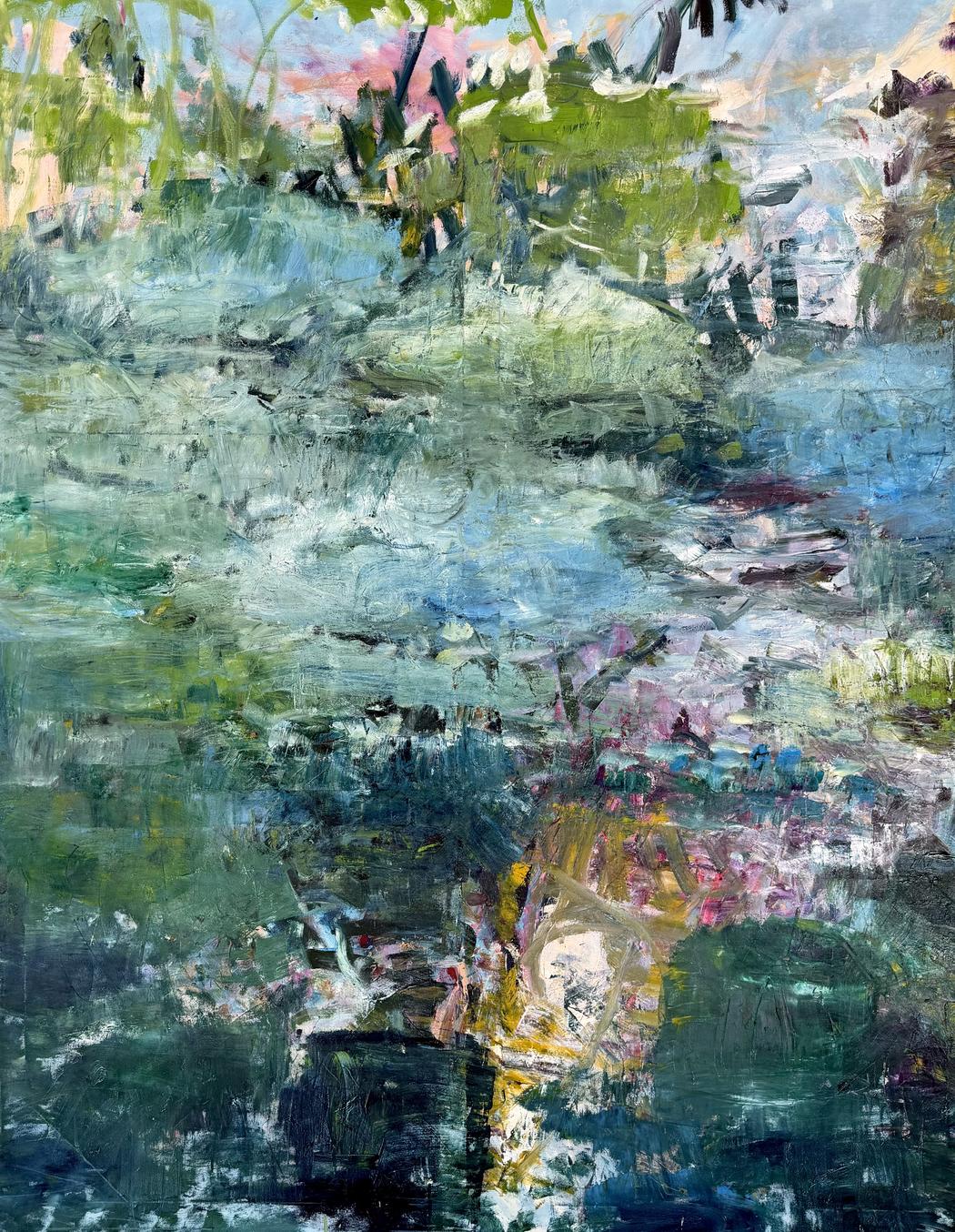 Ian Rayer-Smith | Hopes And Dreams | 2026
After leaving a career in business, you trained in fine art and later spent two years working intensively in isolation. What did that period teach you that formal education could not?
University gave me valuable technical foundations and exposed me to the history of painting, but the real education began afterwards when I was alone in the studio.
For two years I painted almost every day without worrying whether the work was good enough or whether anyone would ever see it. There was nobody telling me what should happen next. I had to learn to trust my own instincts.
That period taught me resilience. It also taught me that finding your own visual language isn’t something that can be taught. It comes from making thousands of decisions, making countless mistakes, and continuing even when the work feels uncertain.
I think every artist eventually reaches a point where they have to stop looking for permission and simply listen to themselves.
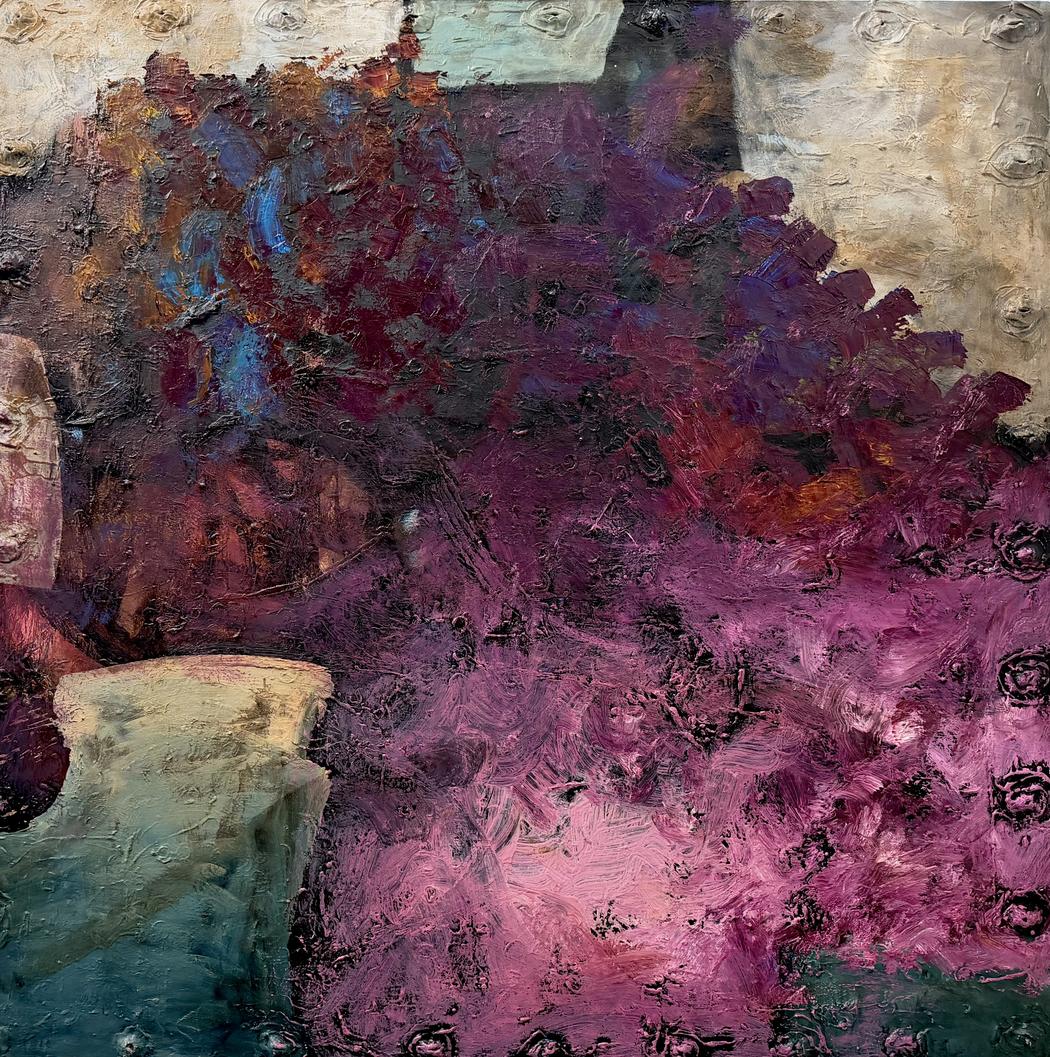 Ian Rayer-Smith | Rigours | 2026
You begin each studio day with music and allow it to accompany the entire painting process. How does music affect your rhythm, gestures, or emotional state while you work?
Music is part of the atmosphere of the studio. I don’t choose it to illustrate a painting, but it helps create a mental space where I stop analysing and become more instinctive.
Different music changes the pace of my movements. Sometimes it’s energetic and physical, encouraging fast, expressive marks. Other times it’s quieter and slows everything down, allowing me to notice subtleties that I might otherwise miss.
The painting and the music almost become one continuous rhythm. After a while I’m no longer aware of either independently, they simply become part of the same experience.
You say that you often follow the painting rather than lead it. How do you recognise the moment when a work begins to develop its own direction?
Usually it’s when the painting surprises me.
I’ll make a mark without fully understanding why, and suddenly it opens a completely unexpected possibility. From that point on I’m responding rather than directing. The painting begins presenting problems and opportunities that I couldn’t have planned.
If I try to force an idea onto it, the work often loses its energy. I’ve learned that my role isn’t to control every decision but to recognise when something unexpected has happened and have the confidence to follow it. That’s when painting becomes exciting.
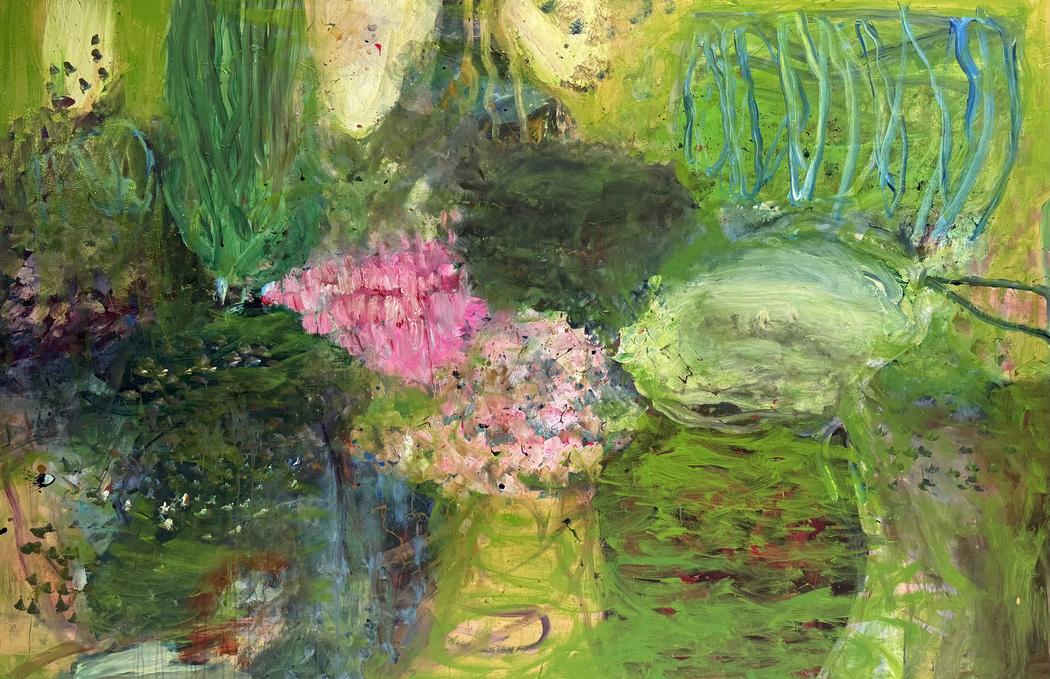 Ian Rayer-Smith | The Drift | 2026
Your paintings combine spontaneous gestures with areas that feel layered, erased, covered, or partially revealed. How important are revision and destruction within your process?
They’re essential.
People often think painting is about adding, but for me it’s equally about removing, covering, scraping back and allowing earlier decisions to remain visible beneath the surface.
Some of the most important moments happen when I destroy something I thought was working. Those decisions create history within the painting. Every layer leaves traces of previous thoughts, and I like the idea that the finished work contains evidence of its own journey.
Rather than hiding uncertainty, I embrace it.
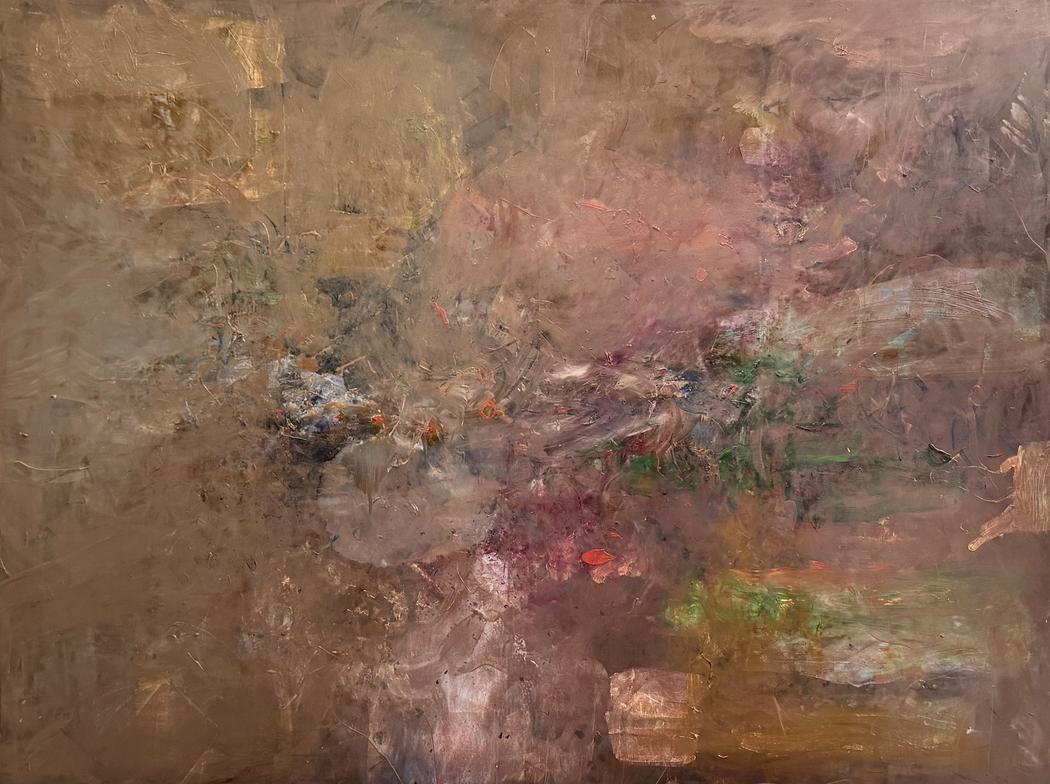 Ian Rayer-Smith | The Land Of Emotions | 2026
You describe your paintings as questions rather than answers. What kinds of questions are currently occupying you in the studio, and have they changed as your practice has developed?
Earlier in my career I was asking how I could paint.
Now I’m asking how far painting can go before it loses its identity, and how much emotion, memory and atmosphere can exist without describing anything directly.
I’m increasingly interested in creating paintings that don’t explain themselves immediately. I want them to unfold slowly, rewarding people who spend time with them.
The questions have become less about technique and much more about experience.
How can a painting continue revealing itself after someone has lived with it for years?
That’s something I think about constantly.
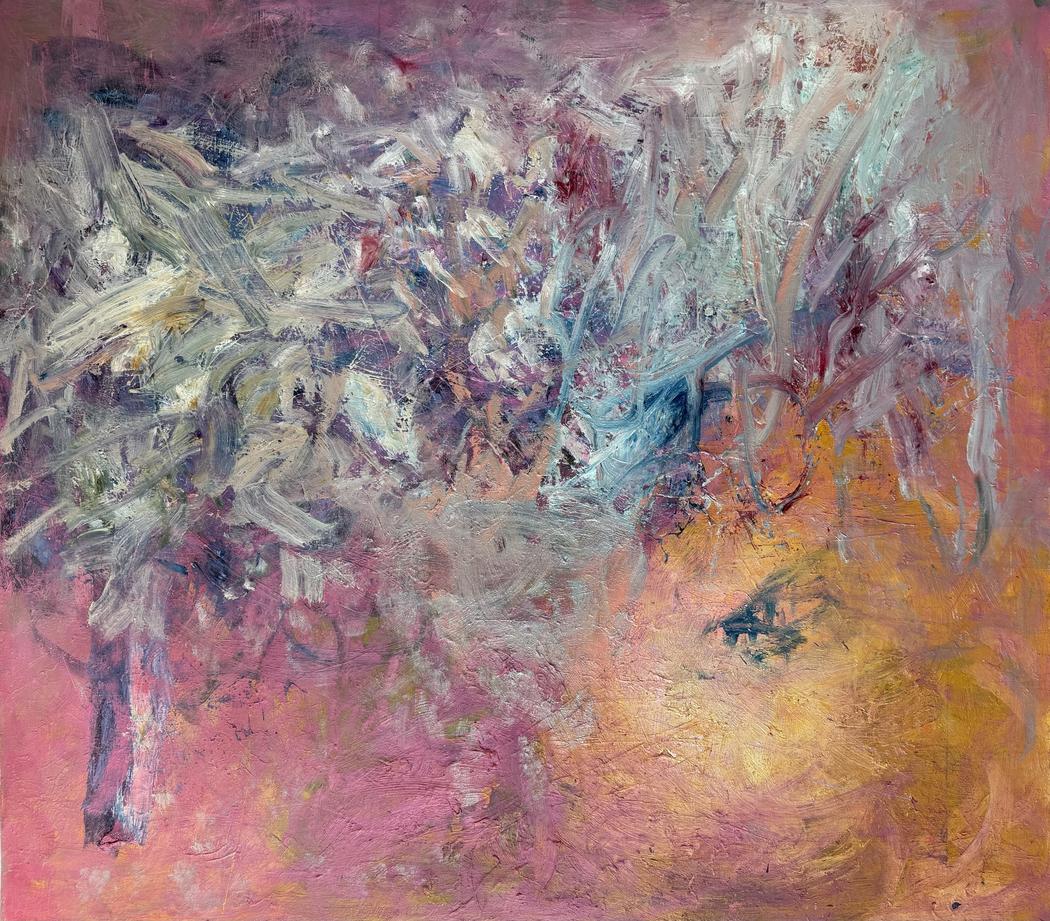 Ian Rayer-Smith | The Place Between | 2026
Painting gave you meaning, purpose, and “a reason”. Has the nature of that reason changed over time, and what are you still hoping to discover through painting?
Painting still gives me purpose, but the purpose has evolved.
At first it was about finding myself. Now it’s about continuing to discover something I didn’t know was there. Every new painting is an opportunity to enter unfamiliar territory.
I’m not interested in repeating myself or producing recognisable formulas. If I already know how a painting will end, I lose interest.
What keeps me motivated is the possibility that the next painting might reveal something completely unexpected. I hope I never lose that sense of curiosity because I think that’s where genuine creativity lives.