
Nick Carr
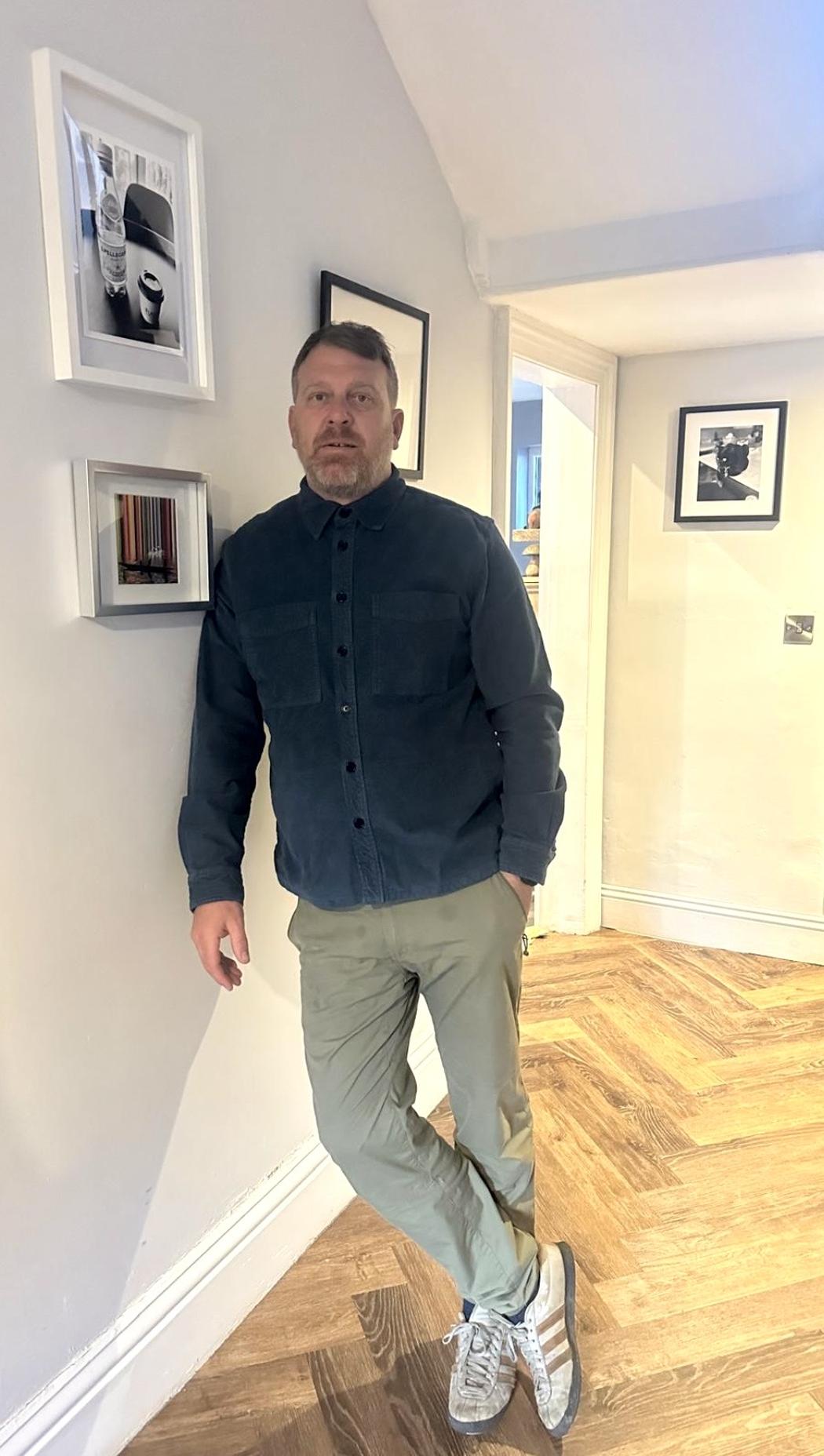
Your practice is shaped by travel and curiosity. What first drew you to photography as a way of understanding the world around you?
I was first drawn to photography around 30 years ago, mainly through abstract work. Discovering Jeanloup Sieff opened my eyes to how an ordinary scene — a simple landscape or everyday object — could become something timeless through mood, grain, and composition. Later, Aaron Siskind pushed that even further for me. His ability to turn decay, texture, and surface into the main subject made me realise that photography could reveal layers of the world most people walk past. Those early influences taught me that the camera isn’t just a tool for recording; it’s a way of noticing, questioning, and understanding the world in a more attentive way.
Many of your images focus on overlooked textures, shadows, structures, and everyday details. How do you decide that a seemingly ordinary moment is worth photographing?
Most people move through their day without really looking, and I’ve developed the opposite habit — constantly scanning for lines, textures, shadows, and shapes that sit quietly in the background. An ordinary moment becomes worth photographing when something about the light or structure suddenly stands out and feels alive in its own right. It’s rarely planned. It’s more like recognising a small visual shift that others might miss, and knowing there’s a story or atmosphere hidden in that overlooked detail.
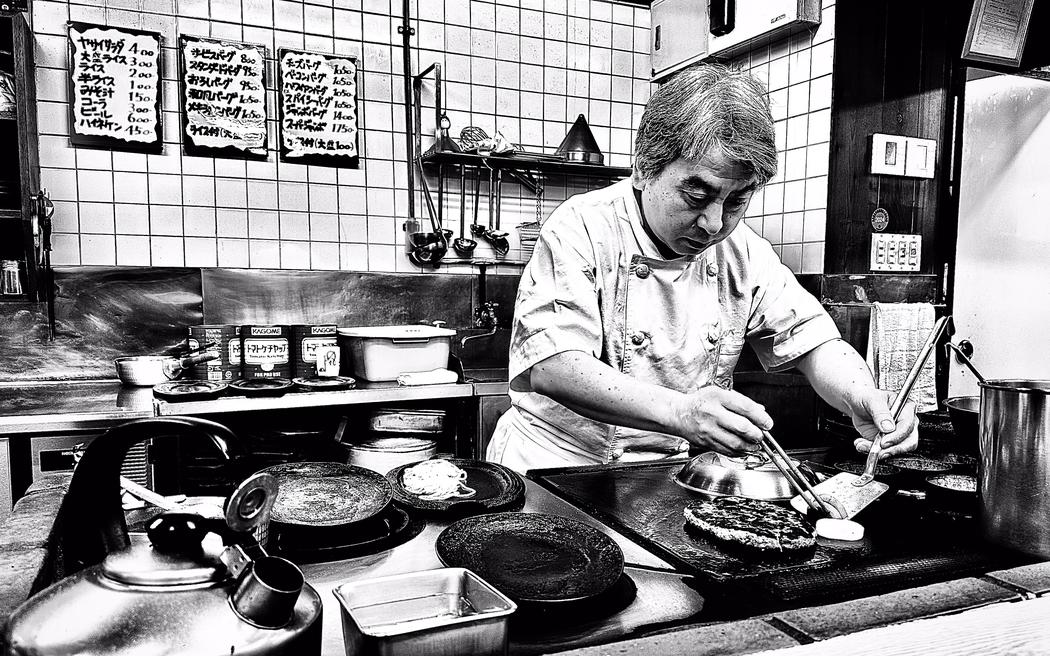
Black-and-white photography plays a central role in your work. What does monochrome allow you to express that colour sometimes cannot?
Monochrome strips a scene back to its essentials. Without colour, the viewer pays more attention to form, texture, contrast, and emotion. It gives an image a sense of timelessness and removes the distractions that colour sometimes brings. For me, black‑and‑white creates space for imagination — it lets the subject feel deeper, more atmospheric, and more open to interpretation.
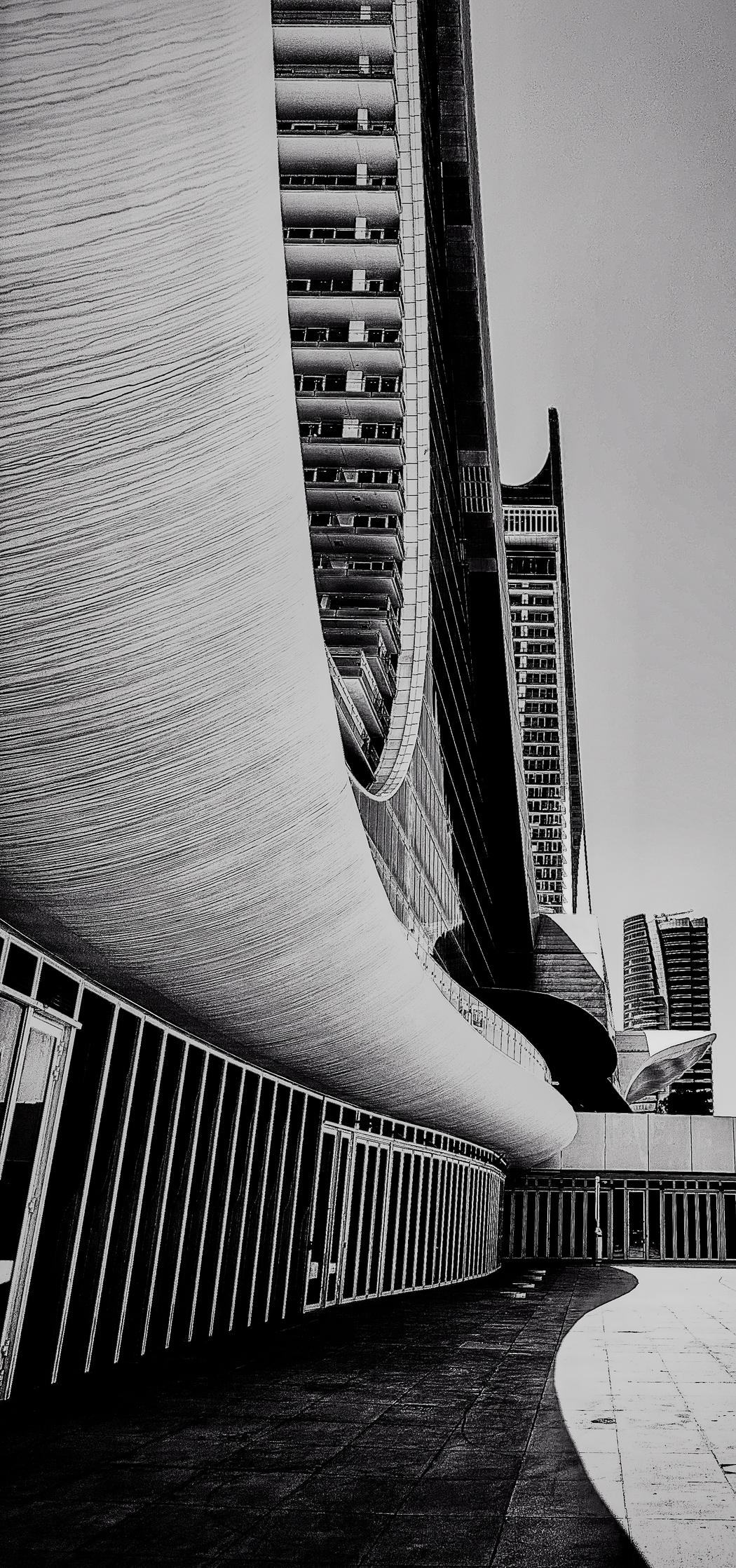
You mention that you also shoot in colour, but later decide whether the image should remain in colour or become monochrome. How do you make that decision?
We live in a world full of strong, vibrant colour, and sometimes that colour is the story. Urban art, weathered paint, or fading signage often rely on colour to show their character and history. When I shoot, I don’t decide immediately. I look at the image later and ask what carries the emotion or narrative. If colour adds meaning — if it shows decay, energy, or personality — I keep it. If colour gets in the way or distracts from the structure and mood, then monochrome is the better choice.
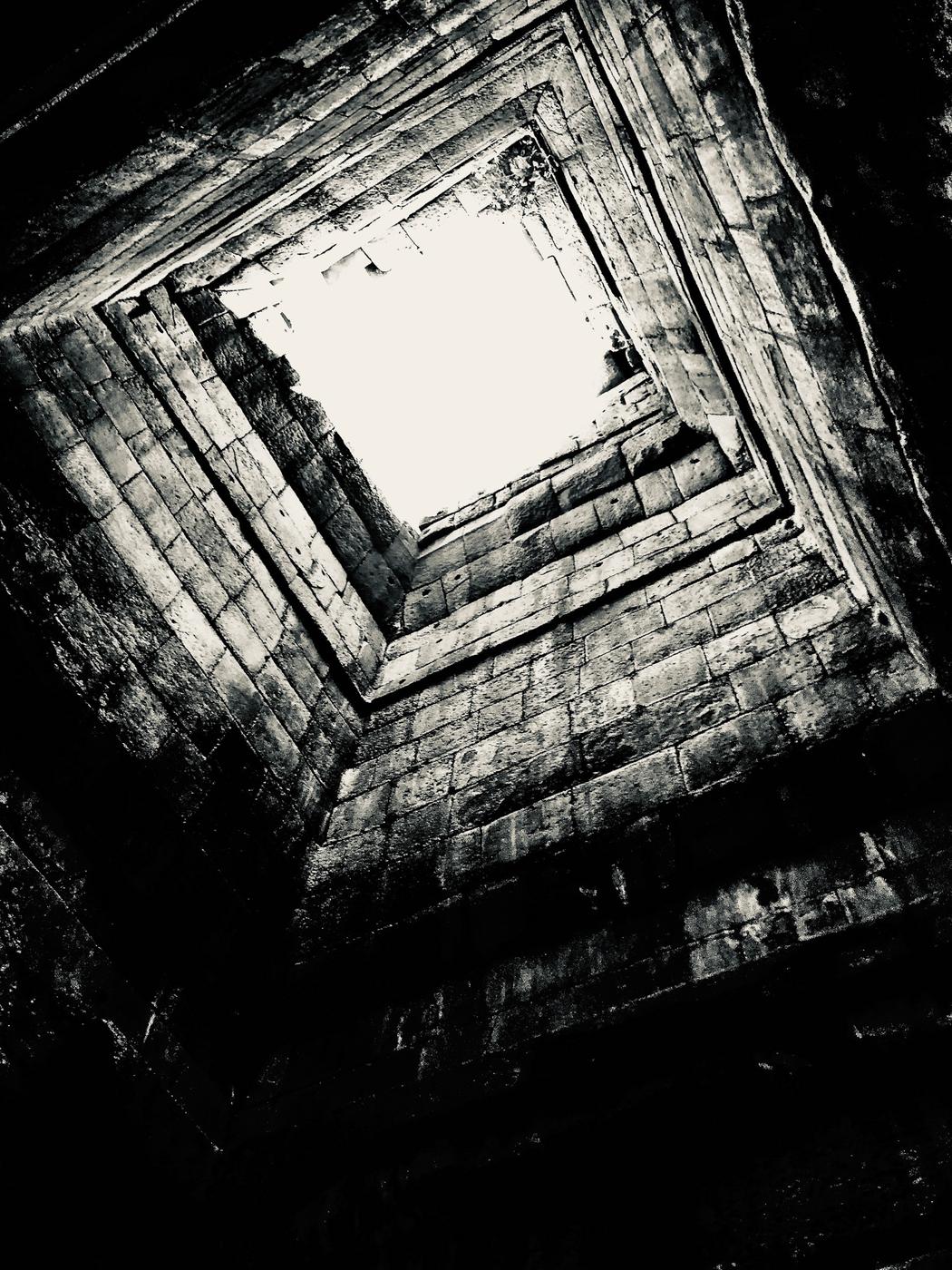 Nick Carr | Angkor Skylight
Your photographs often contain strong contrasts, grain, and a sense of ambiguity. How important is imperfection to the emotional impact of your images?
Imperfection is central to my work. We live in a time where everything is expected to be polished and flawless, especially online, and I’m drawn to the opposite. Slight underexposure, grain, and ambiguity feel more honest to me. They reflect how we actually experience the world — imperfectly, individually, and sometimes unclearly. Those imperfections invite people to interpret the image for themselves rather than being told exactly what to see. It’s my way of saying that difference, roughness, and uncertainty have value.
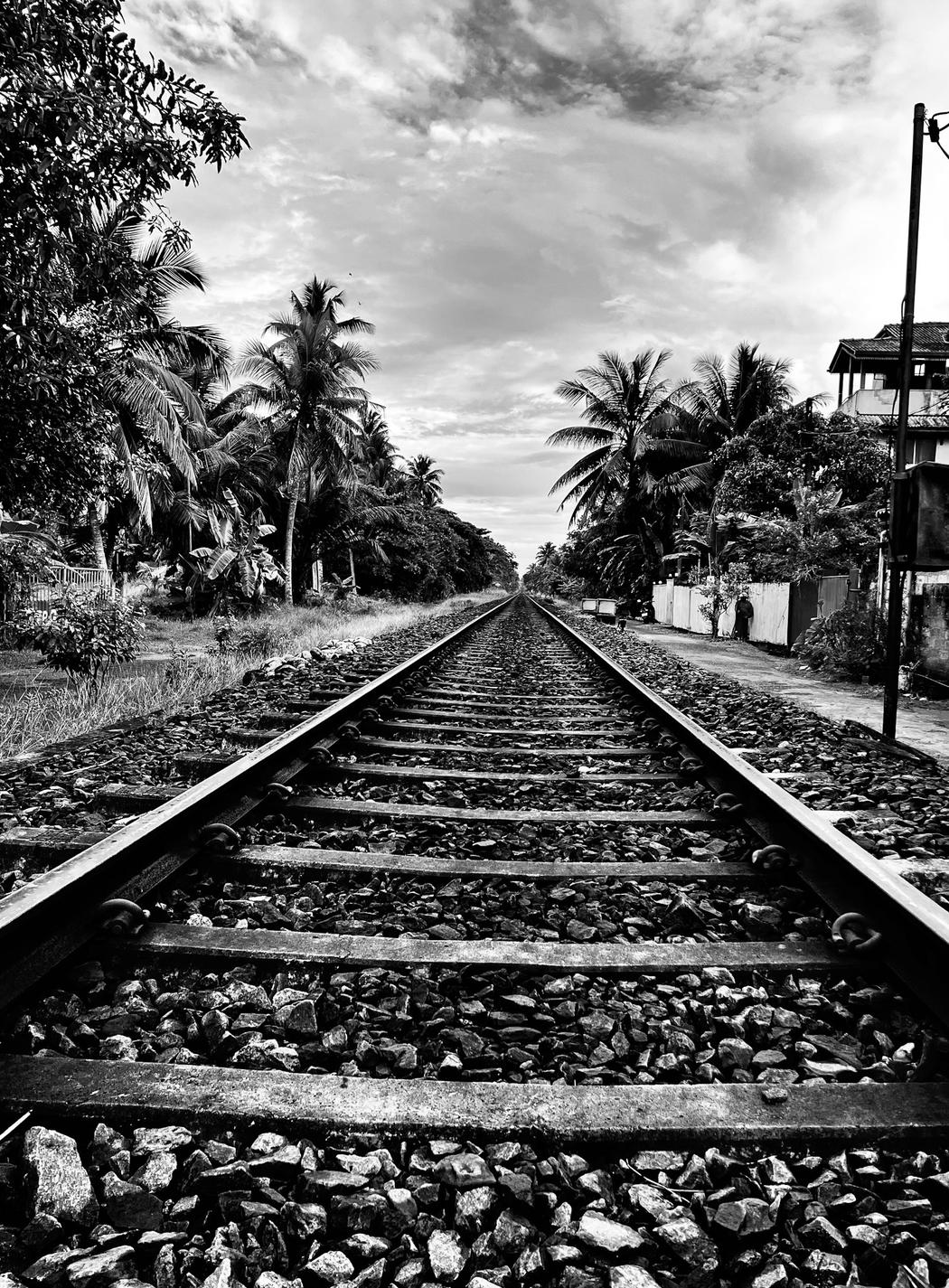 Nick Carr | Ceylon Highway
In works such as the temple and architectural photographs, there is a strong dialogue between human-made structures and time. What attracts you to places where history, decay, and permanence meet?
I’m fascinated by the way time leaves its mark on structures. Nature always finds a way to reclaim what humans build, and you can see that slow conversation between permanence and decay in old temples, ruins, and weathered architecture. The textures, erosion, and gradual takeover by nature create a rich visual story. There’s something powerful about capturing a moment in that long process — a reminder that everything changes, no matter how solid it once seemed.
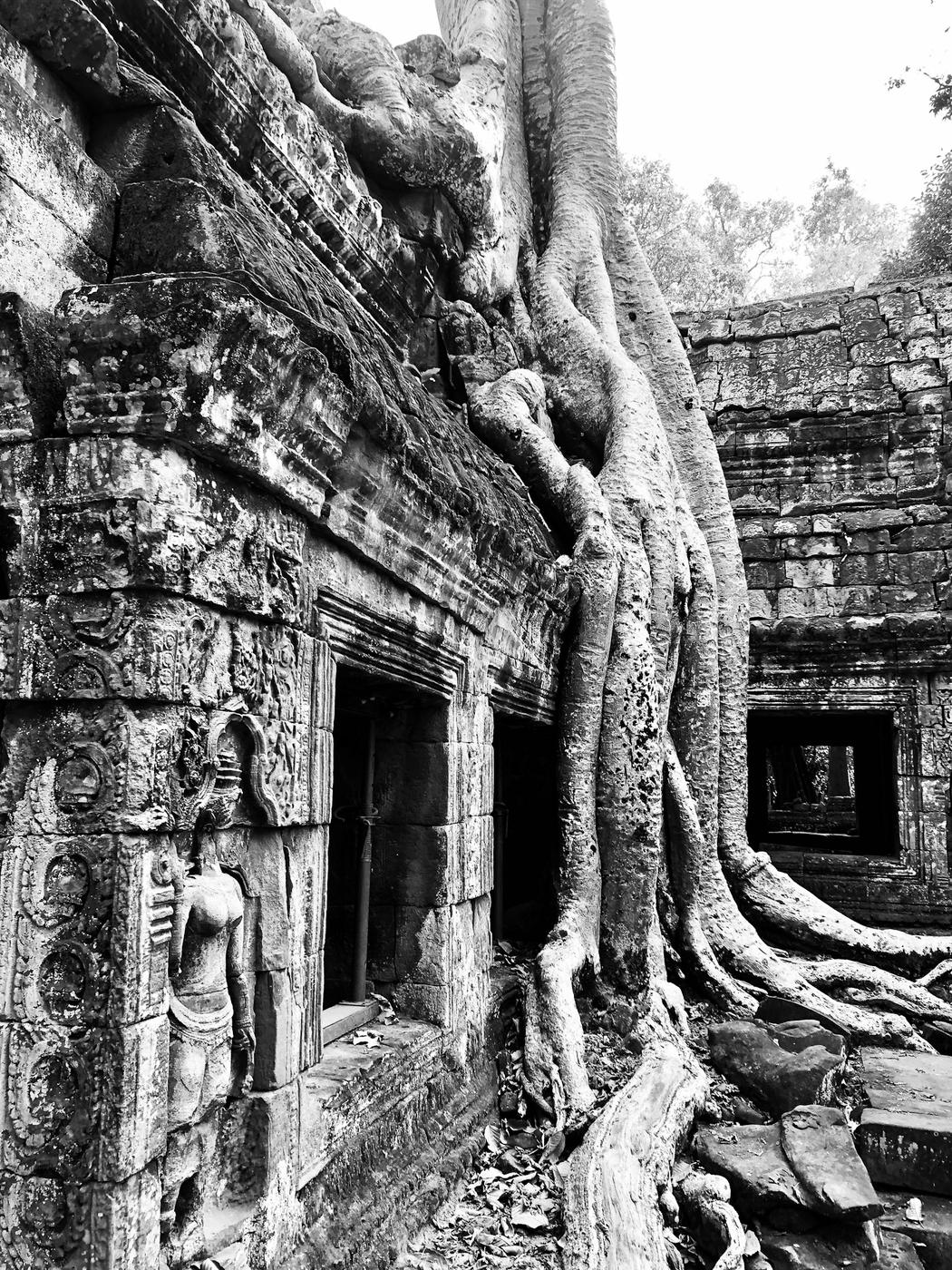 Nick Carr | Angkor Timeless Materials
Since photography is not your primary profession, how does that affect your creative freedom and the way you approach your photographic practice?
Because photography isn’t my main profession, I don’t feel pressure to constantly produce work or chase trends. I’m not hunting for images — I’m discovering them as I move through daily life. That gives me a certain freedom. The downside is that for years I didn’t always have the time or energy to shoot as much as I wanted. But now, with my children grown and encouragement from people around me, I’m finding more space to return to photography with fresh enthusiasm. It feels less like a task and more like reconnecting with a part of myself.
Leave a Reply
You must be logged in to post a comment.