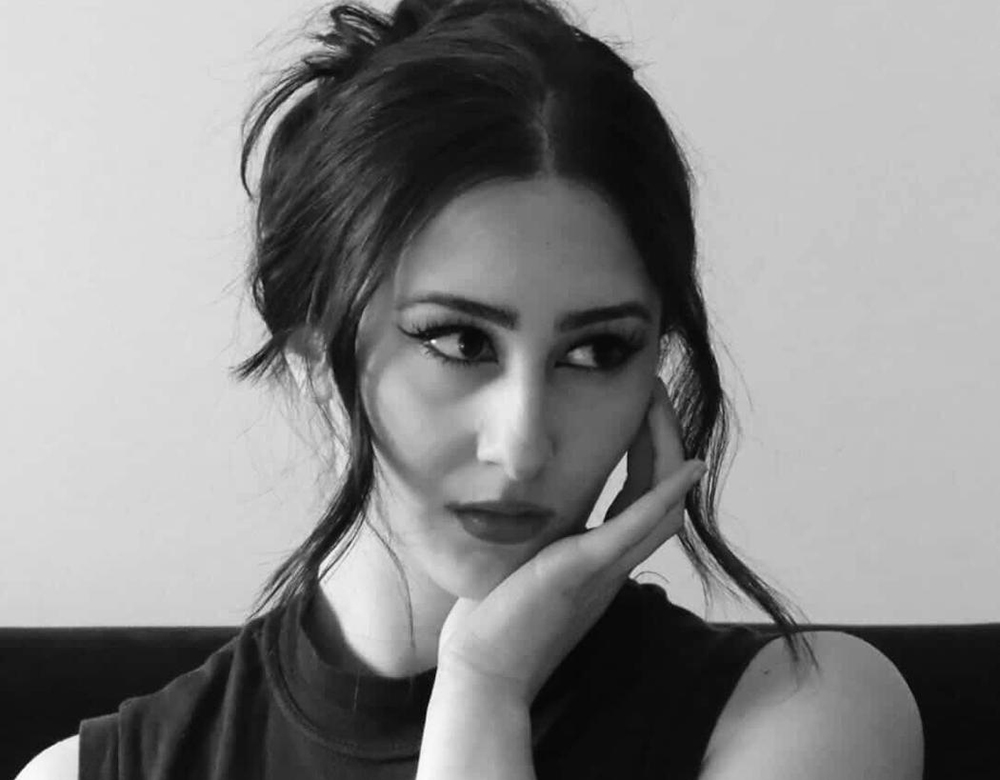
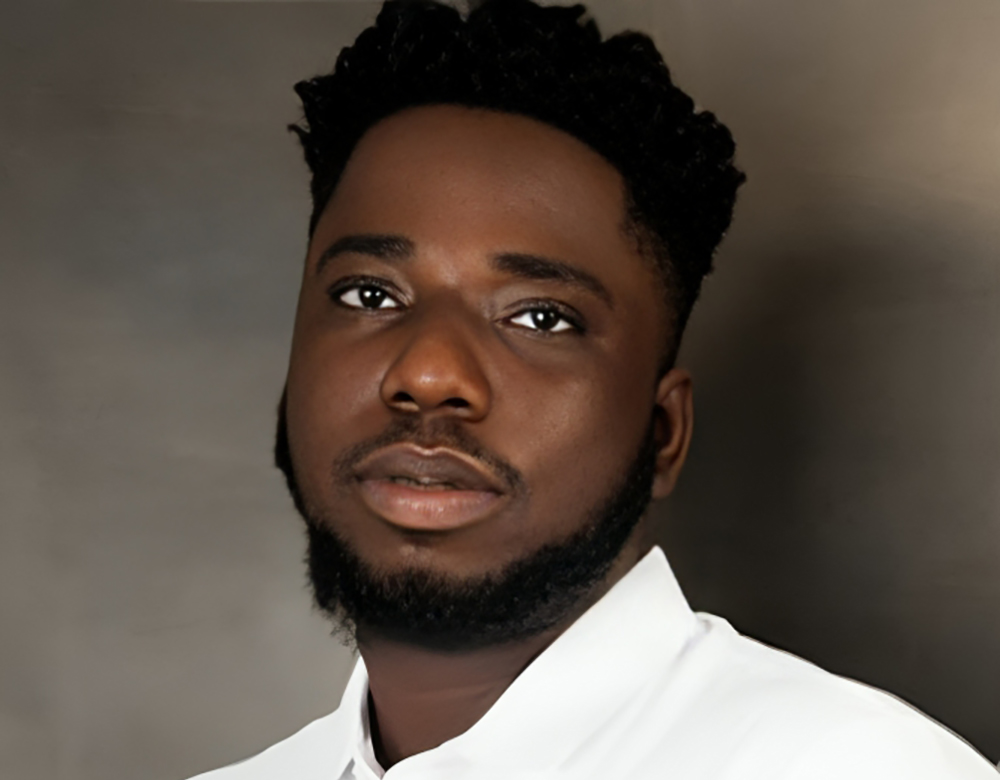
Aminu Yunus Opeyemi
Your work exists at the intersection of identity, power, and migration. How did these themes become central to your artistic practice?
Resilience has always been at the heart of who I am. Growing up, I was constantly dreaming beyond my immediate surroundings while witnessing the quiet determination of the people around me. I began to realise that identity is not something fixed, it is shaped by our histories, our struggles, our communities, and the choices we make in pursuit of a better future.
These experiences naturally became the foundation of my artistic practice. My work celebrates identity by honouring the courage, resilience, and strength of those whose stories are often overlooked. I am particularly inspired by women in the market. women who wake before dawn, prepare their families for the day, take their children to school, and then spend long hours working to provide for them. Their resilience is extraordinary, yet it is so often treated as ordinary. I see these women as symbols of endurance, sacrifice, and hope.
Migration is another thread that runs deeply through my work. I am drawn to the stories of those who leave behind everything familiar in search of opportunity, not only for themselves but for generations to come. Behind every journey are sacrifices, unseen tears, and acts of incredible courage. These narratives remind us that migration is not simply about movement across borders; it is about carrying identity, memory, and culture while continuously redefining what home means.
Ultimately, my practice exists to honour these lived experiences. Through my work, I seek to create space for stories of resilience, belonging, and transformation stories that recognise the dignity and humanity of people who have pushed boundaries, challenged expectations, and shaped the communities we live in today.
You often work in black and white. What does the absence of color allow you to express that color perhaps could not?
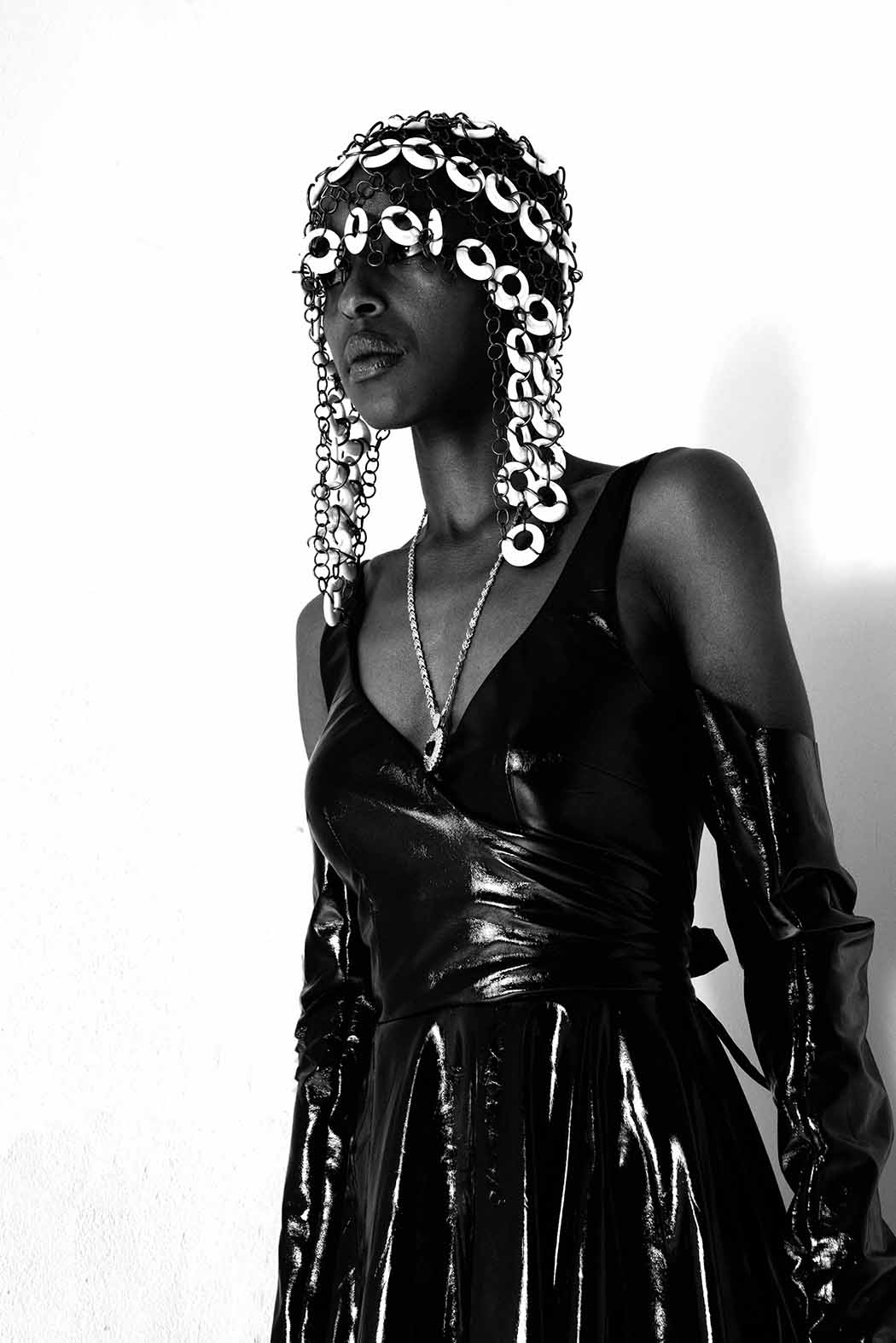
For me, black and white is about stripping an image down to its essence. The absence of colour removes distractions and allows the viewer to focus on what truly matters the subject, their presence, their emotions, and the story they carry.
Working in monochrome draws attention to light, shadow, texture, and expression. It creates a space where identity can be explored more deeply, beyond the visual cues that colour often provides. I am interested in revealing the strength, dignity, and resilience that exist beneath the surface, and black and white helps me do that with a certain honesty and clarity.
It also gives my work a timeless quality. The stories I tell of resilience, migration, community, and belonging are not confined to a particular moment. By removing colour, I hope to create images that feel both personal and universal, allowing viewers to connect with the humanity of the subject rather than the specifics of time and place.
In your photographs, the figures seem to emerge from darkness with a strong sense of presence. What role do light and shadow play in your visual language?
Light and shadow are fundamental to my visual language. I use them not simply as technical elements, but as a way of expressing the complexity of the human experience. Darkness, for me, is not a place of absence; it represents the unseen stories, struggles, and histories that people carry with them. Light becomes a quiet revelation, allowing those stories to emerge with dignity and strength.
The people I photograph often embody resilience shaped by hardship, sacrifice, and perseverance. By allowing them to emerge from darkness, I want to create a moment where their presence becomes undeniable. The contrast invites the viewer to pause, to look beyond appearances, and to encounter the individual on a deeper level.
I also believe light has the power to honour. It draws attention to expression, gesture, and character rather than spectacle. In my work, light is an act of recognition that gives visibility to people and narratives that have too often remained in the shadows. Through this interplay of light and darkness, I hope to create portraits that are intimate, timeless, and deeply human.
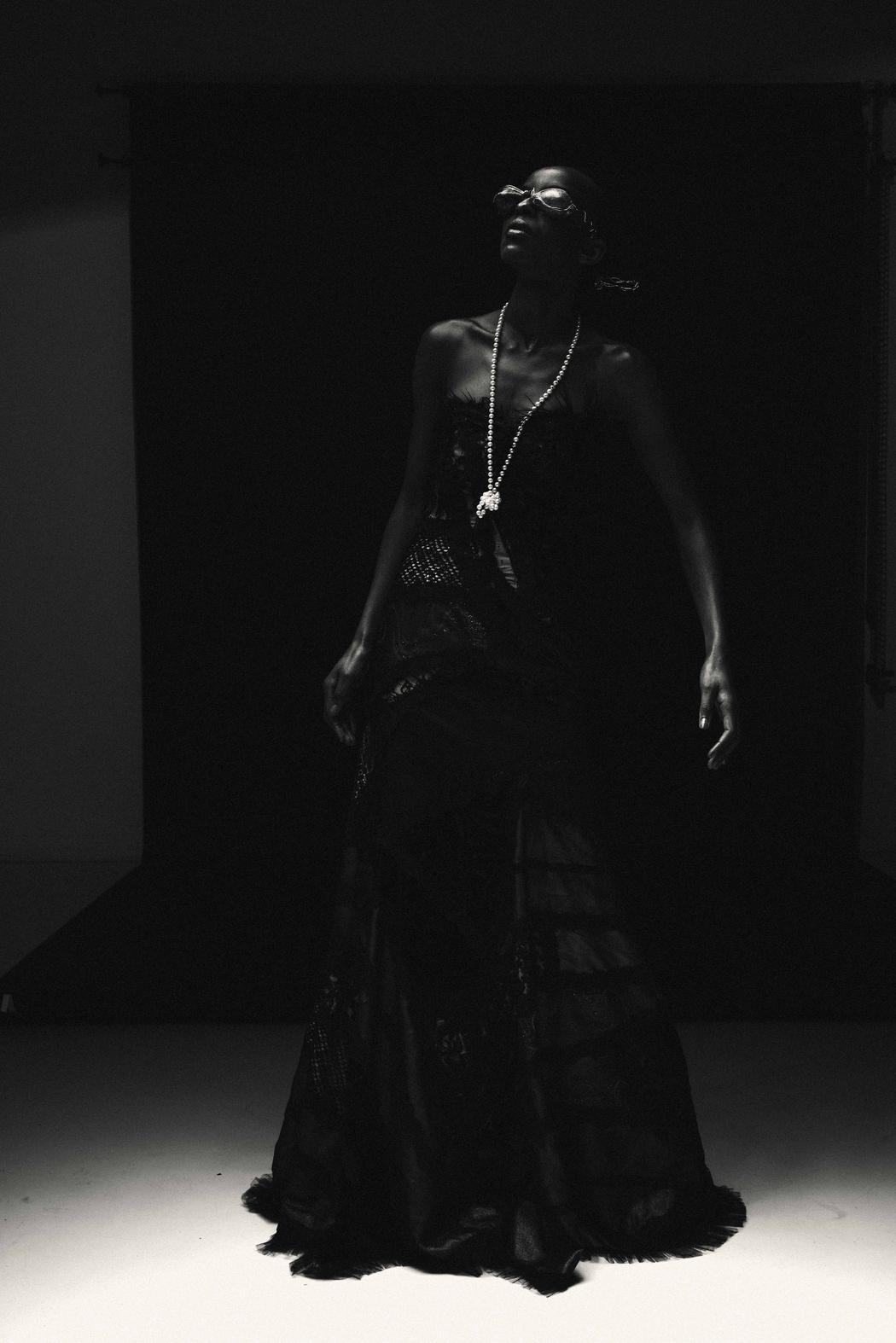
Your images feel both intimate and monumental. How do you balance personal storytelling with universal themes?
I begin with individual stories because they are honest and deeply human. The more personal a story is, the more universal it often becomes. Themes such as identity, resilience, migration, and belonging are experiences that connect people across cultures and generations. My role is to honour each person’s story with authenticity, while creating space for viewers to see parts of themselves reflected within it.
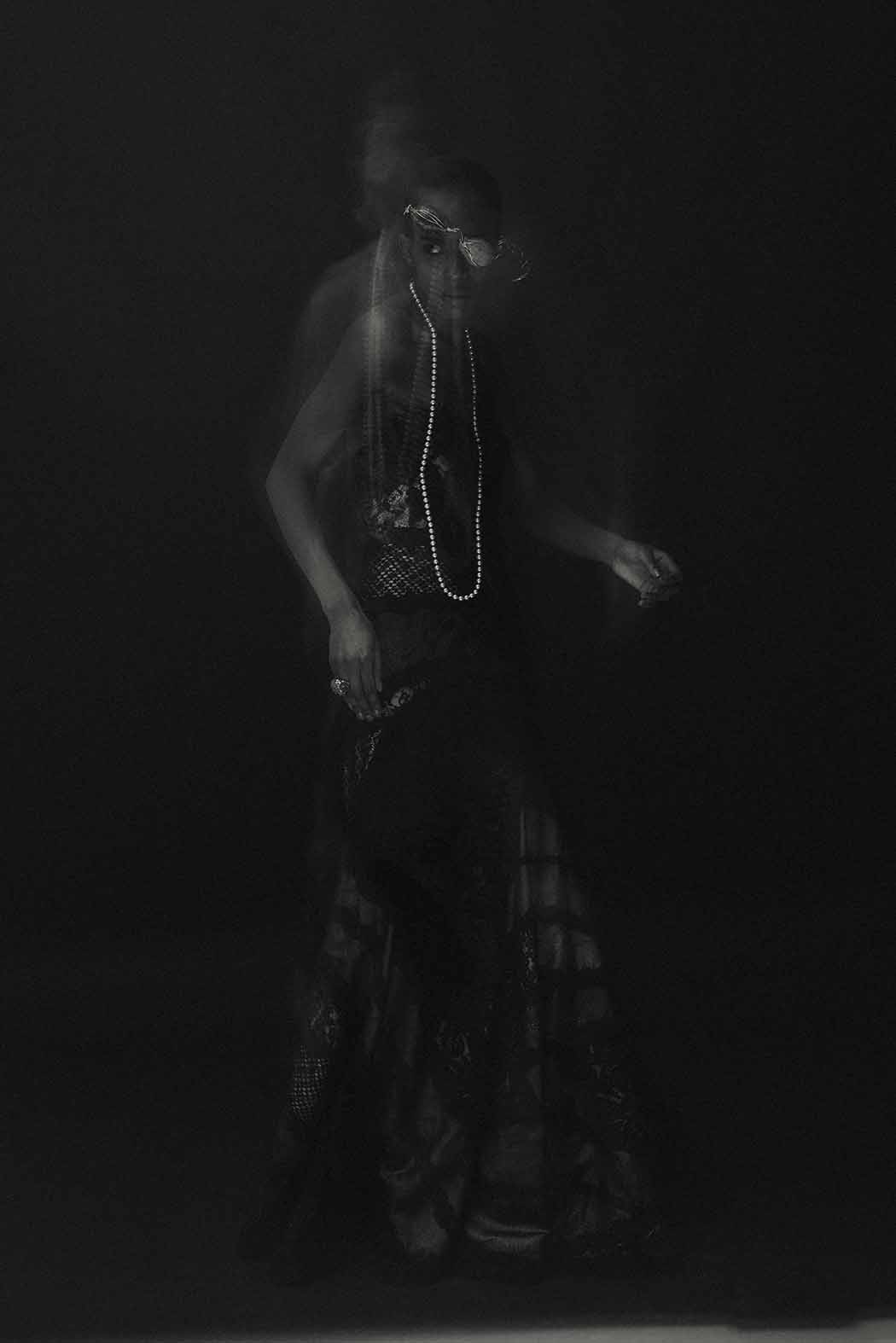
Adornment appears to be an important element in your work. What does it symbolize for you – protection, memory, power, transformation?
Adornment represents identity, resilience, and transformation. It carries memory, cultural heritage, and personal history, while also symbolising strength and pride. In my work, adornment is never just decorative it becomes a visual language that honours the people I photograph and the stories they embody.
There is a strong performative quality in your photographs. How do performance, fashion, and fine art photography intersect in your practice?
Performance, fashion, and fine art naturally come together in my practice because they each offer a different way of telling a story. Fashion and adornment help build a visual language, while performance allows my subjects to embody emotion, memory, and identity rather than simply pose for the camera.
Although my images are carefully constructed, they are always rooted in real experiences. I use these elements to create portraits that feel both intimate and monumental, inviting viewers to engage not only with the beauty of the image but also with the deeper narratives of resilience, migration, and belonging that shape my work.
What do you hope viewers feel or question when they encounter your work for the first time?
I hope viewers pause before they look away. My work invites them to move beyond the surface and engage with the humanity of the people in the photographs. I want them to feel a sense of connection, empathy, and curiosity to question the assumptions they may hold about identity, migration, resilience, and belonging.
Above all, I hope the work encourages reflection. If a viewer leaves seeing the strength, dignity, and beauty in stories that are often overlooked, then the photographs have done what they were meant to do. They are not just portraits; they are conversations about who we are, where we come from, and the experiences that connect us all.