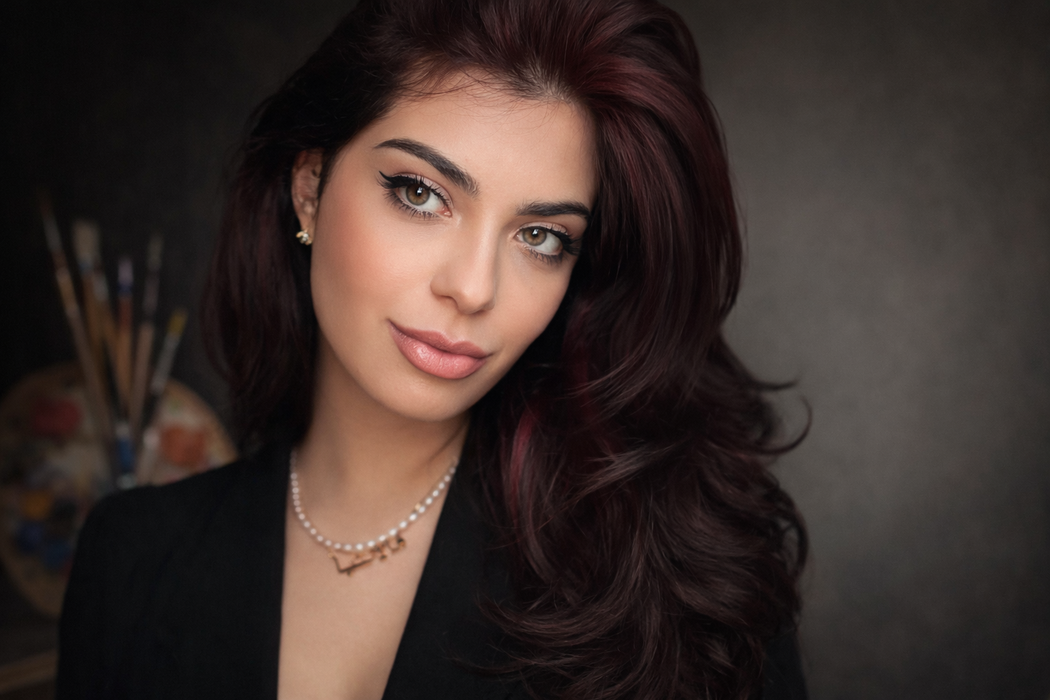
Valantia Moraitaki
Your project Esoterikos explores the idea of masks as both revealing and concealing. How did this concept first emerge in your practice?
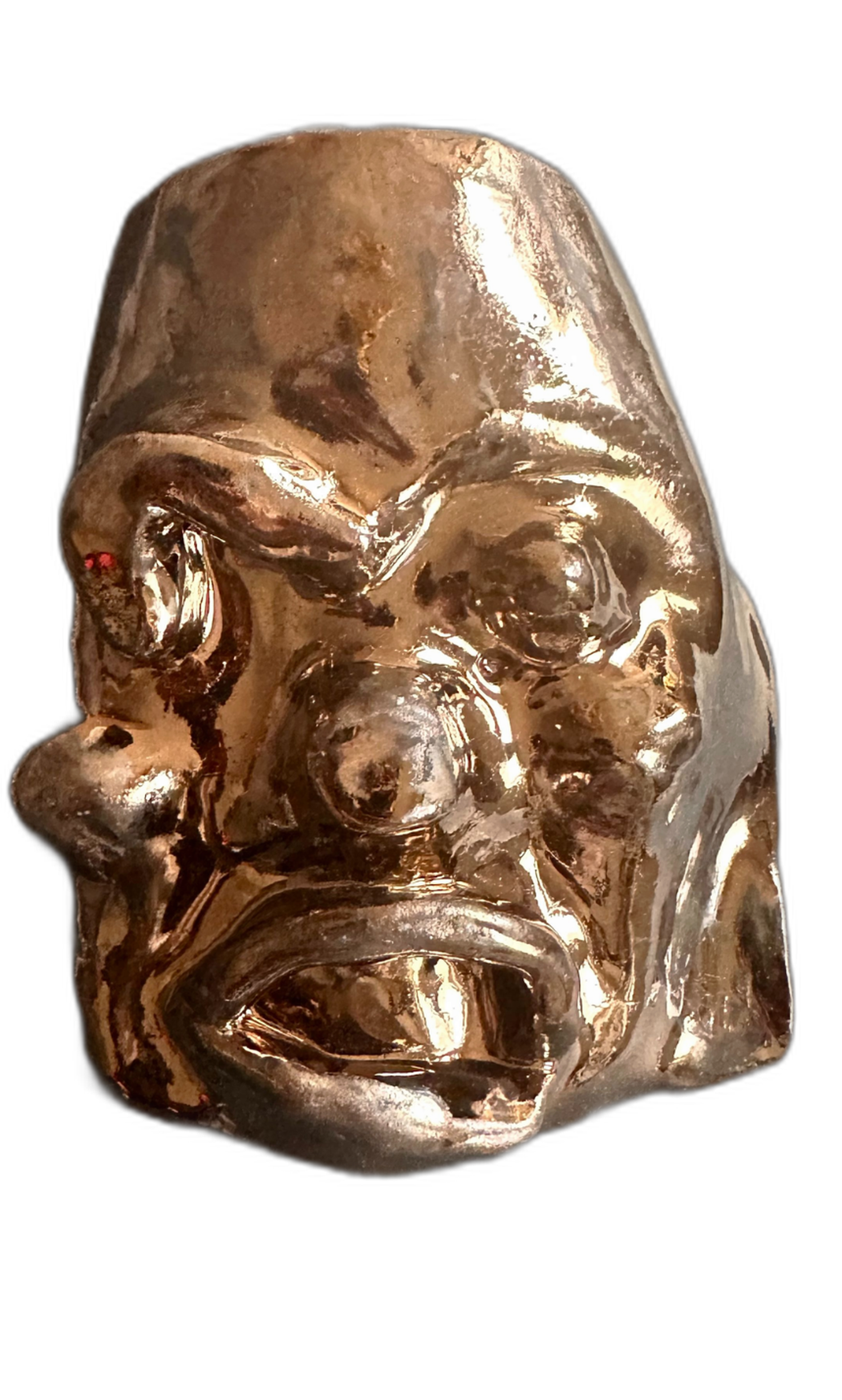
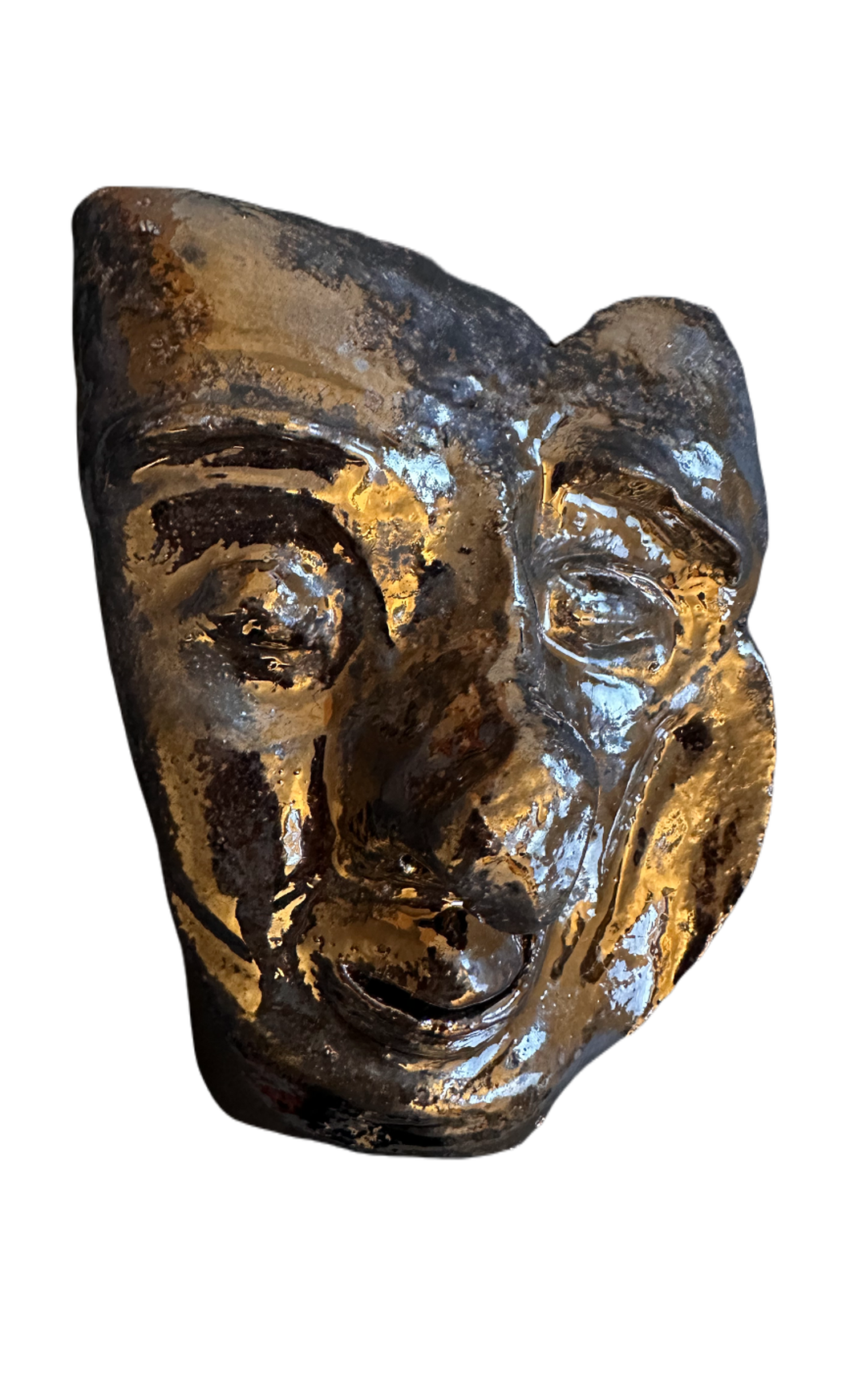
The concept of masks in my project Esoterikos emerged from my fascination with the tension between what we show to the world and what we keep hidden within ourselves. I was interested in how emotions can be both expressed and suppressed, and how masks—literally and metaphorically—can capture this duality.
Working with clay allowed me to physically explore the interplay of concealment and revelation, transforming the mask into a space where vulnerability and identity coexist.
Many of your works carry strong emotional expressions. Do these emotions come from personal experience, observation, or imagination?
The emotions in my work come from a combination of personal experience, careful observation, and imagination. I draw from my own inner world and experiences, but I also pay close attention to the emotions and stories of others. Imagination allows me to transform these observations into visual forms that express universal feelings, creating a dialogue between the internal and external worlds.
You reference ancient Greek theatre and mythology. How do you reinterpret these historical influences in a contemporary context?
I reinterpret ancient Greek theatre and mythology by focusing on their timeless themes: identity, emotion, and human conflict, and translating them into contemporary visual forms. Through masks, photography, and sculpture, I explore how these stories and archetypes resonate with modern experiences, highlighting the emotional and psychological depth that connects past and present.
My work aims to create a dialogue between history and today, showing that the concerns of ancient myths are still relevant in understanding ourselves and society.
Each mask seems to have its own identity and name. How do you approach naming your works, and what role do these titles play?
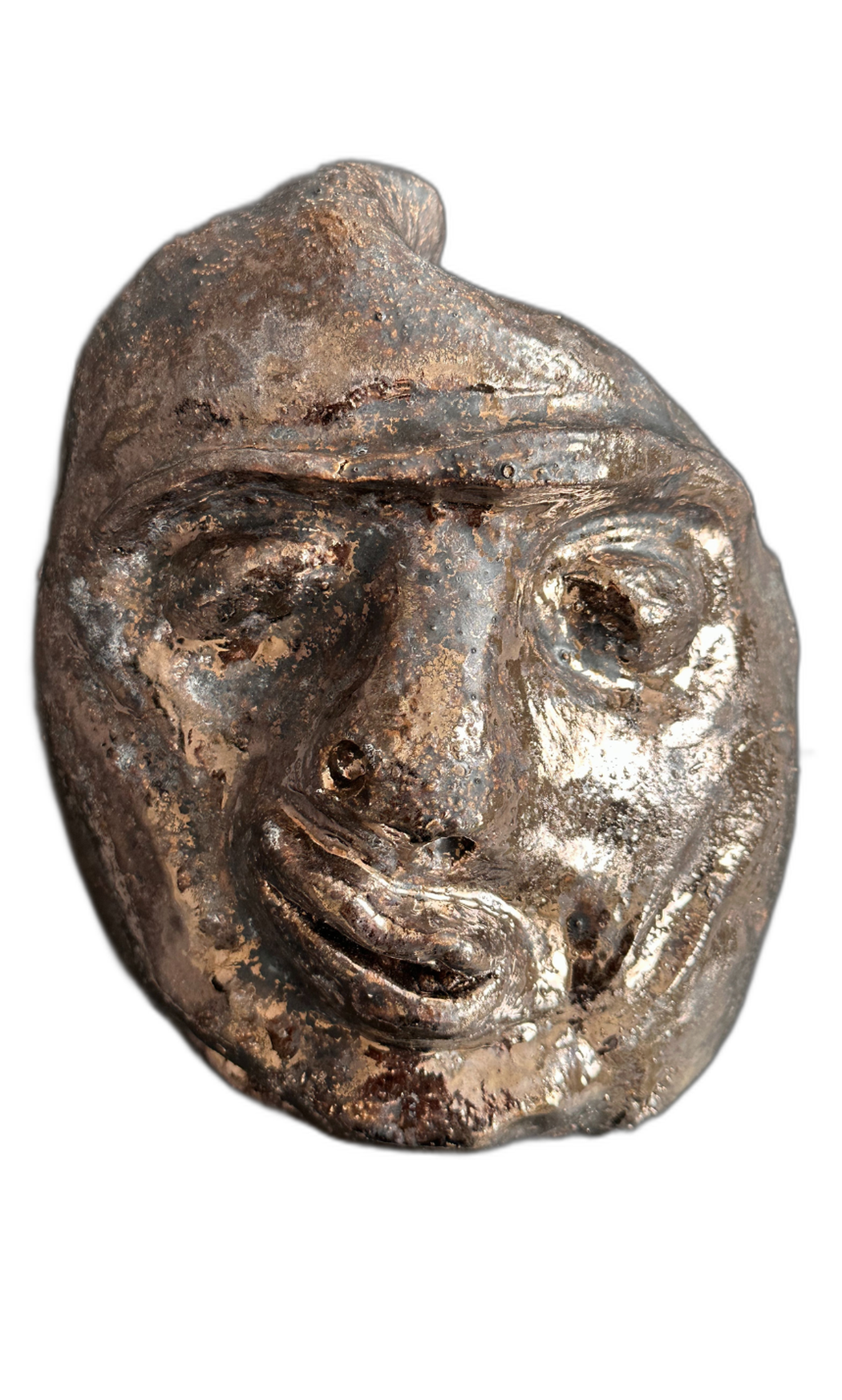
When naming my masks, I focus on the emotions, character, or story each piece conveys. Each mask has its own identity, and the title helps to give it a voice, guiding the viewer’s perception while leaving room for personal interpretation. The names act as an invitation to engage with the work on a deeper level, highlighting the tension between what is revealed and what remains hidden.
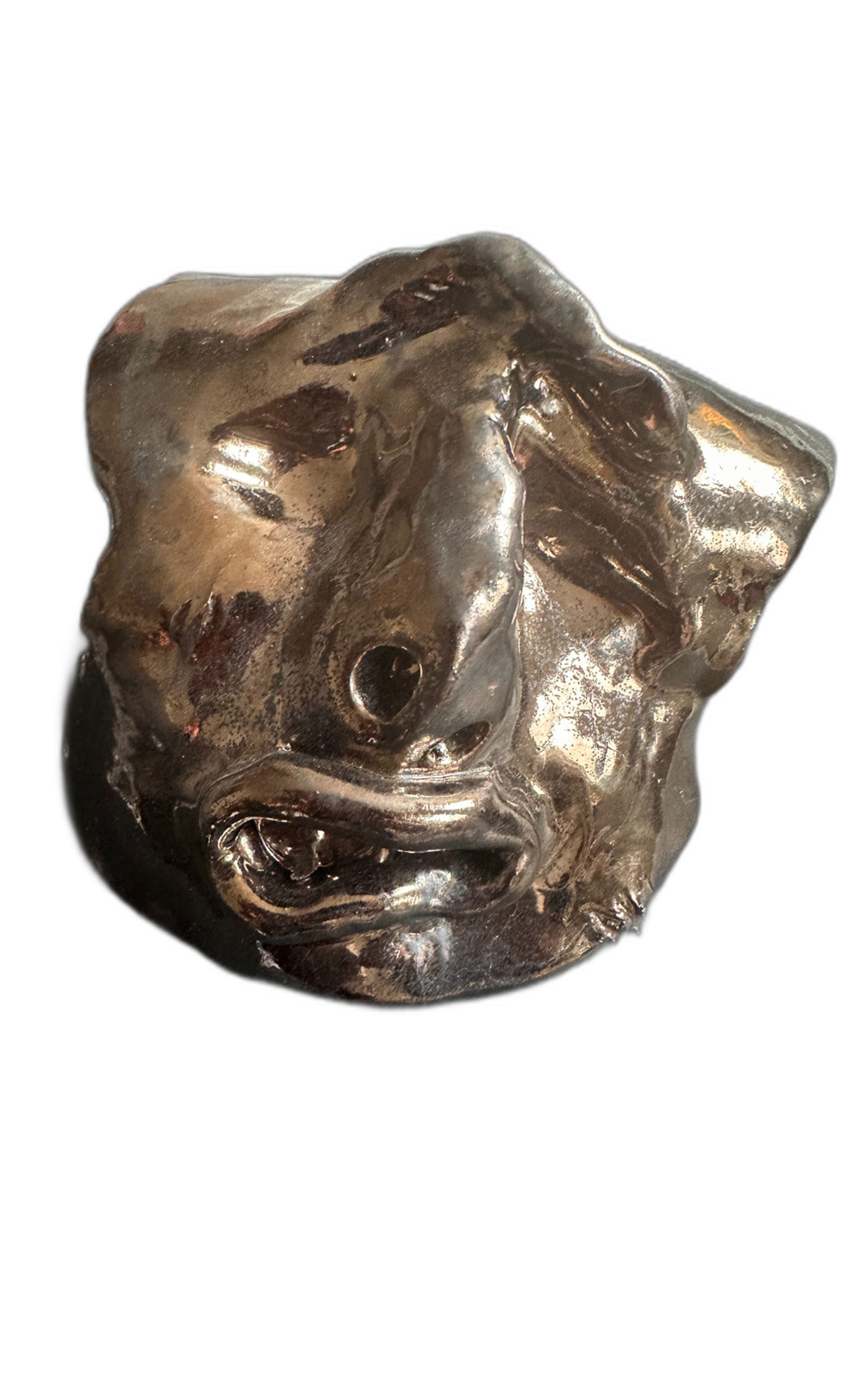
Your masks often appear fragmented or distorted. What does this fragmentation symbolize in relation to identity?
The fragmentation and distortion in my masks symbolize the complexity and multiplicity of identity. Identity is not fixed; it is layered, shifting, and often contradictory. By breaking and distorting the forms, I aim to reflect the inner struggles, vulnerabilities, and hidden aspects of the self, showing that who we are is never entirely whole or easily defined.
How does living in the Netherlands influence your work compared to your Greek cultural background?
Living in the Netherlands has exposed me to a diverse, multicultural environment and a contemporary art scene that encourages experimentation and dialogue. This contrasts with my Greek cultural background, which deeply informs my fascination with mythology, history, and classical aesthetics.
The combination allows me to blend ancient influences with modern perspectives, creating work that is both rooted in tradition and responsive to the present, bridging two worlds in a personal and artistic way.
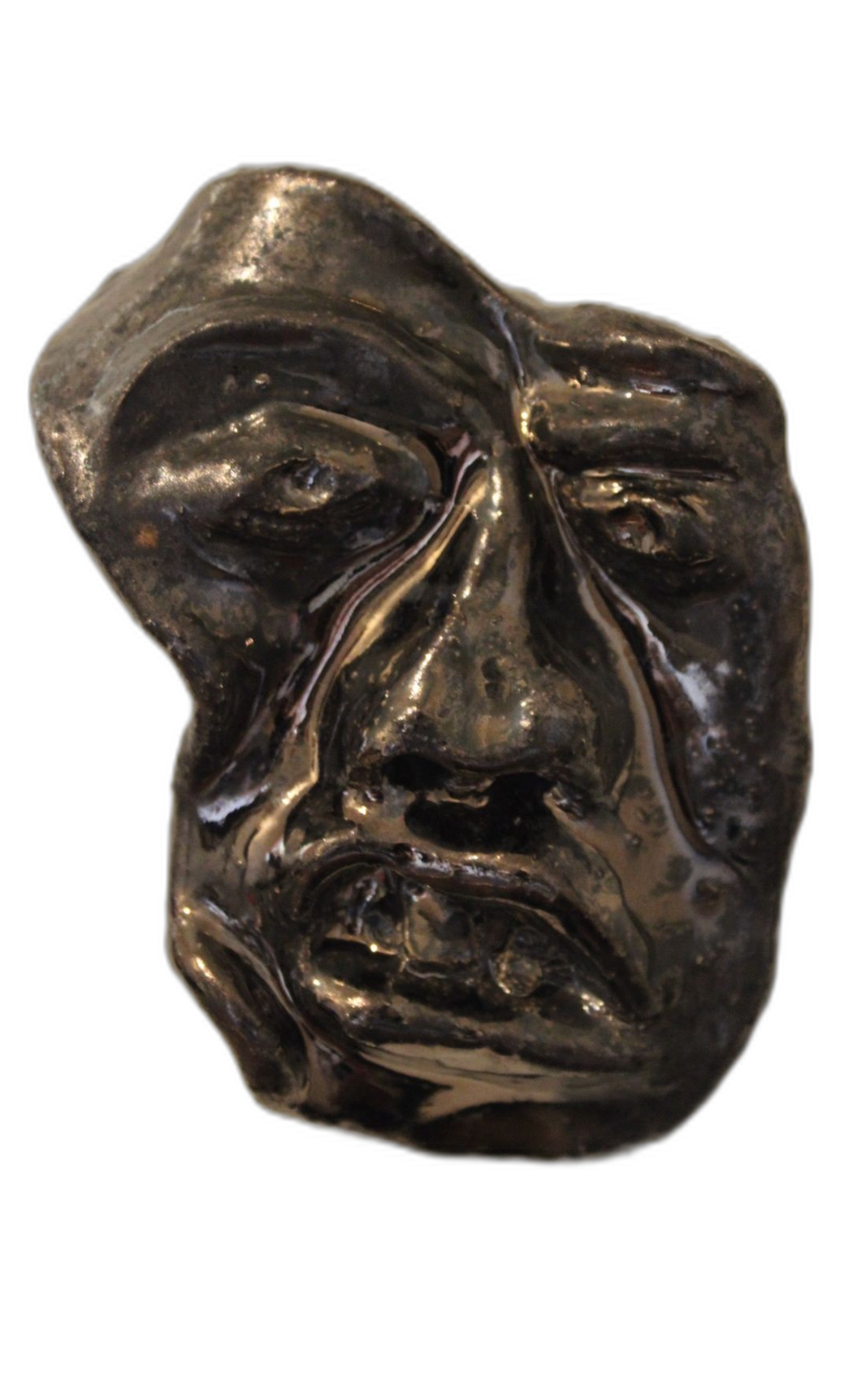
Your work invites viewers to reflect on the “masks” they wear in everyday life. What kind of response or realization do you hope to evoke?
Through my work, I hope to encourage viewers to recognize the layers of identity and emotion they carry daily. I want them to reflect on the ways they present themselves to the world versus what they keep hidden, and to feel both empathy and curiosity for their own inner complexity.
Ultimately, I hope the masks spark self-awareness and a deeper understanding of the shared human experience of vulnerability and concealment.
Leave a Reply
You must be logged in to post a comment.