
Arrushi Chakraborty
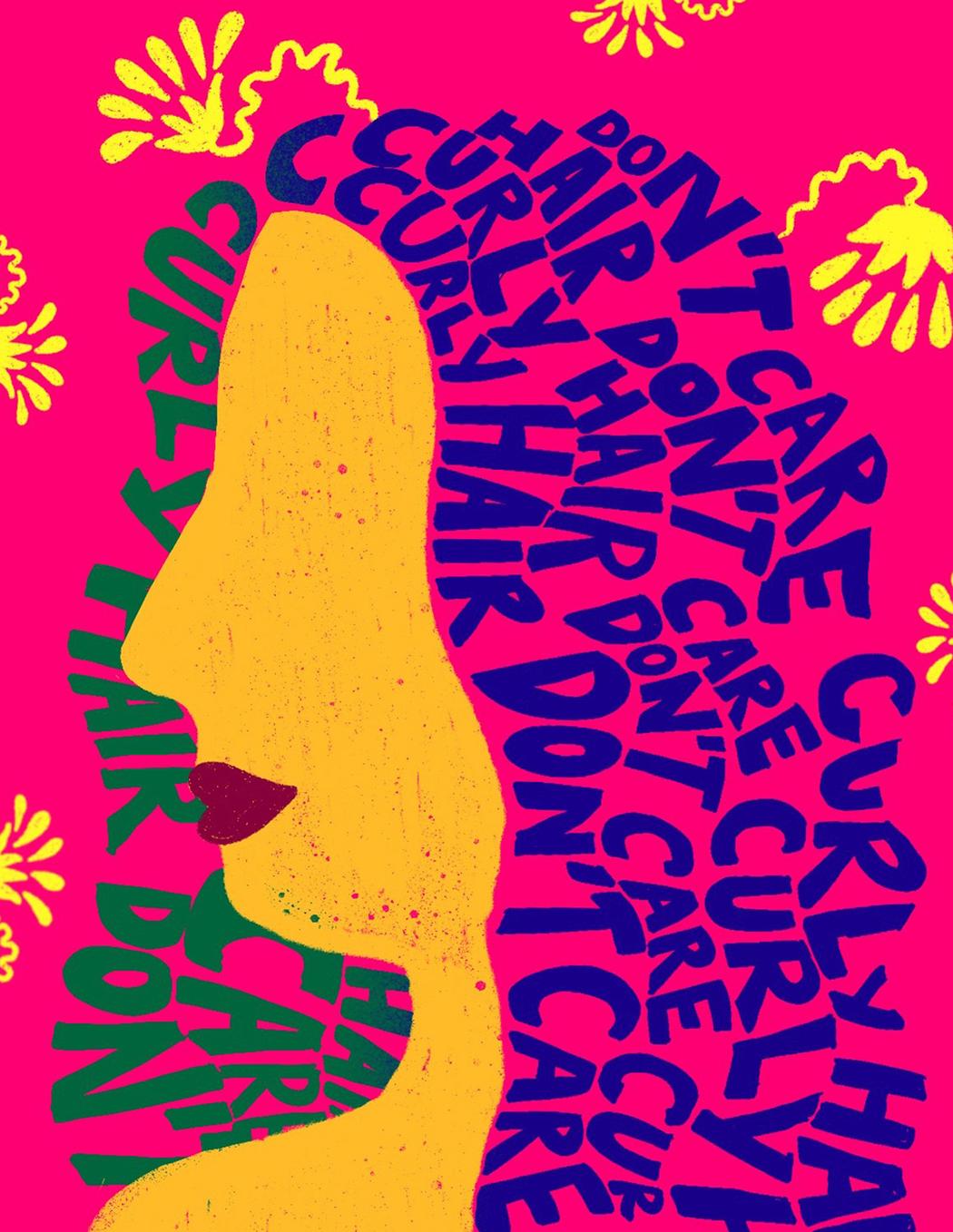 Arrushi Chakraborty | Self Portrait
Your illustrations have a strong narrative quality — almost like short visual stories. How do your ideas usually begin? From a character, a memory, or a specific emotion?
I like to have a specific emotion that I would like to convey to my audience. Emotion is a big part of my artistic identity. I connect my emotions with colors, fleeting memories—the deeply saturated blue of a beanie I spotted on the subway, the warm bokeh blur of Christmas lights, the earthiness of my morning coffee. If I forget the minute details of an event, I remember how it felt to be in that very moment. I am a believer in the X-factor that shapes my own art—and that is my ability to communicate my feelings through my own voice.
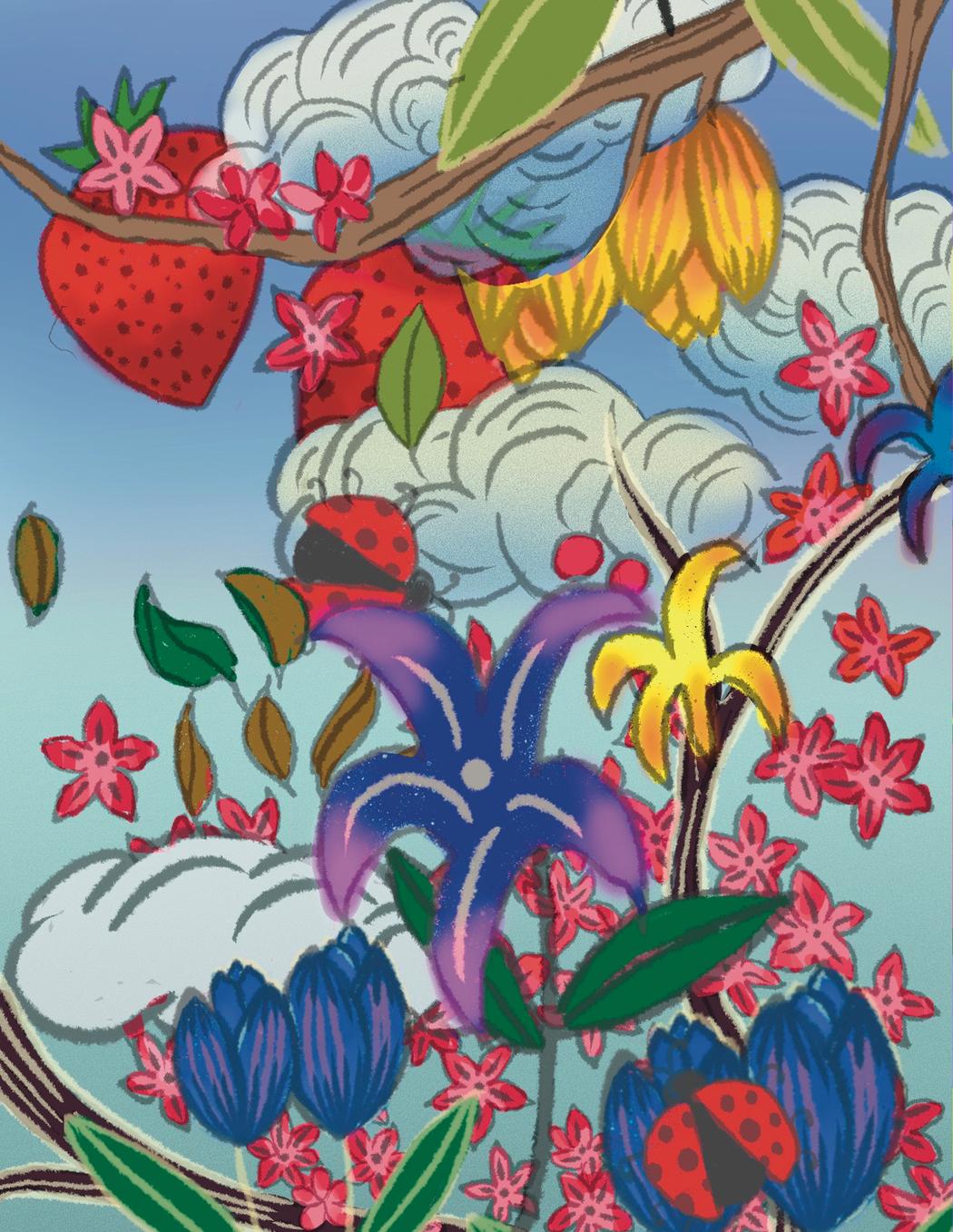 Arrushi Chakraborty | Fruity
Growing up in Kolkata clearly shaped your sensitivity to colors and storytelling. What visual memories from your childhood still influence your work today?
Like many metropolitan cities, Kolkata has an unparalleled beauty of its own. I fondly remember helping my mother drape her vibrant sarees, nine yards of pure elegance. I remember a lot of marigold flowers — they were my favorite flowers in childhood. My parents had a small wooden altar that consisted of several tiny idols of Hindu deities. The miniscule sculptures spoke volumes. I saw incense smoke float lazily up into the air, and I wondered where it finally went. I didn’t always look at these memories fondly. Only when I was introduced to Western culture and experienced people’s appreciation for diversity, did I learn to take pride in my own.
Currently, my art is subconsciously — or maybe consciously — shaped by these key moments from my childhood that shaped my surroundings. In terms of color, I saw bright and warm hues in Kolkata, but also the deep blue of dusk that inundated the entire city. This taught me contrast. In my mother’s saree, big floral patterns were often broken up by smaller lines and circles. This taught me negative space. Holding the stone murti of Shiva in my hand as I bathed it in water. This taught me 3-dimensional form. And so on.
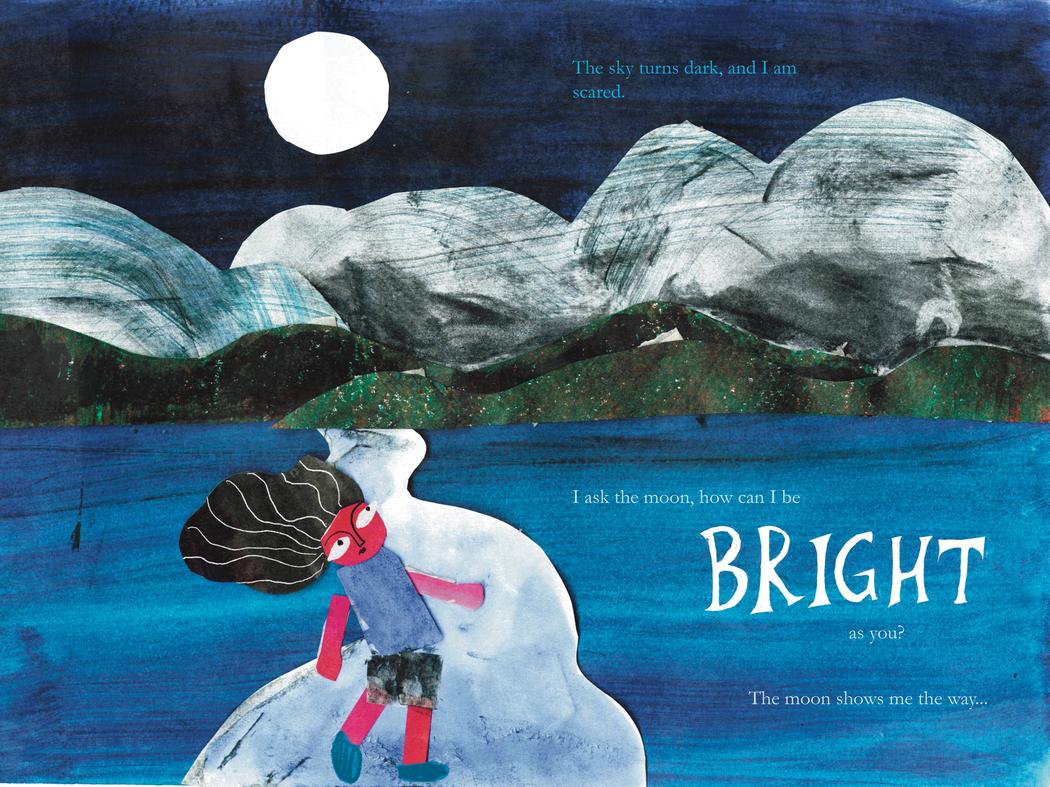 Arrushi Chakraborty | Moon
Many of your works balance playfulness and introspection. How do you find that balance between whimsy and deeper meaning?
Thank you for asking this thoughtful question. I grew up around a lot of colorful memories, but I was also a quiet observer. I was a wallflower, and I loved reading books and getting lost in a world of my own making. There was a balance, and I have grown to appreciate that through my artistic practice. To be candid, I am still trying to perfect this balance in my art. Sometimes I try doing it through different styles, but I’ve found my most recent piece, A Mermaid Called Musing, to be the most conducive to my creative intentions. I used vibrant colors, while maintaining the emotional complexity of the figure — which is why I think a lot of people like it.
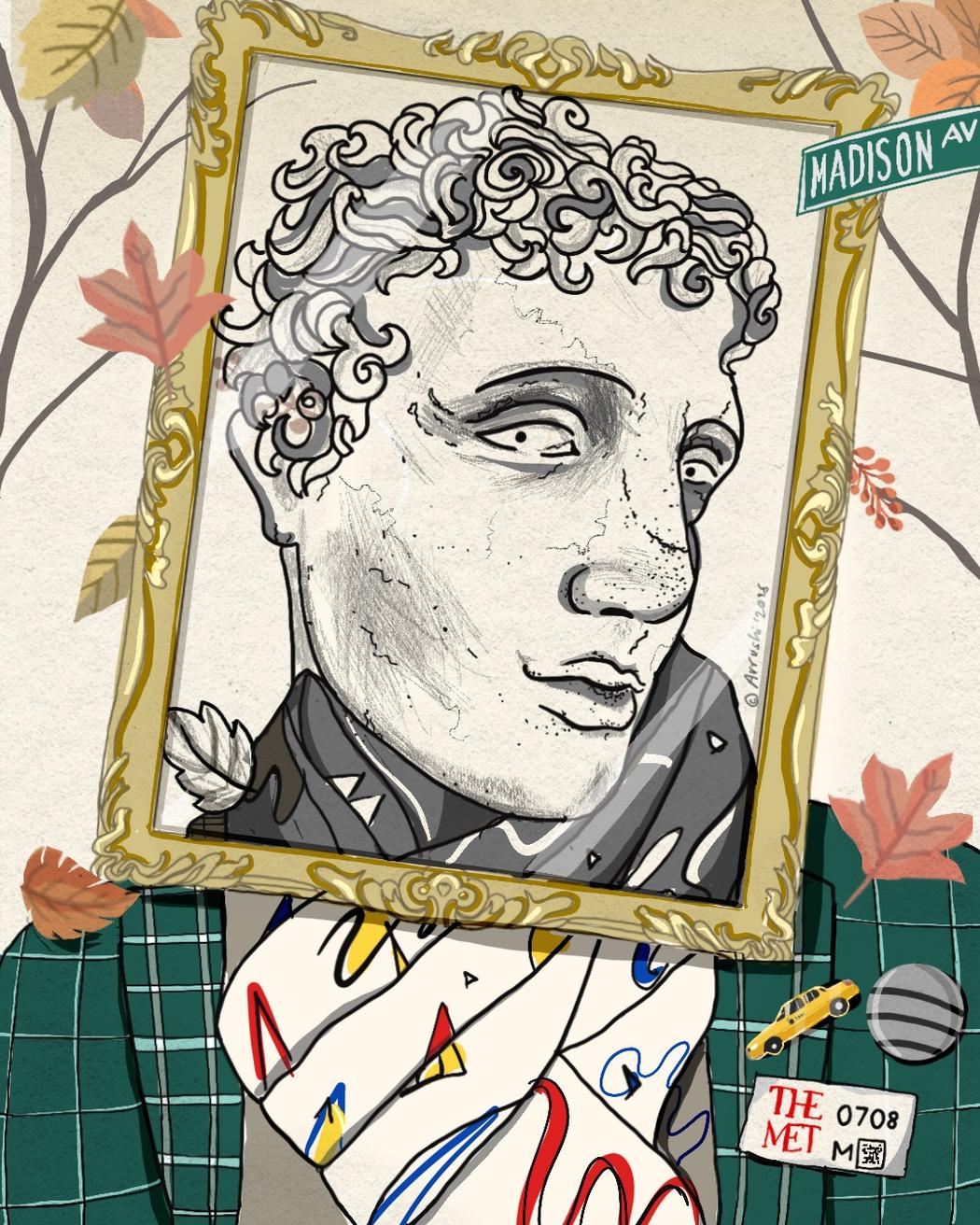 Arrushi Chakraborty | Upper East Side
You often blend digital illustration with tactile media like gouache, ink, and charcoal. What attracts you to combining these techniques?
The balance I talked about before. Digital tools are easier to attain a crisp, clean style with, whereas tactile media can be more successful in achieving organic textures and brushstrokes. I am still learning how to stop with a piece of art — how to surrender to the last brushstroke that is truly necessary. For this reason, I combine digital and traditional techniques to fully optimize a piece’s potential.
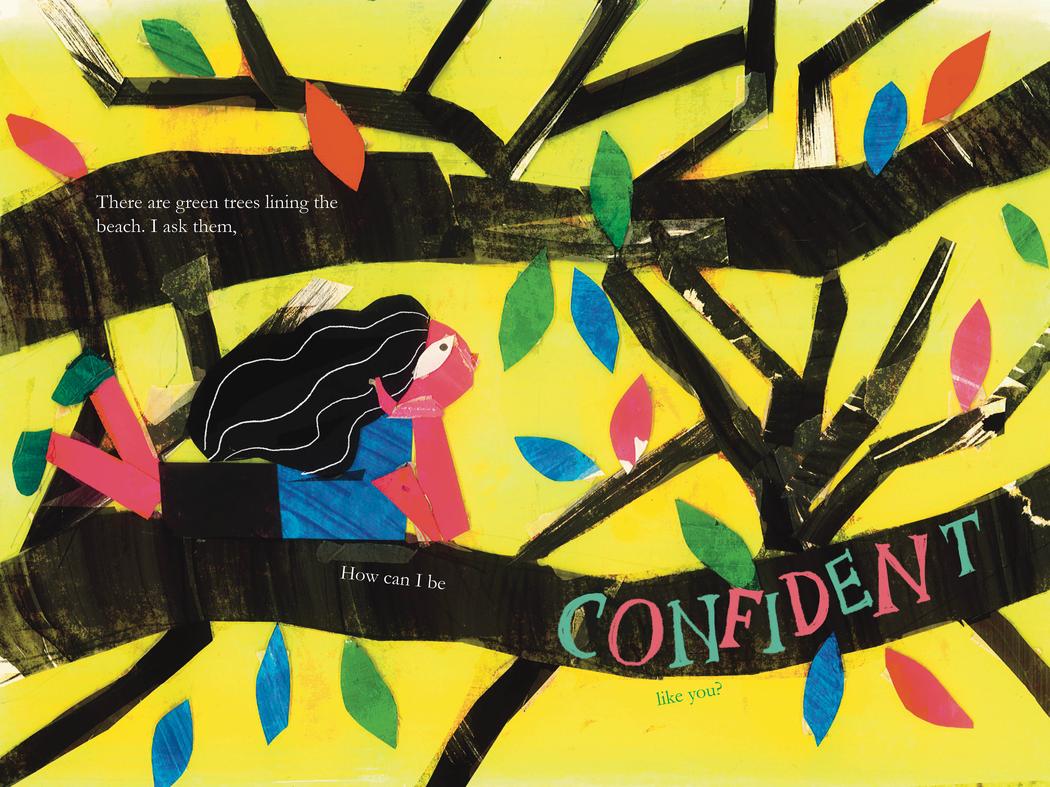 Arrushi Chakraborty | Trees
You mention being inspired by fleeting moments — expressions, sounds, small gestures. How do you capture these ephemeral details in your work?
It really depends, case-by-case. But color plays a huge role in expressing exactly what I want to convey. I am fascinated with Matisse’s Blue Nudes. The eyes and the facial expression of my character also weigh in heavily. The way they are posed, and the environment I pose them in. If it’s a closeup, it’s probably meant to be more introspective or whimsical. If it’s a full blown environment, it’s meant to be more analytical.
Who or what are your biggest artistic influences — illustrators, writers, filmmakers, or even places?
My artistic influences have evolved over time. Early on, I found quiet comfort in the bold minimalism of Malika Favre. Christoph Niemann’s New Yorker covers captivated me with their wit, clarity, and expressive simplicity. I really liked Matisse’s work, and I still love the colors and paint quality of Fauvism. For my Junior Thesis project, I illustrated 6 pieces based on Jhumpa Lahiri’s heart-rending novel The Lowland. I resonated with the immigrant story, the feelings of homesickness and dissociation, the starkly real pictures she paints of Kolkata, and of Rhode Island (I have never been to Rhode Island, but I would love to visit someday).
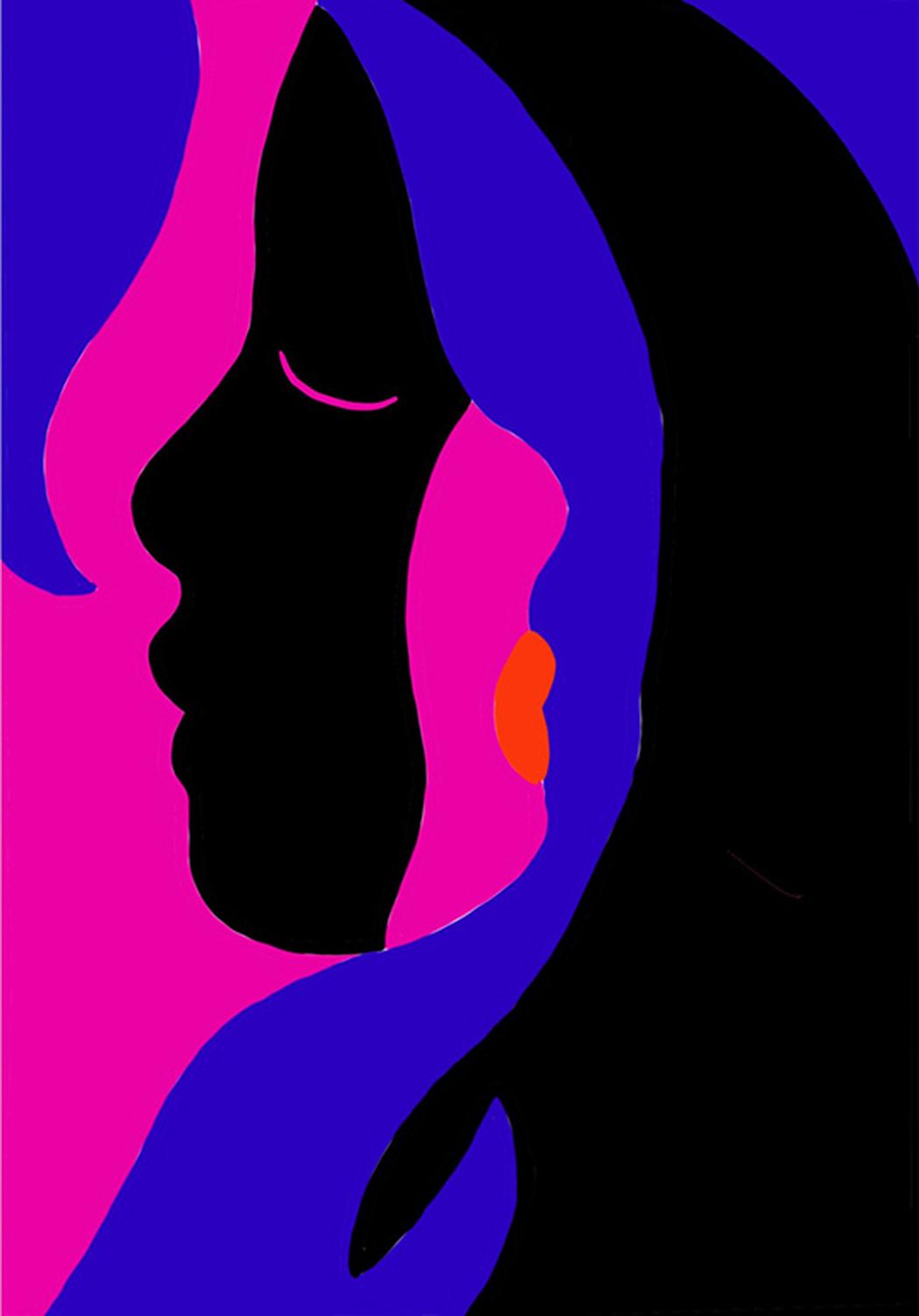 Arrushi Chakraborty | The Modern Muslim Woman
As a young artist now based in Brooklyn, how has your creative voice evolved since moving from Kolkata to New York?
Although I was severely dissociated after moving to New York, I remained hopeful about one thing: the abundance of art housed within some of the world’s most renowned museums and galleries. In New York, I discovered what I had been searching for all along: a community of artists who are, above all, honest with themselves. I came to realize that it takes immense courage to translate one’s inner world — shaped by past traumas, present struggles, and future possibilities — into visual form. For a long time, I tried to imitate trends and styles in the art world. But that did not work, and I was simply bad. I realized early on that trying to borrow from other artists what doesn’t bring me joy is not the way to go. I still find myself sifting through a lot of different art styles, but what I have to say has remained the same over many years.
Leave a Reply
You must be logged in to post a comment.