
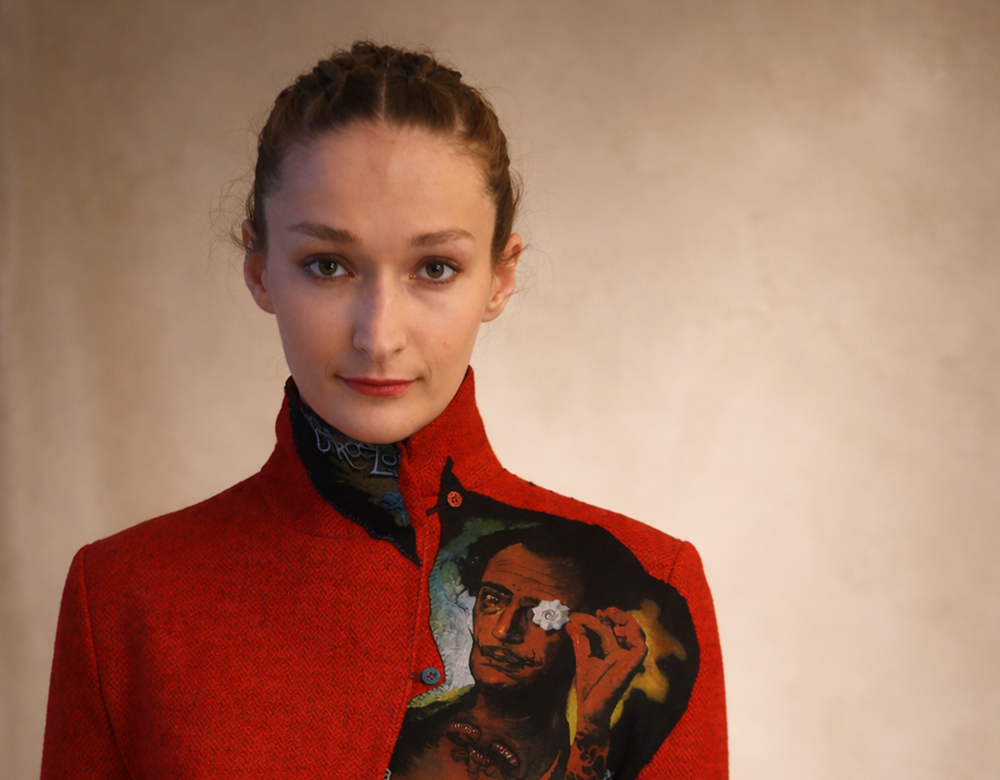
Teona Margvelashvili
How did your creative journey begin, and what led you to work across both fashion design and visual art?
I have been drawing since childhood, and I used to sew clothes for dolls. Interestingly, the clothes I made for my dolls many years ago are still relevant today. One of my drawings was exhibited when I was still in kindergarten. Later, at school, I began sewing bags and clothes for my friends.
Creativity has always come naturally to me. Since childhood, I have created whatever my imagination inspired me to make, and this remains an essential part of my life today.
Has your Georgian background influenced your visual language? If so, which aspects of it feel most present in your work?
Yes, it has. If I had the choice, I would be born in Georgia again.
My country has a long and rich history. Georgia has endured many wars and occupations while preserving its history, culture, and religion. To this day, 20 percent of my country’s territory remains occupied by Russia.
The current situation in my country deeply affects me, and I often express my emotions through my paintings, collection presentations, and performances. I believe the colors I use in my work reflect my country’s past and future.
You describe yourself as an avant-garde designer. What makes a design avant-garde in your eyes?
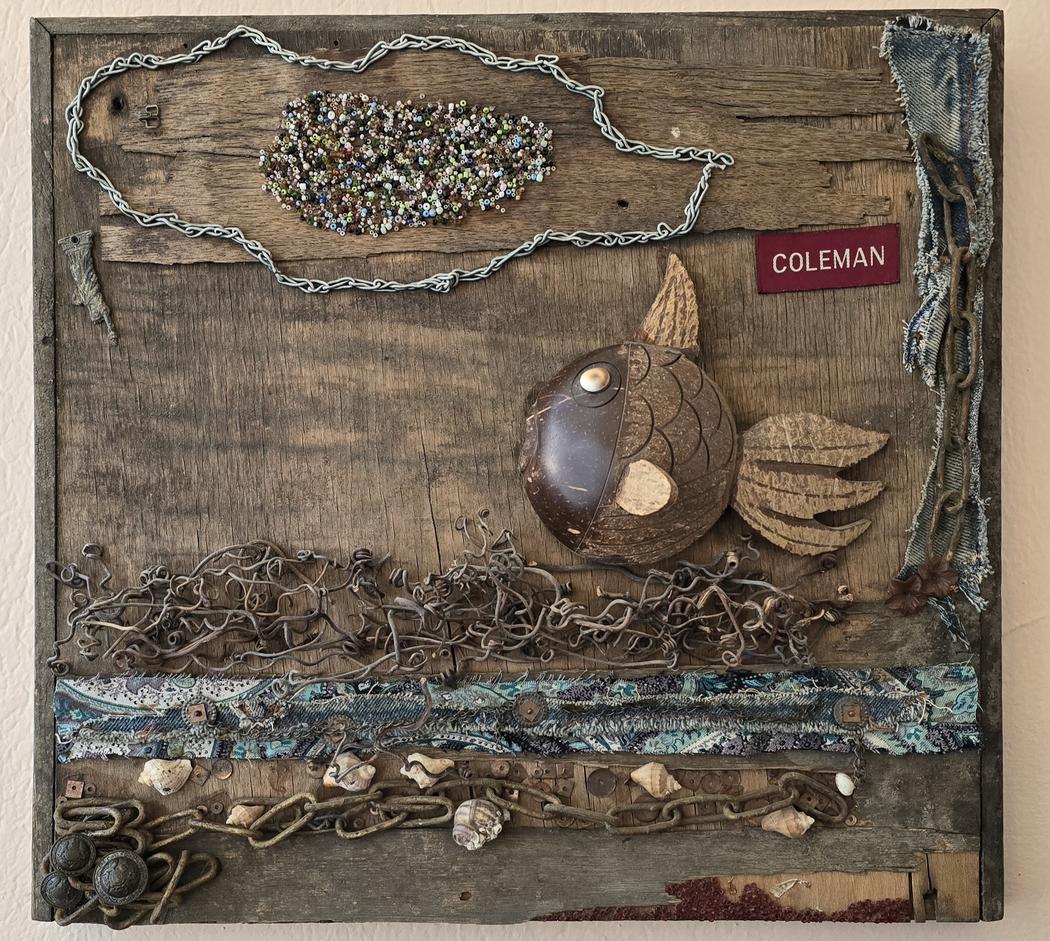
For me, avant-garde is an inner calling, self-belief, and the courage to be different. It is about freedom, experimentation, and expressing one’s vision without limitations.
To me, avant-garde means not following existing rules simply because they already exist, but creating your own language, your own world, and daring to present something that is not yet understood or accepted by everyone.
How do you decide whether an idea should become a garment, a painting, or a combination of the two?
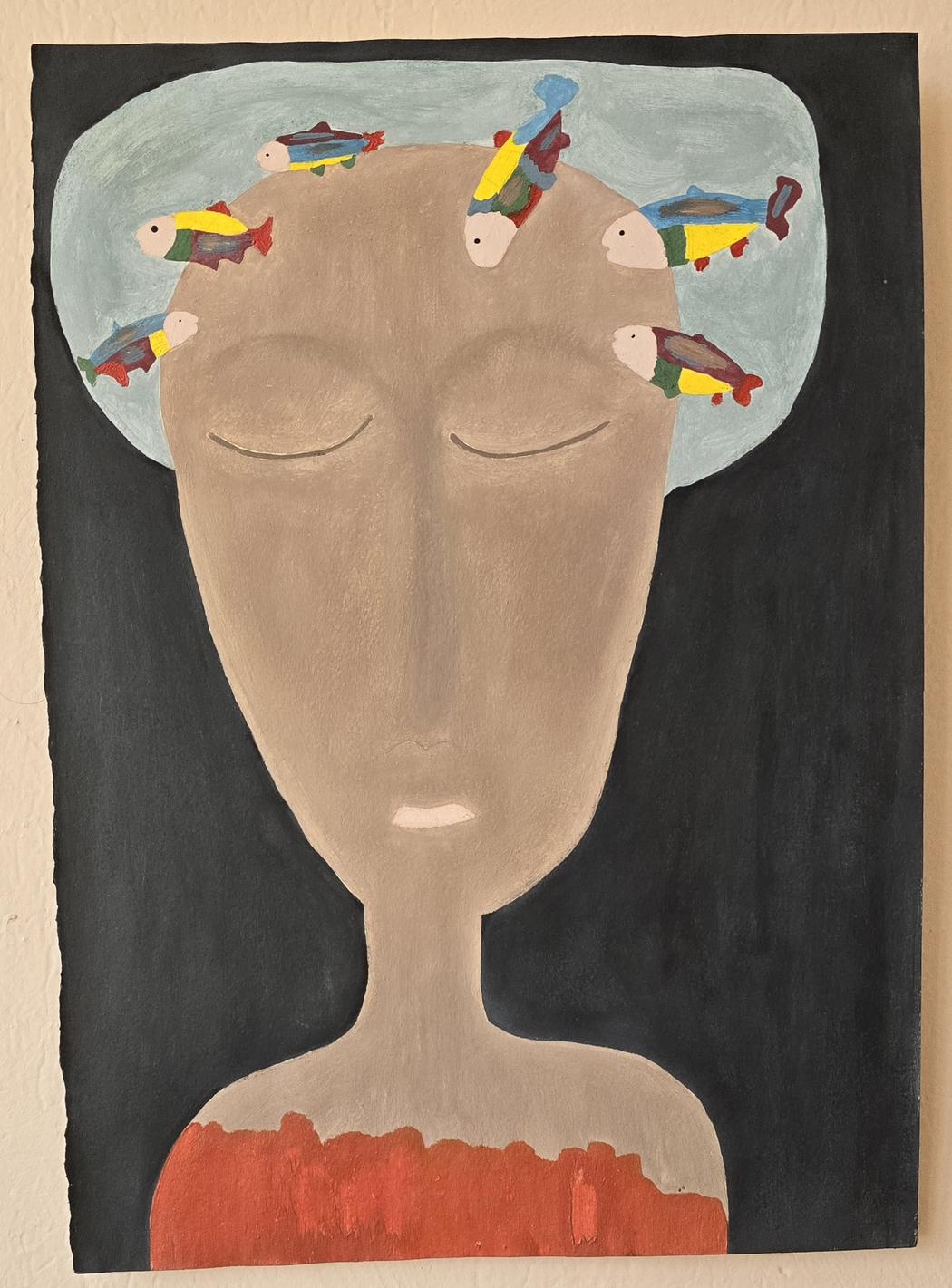
I believe an artist should express as much as possible through their work and communicate everything they feel the need to say.
I create garments, paint, and stage performances. For me, these are different forms of self-expression through which I communicate the present and my own perspective on the world around me.
What draws you to particular fabrics and materials, and how do their physical qualities influence your designs?
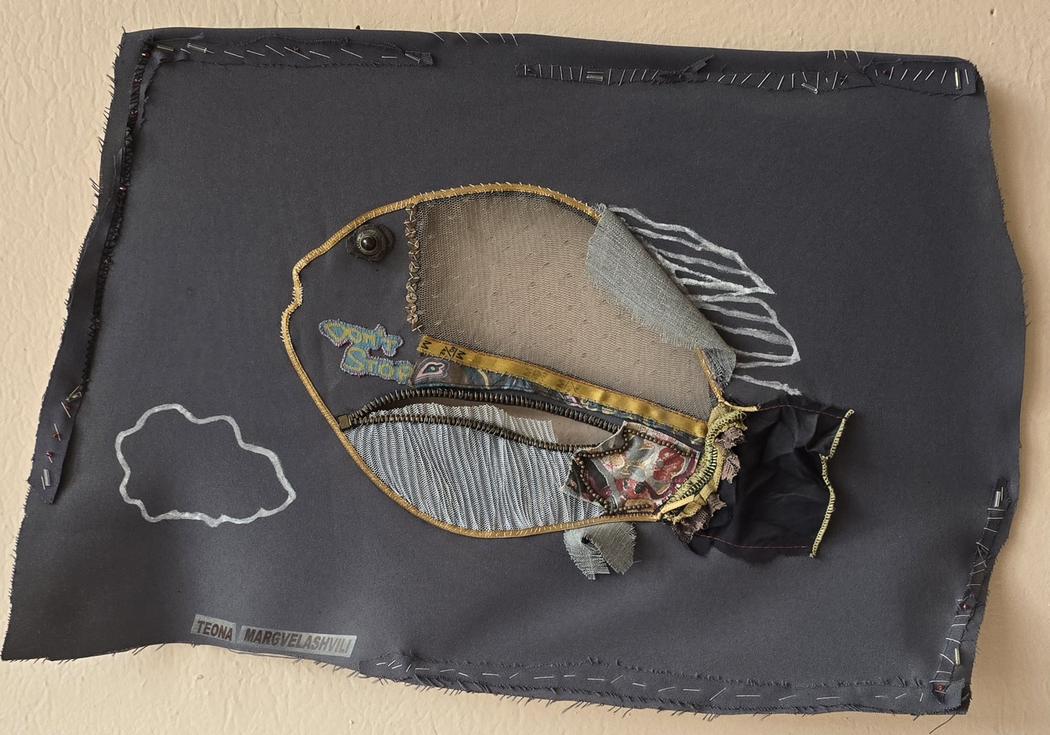
I love experimenting by combining seemingly incompatible fabrics and contrasting colors. For me, it is about making the impossible possible.
I also love combining the old with the new. I try to let the fabric speak for itself and become part of the message I want to communicate.
How much does practical wearability influence your decisions, especially when it comes into tension with your artistic vision?
I believe courage is one of the foundations of self-confidence. When people feel comfortable in what they wear, they can express themselves freely.
My collection is an expression of protest. For me, clothing is not merely about appearance — it is a means of expressing my message, my position, and my response to the world we live in. I welcome the idea of clothing becoming a form of protest and a way to communicate a powerful message.
Has a response from a viewer or someone wearing your work ever changed the way you understood a piece?
I have received a great deal of criticism since childhood. There have been moments of surprise and even attempts to ridicule my work.
However, I believe that when you are confident in yourself, criticism can become one of your strengths. If you believe your work is not good simply because someone else does not like it, you are allowing doubt to undermine your confidence in yourself and your artistic vision.
For me, it is important for an artist to preserve their individuality and never abandon their message simply because it is not accepted by everyone.