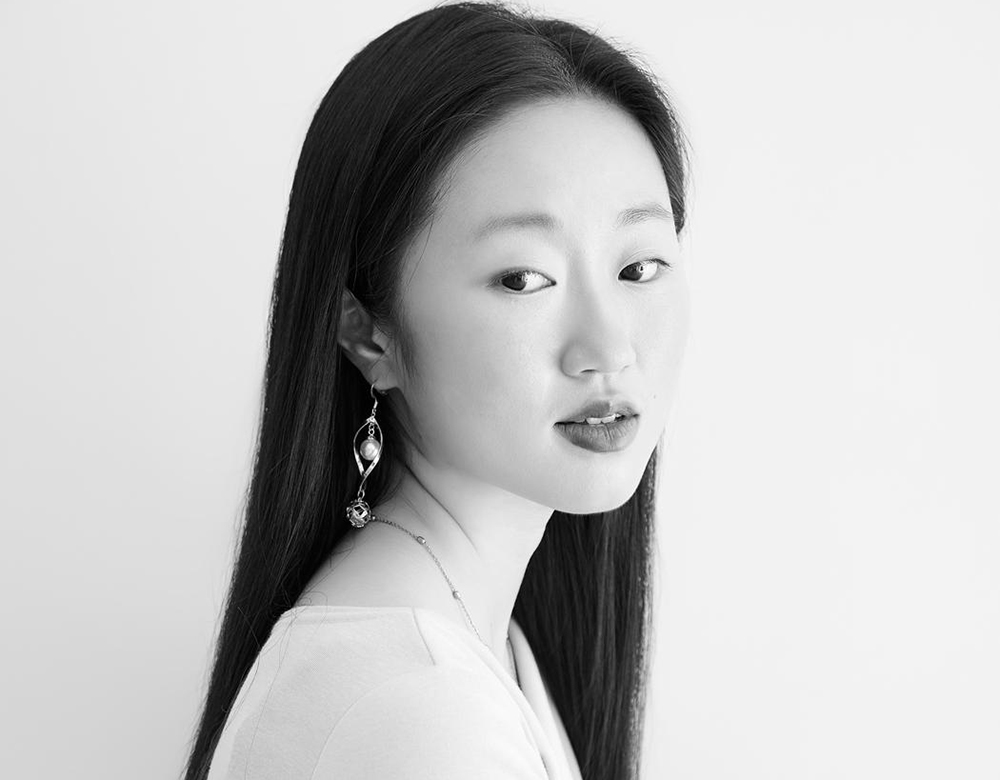
Hyevin Namgoong
What first drew you to acrylic painting, and how has your relationship with this technique changed over time?
At first, I happened to see a video of someone using the acrylic fluid art technique, and I was deeply inspired by its natural, beautiful flow. Those flowing patterns looked almost like distinct shapes, and out of curiosity, I wondered what it would be like if I brought those shapes into clearer form myself. I started working on small canvases, but soon realized that to fully capture these wonderful flows, I needed a larger canvas. To be honest, I was initially intimidated by the cost of all the paint and canvases. Fortunately, however, every time I started a project and poured the paint, I could envision what shape the artwork should take, leading to a steady collection of satisfying, completed pieces. Rather than viewing this as my own skill, I believed that God was creating these beautiful flows so that I could carry out this work. That’s why before starting any piece, I usually pray, asking Him to help me reflect His will in my work. Miraculously, whenever I do, wonderful flows and art pieces truly come to life.
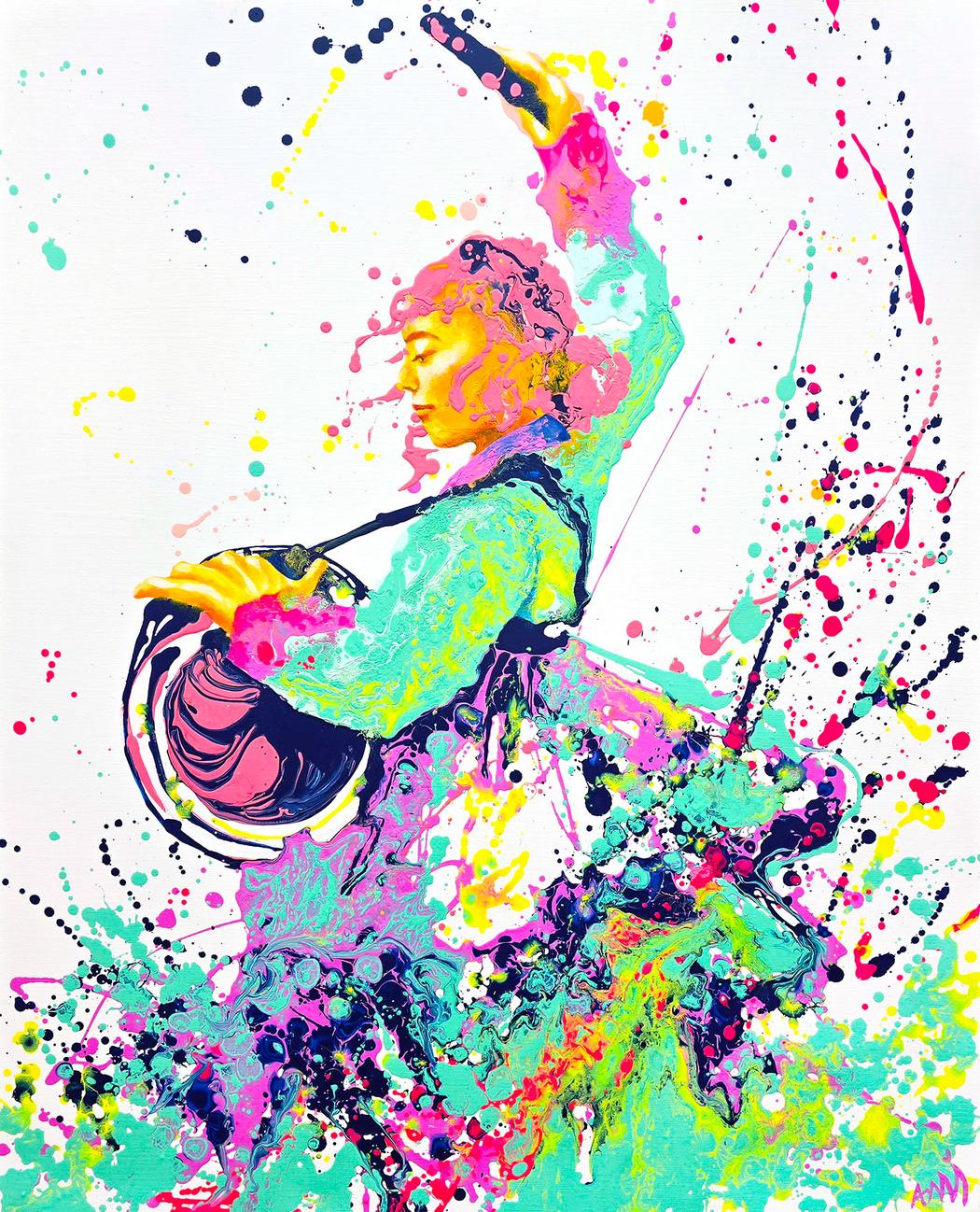 Hyevin Namgoong | 공명(共鳴) | 2026
When paint begins to move across the canvas, how do you decide whether to guide it or let it find its own direction?
Most of my process involves covering the entire canvas using a hairdryer or splattering paint with a stick. When working with a hairdryer, I lightly blow air a few times only over the flows that have the potential to become the main focal points to shape them, while leaving the background flows to move naturally. On the other hand, when splattering paint onto the canvas with a stick, I first paint the silhouette of the shape I want to create, and then pour or splatter paint selectively to create the flow.
At what point do you recognize a figure or a story in an unexpected shape? Can you describe what happens next?
It all starts when a specific movement begins to emerge. Fluidity and movement are the core elements of my work, and there are times when a central figure—one that can naturally lead the flow—begins to emerge on the canvas. I capture that image and bring it into focus, which feels like breathing life into a flow that previously held only pure potential.
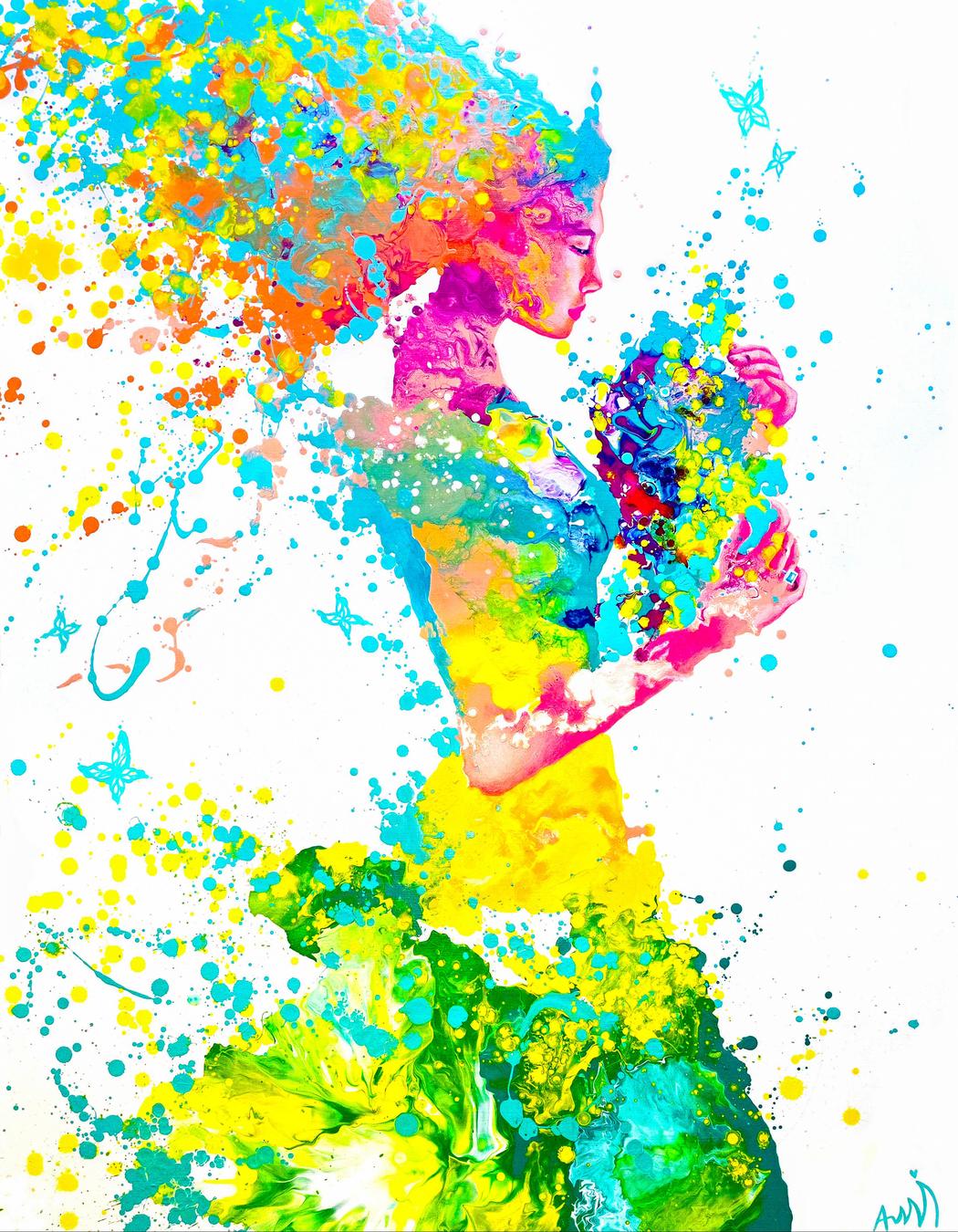 Hyevin Namgoong | Eternal Happiness | 2026
Your painting often give human qualities to forms created by chance. What does this process allow you to express about emotions that are difficult to put into words?
To me, emotions are best conveyed through those who feel them most deeply—whether that’s a person or an animal. I mainly work with the human figures. Connecting distinctly human gestures with the organic flow of paint is really what brings depth and energy to my work.
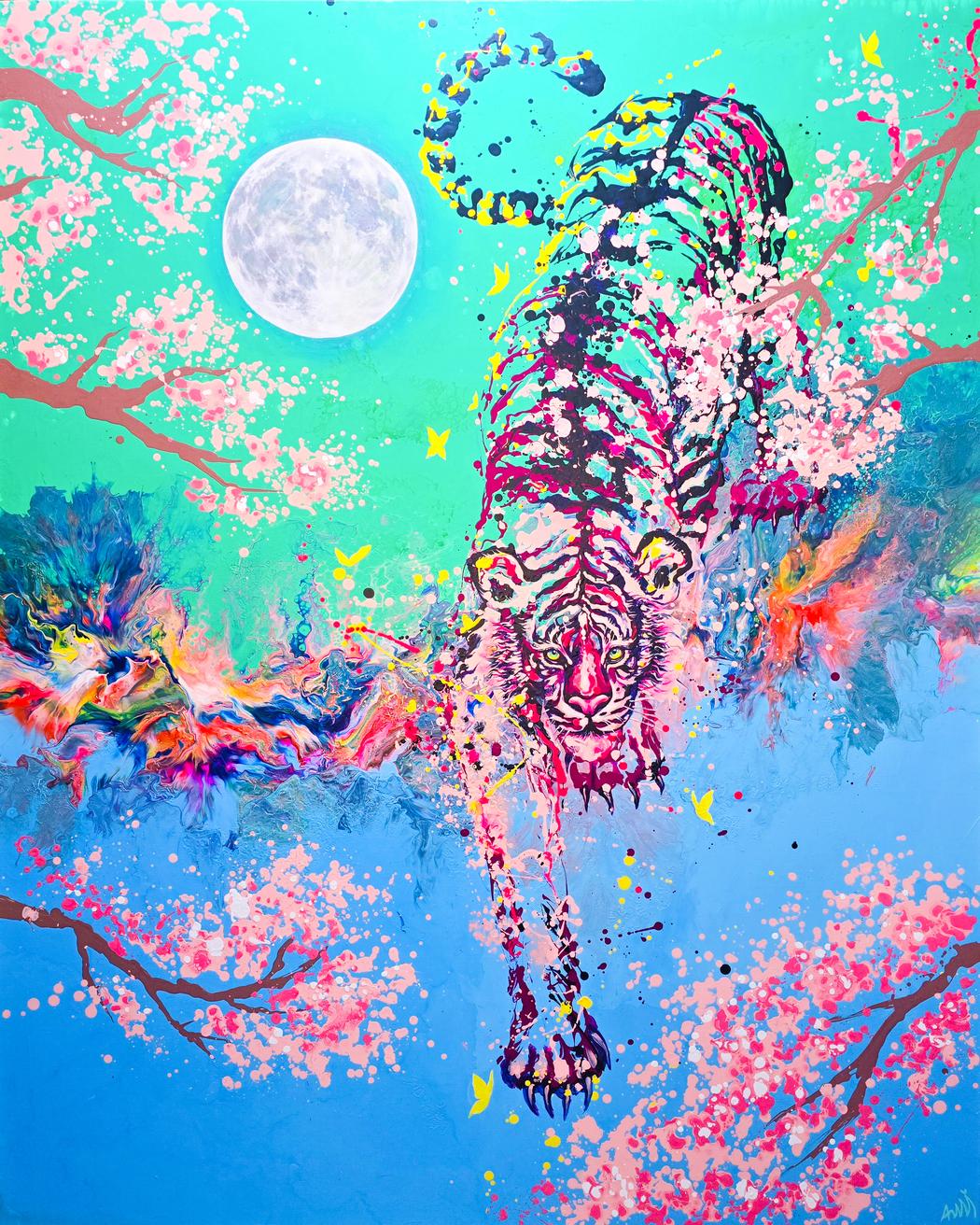 Hyevin Namgoong | Moonlit Tiger | 2026
How does your experience as an illustrator influence the way you develop a painting?
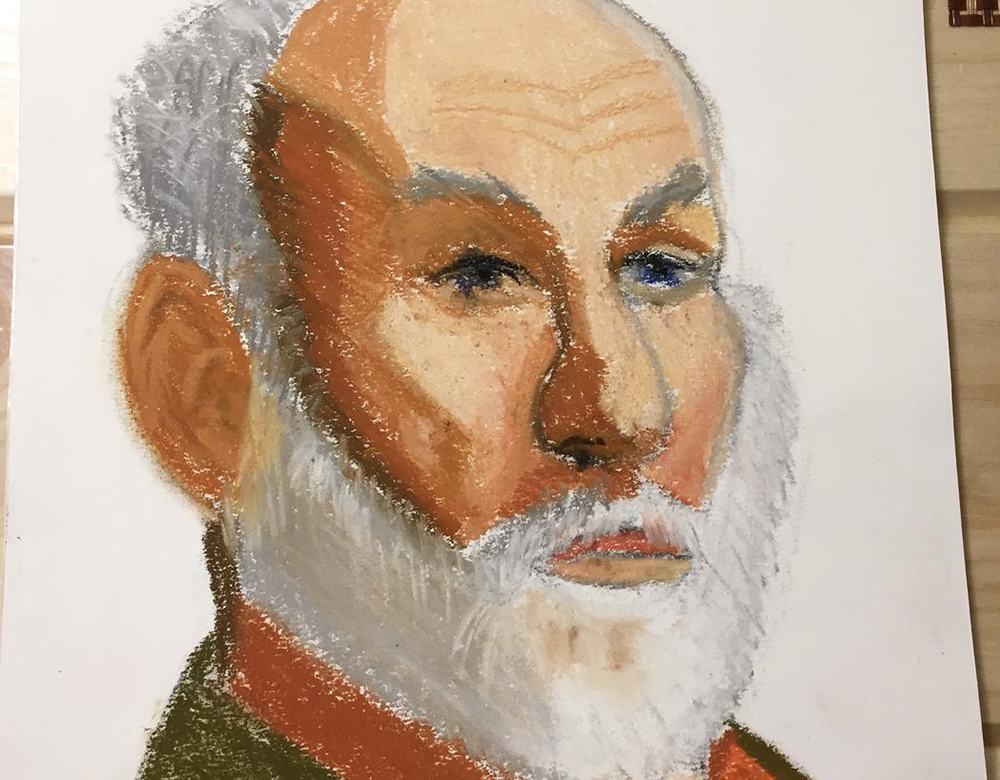
Beyond illustration, I have extensive experience working with a wide range of non-acrylic mediums, including digital drawing, pencil, oil painting, watercolor, and pastel. I didn’t set out from the beginning to make painting my sole focus. However, rather than pursuing a single style, gathering diverse experiences and building a varied body of work has undoubtedly enriched my current artistic practice.
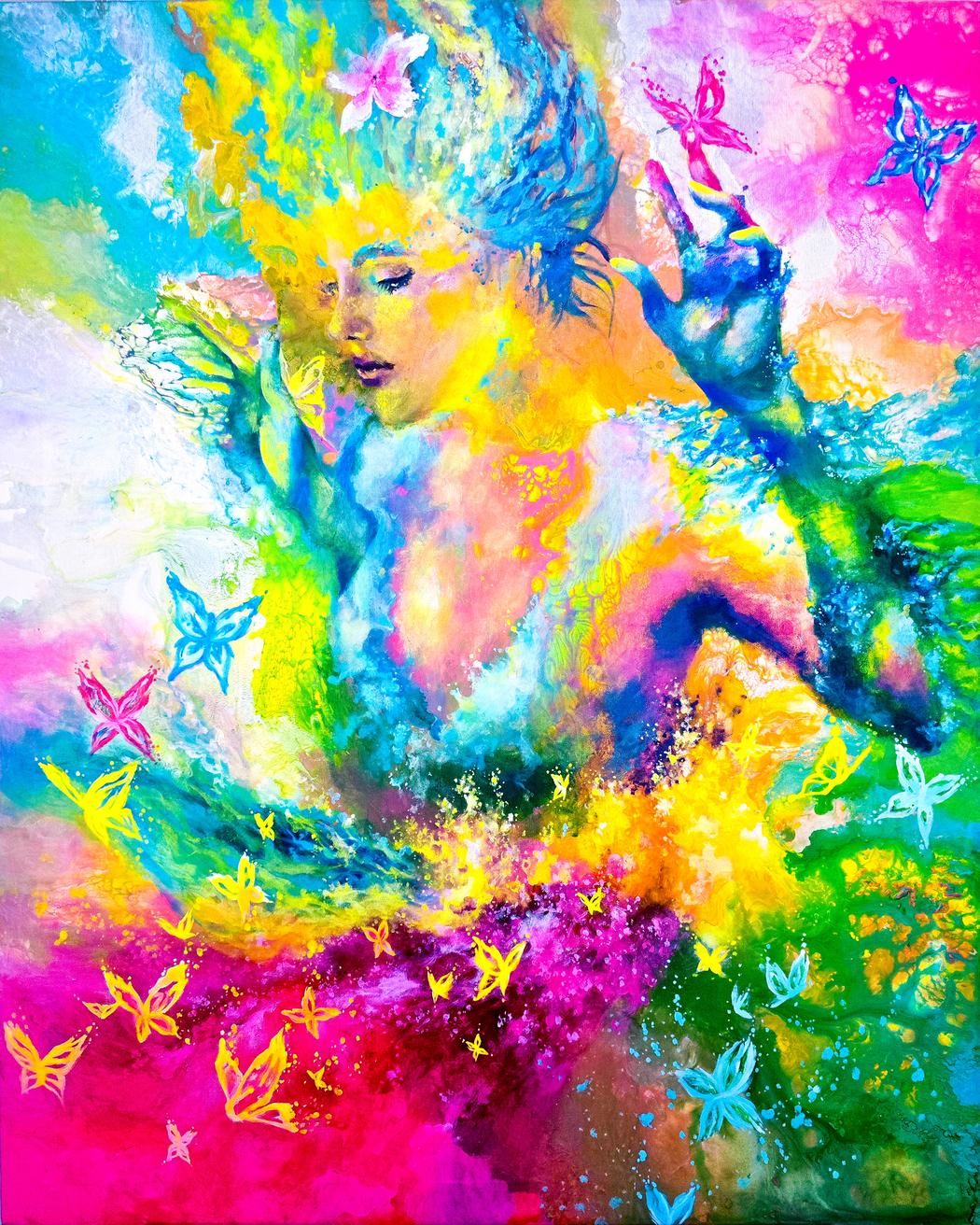 Hyevin Namgoong | Dancing In The Middle Of Tornado | 2025
Childhood imagination appears in the way you discover figures within flowing paint. Has making art changed how you see the ordinary world around you?
The world we live in is not as pure as the paintings I create. Evil lurks, and it is filled with people of ill intent. Because of this, creating art hasn’t necessarily changed the way I view the world. However, I believe that every painting I create is something God has permitted me to paint, and for that, I am deeply grateful. I am committed to sharing as faithfully as I can the positive, good messages that God places upon my canvas.
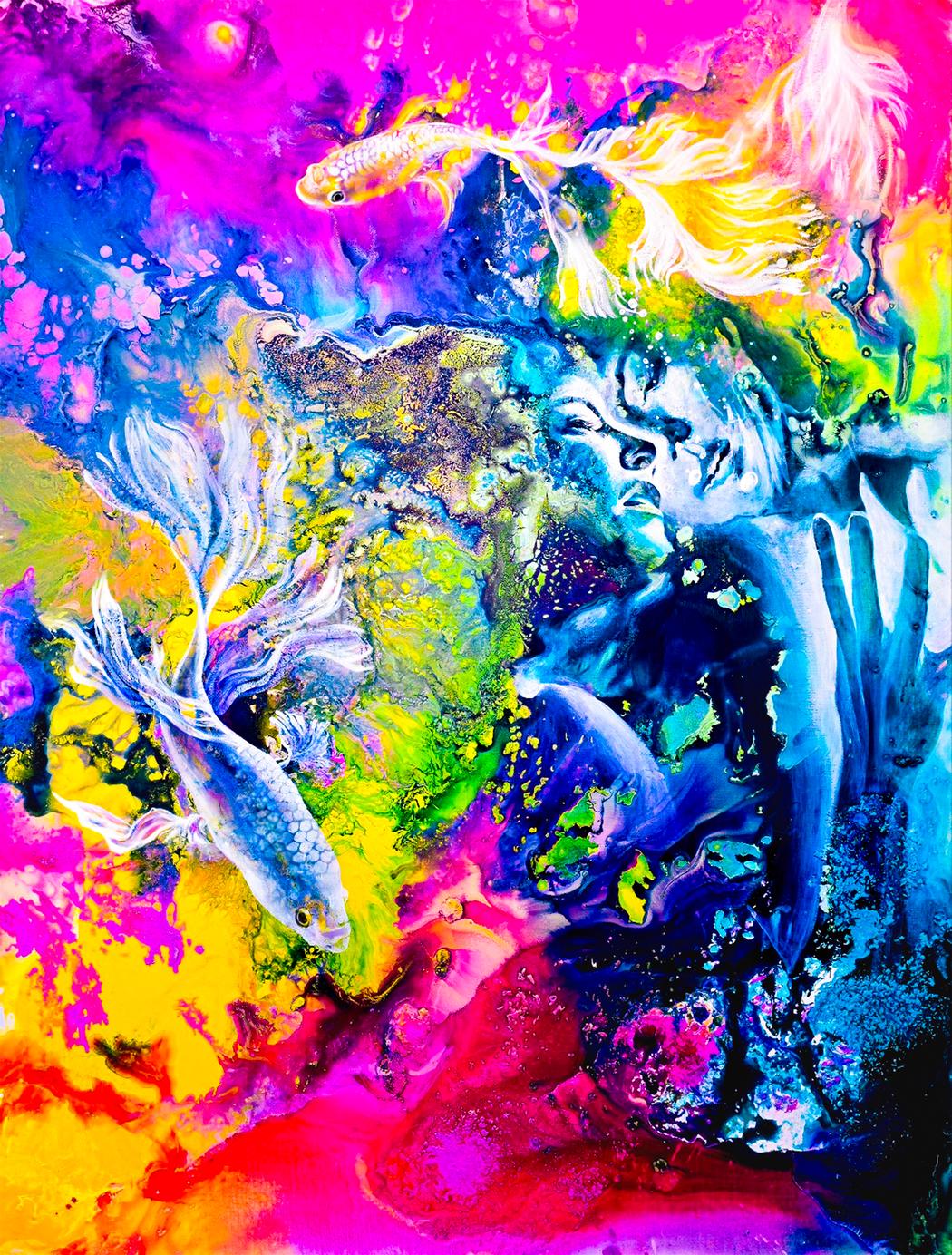 Hyevin Namgoong | Narcissist | 2025
How do you know when a painting is finished, especially when its starting point is something unpredictable?
I tend to put my brush down when the vision I had in mind feels fully captured on the canvas. That said, I don’t believe any artwork is ever truly complete. A painting can always evolve, and even something put aside for years can be revisited to refine certain details. I do that occasionally, but above all, I focus on bringing a piece to a point where it clearly speaks its message to those who view it.