
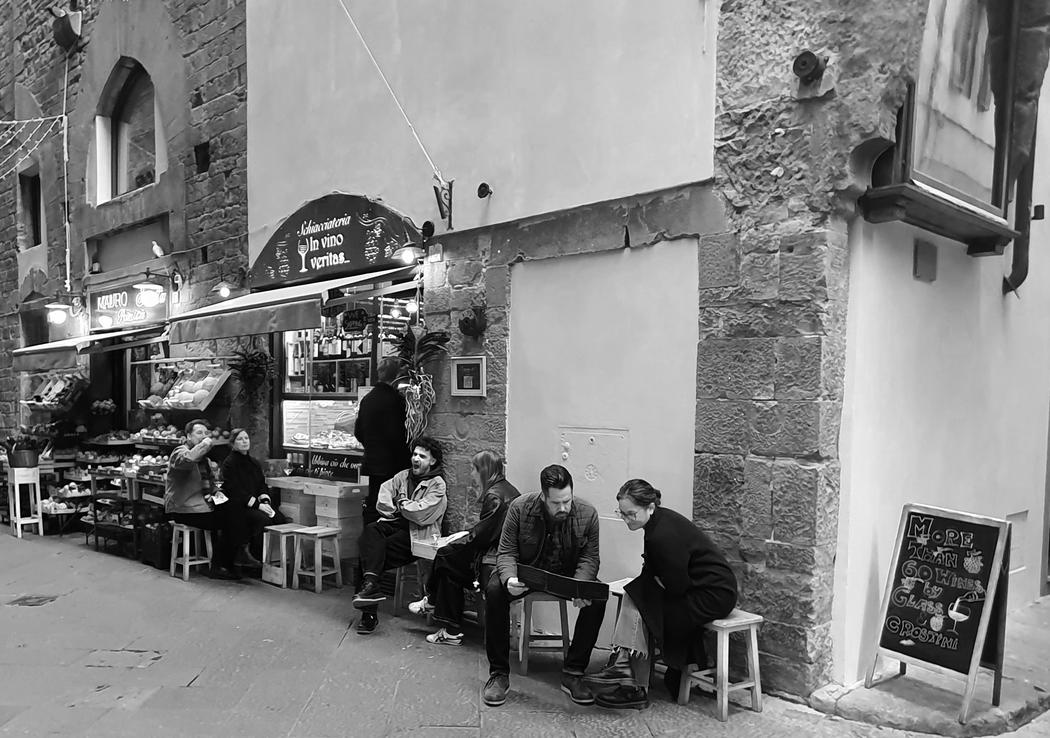
Iulian Tanase
What first drew you to film photography, and what does the analogue process allow you to express that you would find difficult to achieve digitally?
It is not a matter of choosing one as opposed to the other, based on difficulty of expression. For me, it all depends on the feeling and means of depicting what I want. I understand and appreciate that digital photography is faster and it allows one to shoot in more difficult conditions than analog. That said, the film allows me ample time to think about the image I want to make, work it from scratch, slowing me down to the threshold of static emotion, whereas digital medium is something which I deem to be, well, too fast, impersonal and too neat, for me at least. I get the feeling that someone else is driving the car, altough I am the driver. I hope it makes sense.
You describe yourself as being on a continuous journey without yet knowing the destination. How has your way of seeing changed during this journey, and what questions are currently guiding your practice?
Indeed, my journey is yet to be concluded, it’s still a road with no ending in sight. And this is all right, this is the way it should be. My way of seeing has changed, very much so: when I look at my photographs from my early days and compare them with the recent ones, almost everything has changed: composition, understanding of light, angles and way of expression. My studies with the New York Institute of Photography also had a great influence on how I understand photography. As I am more drawn to black and white photography than to color, I am seeing a scene in bw and judge its merits and opportunity even before pressing the shutter button. Questions I do ask always, when I look at a place or person: is this something that defines this moment in time? Is this a visual witness of my journey? How can I bend the light so to have this image tell a story? So, yes, I am seeing things very different from my early days, and this is still happening as we speak.
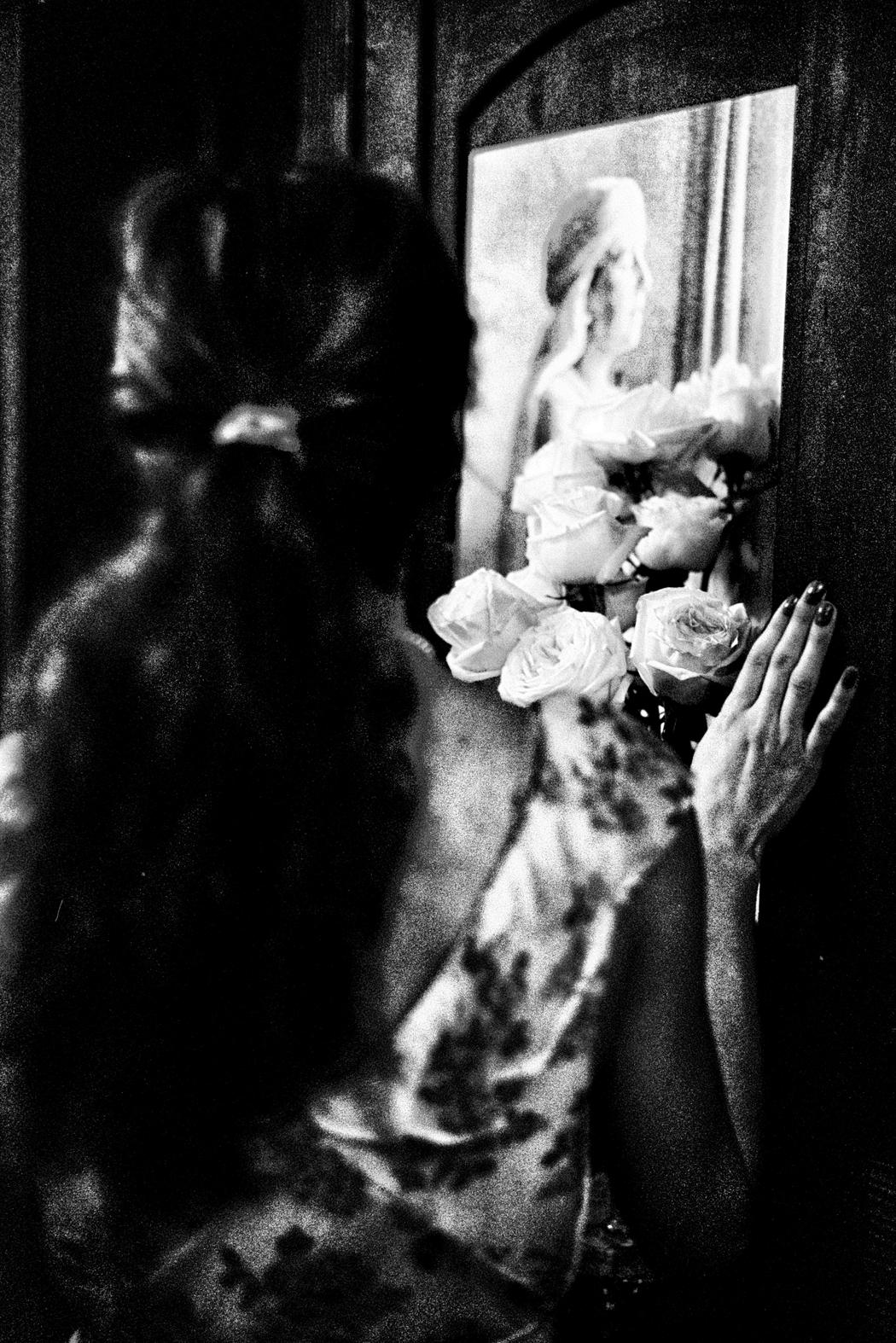 Iulian Tanase | The Touch | 2025
Your work moves between documentary photography, photojournalism, and conceptual art. When you make an image, do you think of yourself primarily as a witness to reality or as someone transforming it through personal interpretation?
If it’s not a too great contradiction in terms, both. That said, as a documentary photographer, ansd also as a photojournalist, my first rule is not to change anything when it comes to places, people, things or events one documents. A photograph made under this rule has, first of all, to tell the truth and let readers know what has been going on, as simple and as clear as possible. So, there is not much leeway here, as far as the interpretation is concerned. Of course, one can use his own style to shoot a documentary, but at the of the day, the rule aforementioned is mandatory. One is primarily a witness of the real happening in front of his eyes.
Available light, rough shadows, and piercing highlights are central to your visual language. What role does light play in shaping the emotional or narrative meaning of a. photograph?
Light is dictating the outcome of a photograph. Light is the main and most important part of the kit with which a photographer chooses to make an image, on film or digital, no matter. Absence of it, too much of it, small or large amounts of it in a scene can be used to construct a photograph, influenced by the command of one’s skills and interpretation of what one wants to express. In black and white photography, light indeed shapes and expresses the emotion and the story, by understanding how light works. Not always easily doable, and I am yet to really befriend this beautiful too at our disposal, which is the light (or its absence, as it were).
Working with film means having a limited number of exposures and being unable to review an image immediately. How does this affect your attention, timing, and relationship with the moment you are photographing?
True, because it takes between a couple of days to a week until I see the results. Processing and scanning may take all this time, so yes, at times I am impatient. But during this time, I run scenes, numbers, situations, settings and ways of interpreting what I shot; so a good brain exercise which I do recommend. A limited number of exposures means (for me) the opportunity to think and get involved at a much deeper level in making images. One is forced to evaluate the scene and take a decision of taking the image or not, based on a lot of boxes being checked. Attention and timing are paramount, and is not easy; it takes a different type of discipline and self control not to waste the entire length of film in 5 mins.
Documentary and street photography often involve observing strangers during unguarded or intimate moments. How do you approach questions of distance, consent, and responsibility, and are there moments when you consciously decide not to take a photograph?
If we discuss photographying of people in intimate situations, places or moments, this is a no-go area. I never engage in shooting images of such, period. Unguarded, yes, this is possible; if in public spaces, this is allowed, moreso as an image of a person who is doing whatever and does not know he is being photographed, is a more interesting and powerful image than the one whn he knows camera is pointed at him. There are several rules here, no matter who, where or what one photographs: if you shoot a specific individual, close to you, ask for permission. It only takes a second, and if he/she agrees, all good. If not, offer thanks and move on. A no here may well be a yes 10 metres further down the road, so do not fret if declined. If using a model, a signature and release are mandatory; this can and will provide a set of rules and measures that helps both of you. In the long run, a signature is always an easy way to get yourself out of legal troubles.
I always refrain myself when it comes to shoot people if physically chalenged, and / or in situations that puts them to difficult positions, real or so socially perceived. I do not shoot beggars or people that had fallen on hard times, UNLESS this is a social project for some association or a direct help to support people in their hard time in life. If I happen to be in such place, I put my camera away and have a 1 minute chat with that person; if I can, I help. I discovered long time ago that many people in distress appreciate a good owrd, coming from the heart, than a 5 euro bill. A good word and time to listen can go a long way.
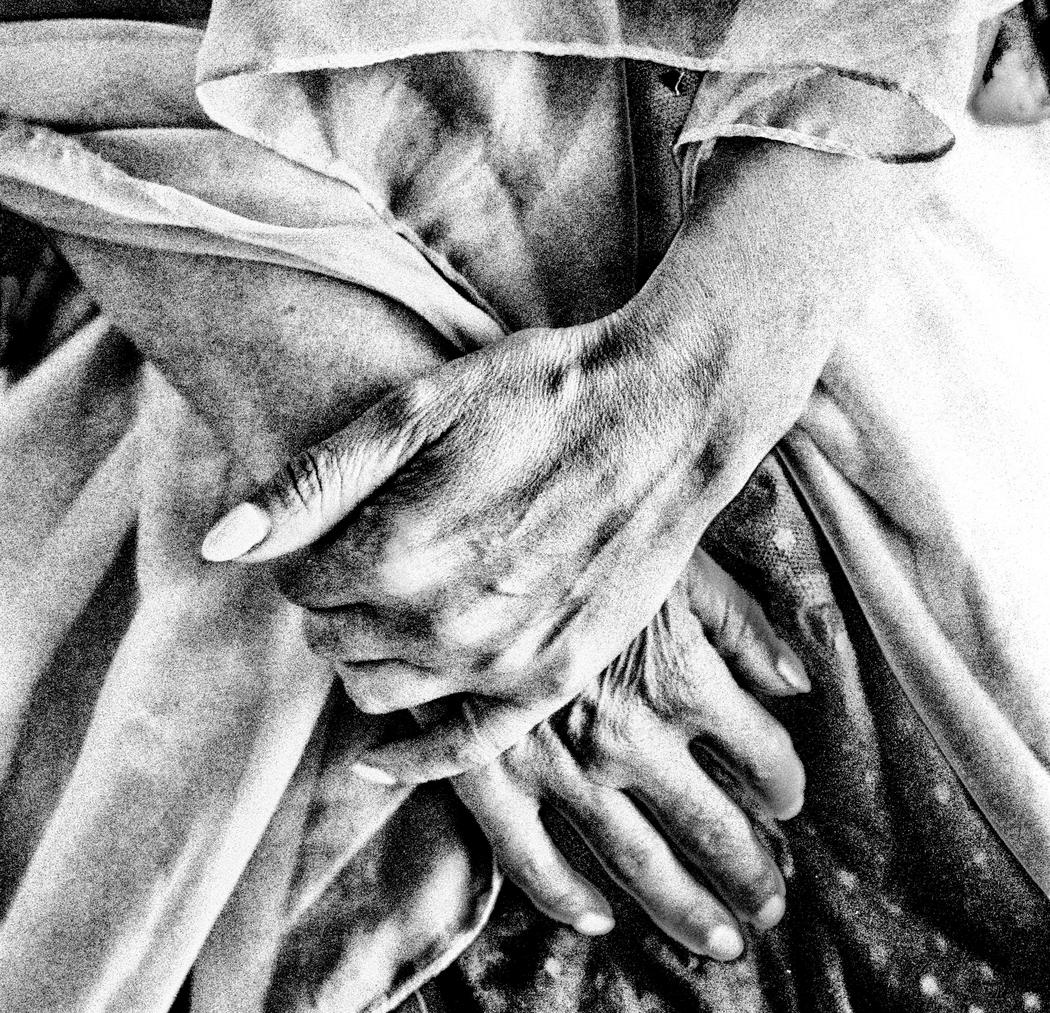 Iulian Tanase | A Life | 2026
You support other film photographers and emerging artists by sharing your knowledge and writing about analogue photography. Has putting your ideas into words changed the way you understand your own images or the way you work?
Indeed, it happens. One has to conduct one’s image making in such a way that others can understand what one’s doing, why, how and the desired outcome. More often than not, I find myself following my own advices, to be honest with you. Being involved in photography groups, magazines and communities out there means that I many times shape my methods, understanding of a certain situation, some particular moment in picture taking; explaining some things to others helps me remember principles and rules. So, yes, the way I work is shaped by my past and present expreiences and by my strong connection with the communities I am member of.