
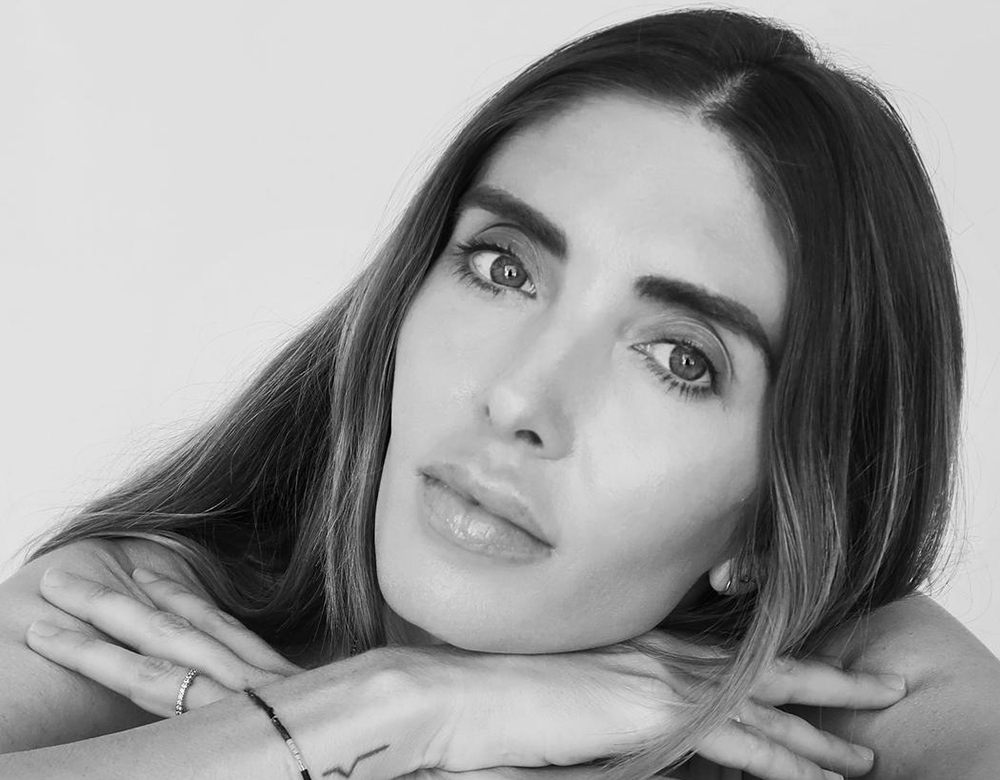
Karli Henneman
You studied art in Paris and New York before establishing your practice in Los Angeles. How have these different cities and their visual cultures shaped your artistic language?
Paris was the ideal place for me to begin my artistic studies. I was surrounded by renown pieces of art history every day. I would draw in my sketchbook at museums such as the Louvre and Centre Pompidou. The classical art training there helped me learn the rules in art before I could break them. New York is filled with dynamic energy and constant visual stimulation. My work there was bold, and my practice had a repetitious and obsessive quality. I was drawn to creating dense multimedia works mirroring the energy of the city that never sleeps. The most significant transformation in my work happened after moving to Los Angeles. I shifted away from dense compositions with bold colors, to a minimalist exploration of light and texture.
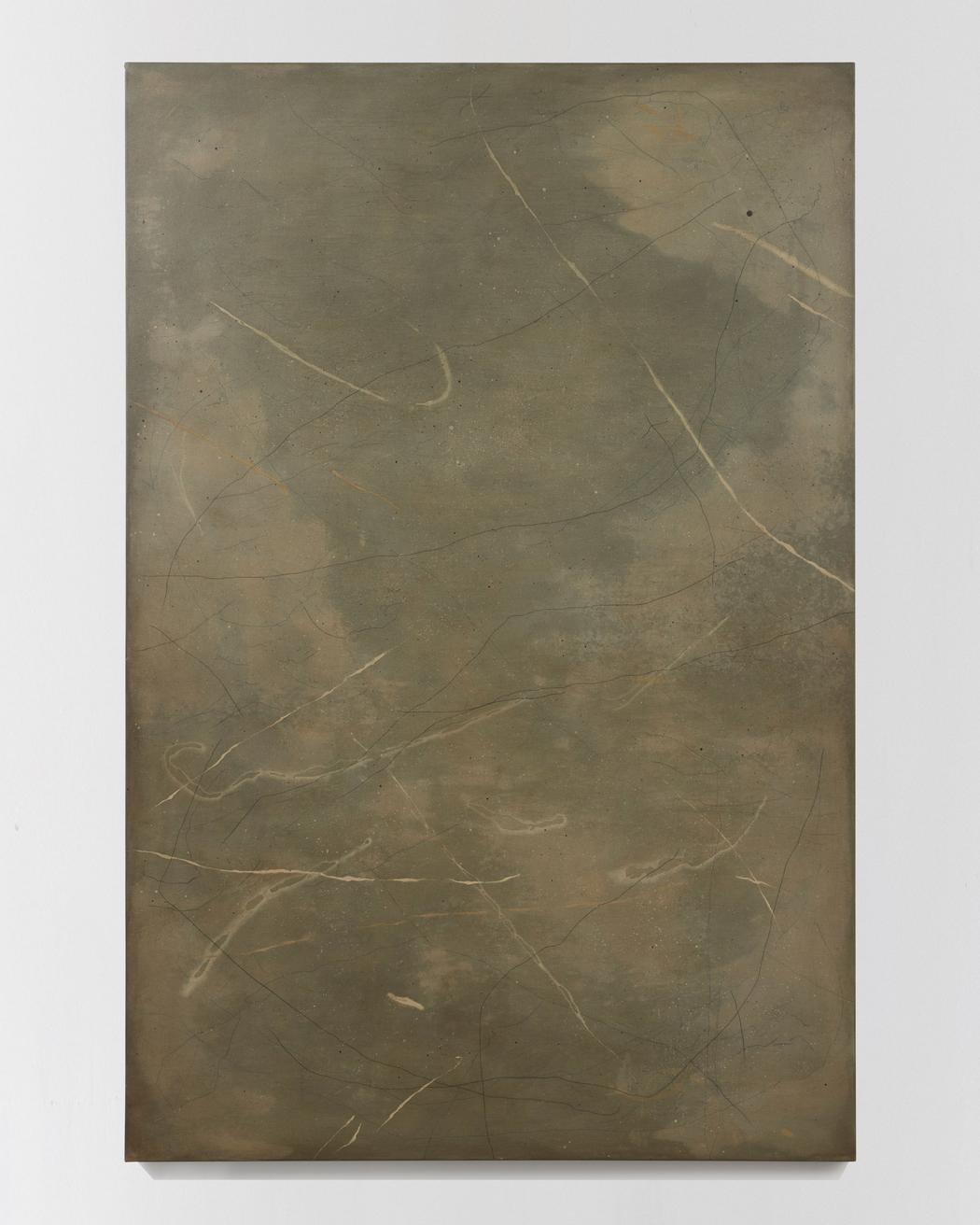 Karli Henneman | K.565 | 2026
Your graduate studies were in Art Therapy. How has this background influenced your understanding of memory, emotion, and the creative process, and where do you distinguish artistic inquiry from therapeutic practice?
Art Therapy has been something I was unconsciously practicing before even becoming aware of it. Making art has been a constant in every chapter of my life- through the hardships and highlights. The clinical practice of art therapy helps bridge emotional and verbal expression. What can’t be expressed through words can often be revealed through the process of art therapy. I am surprised how a person may claim, “they aren’t good at art”, and once they start creating, a new perspective and story are revealed. For me, the act of creating art is an intentional mindfulness practice. It is a way for me to process my thoughts and emotions while discovering a deeper connection with the core of my being. While working, I am free of self judgement and intuitively problem solving through play and curiosity. If someone isn’t innately confident in creating art they often need support getting started without judgement. The negative inner voice can persuade us to think “we aren’t enough”. The art therapist can be a supportive guide to make this process start to flow.
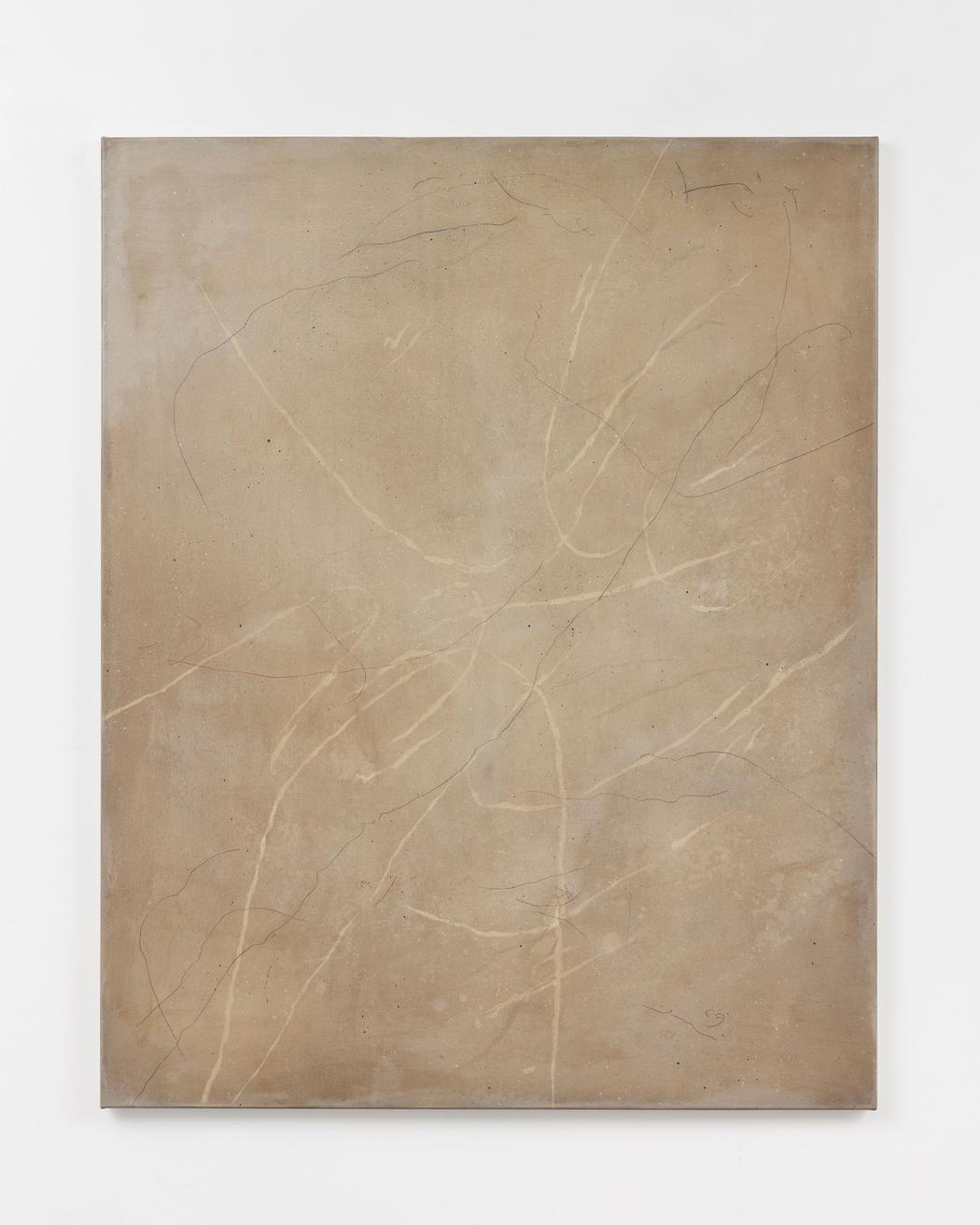 Karli Henneman | K.564 | 2026
What prompted the creation of the Memori series, and what does the title signify for you?
I found myself ruminating on past experiences searching for some sort of closure. These thoughts were frustrating me and I was curious if I could find a way to reshape my relationship with them in my art. I found that the emotional charge of these memories began to dissipate as I worked on this series. Turning something that once felt unresolved into a work of art that could stand on its own- open to an array of interpretations. The title “MEMORI” represents an abbreviated snap shot of “what was” transforming into “what is”.
When beginning a new work, how do you choose the memory or emotional experience you wish to revisit? Do certain memories return across multiple compositions?
The memories arrive organically, often songs will trigger an emotion. Music from that era of my life is often played in my studio while I work. Unresolved emotions from previous relationships, significant trips I taken, loss, love, regret, and gratitude are all emotions constantly at play.
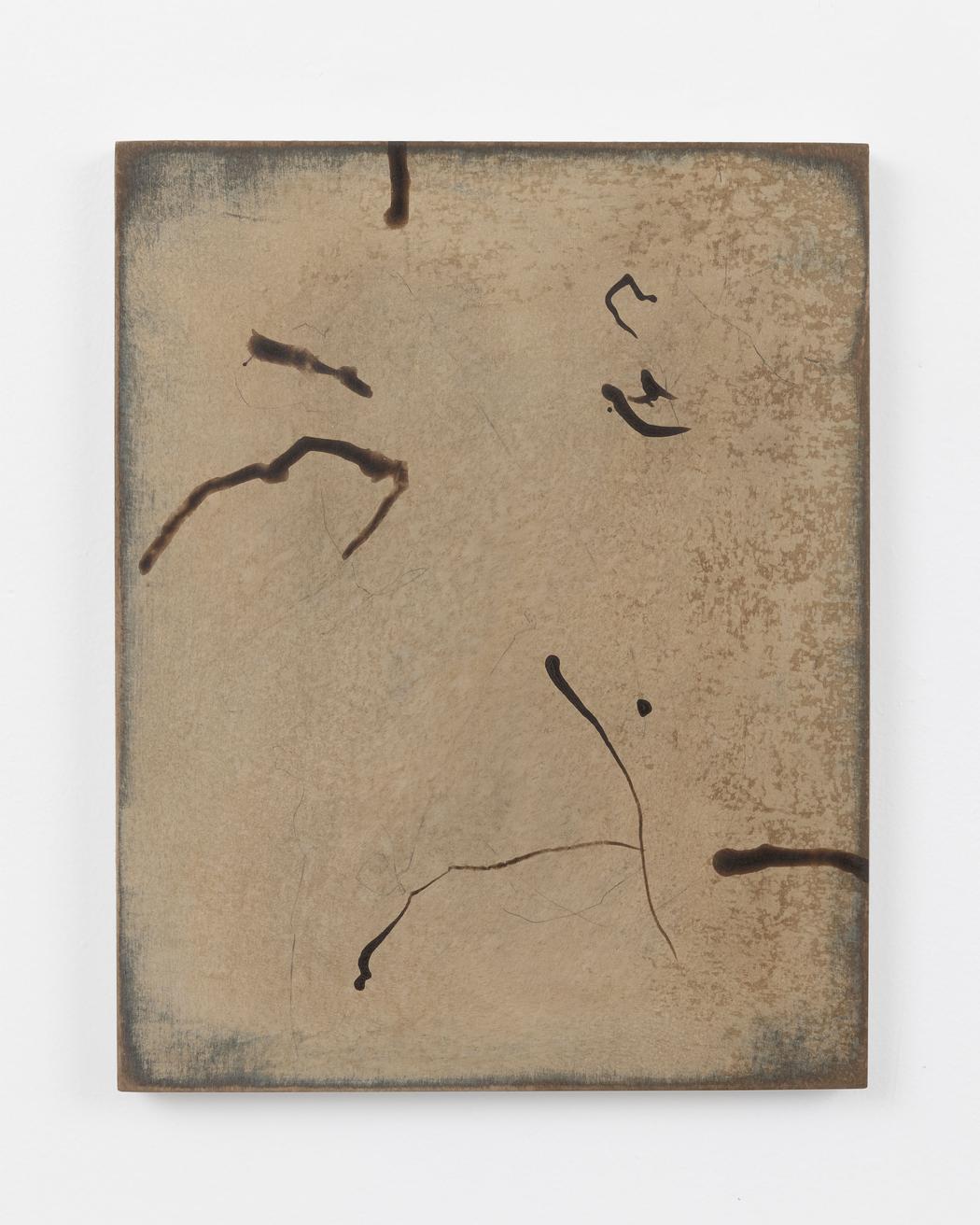 Karli Henneman | K.531 | 2026
Drawing with your non-dominant hand while looking away from the paper involves relinquishing a significant degree of control. How do intention and spontaneity coexist within this process?
By looking away from the paper I remove the desire to control an outcome. This pulls me more into the emotion of the experience rather than trying to force a distinct representation. It taps into the state of “being” vs “doing”. The art then becomes a byproduct of the exercise. This removes the desire to prove skill or technique and exist in the present moment of organic mark-making.
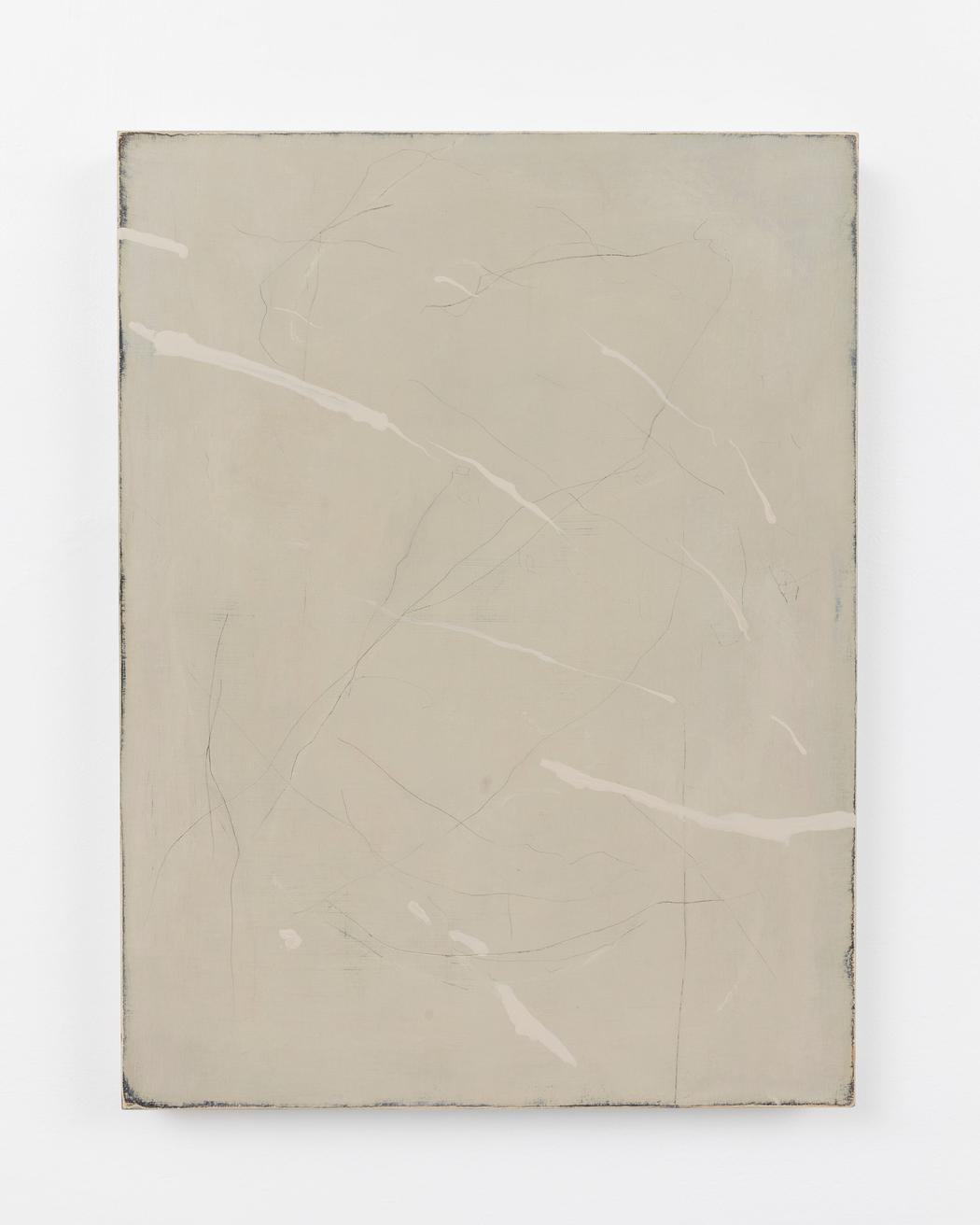 Karli Henneman | K.546 | 2026
The submitted works range from pale, nearly monochromatic surfaces to deeper brown and green tonal fields. How do you determine the palette of each piece, and what emotional qualities do these tonal shifts carry for you?
My studio is surround by trees and nature. I see hummingbirds and butterflies dance past my windows. I see the movement of the clouds and shifting tonality of light throughout the day. The base coats of my work dry in the direct sunlight outside. I feel like I am collaborating with the weather as I work. This connection of the natural world meeting my emotional world create a union of elements. Colors then become tied to feelings.
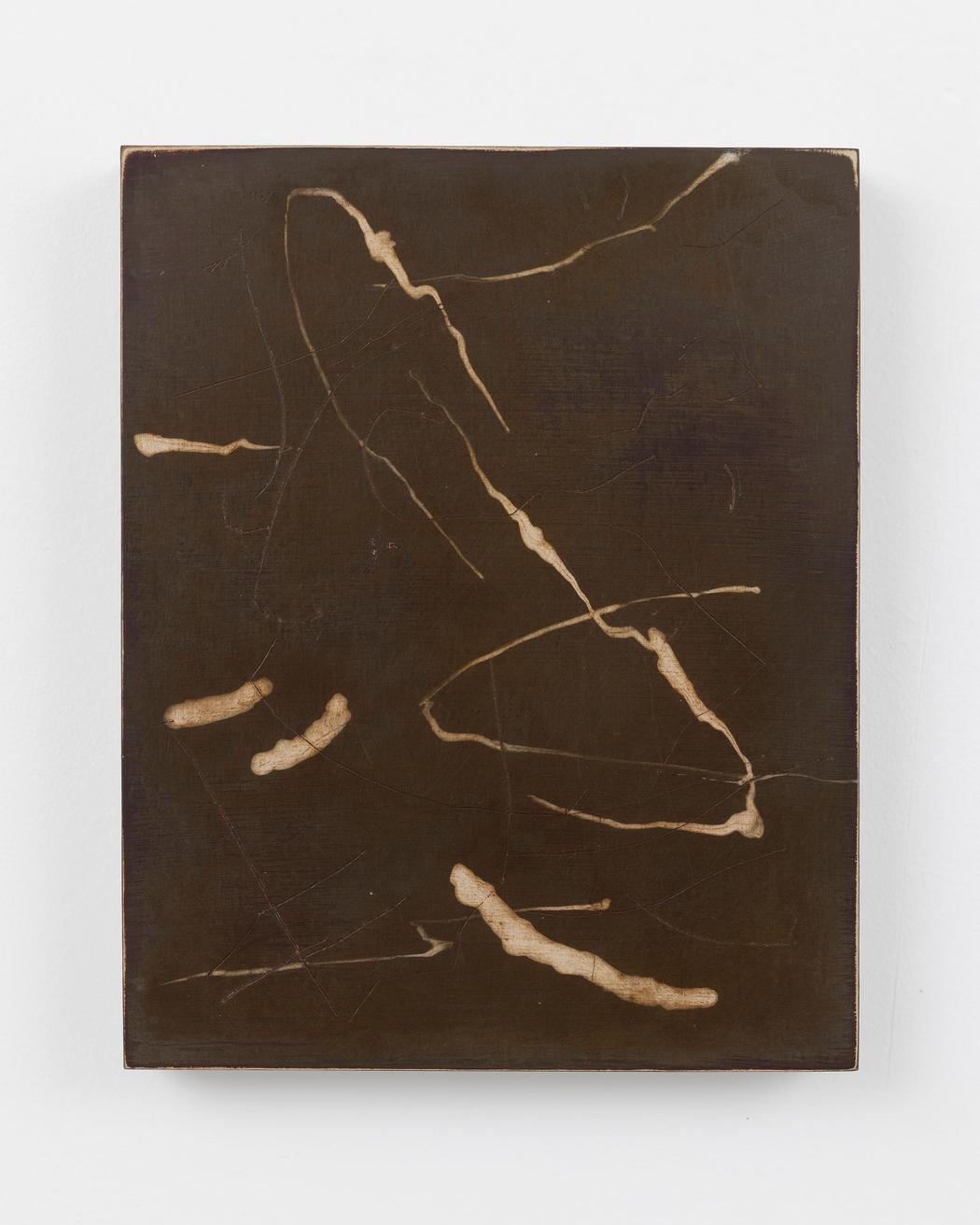 Karli Henneman | K.533 | 2026
As a co-founder of Lake Street Project and an artist whose work often enters carefully considered interiors, how has your curatorial experience shaped the way you imagine viewers encountering your work?
My hope is that my work can speak to an array of people. I don’t want it to dominate a space, but instead compliment the other design elements its surrounded by. I am inspired by the interplay of art, objects, and furniture in a space. I think they all must work in harmony to offer an intentional experience and feeling.