
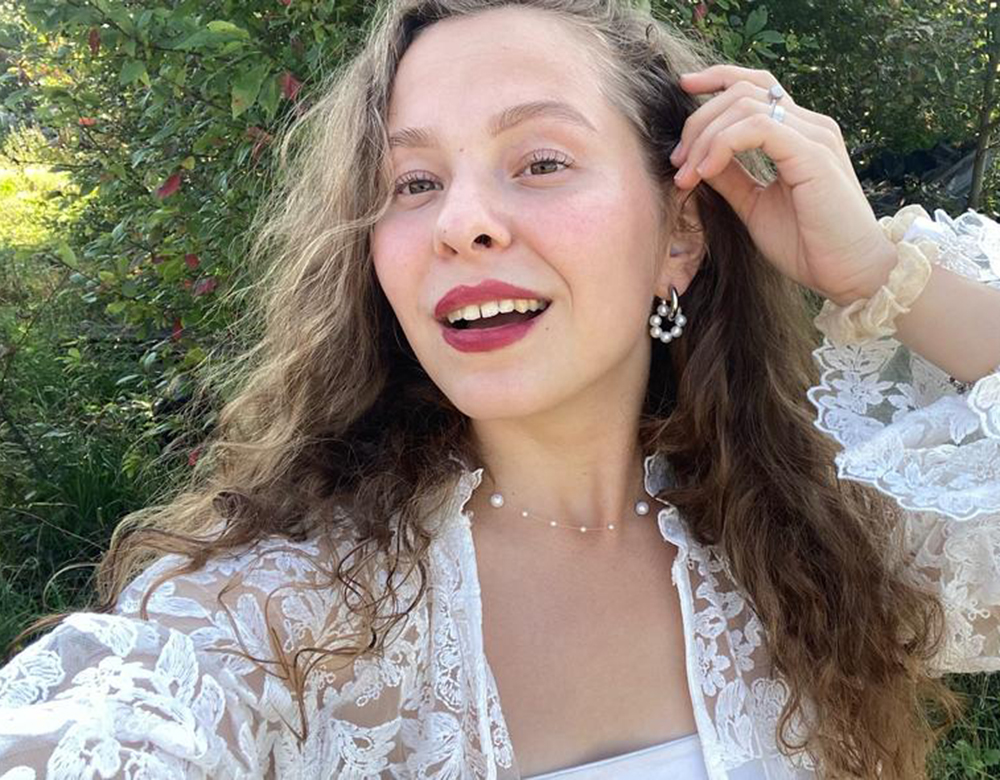
Elmira Zueva
You describe your artistic practice as a personal diary of thoughts, poetry, and lived experience. How do you decide which moments or emotions should remain private and which ones you are ready to transform into an artwork?
When I was studying at university, my teacher always used to say that a revelation should happen on stage. Since I began working in visual art, I try to create by that same principle, so that sincerity is born — or rather, so that it becomes visible and others can feel it.
I try to bring my own sensory, lived experience to the viewer — that’s very important to me. Sometimes there’s something I’m not yet ready to share, but that’s temporary. It means I haven’t yet allowed myself to live through it, to feel it fully, and so I can’t yet bring it into my art.
Nature appears in your work not simply as a subject, but as a space of restoration and connection. What happens internally when you enter a landscape with the intention of photographing or observing it?
I feel a oneness with nature, a great energy and a flutter in my soul, when I stop being just an observer and become part of the story itself. I catch a sense of being outside of time, as if time starts moving differently.
Your images often seem to preserve quiet, seemingly ordinary moments. What makes an everyday scene significant enough for you to photograph it?
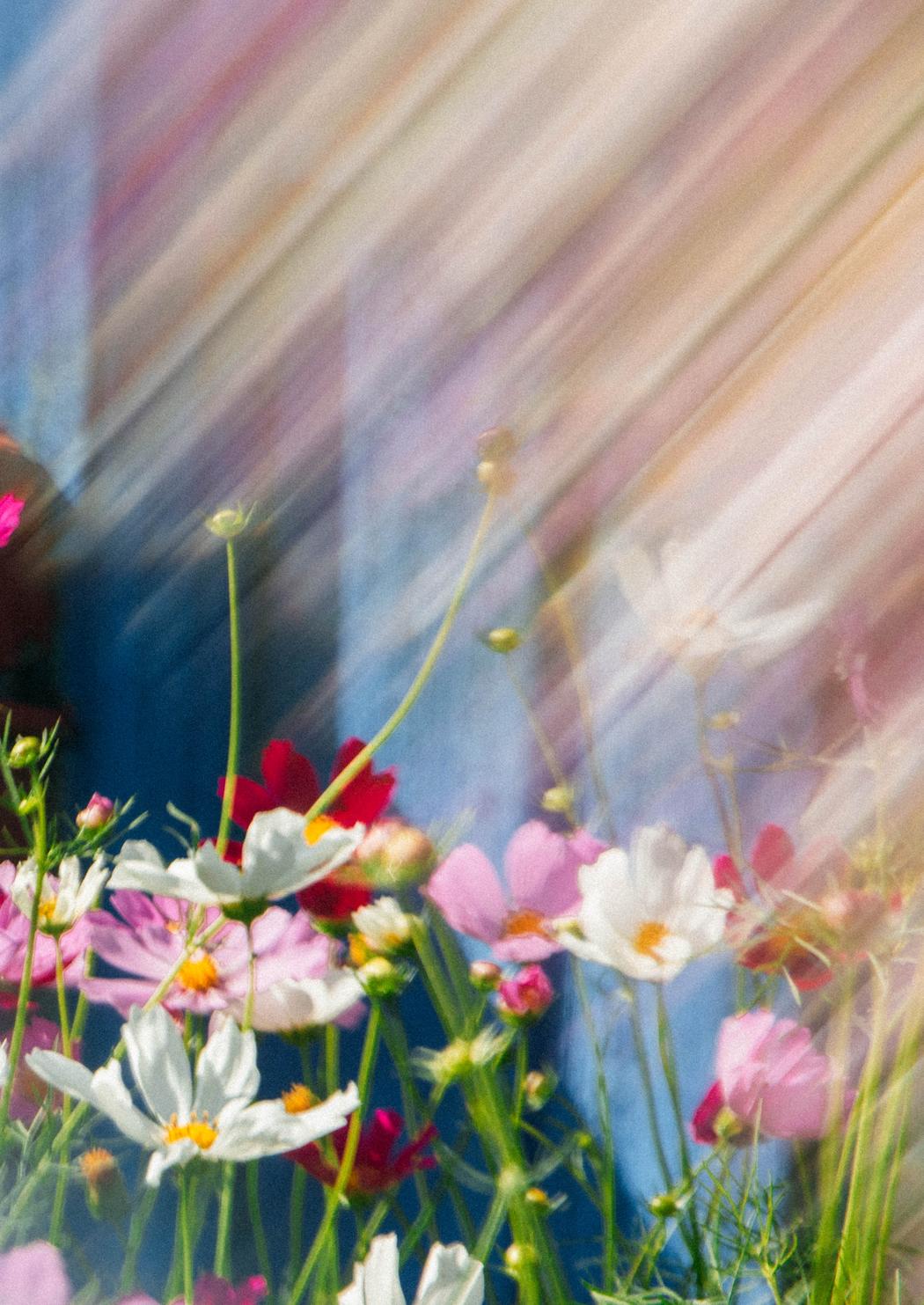
I draw from a feeling of nostalgia, from sensations in the moment — as though an image awakens certain memories in me, feelings I’ve lived through, or sensations that give me goosebumps.
I want my photographs to speak, and I do everything I can toward that: I try to let what I notice pass through me.
Nostalgia is an important element of your practice, but you describe it as a “warm light” rather than a longing for the past. How do you distinguish between remembering the past and idealizing it?
Nostalgia.
There was a time I was afraid to attach this word to my work. It seemed to me that it pulled me back toward the past, while I wanted to be in the present, to contemplate and photograph what I feel now.
But then the word became a warm kind of energy for me and truly began to resonate with what I create.
Because here, in the present, I catch the sincere, warm sensations of my childhood — these sensations return to me through the contemplation of the present.
But I think the key word of my work is contemplation.
Rural landscapes, old houses, gardens, flowers, and domestic details can carry a strong sense of memory in your photographs. Are these places connected to your own biography, or do you approach them more as universal symbols of memory and belonging?
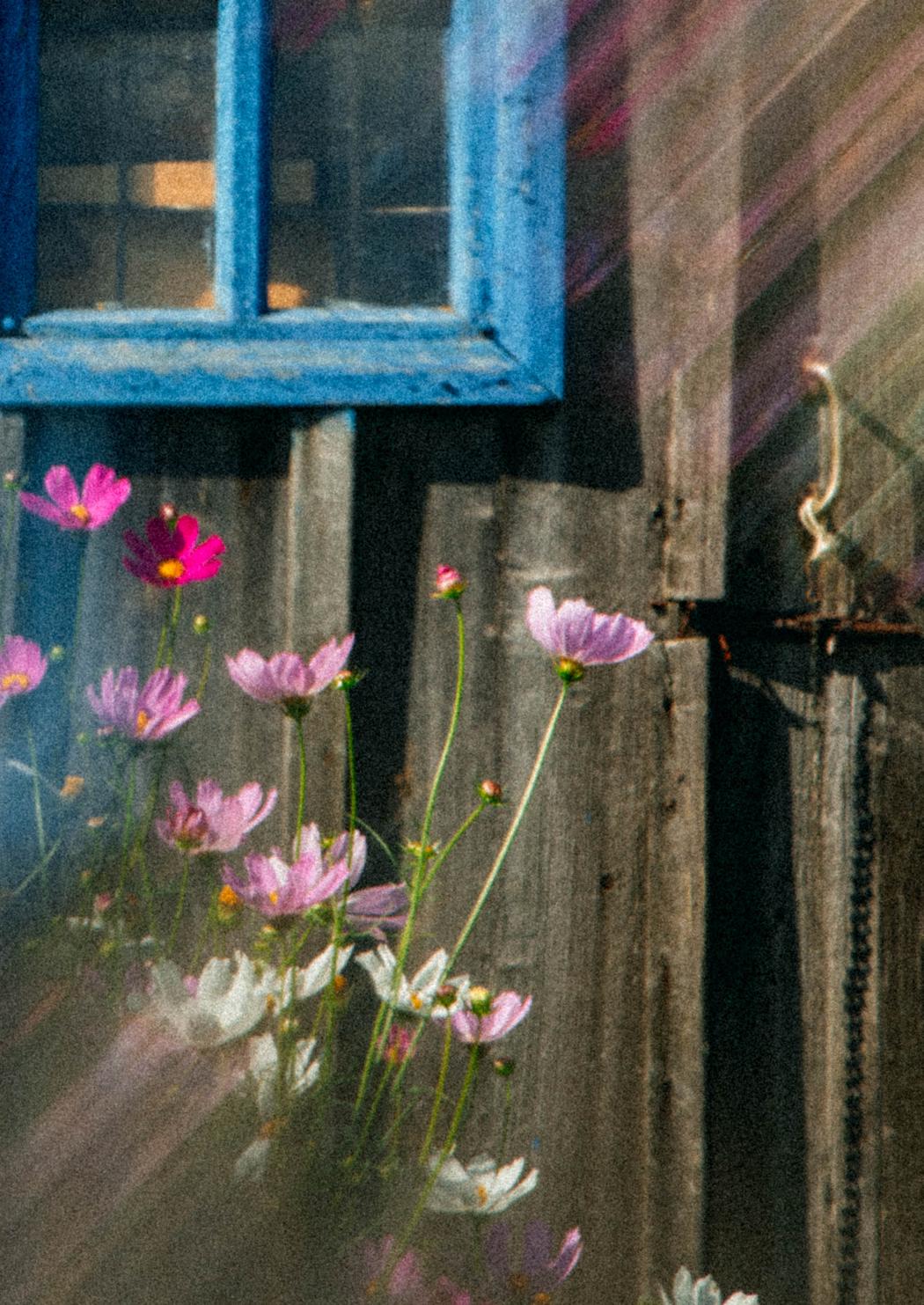
I’m convinced that an artist’s style comes from childhood. And all the bright, warm colors in my images come from there.
I spent every summer at my grandmother’s — outdoors, in the garden. Building forts, climbing trees, watching the blue sky, gathering flowers. That’s where my love of light, bright colors was born.
My grandmother’s love for me is reflected in my love for nature and for that place. My small hometown is the sacred place of my strength.
Vulnerability is something you describe as one of your most meaningful materials. What does vulnerability allow you to express that a more detached or controlled artistic position could not?
I see vulnerability as openness — the same openness I used to be afraid of, but in which I now feel a particular strength.
Great strength lies in my heightened sensitivity to this world, and in the sincerity of the present moment.
Your work often feels concerned with preserving something fragile – a light, a memory, a feeling, a moment of connection. What do you ultimately hope will remain with the viewer after the image itself is no longer in front of them?
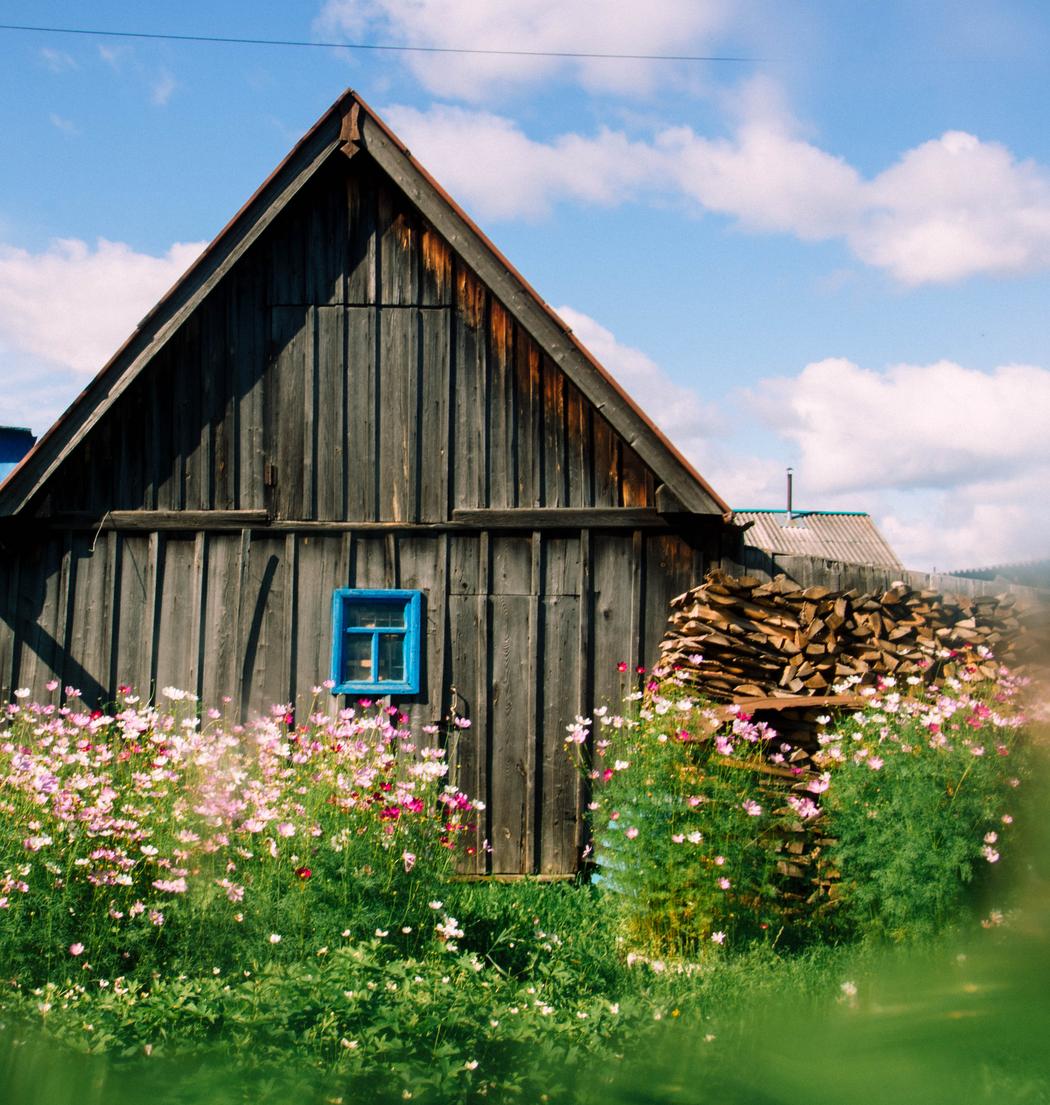
I want to leave the viewer with a feeling of warmth, of light in the soul — so that the energy coming from my work wraps around them.
My main task is to make the viewer feel, to make them sense something.