
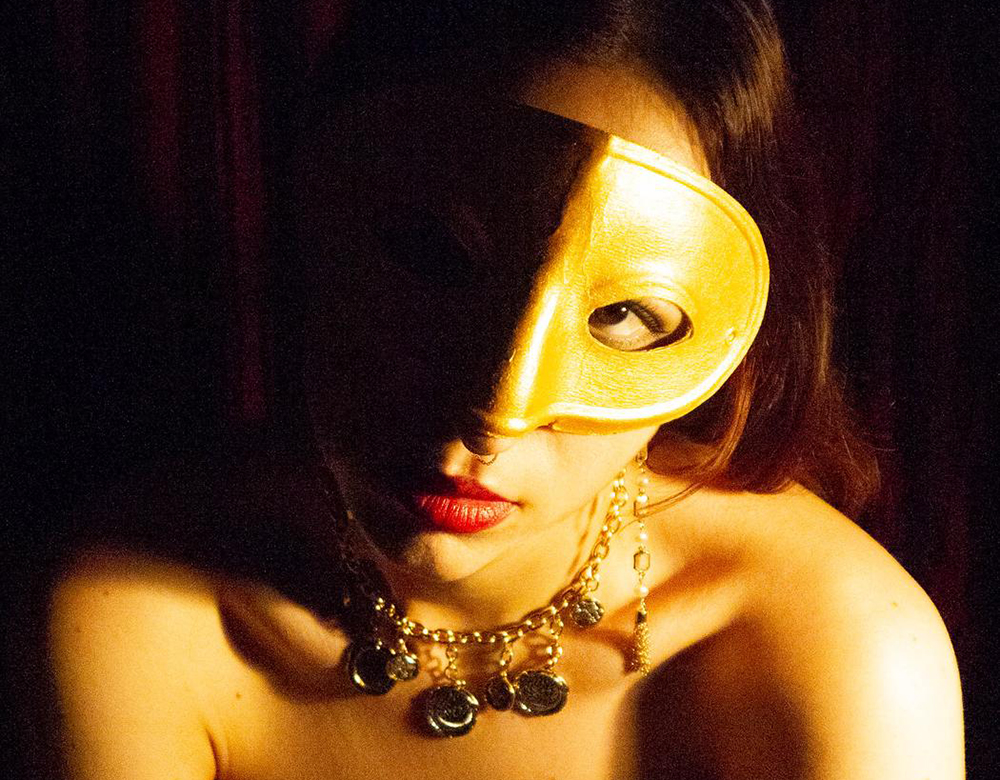
Tabby Sophia Tanith Welch
You work across photography and mixed media. What first drew you to these mediums, and how has your artistic practice developed since you began?
I have been painting for as long as I can remember, and I never considered pursuing any other medium until I participated in a photography unit for university, and really enjoyed it, so I have been continuing with both since then.
Your work is strongly influenced by film, fashion, popular culture, and personal experience. How do these different sources come together when you begin developing a new project?
I usually envision the end result of my artwork before fully developing it, so sometimes I identify where I drew inspiration from for the project, halfway through. I consume an excess of media, like most in my generation, and I feel that my love of film and fashion inspires aspects such as lighting, colours and choices behind location and costume.
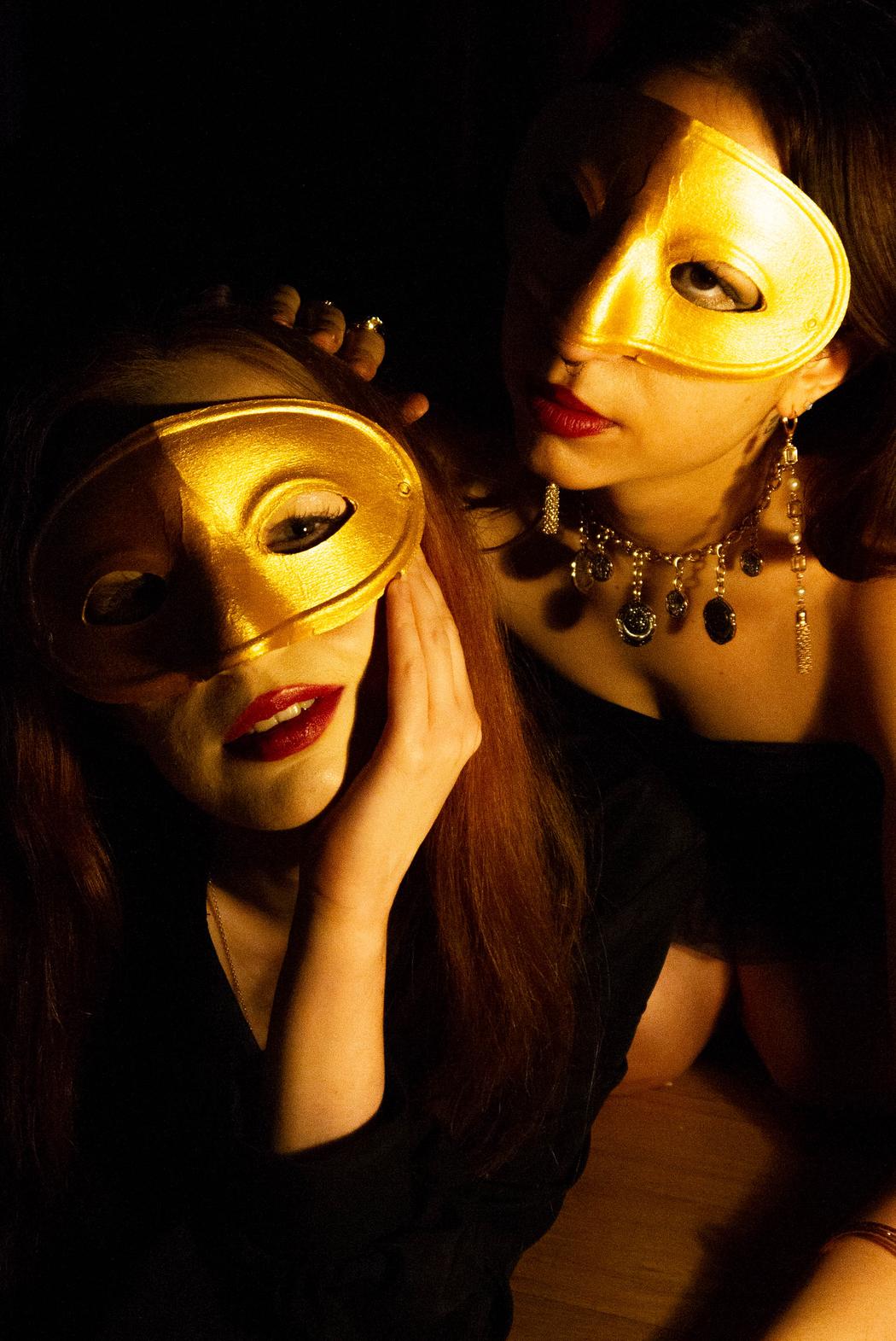
This series explores the relationship between wealth and corruption. What inspired you to investigate this subject, and what does “corruption” mean within the context of these images?
I felt inspired to explore the concept of corruption, and its relationship to wealth, as I wanted to explore how abuse of power is often concealed by a “mask” of social status and money. In these photos, corruption exists as a by-product of how power can influence morality.
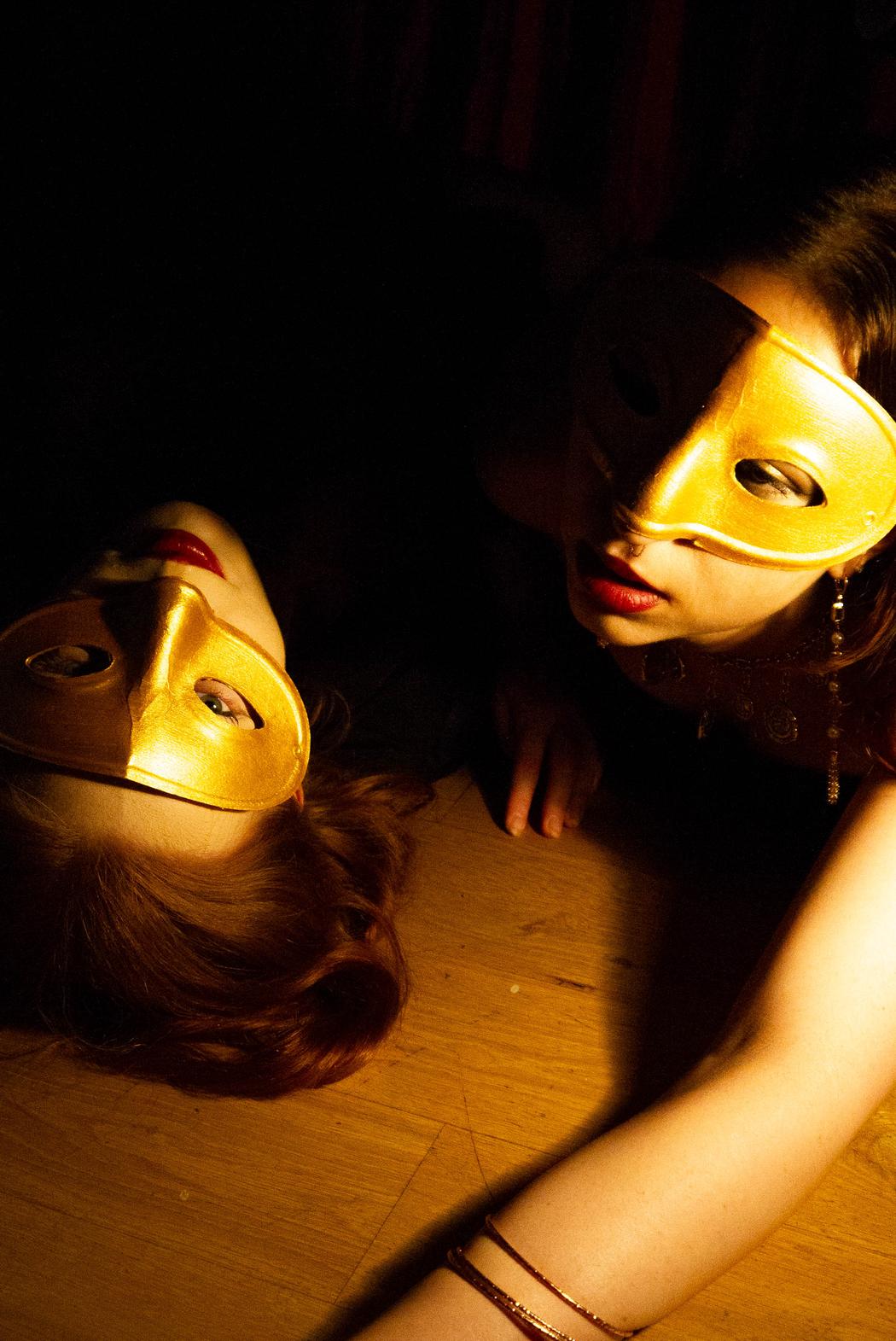
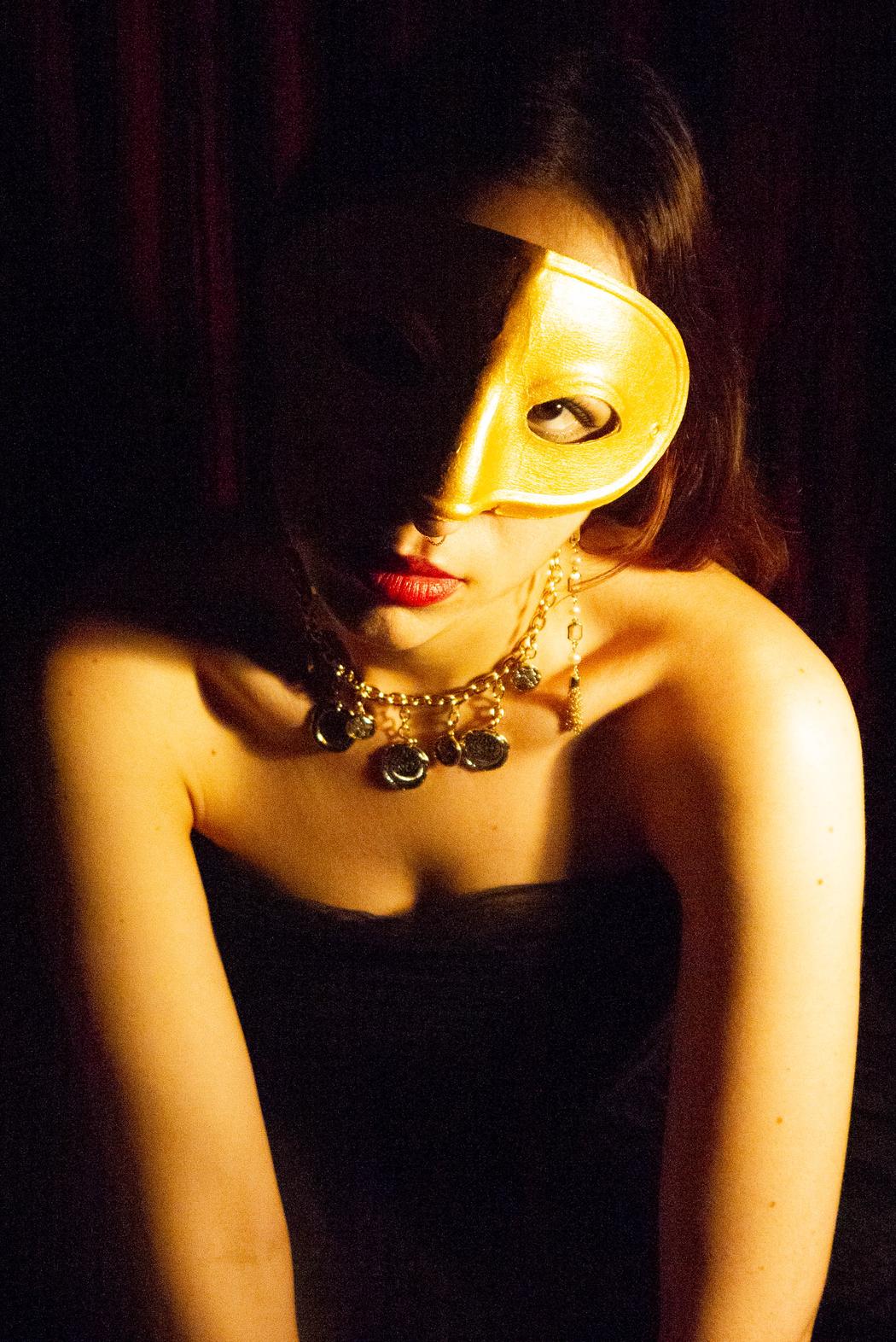
The golden masks are a central visual element in the photographs. Why did you choose the mask as a symbol, and what does its gold surface add to the meaning of the work?
Masks have been an ongoing subject matter in my practice, but for this particular project, I was initially inspired by Ancient Egyptian death masks and rituals for the afterlife. The use of golden, painted masks for the burial of the wealthy, and their preservation in the afterlife, was incredibly interesting to me. The use of masks in Stanley Kubrick’s “Eyes Wide Shut” has also had a huge influence on my work. Furthermore, Alexander McQueen’s “Dante” and his use of masks and headdresses, also inspired this project.
There is a striking contrast between glamour and unease in these images. How important was it for you to make the photographs visually seductive while addressing darker themes beneath the surface?
Within my fine art background, I have always been drawn to chiaroscuro in paintings like “The Supper at Emmaus” by Caravaggio. I wanted to draw the viewer in, using a strong contrast with the lighting. I felt that the the use of shadows and masks, would create an eery effect, whilst red lipstick and jewellery would create a glamorous appeal to viewers.
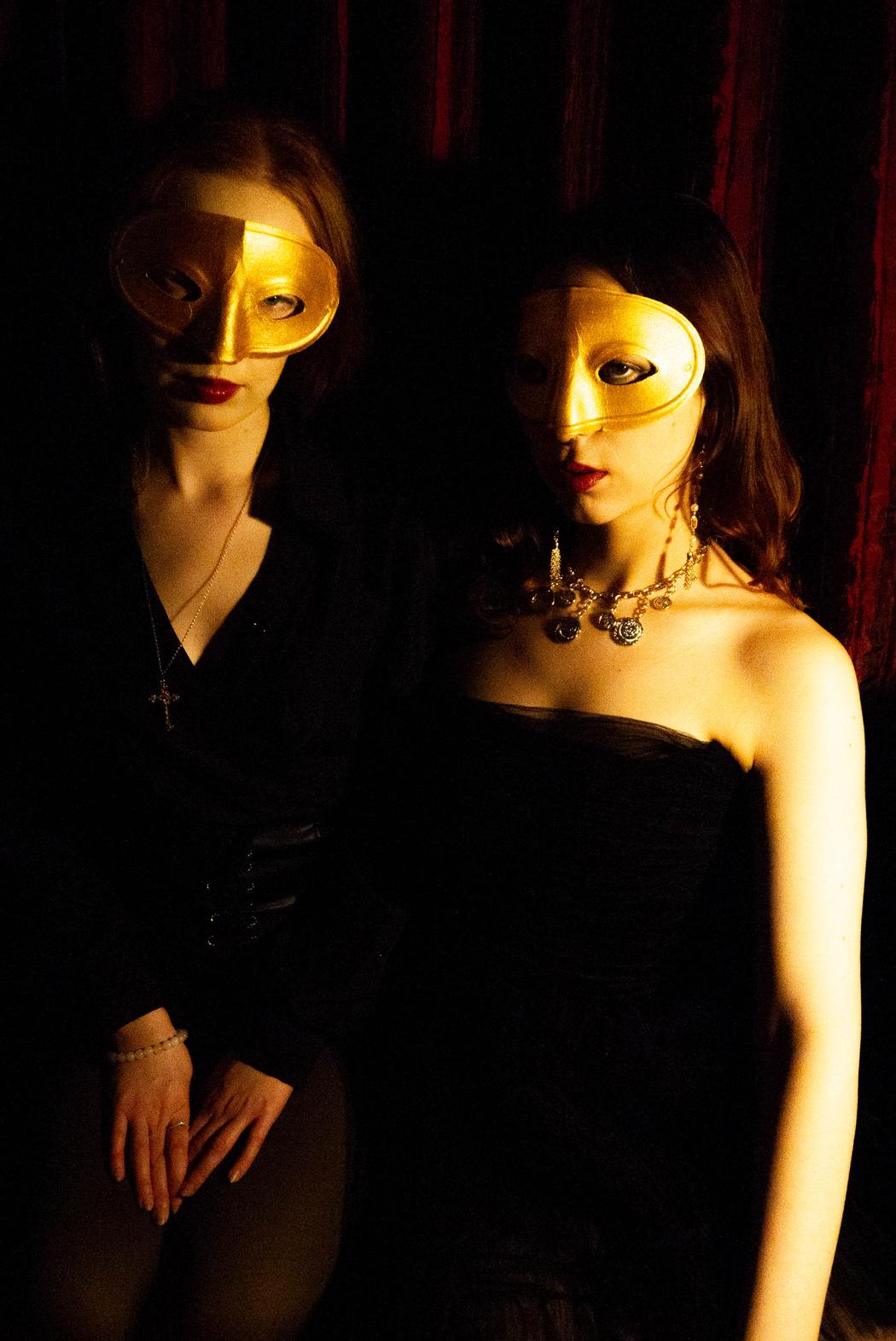
Several images depict two figures whose relationship feels both intimate and mysterious. What role do relationships between your subjects play in the storytelling of the series?
I wanted to keep the relationship between the subjects uncertain for viewers, and imply at a shared trust, however the masks suggest a more intimate, strange bond that is up for interpretation by the viewer.
When working with friends or models, how much of the final image is carefully directed, and how much comes from improvisation and the personality of the person in front of the camera?
In terms of the concept, the photoshoot was carefully planned and explained to the models, however I always leave room for improvisation and appreciate the interpretation of the concept, and ideas from different models. Many of my models are creative students themselves, who study subjects such as acting, or photography, and understand my creative process.