
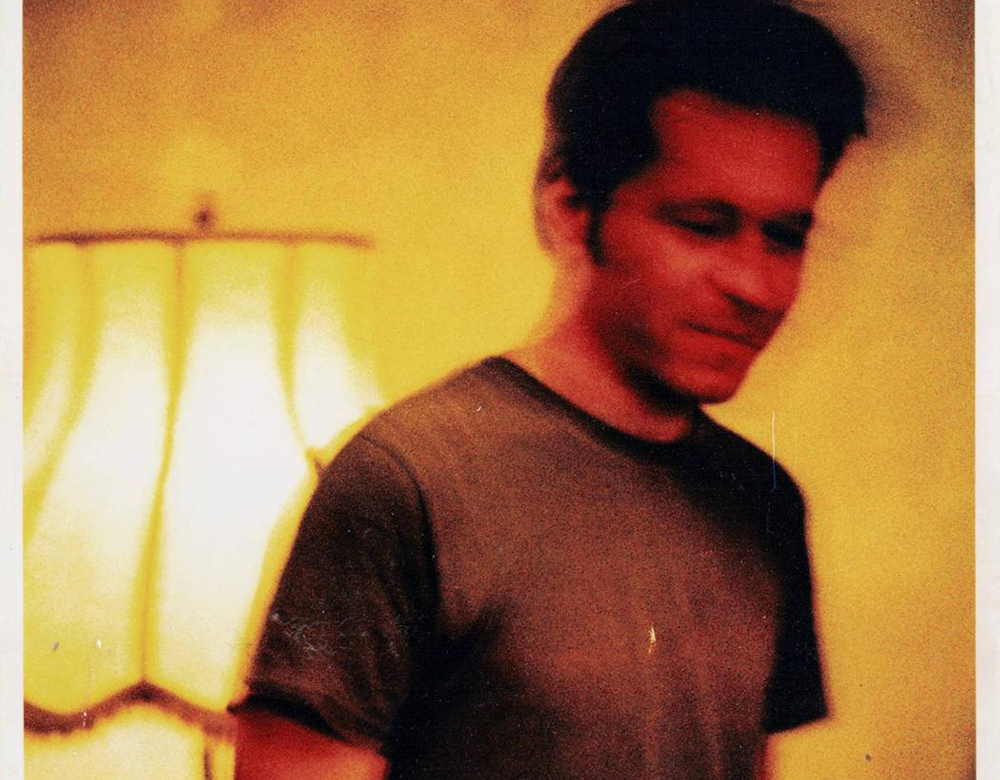
David Rovirola
You prefer working with your hands rather than brushes. How does this direct physical contact with paint influence the emotional intensity and final form of your work?
I’ve spent my life searching for stiff-bristled brushes that would suit my frenetic painting pace, and it turns out my favorite brushes are my own hands. My father was a bricklayer, and I spent years helping him on construction sites, so painting with my hands makes me feel more true to myself. Besides, the canvas is a substitute for the wall of our ancestors’ primitive cave.
You grew up near railway tracks, surrounded by concrete and brick. How does that urban environment continue to shape the textures, colours and atmosphere of your paintings?
For me, train tracks have always represented escaping towards something new, the journey, seeing where those two lines lead and whether they lead anywhere. Meanwhile, brick and concrete represent settling down and becoming tied to a specific place, and we could say that this is the dichotomy for almost everyone.
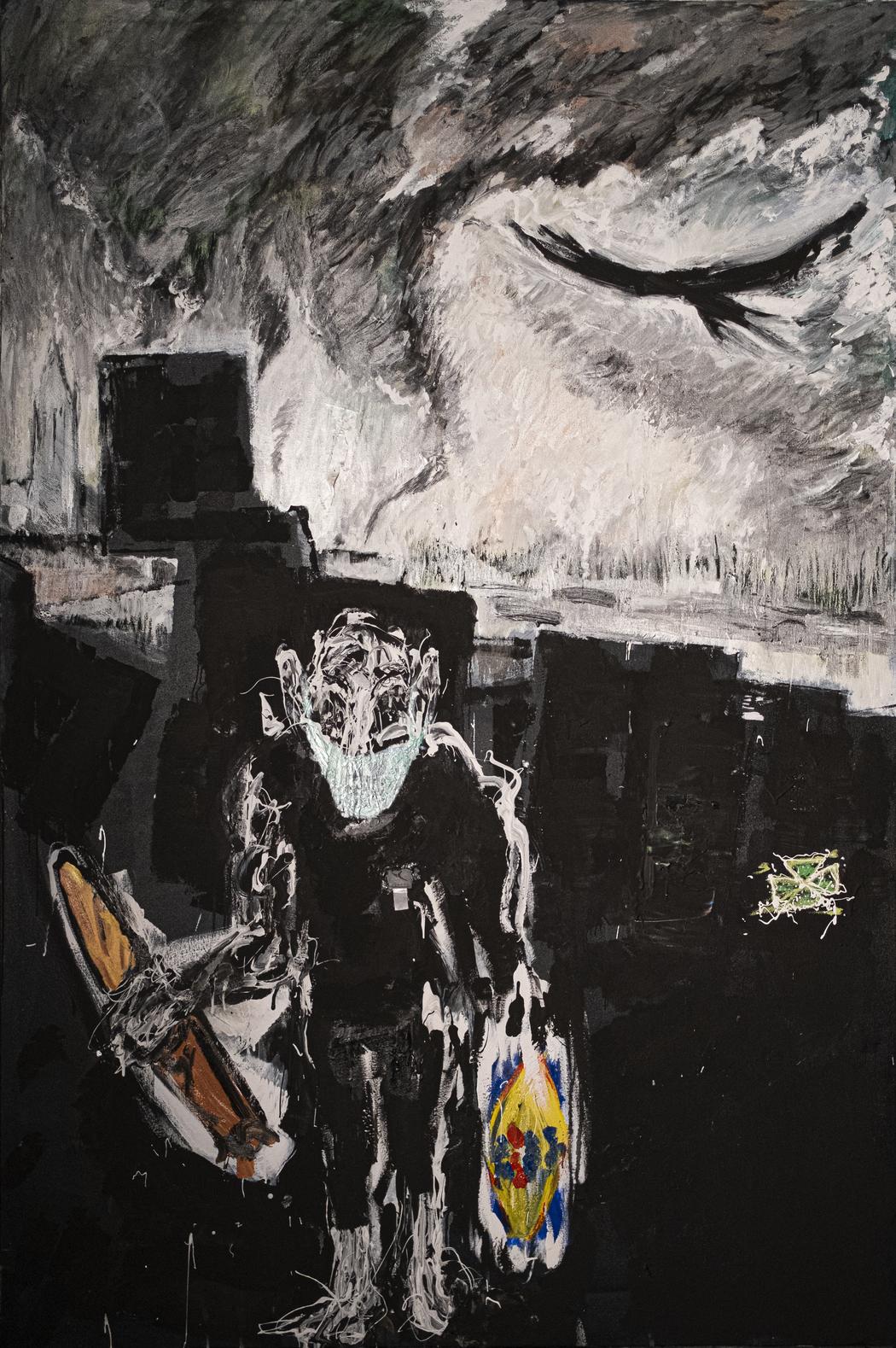 David Rovirola | Lockdown | 2021
Goya and El Greco were important visual references during your childhood. What aspects of their work still resonate with you today?
What interests me about Goya is how he always tries to understand his time through his paintings, and about El Greco, one could say that his painting exudes a mystical yearning, difficult to understand, but one that almost all Spaniards possess, even without being aware of it. Goya is my anchor, and El Greco is my sail.
The figures in your paintings often appear fragmented, distorted or partially concealed. What do these altered bodies allow you to express about human experience?
My paintings are not based on reality but on my visions, which are nothing more than my fragmentary and personal perception of what I see.
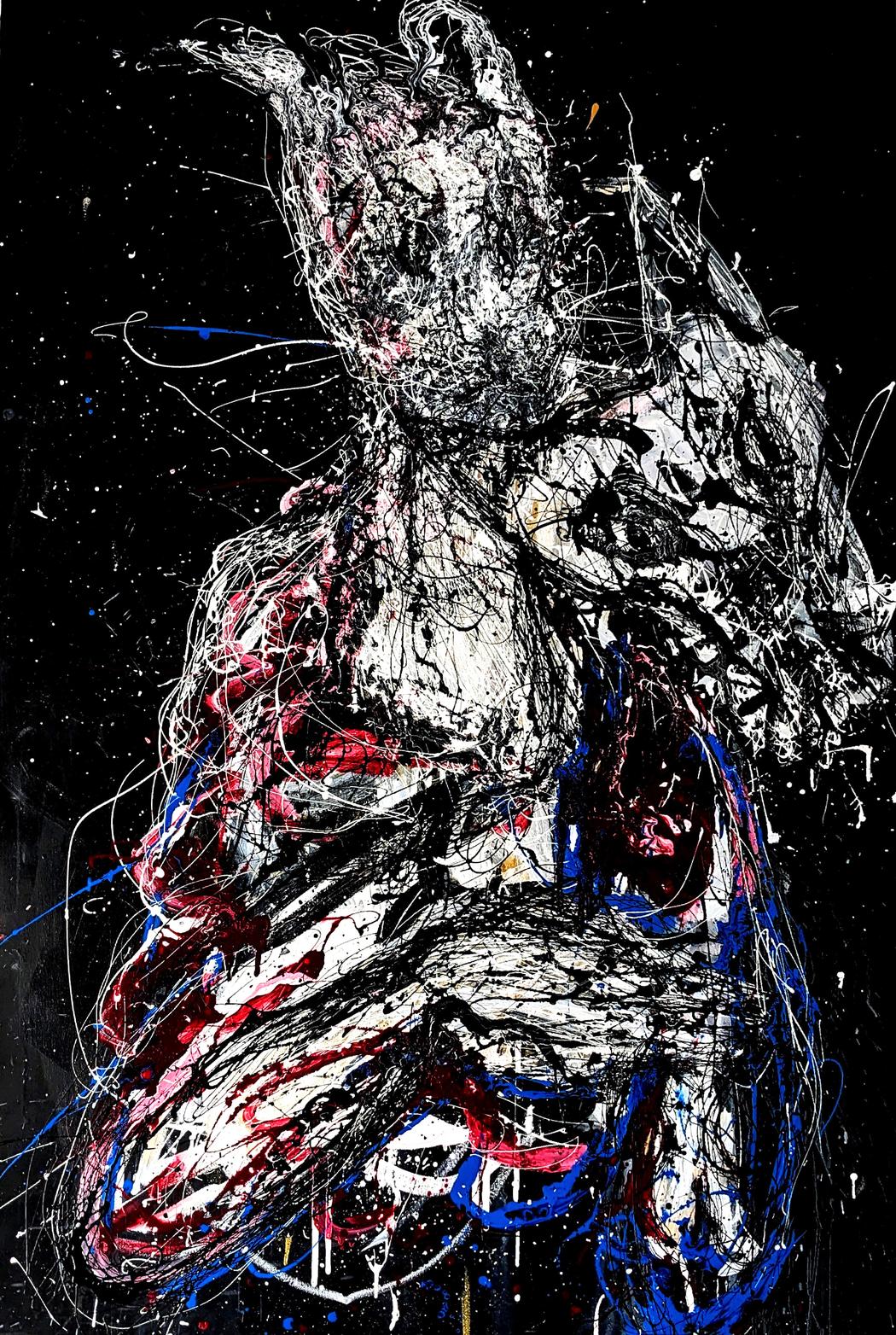 David Rovirola | The Lady | 2023
Your works combine darkness and violence with flashes of vivid colour and occasional humour. How do you balance these contrasting emotional registers?
My experience in the performing arts taught me that the viewer’s attention is captured through contrast, and it is something I also apply in my paintings.
You have also worked in documentary filmmaking, set design and multidisciplinary performance. How have these experiences changed the way you construct space, movement and narrative in painting?
Creating a stage set is very similar to composing a painting. The difference is that instead of using paints, you work with objects, dancers, music, lights… The materials are different, but the process is the same.
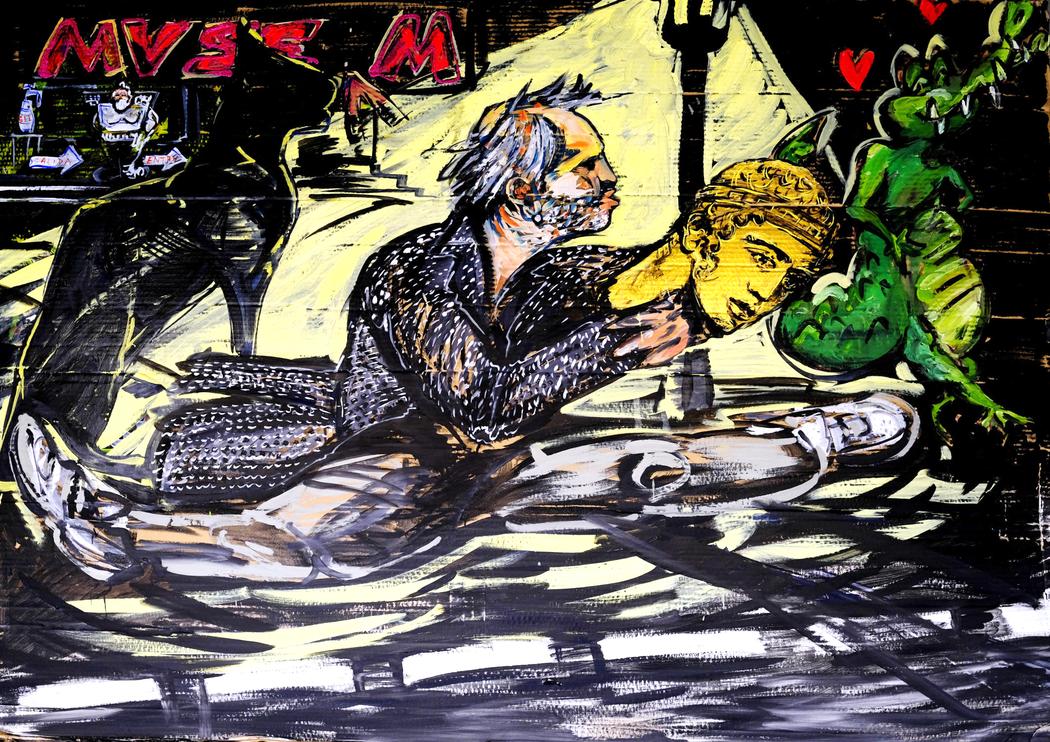 David Rovirola | Museum’S Robbery | 2024
When you move between painting and performance today, do you see them as separate disciplines, or as different manifestations of the same artistic investigation?
I use the same process in both disciplines and I would even say that they feed off each other and grow together.