
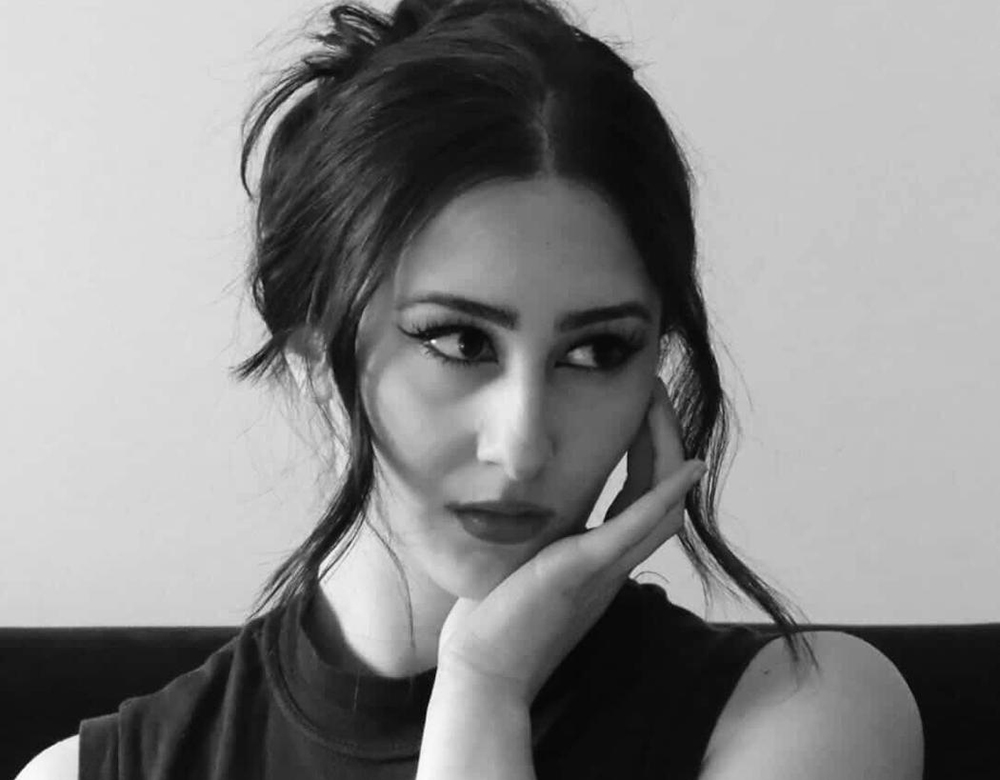
Liza Stoitsi
Your practice moves between sculpture, filmmaking, and installation. How do these different media influence one another in your work?
I don’t think of sculpture, film, and installation as separate disciplines. For me, they are different ways of exploring the same ideas. Sculpture allows me to build physical systems, film helps me observe movement and time, and installation brings the viewer into the work. Sometimes an idea starts as a sculpture and becomes a film, and sometimes it happens the other way around. The medium depends on what the work needs rather than on a fixed method.
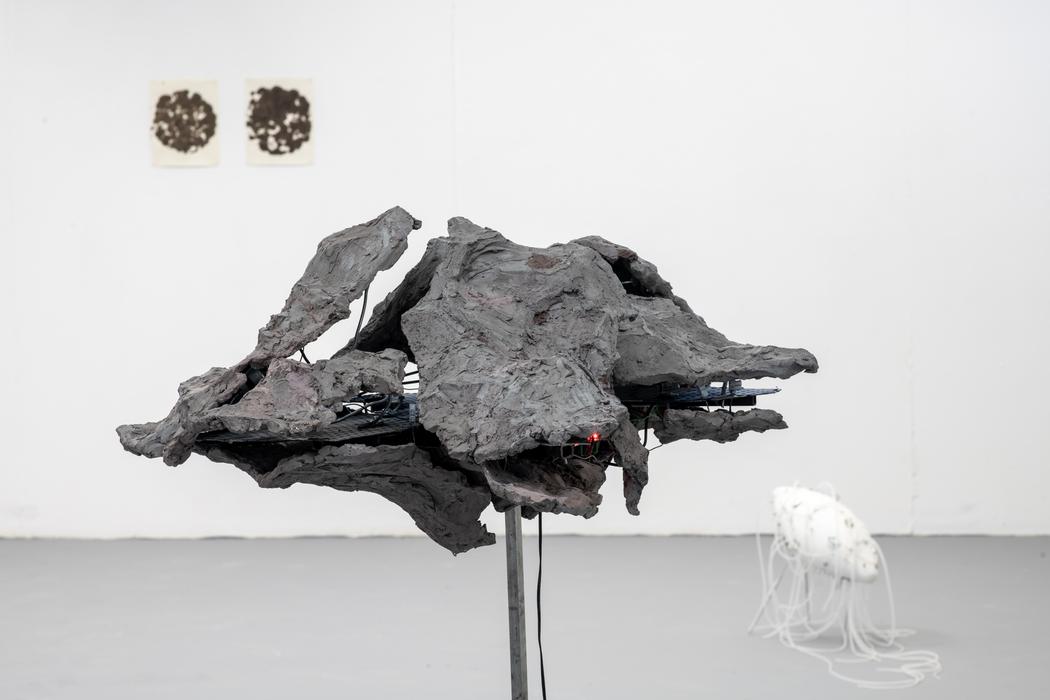
Photo taken by Ioannis Kokkalis
You describe form as a place where biological, technological, and sculptural logics collide. What draws you to this intersection?
I have always been interested in the similarities between living systems and constructed ones. Biology and technology may seem different, but both rely on structures, processes, and relationships. Sculpture allows me to bring these different logics together in a physical form. I am less interested in representing nature or technology than in exploring how they can coexist and influence one another.
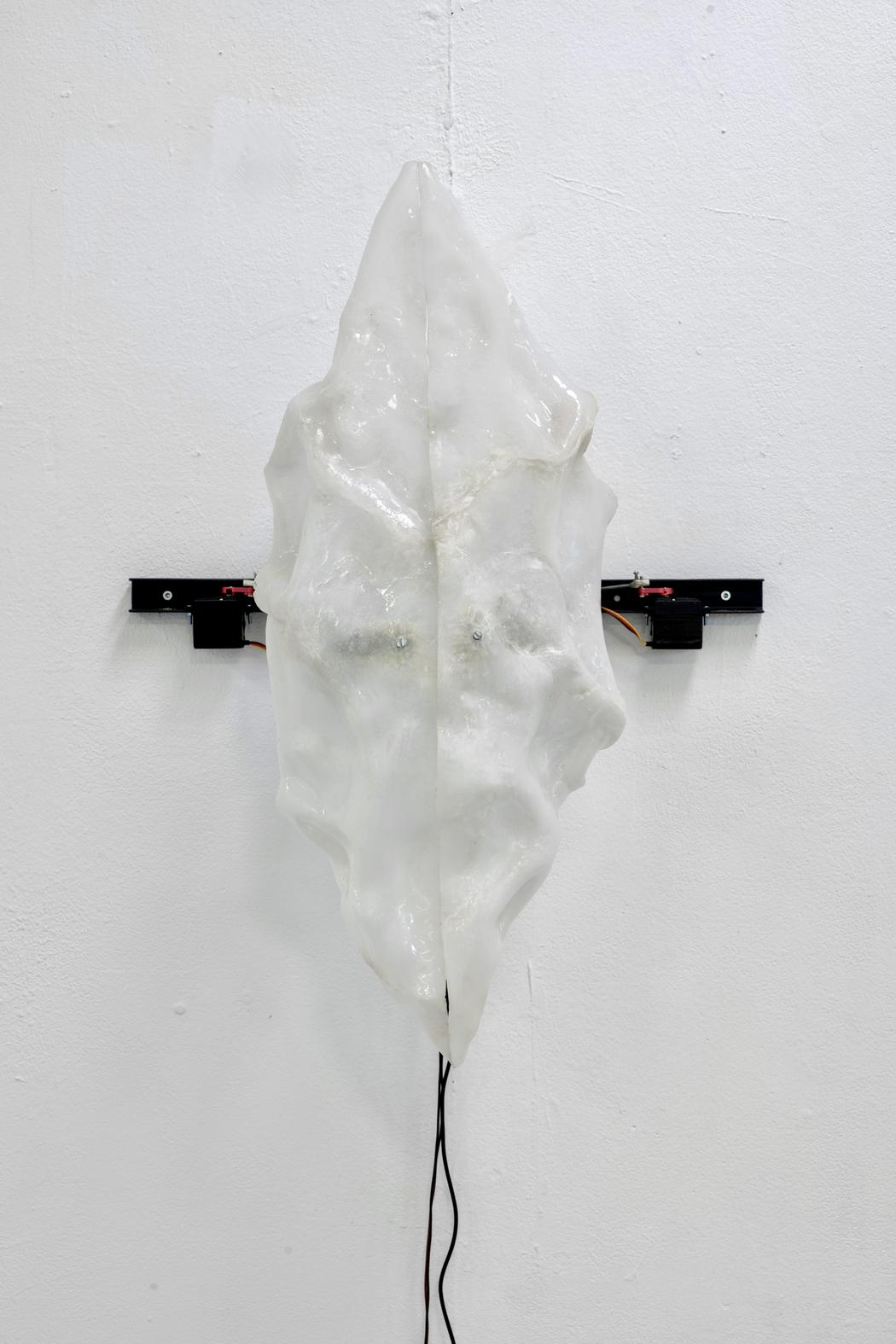
Photo taken by Ioannis Kokkalis
Many of your works seem to operate less as static objects and more as systems or organisms. How do you think about movement, behavior, or transformation within your sculptures?
I don’t think of my sculptures as fixed objects. I see them as systems that suggest the possibility of change, even when they are still. Some works physically move, while others imply movement through their structure or the way their materials interact. What interests me is the idea that a sculpture can behave rather than simply exist, creating the feeling that it is always in a process of becoming.
Materiality appears to play a central role in your practice. How do you choose the materials you work with, and what kinds of tensions or meanings do they carry for you?
I choose materials for what they can do rather than what they represent. Each material has its own properties, limitations, and behavior, and these qualities often shape the work itself. I am interested in combining materials that carry different associations, such as ceramic, metal, or electronic components. The tension between fragile and industrial, organic and synthetic, becomes part of the sculpture’s language rather than a symbolic contrast.
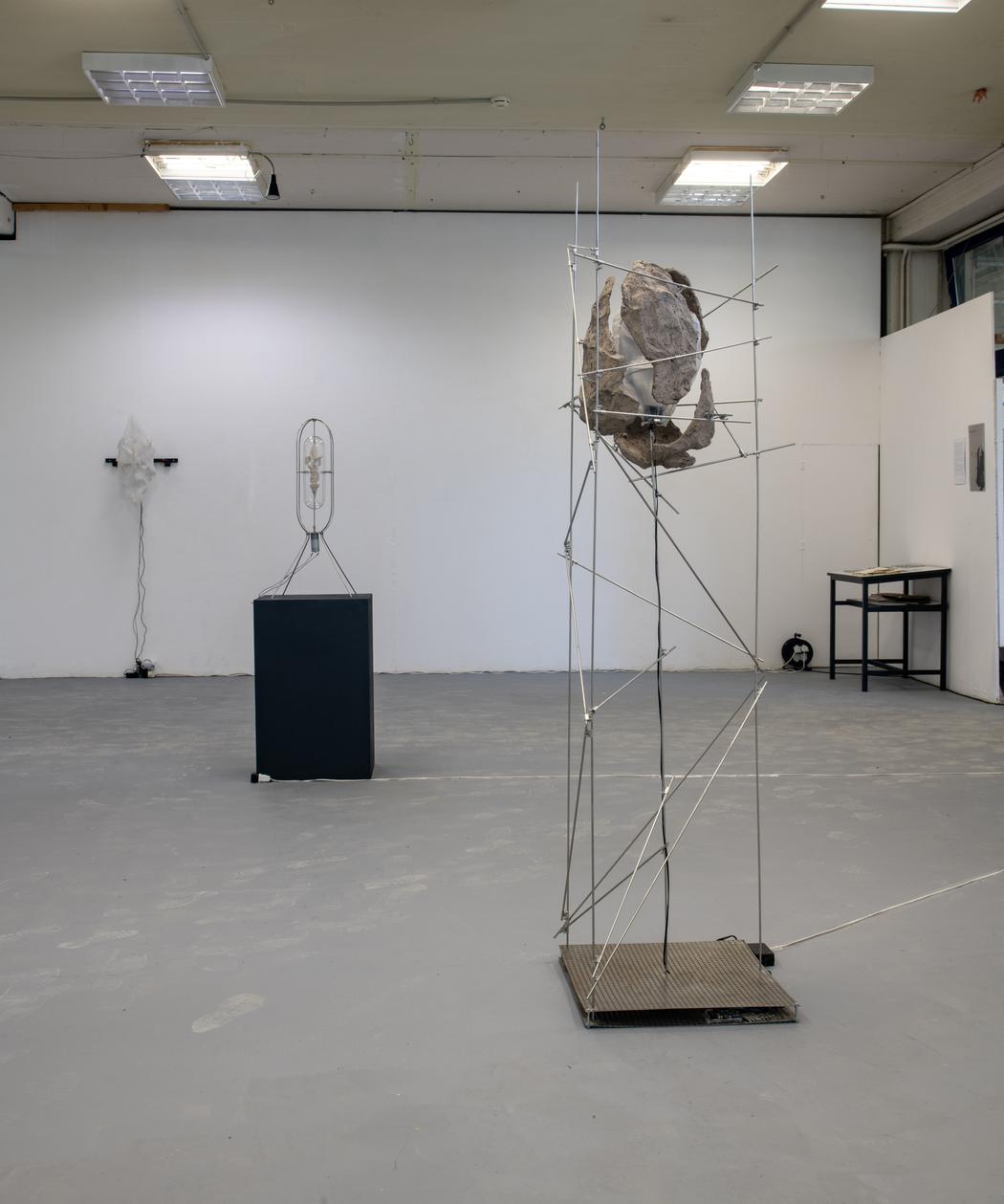
Photo taken by Ioannis Kokkalis
Your sculptures often have a fragmented, almost archaeological quality. Are you interested in ideas of decay, remains, or reconstruction?
I’m more interested in traces and transformation. Fragmentation allows me to suggest that an object has a past or a future beyond what we see. I like the idea that a sculpture can feel as if it is in the middle of a process rather than representing a finished state.
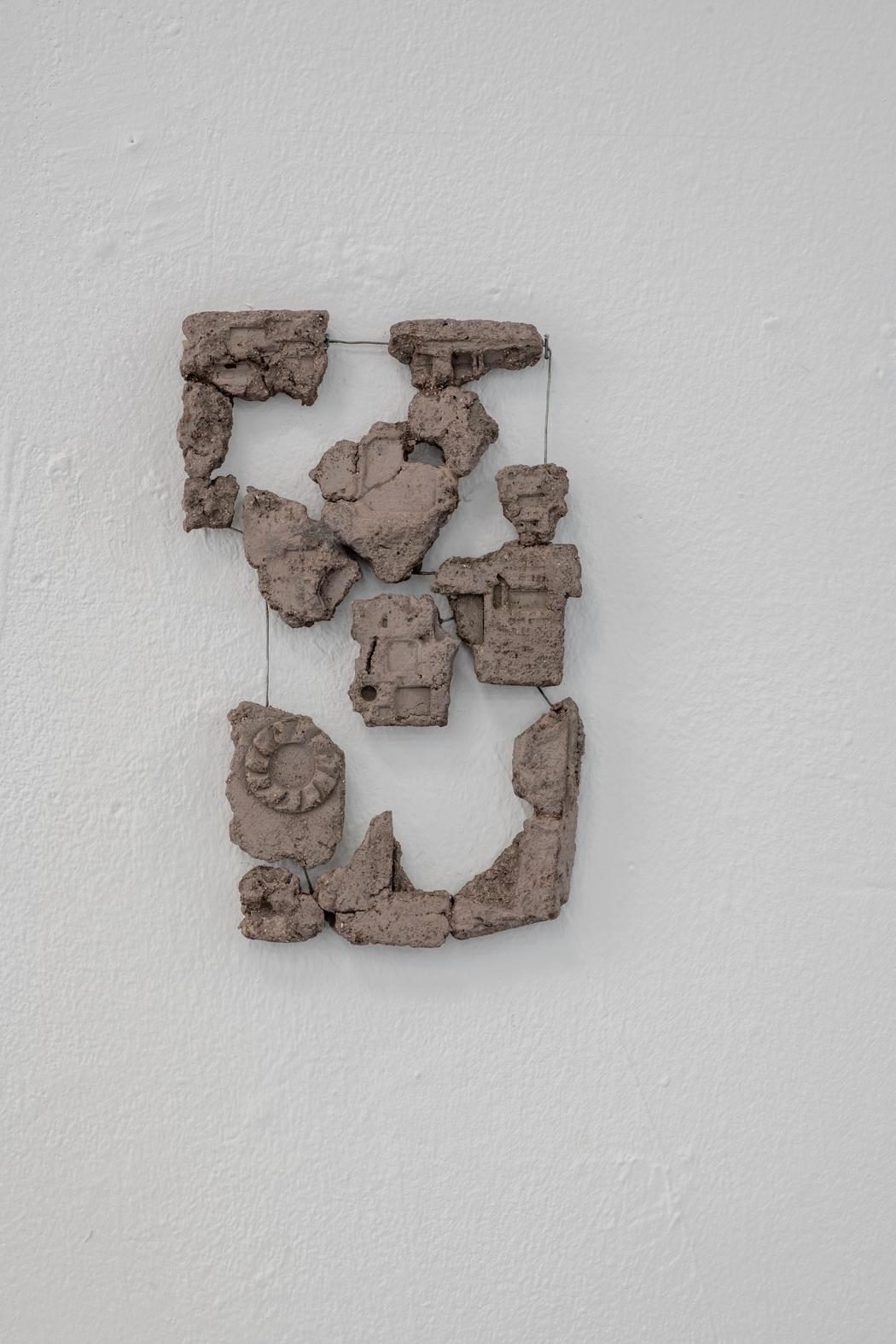
Photo taken by Ioannis Kokkalis
Some of your works suggest a dialogue between the organic and the mechanical. Do you see technology as something separate from nature, or as part of a larger living system?
Technology is something created by humans, who are themselves part of nature. I’m interested in the point where the distinction between the organic and the mechanical becomes less clear. Rather than treating them as opposites, I see them as different ways that systems can exist, adapt, and interact.
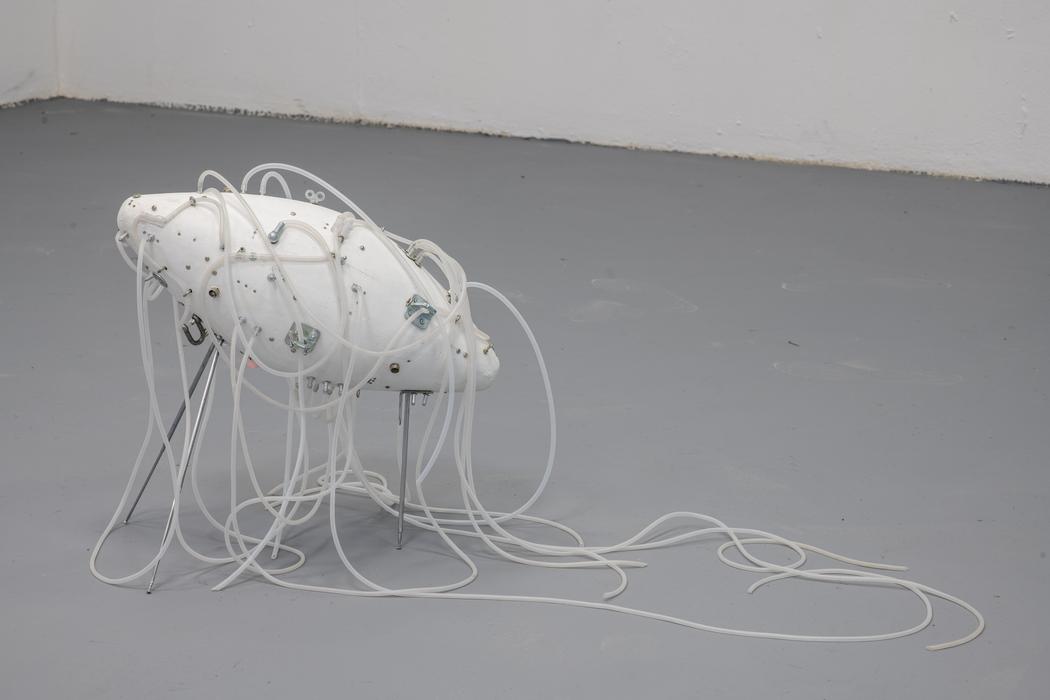
Photo taken by Ioannis Kokkalis
As an artist currently studying at the School of Fine Arts, how is your practice evolving, and what questions are you most interested in exploring next?
During my studies, my work has gradually shifted from making individual objects to thinking in terms of interactions. At the moment, I want to explore how artworks can behave rather than simply occupy space, and how materials, technology, and viewers can become active parts of the same system.