
Alla Mokhova
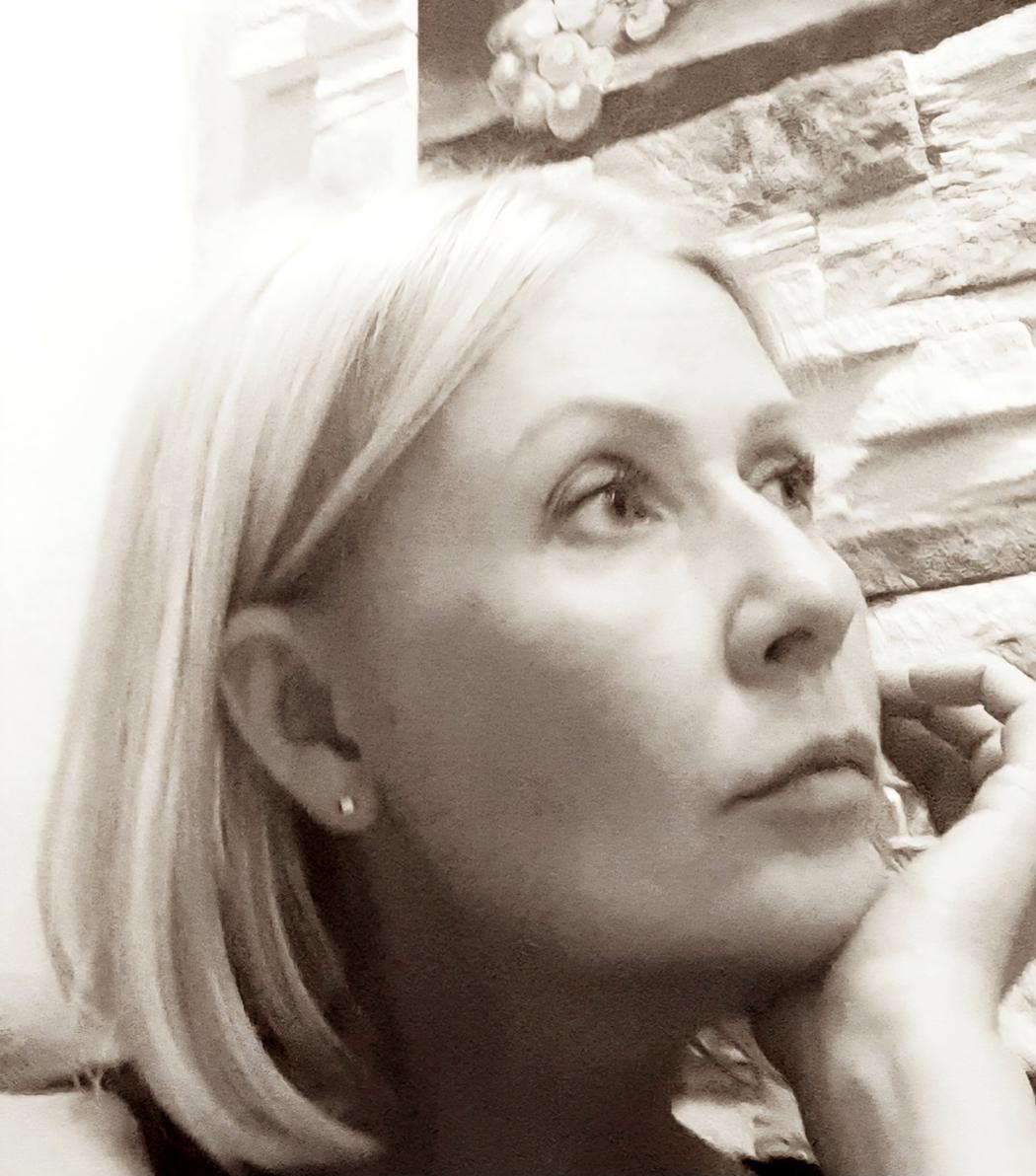
Your background is in electromechanical engineering. How has this technical education influenced your approach to ceramics, form, structure, and balance?
Rather no than yes. My choice of university — the Moscow Power Engineering Institute — was determined by my desire to receive a technical education and work in production. By profession, I am an electromechanical engineer.
You discovered clay about ten years ago. What was it about this material that made you want to continue working with it?
This is not an easy question. It is often difficult to explain in words, for example, why you feel so good next to a particular person, or why an unremarkable clearing in the middle of a forest becomes your place of power. At first, I was simply curious about what it was like to work on a pottery wheel. I was lucky to attend a pottery course with A. I. Poverin. At some point, I realized that clay was truly my material, that I could sit at the pottery wheel for days on end, and that this was my calling.
 Alla Mokhova | Ceramics
In your practice, you combine the pottery wheel and hand-building techniques. How do these two methods interact in your creative process?
Combining work on the pottery wheel with hand-building techniques — especially when you have mastered different hand-building methods — opens up almost endless possibilities for bringing ideas to life. It also optimizes the process and shortens the time needed to realize a project. Almost all of my works are created using mixed techniques.
 Alla Mokhova | Ceramics
The chessboard format creates a strong sense of strategy, opposition, and movement. What does the idea of a game mean in this series?
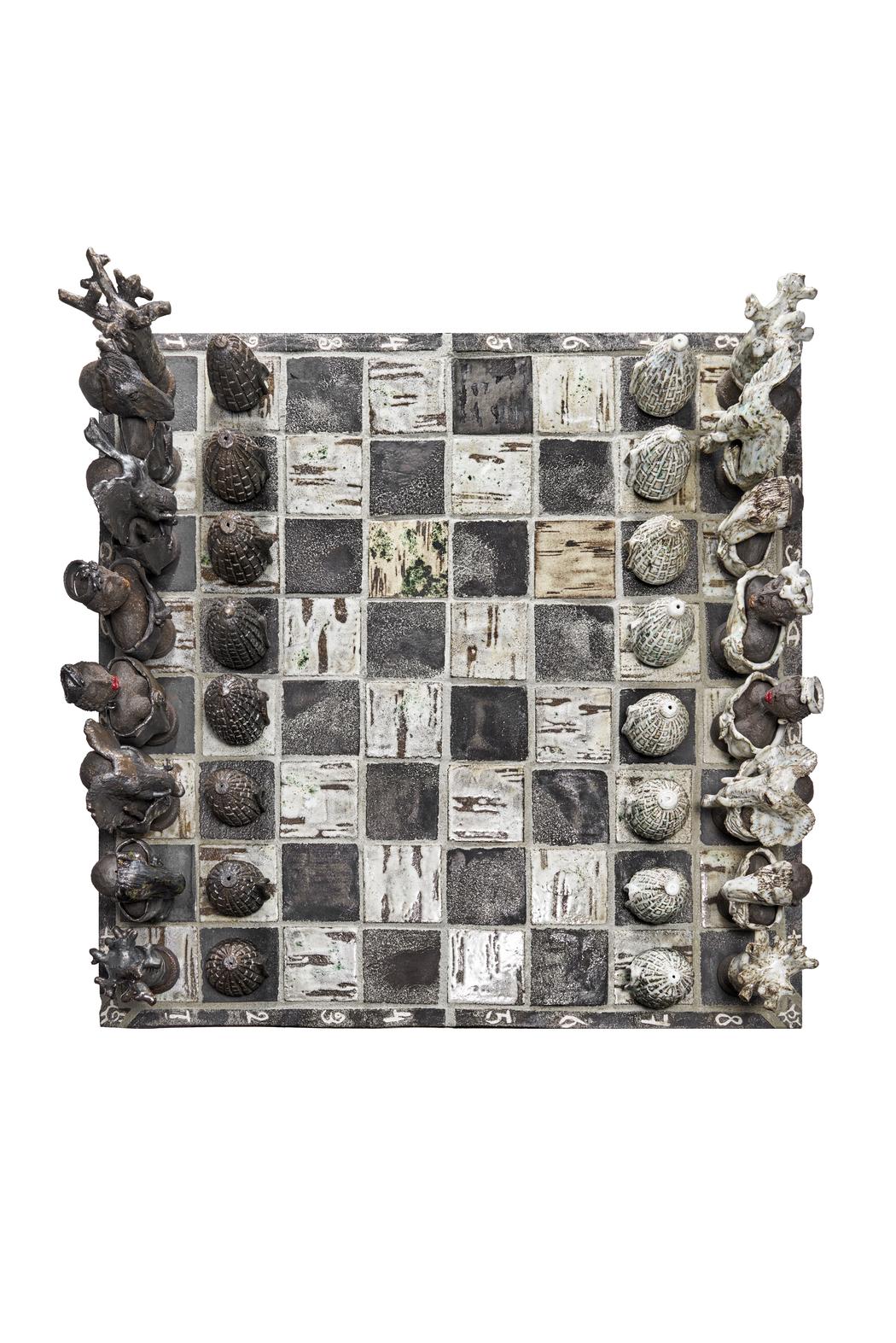
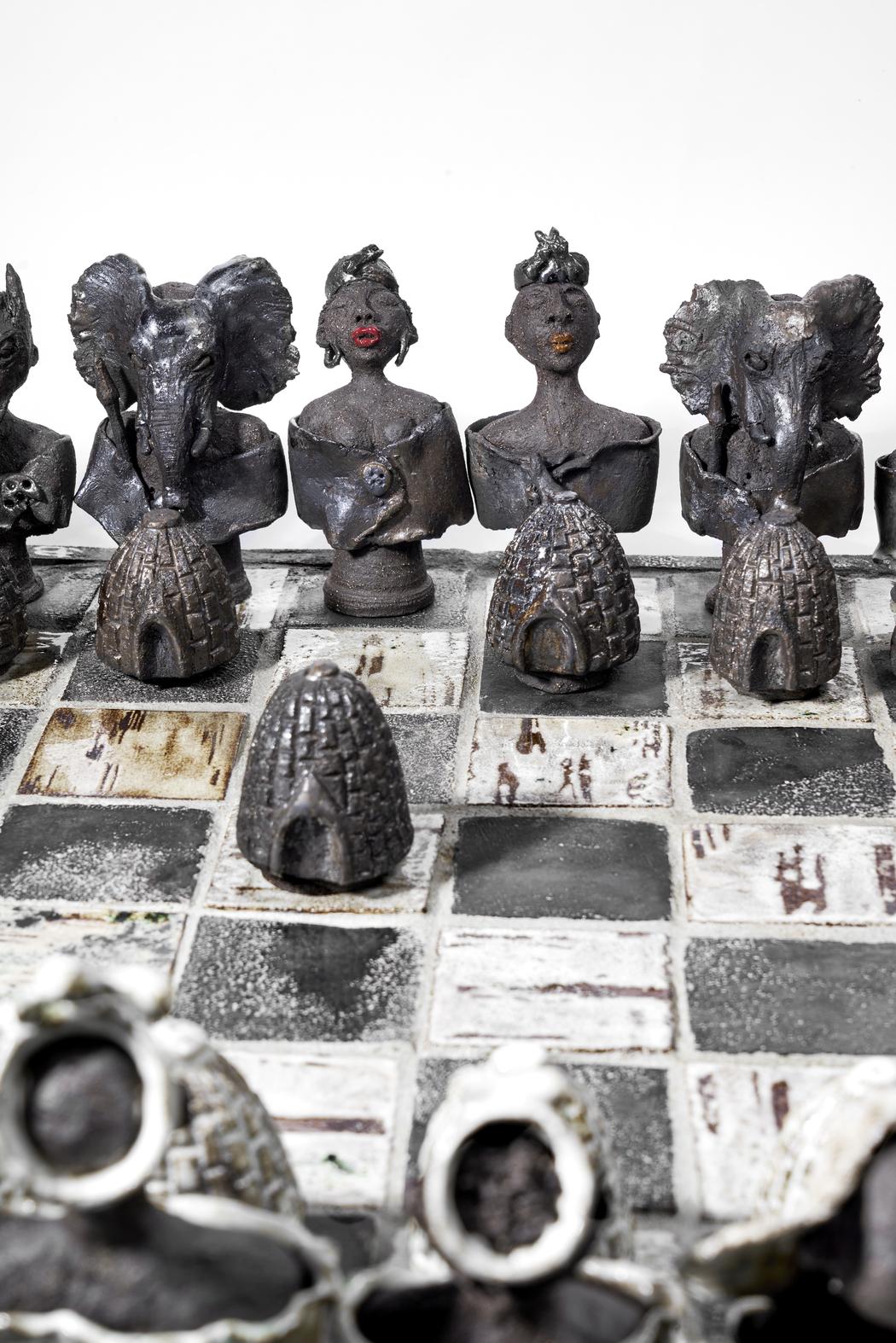
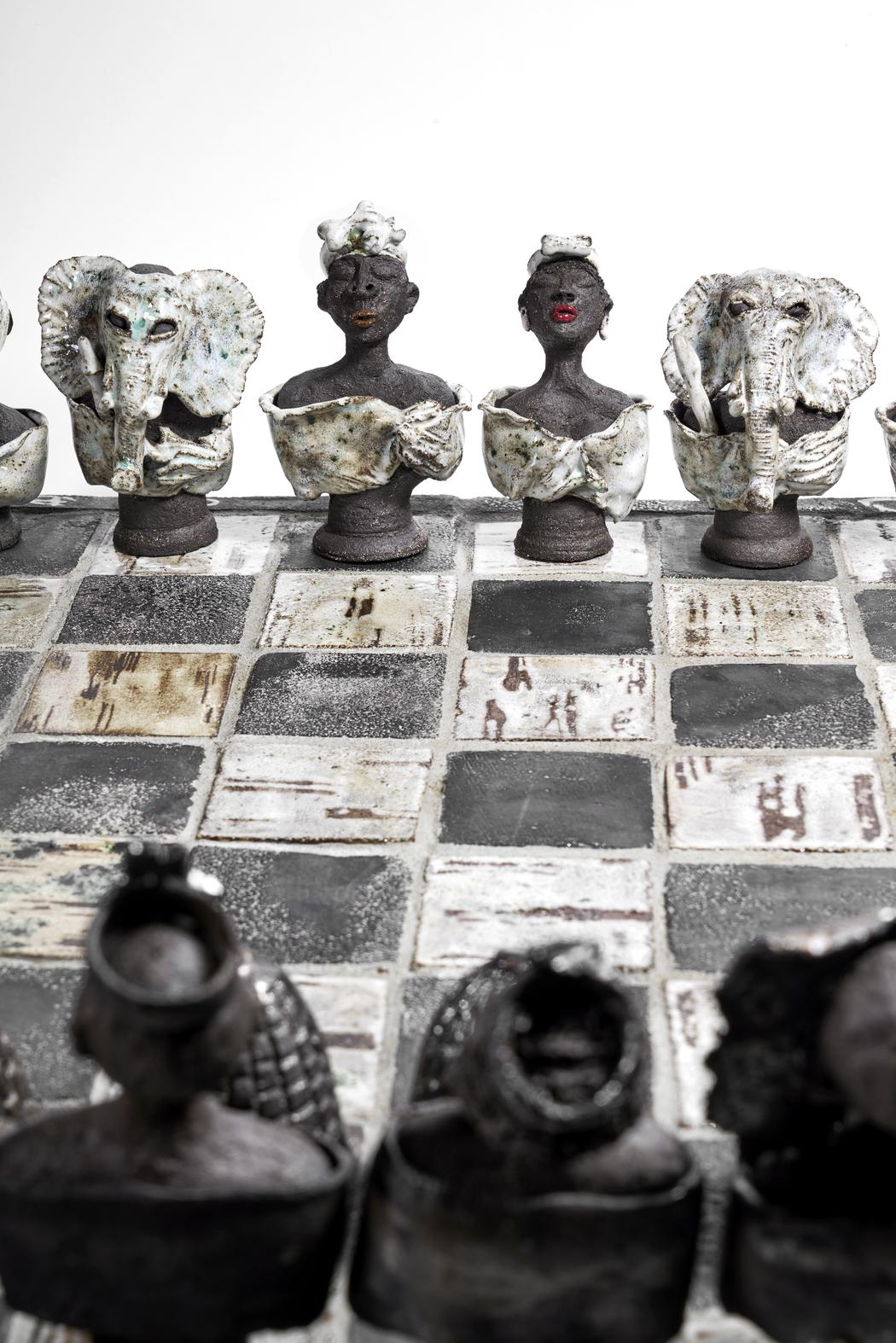
A chessboard with black and white pieces represents absolute balance, the equilibrium of two energies. At the beginning of the game, both players have everything equally, and victory depends only on experience, endurance, composure, the ability to sacrifice, and the skill to calculate both one’s own moves and the opponent’s.
 Alla Mokhova | Ceramics
The figures on the board seem to combine human, animal, and symbolic features. How do these hybrid characters appear in your imagination?
Perhaps I did not play enough with dolls as a child, or perhaps, in one way or another, we all remain a little bit children. But whenever I begin a new work, an entire story connected with it is born in my mind.
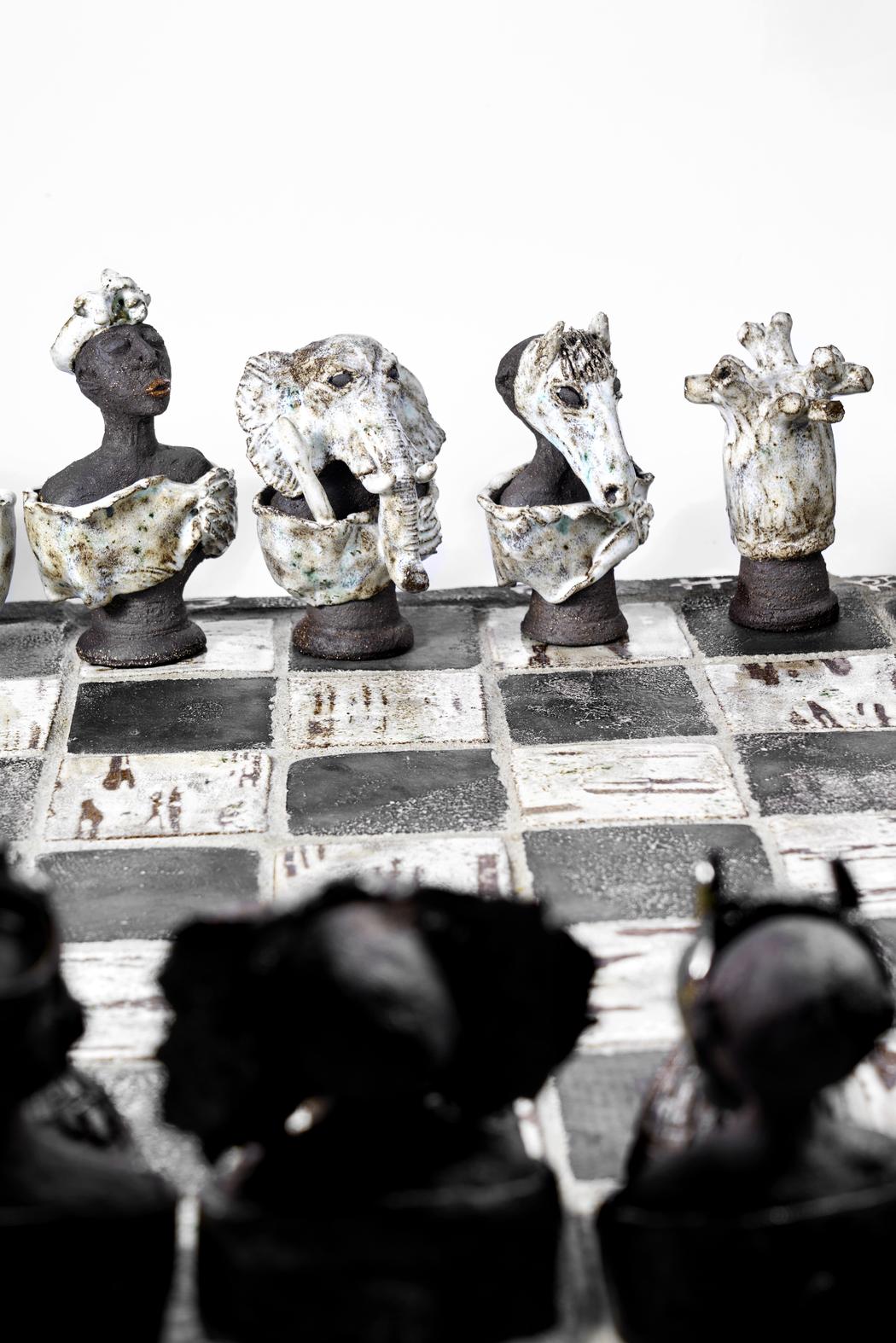
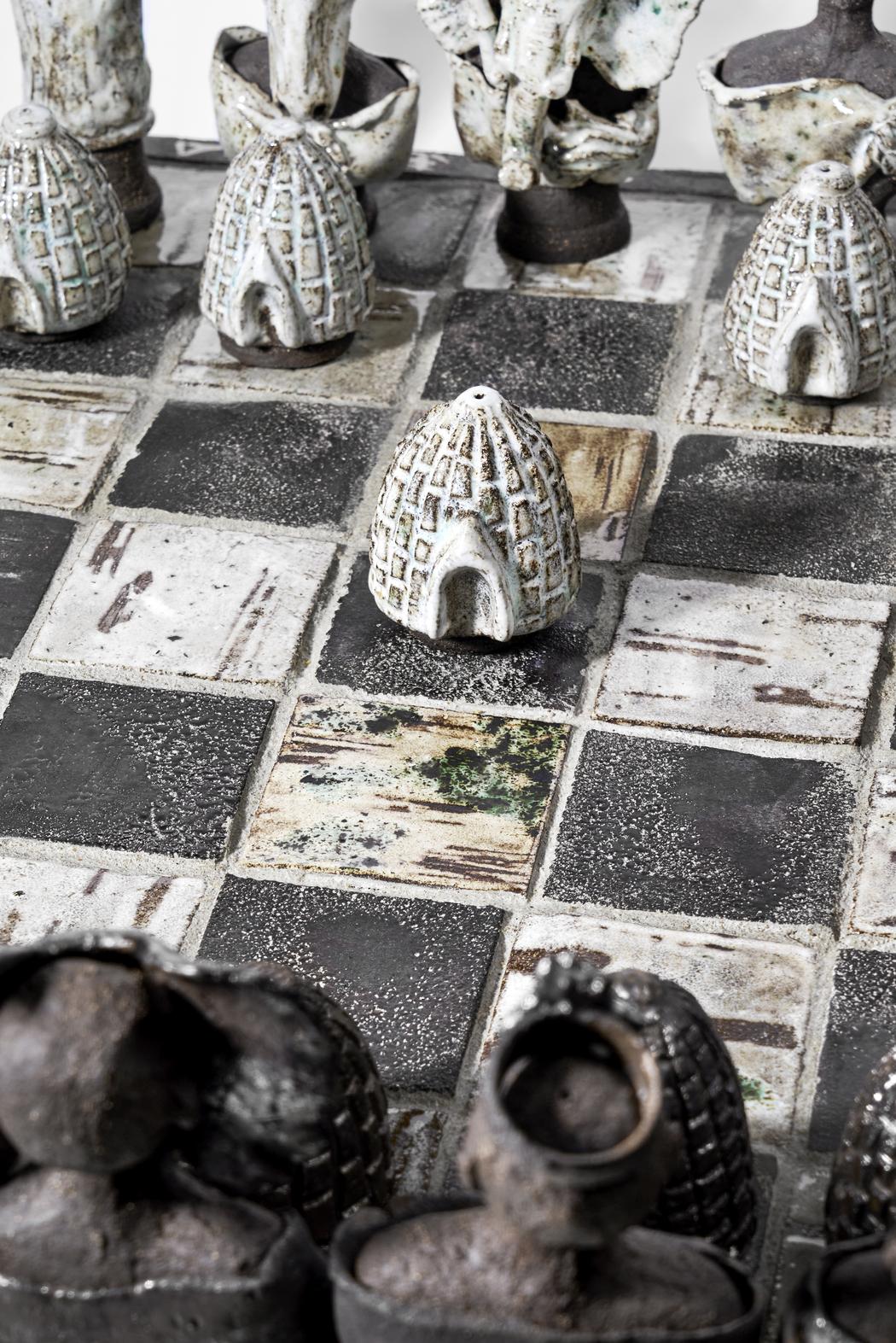
First, I created the Black King. After that, a whole story emerged about two tribes: the tribe of the “Black Buffalo” and the tribe of the “White Wolf.” One tribe was engaged in hunting, the other in fishing. They lived together near Lake Iro, a real lake in Central Africa. But then a great drought came, and the lake became shallow. It was no longer possible for both tribes to survive in that place. The shamans of the two tribes gathered and decided to meet in battle. The winners would remain, while the defeated would have to set out in search of new lands. This is how the tribal chiefs, shamans in animal masks, baobabs, and pawns in the form of huts appeared.
 Alla Mokhova | Ceramics
You have been teaching ceramics for more than five years. How does teaching influence your own artistic practice?
A ceramics teacher must have sufficiently deep knowledge, extensive experience, and must constantly learn and master new things in order to remain a professional in their field. That is why I not only continue to improve my technique on the pottery wheel and in hand-building, but also learn new skills, such as colored slip casting, majolica painting, raku firing, and making plaster molds.
 Alla Mokhova | Ceramics
What is most important for you in working with clay today: the process, the tactile contact, the transformation through firing, or the final image?
Absolutely all of the above. And one more important thing: the opportunity for constant communication with people who, like me, are in love with clay.
Leave a Reply
You must be logged in to post a comment.