
Yasmine Ammar
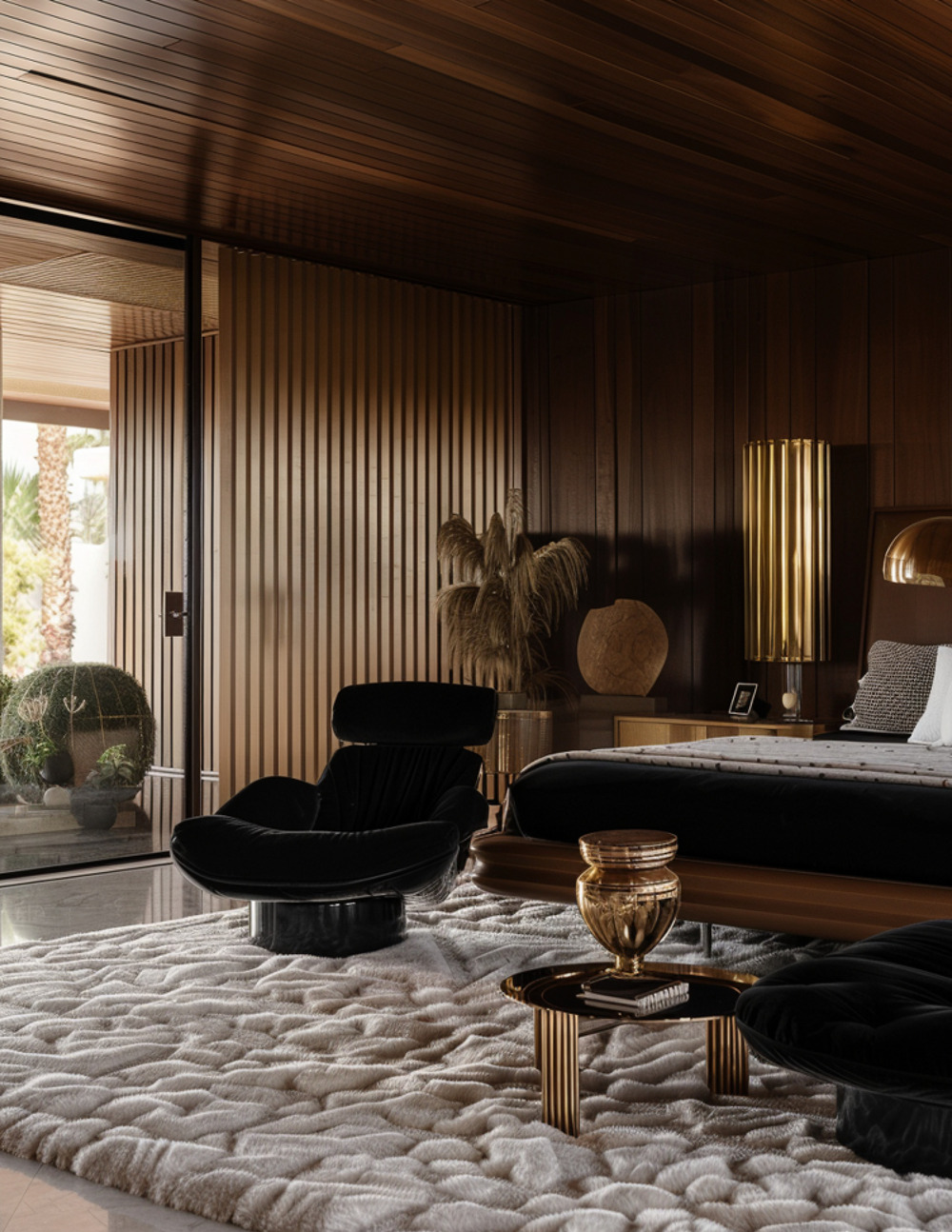 Yasmine Ammar | Palm Springs Residence Bedroom | 2022
Your work is deeply rooted in cultural dialogue and spatial storytelling. Growing up in Casablanca and traveling extensively, how have different cultures shaped your design philosophy and the way you approach space?
I was born and bred in Casablanca, which is one of the most cosmopolitan cities in the region, and learned three different languages at a young age. That combination inevitably attunes the mind to new cultures and perspectives, and makes it insatiably curious about the world. I’ve also traveled extensively, and beyond visiting historical sites – which I love – I make a point to fully immerse myself in the local scene, meet new people, and hear their stories. The most fascinating ones have come from those with whom I share very little in common. We can learn so much, both about ourselves and the world around us, if we simply have the empathy to listen. And at its core, storytelling is rooted in empathy. The stories I’ve heard – from an elderly fisherman in a small coastal town in Sicily to a Greek monk living an eremitic lifestyle – are pieces I’ve gathered to shape how I tell stories through the spaces I design, each deeply anchored in a historical and/or cultural context. The goal is to create work that moves, teaches, informs, or ideally, all of the above, and resonates over time.
Your projects often unfold as carefully choreographed journeys, guiding visitors through sequences of transition and transformation. How do you design these spatial narratives, and what role does architecture play in shaping emotional or even psychological change?
The guest’s journey is the soul of my work. In architectural terms, it’s known as the architectural promenade. It’s a modernist concept introduced by Le Corbusier that describes a choreographed journey through a space where different perspectives unfold and reveal themselves in a deliberate, rhythmic sequence, almost like a narrative or musical composition. My aim is to do just that: create a compelling program, narrated through a carefully choreographed sequence, that allows users to experience the program gradually rather than all at once. In that sense, architecture goes beyond spatial organization. It subtly shapes perception, how one feels, and how one experiences a space as they move through it.
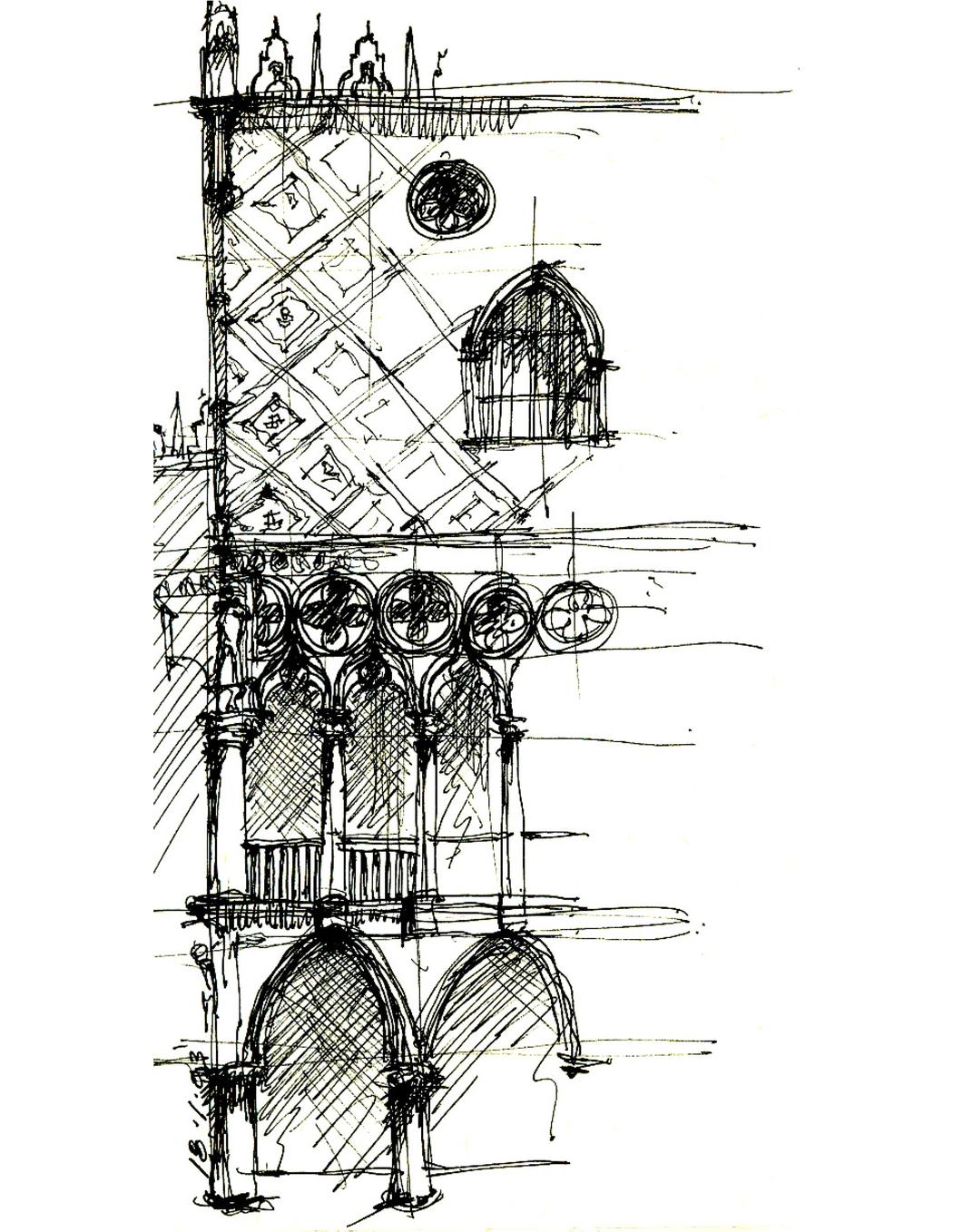 Yasmine Ammar | The Doges Palace | 2018
The idea of thresholds – transitions between states, spaces, and experiences – appears to be central to your work. What draws you to this concept, and how do you express it architecturally?
As we enter new phases in our lives, we encounter and traverse multiple thresholds. Some of my design approaches are simply an ode to the idea of transition itself. What draws me to thresholds is that they exist in-between states; they are neither here nor there, but something in motion. Conceptually, they carry profound meaning: they are the portals through which change is experienced, not as rupture, but as a gradual unfolding. Spatially, I express this through sequences rather than static moments, through shifts in light, scale, texture, scent, and rhythm that gently reorient the body. The aim is to make transition felt rather than simply passed through.
In your Palm Springs residence, you combine mid-century modern, Bauhaus, and elements of cinematic glamour. What interests you about bringing these aesthetics together, and how do you ensure harmony between them?
This one-story home is located in Old Las Palmas, Palm Springs, and is rooted in its immediate context, where mid-century modernism is inseparable from the desert landscape and its emphasis on indoor-outdoor living. From there, a dialogue was created between mid-century modern and Bauhaus influences, which naturally align in their clarity of form and structure, to create harmony between the architecture and its interiors. Subtle references to California’s cinematic history and New Hollywood glamour are woven in through materiality, tone, and sequencing, rather than applied as an overt stylistic layer. I’m a bit of a film and fashion buff, so working on a project where I could draw inspiration from those two worlds was a dream. The intention was to let all of these influences coexist in harmony, so the experience feels elegant, grounded, and specific to place.
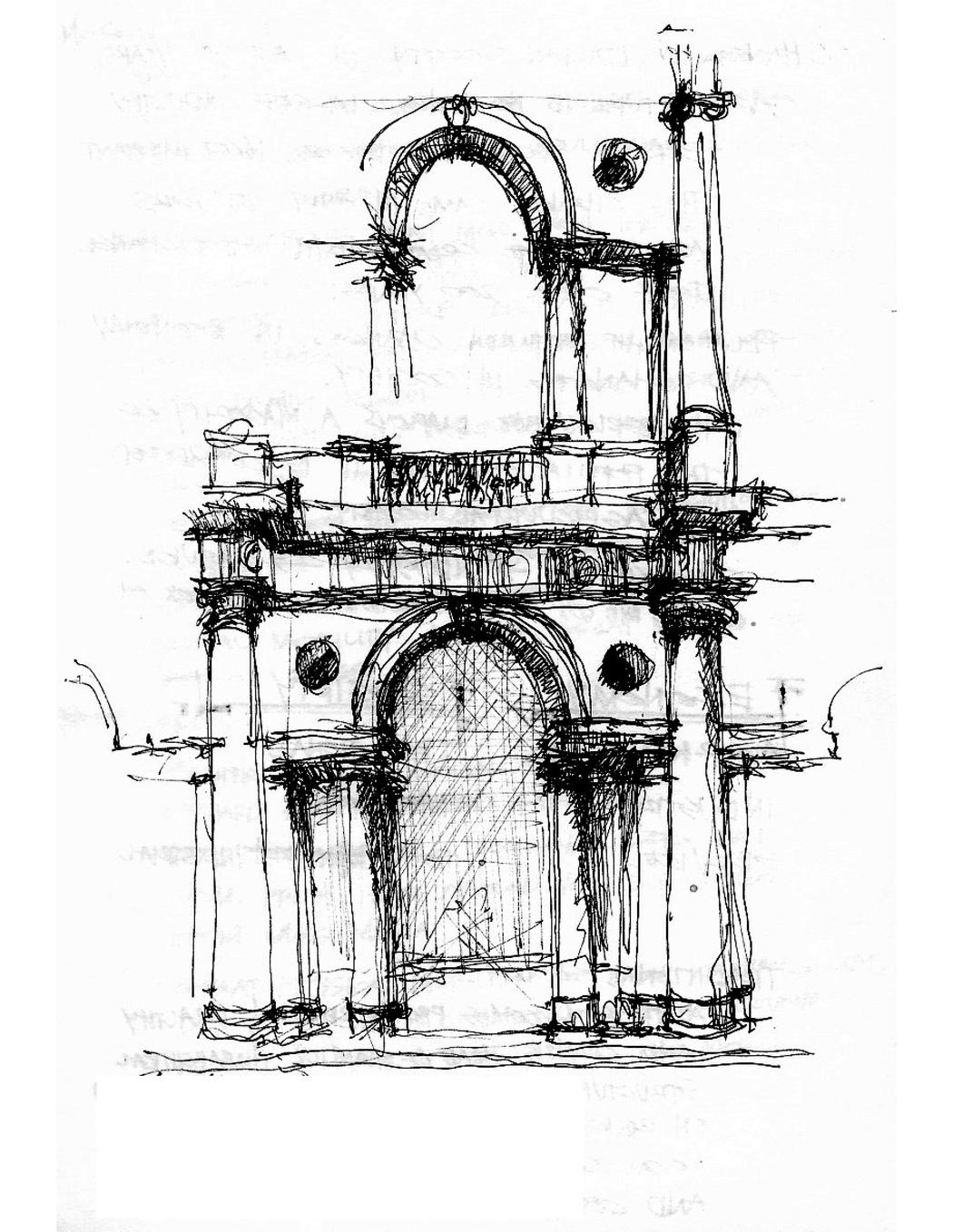 Yasmine Ammar | Palladio Basilica | 2018
Your work moves fluidly between expressive, almost sculptural gestures and refined minimalism. How do you navigate this tension, and how does it influence the final spatial experience?
I’m interested in the tension between expressive, almost sculptural gestures and refined minimalism, and I don’t see them as opposing forces. For me, the most compelling spaces come from combining both, rather than committing to a single, fixed language. I think that contrast creates depth and intrigue, and keeps the work from feeling monolithic and dull. Most of my projects also integrate smart systems that support wellness and sustainability goals in ways that feel seamless, intuitive, and human-centered. Ultimately, I’m less interested in rules than in creating spatial experiences that evoke a reaction; if a space makes you feel something and leaves you longing to return after you’ve gone, then it has achieved its goal.
When working with clients who have strong creative backgrounds, such as in your Palm Springs project, what challenges and opportunities arise in the design process?
It can be both fun and challenging at the same time, especially when working with clients who come in with a strong creative vision of their own. In this case, there’s a real dialogue that forms, and at times, interesting push-pull moments that do bear fruits when handled carefully. I actually find that part of the process very enriching on both ends. I’m always up for a good challenge, and I see it as an opportunity to push myself forward while staying focused on a shared end goal.
Your sketches feel spontaneous and emotionally charged, while your interiors are highly controlled and precise. How do these two modes of expression inform one another within your practice?
My sketches are almost always instinctive and capture subjects and first ideas without constraint. The interiors are where those impulses are refined into something more controlled, precise, and intentional, as significantly more time and work go into them. When working on a project, sketching is essential because it allows me to brainstorm tangibly and through an iterative process, give form to an idea and what the final product could become. This conversation reminds me that I need to pick up Formgiving by Bjarke Ingels Group. It’s essentially a visionary manifesto that explores how design can “give form” to the future through sustainability, technology, culture, and speculative thinking. I think everything Bjarke touches turns to gold, and if you’re a design nerd, you should definitely check it out.
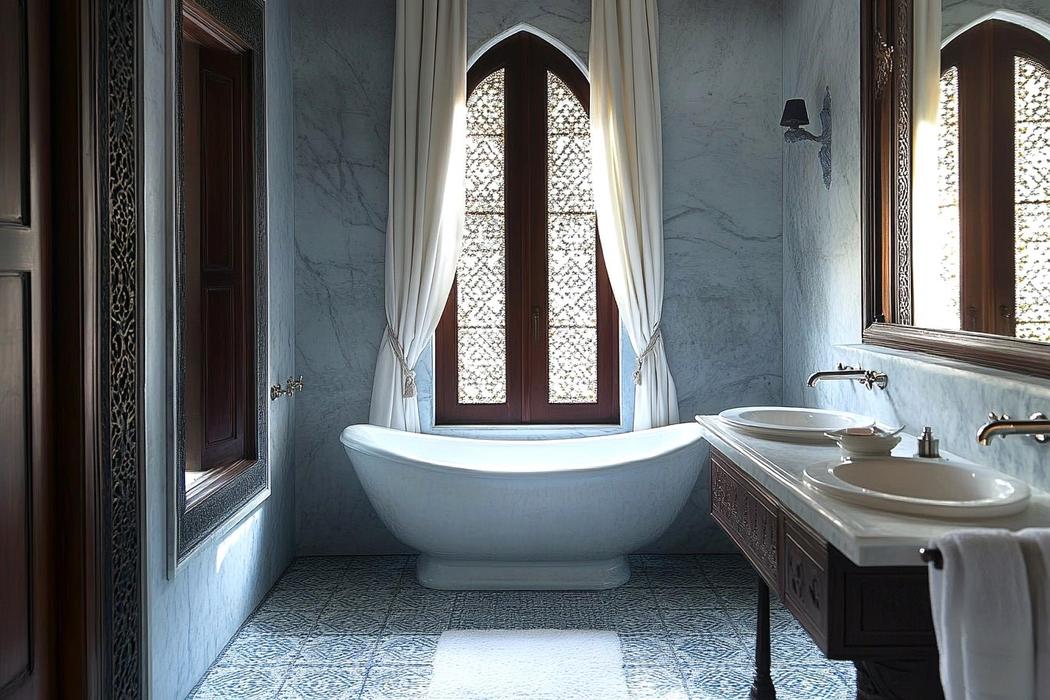 Yasmine Ammar | Dar Fez Hotel Bathroom | 2022
Ultimately, what kind of emotional or sensory experience do you hope people take away when they enter a space designed by you?
My approach is narrative-driven and tech-forward. Once I have a compelling story, informed by thorough research into the cultural and historical context and usually held together by different pillars, I know I have a solid foundation on which to build the rest of the work. The dots connect themselves after that point, and the rest of the design process becomes fluid and cohesive. Ultimately, I hope people feel fully immersed in the spaces I design, both emotionally and sensorially. I want the experience to go beyond the visual and awaken a deeper awareness of atmosphere, materiality, light, sound, and movement. If a space creates an experience so rich and layered that it makes someone feel something, whether that’s curiosity, nostalgia, calm, tension, or awe, and stay with them long after they’ve left it, then I’ve achieved my goal. But the truth is, creative processes are never truly finished, and artists, designers, architects — the ones who are deeply passionate about their craft — know this. I can only abandon a project, never truly finish it.
Leave a Reply
You must be logged in to post a comment.