
Amos Monks
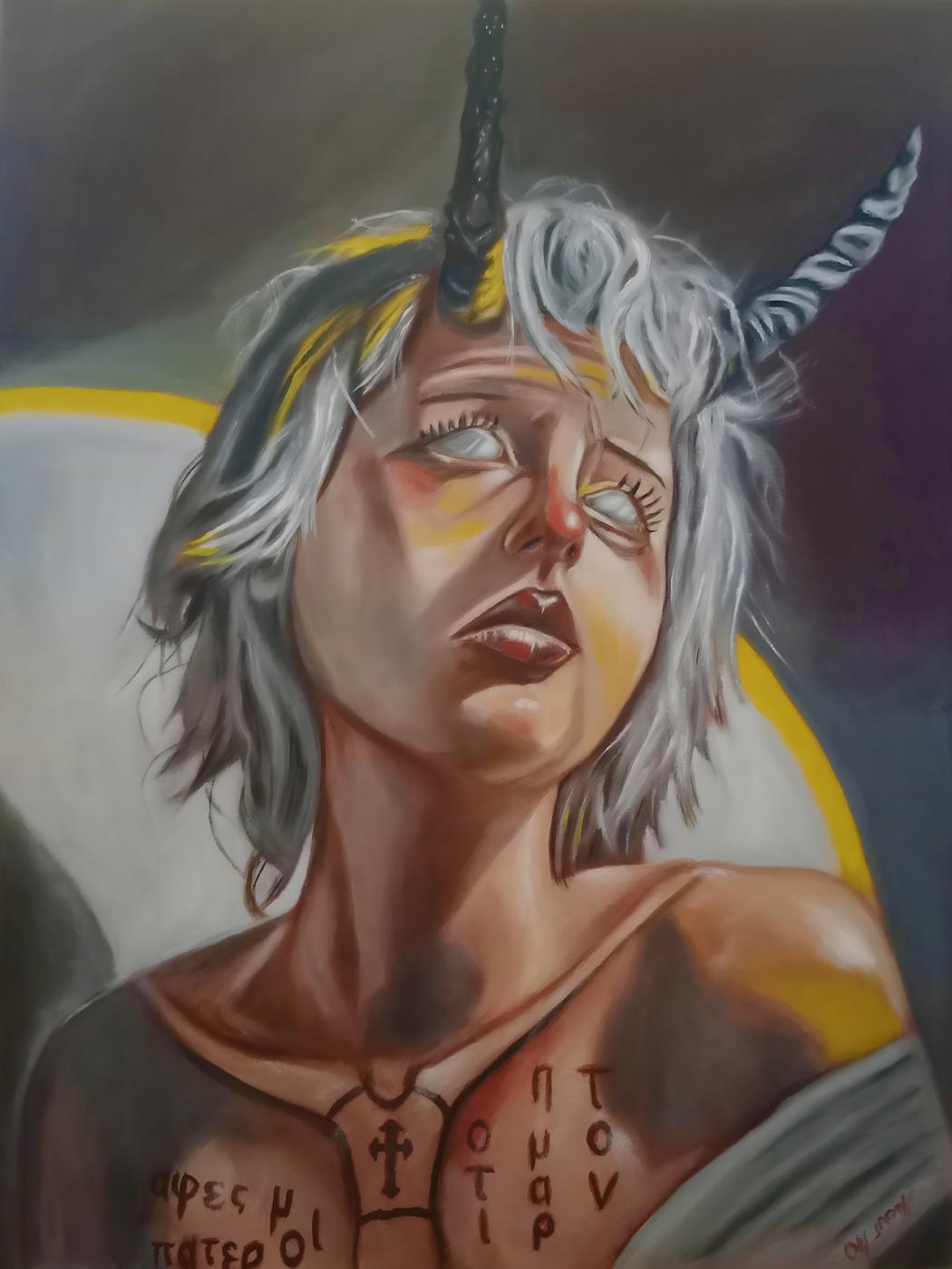
You describe yourself as a self-taught painter. How has this independent path shaped your artistic identity?
Being self-taught has shaped my artistic identity in a fundamental way. It forced me to rely on instinct and persistence rather than a prescribed method. I had to learn difficult lessons on my own — through trial, error, and a lot of failed attempts — but that process helped me find a voice that feels genuinely mine.
While being self-taught certainly comes with challenges, it also gave me something invaluable: clarity. I know that I make art because I truly love it, not because I was following a structured path or academic expectation.
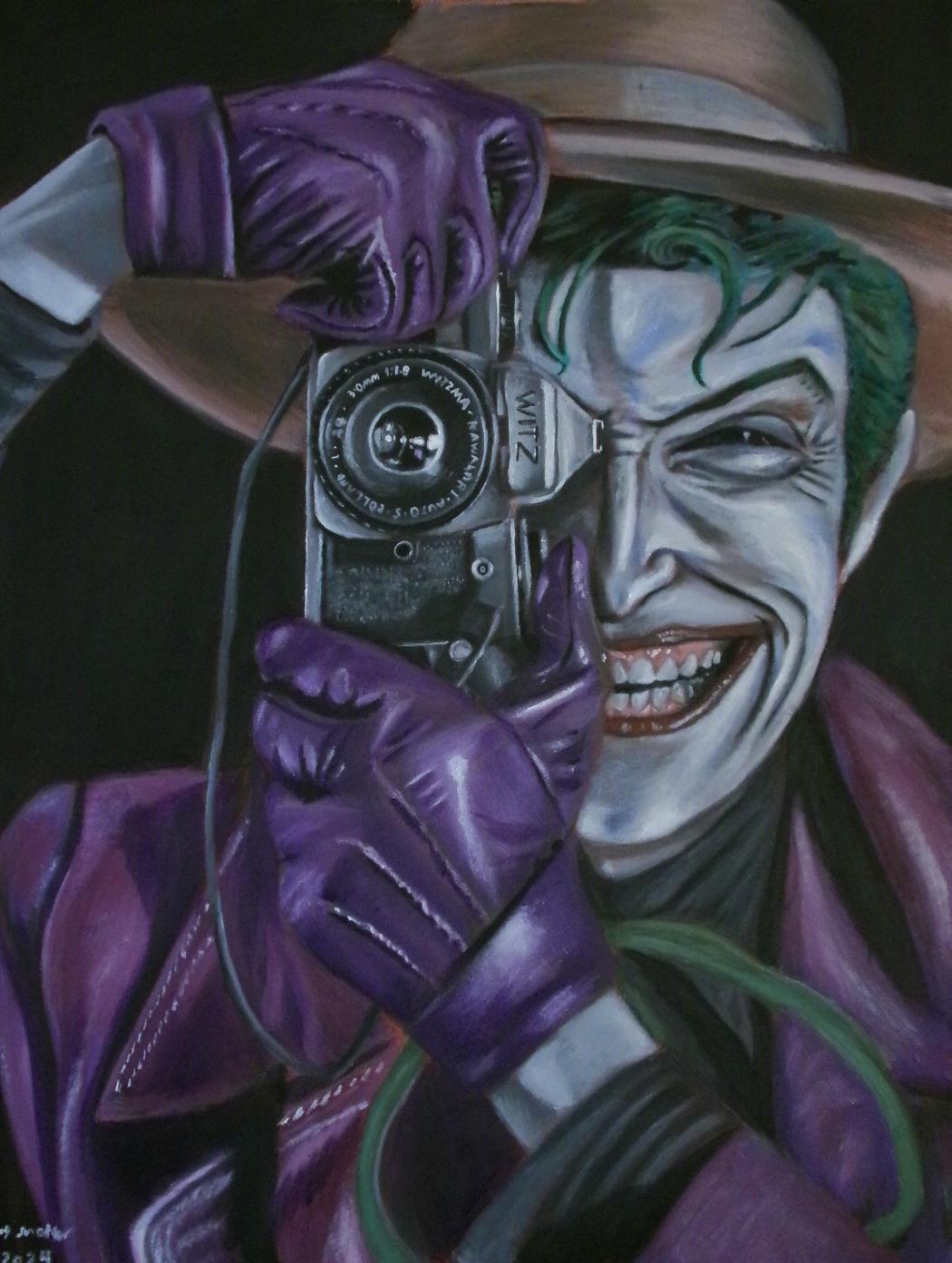
You mentioned being inspired by comic book artists and Michelangelo as a child. Do you still feel those influences in your current oil paintings?
Yes, though less obviously. Comic books shaped my sense of drama and composition, and Michelangelo gave me an appreciation for anatomy and expressive form. Even if the influence isn’t visible on the surface, it’s part of my foundation.
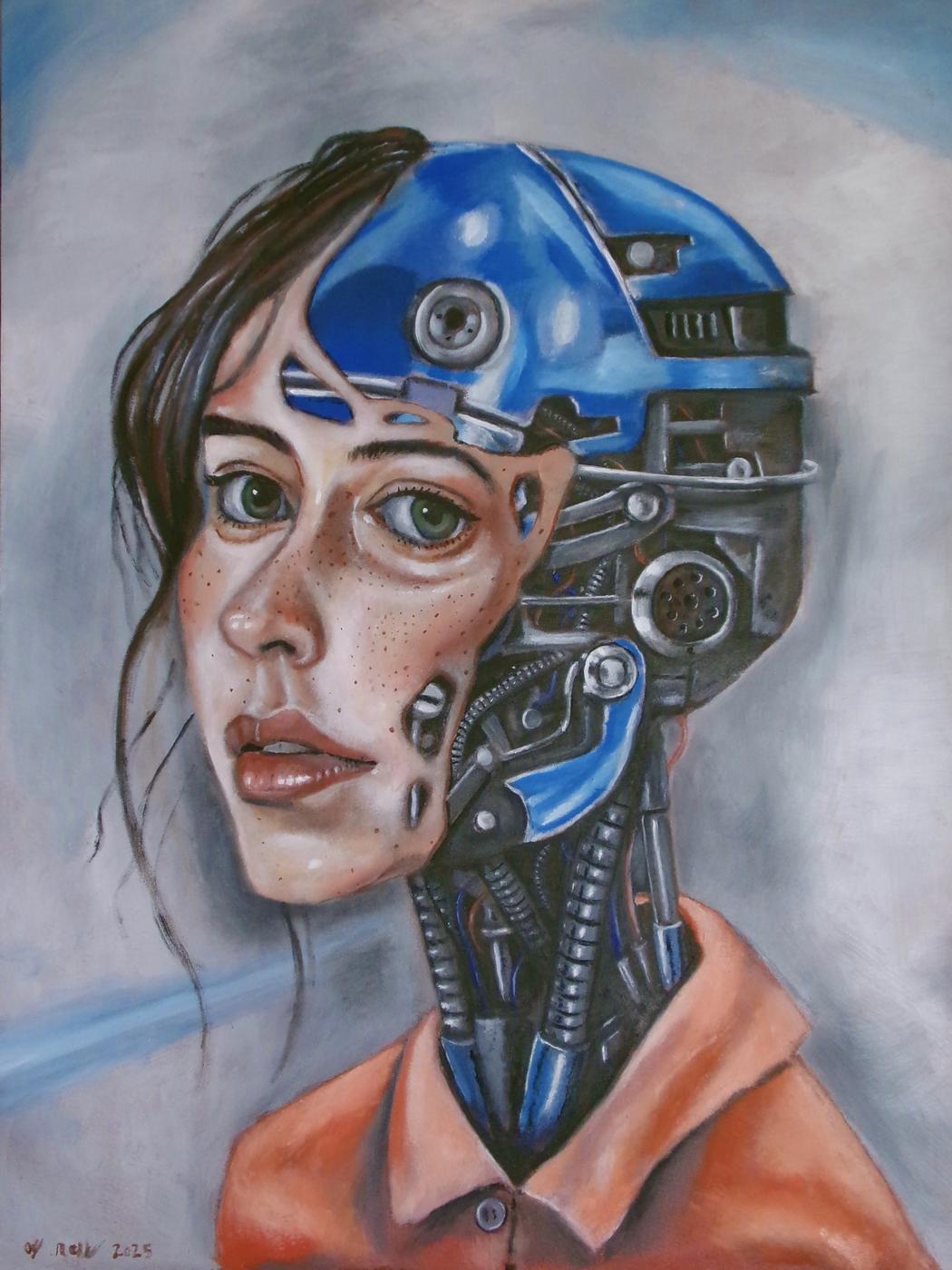
Your works often combine surreal, fantastical, and sometimes dark elements. What attracts you to these themes?
I’m drawn to the surreal because it allows me to explore something human in an indirect way. I like finding vulnerability or emotion within something strange or unsettling.
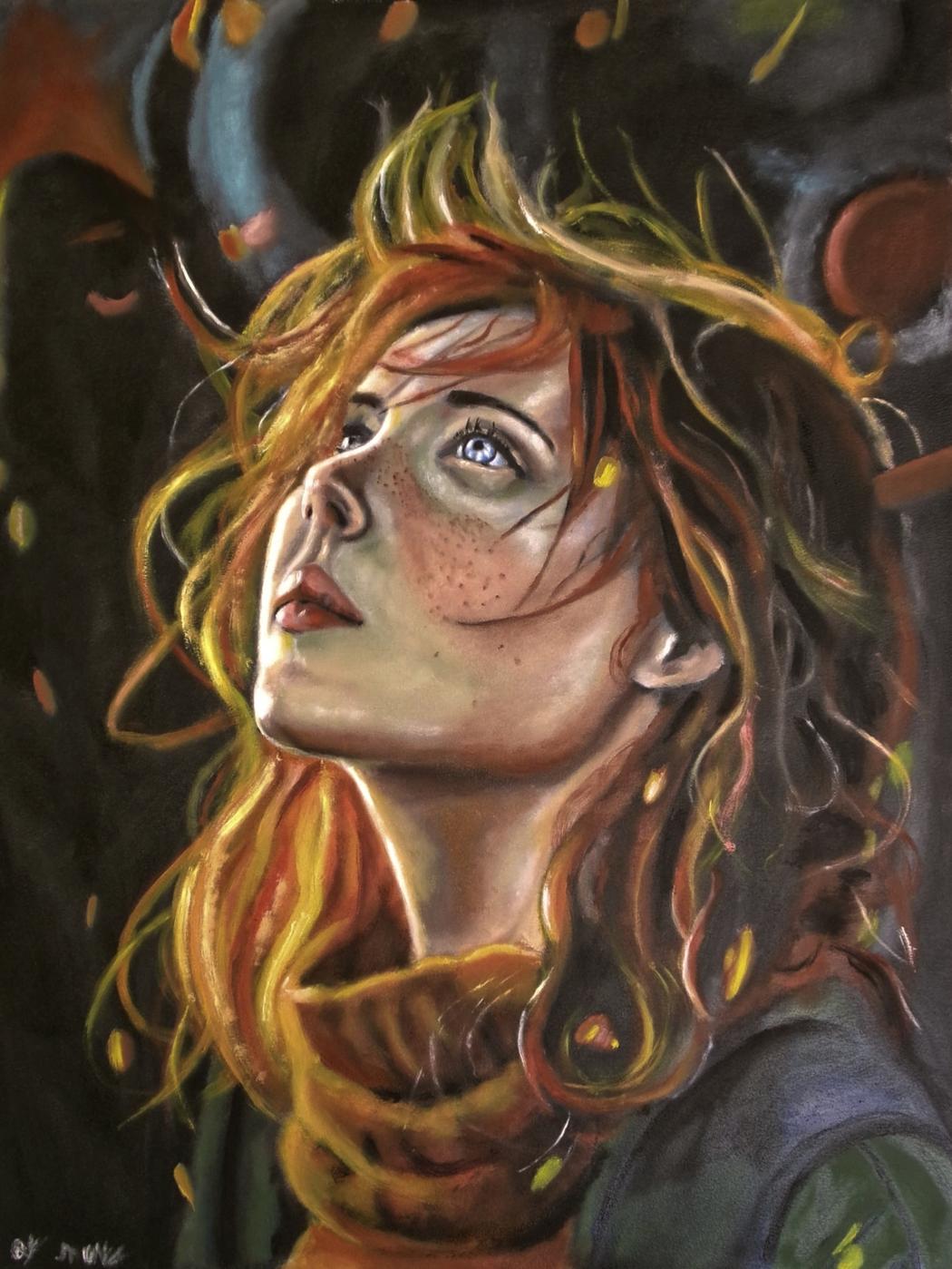
Many of your portraits have a cinematic intensity and psychological depth. What do you look for when capturing a face?
I’m especially drawn to faces that are difficult to fully read — where you’re not entirely sure what’s happening behind the eyes. That ambiguity creates tension and invites the viewer to engage more actively with the painting.
Of course, there are exceptions. Sometimes I am going for something very straightforward, but generally I’m interested in character. I look for subtlety — small shifts in expression that suggest an inner world rather than clearly explaining it. I like the idea that a face can hold contradictions: strength and vulnerability, calm and unrest, all at once.
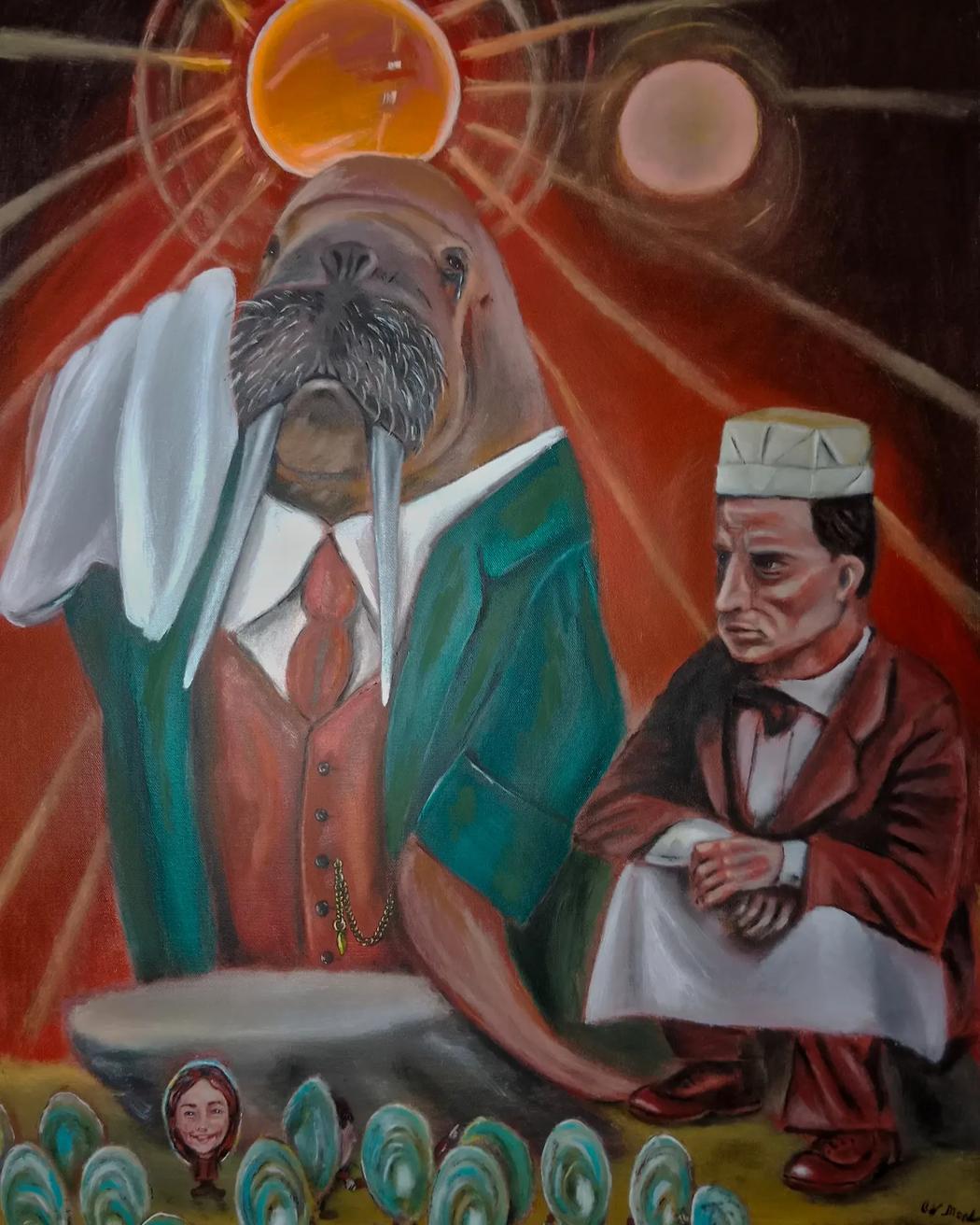
The transition from pencil and pastels to oil painting is significant. What did oils allow you to express that other mediums could not?
Oil paint gives me flexibility — I can rework, remove, or build layers until it feels right. That freedom gives me confidence and allows me to take on more complex subjects with depth and atmosphere.
Knowing that I can rework an area allows me to take greater risks and tackle more complex compositions.
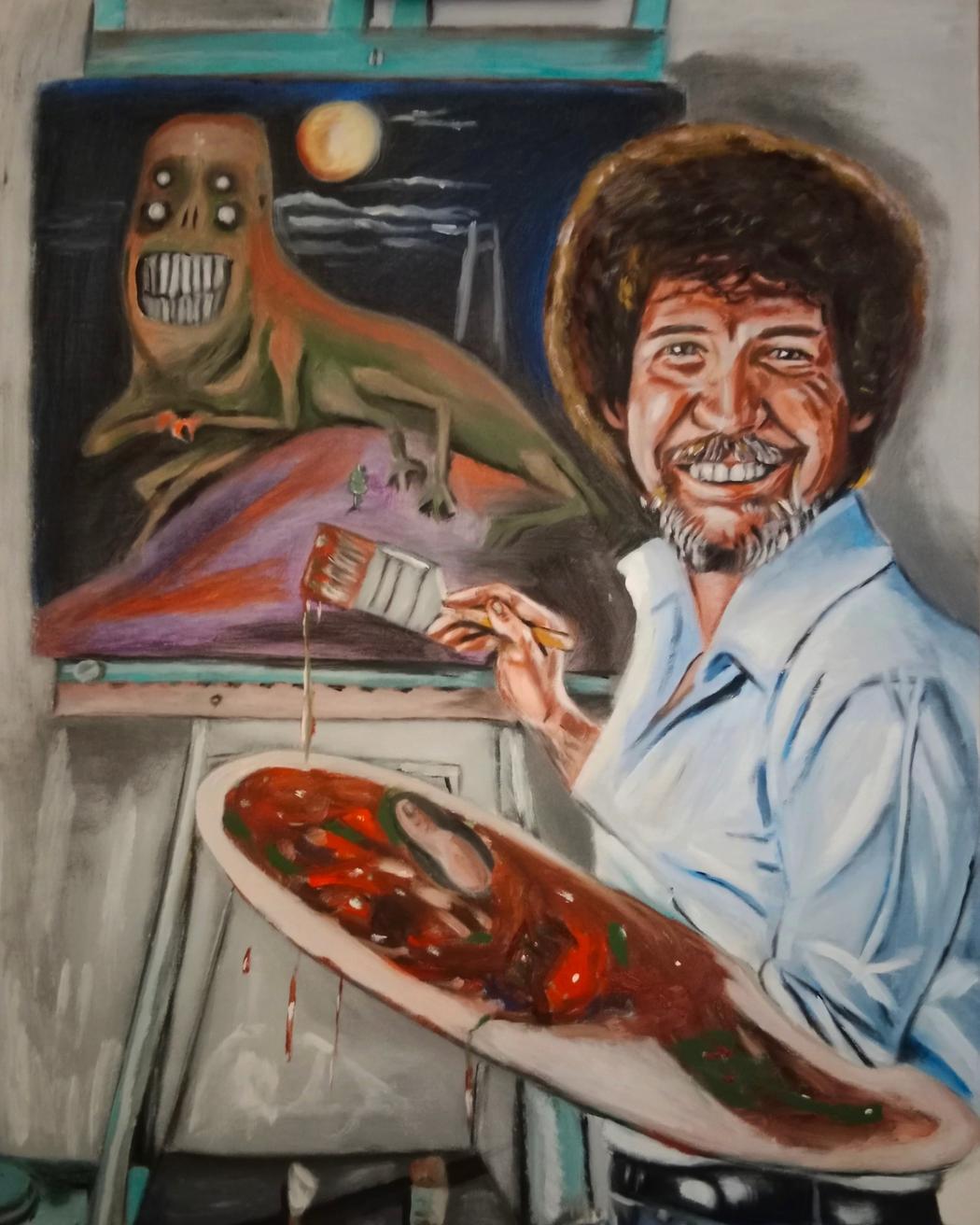
Some of your paintings reference pop culture and iconic characters. How do you reinterpret them through your personal vision?
Sometimes not at all, sometimes it really is a straight forward adaptation.
Other times I (try to) reinterpret them in a way that feels personal rather than nostalgic. It becomes less about the character’s public identity and more about their internal state — or even what they represent emotionally.
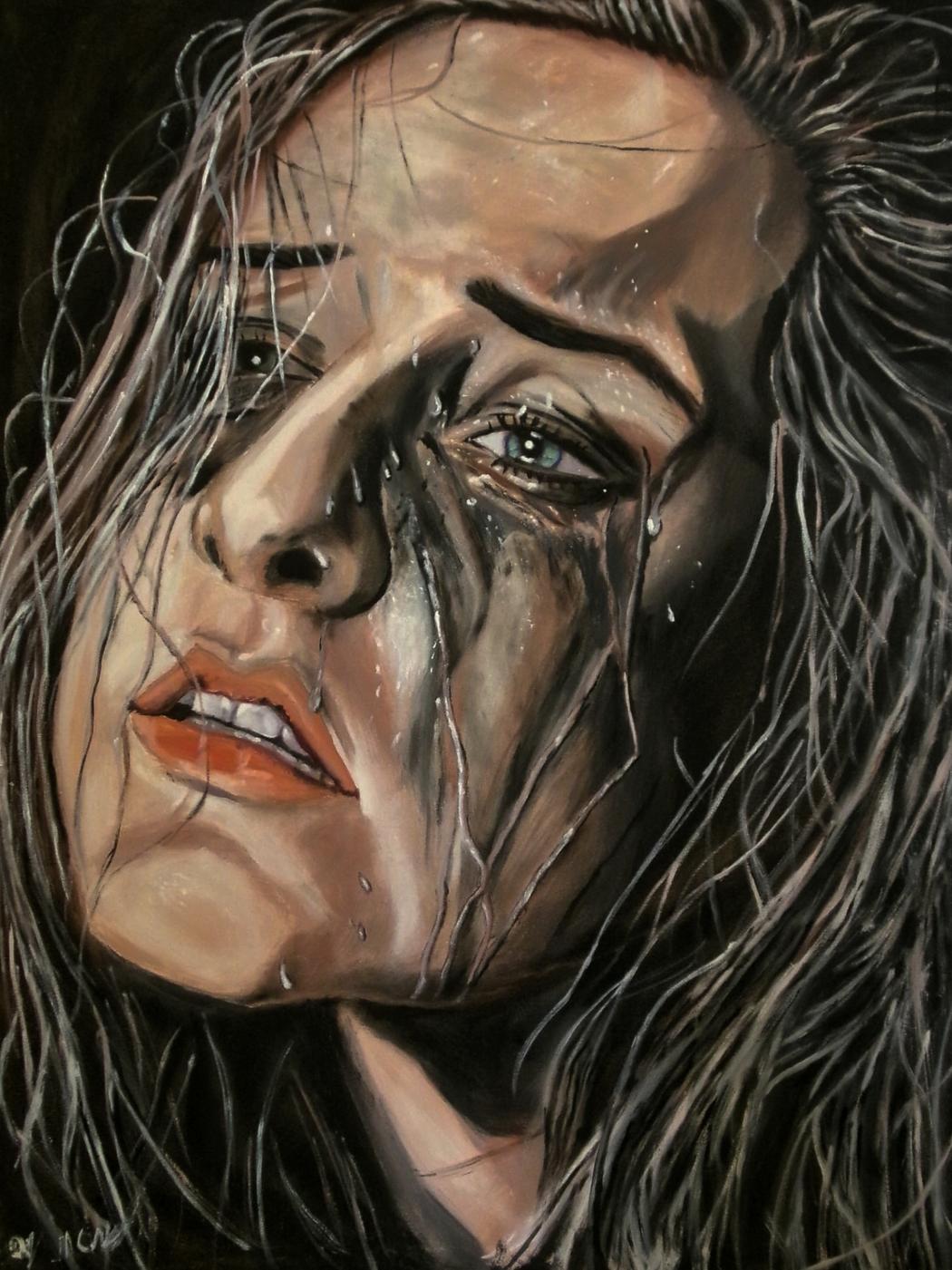
Your early dream was to create comic books. Do you still see storytelling as central to your art today?
I think of each painting as a single frame from a larger narrative — like a still from a film. Something has happened before this moment, and something will happen after, but the viewer is only given one fragment.
Leave a Reply
You must be logged in to post a comment.