
Nadezhda Vlasova
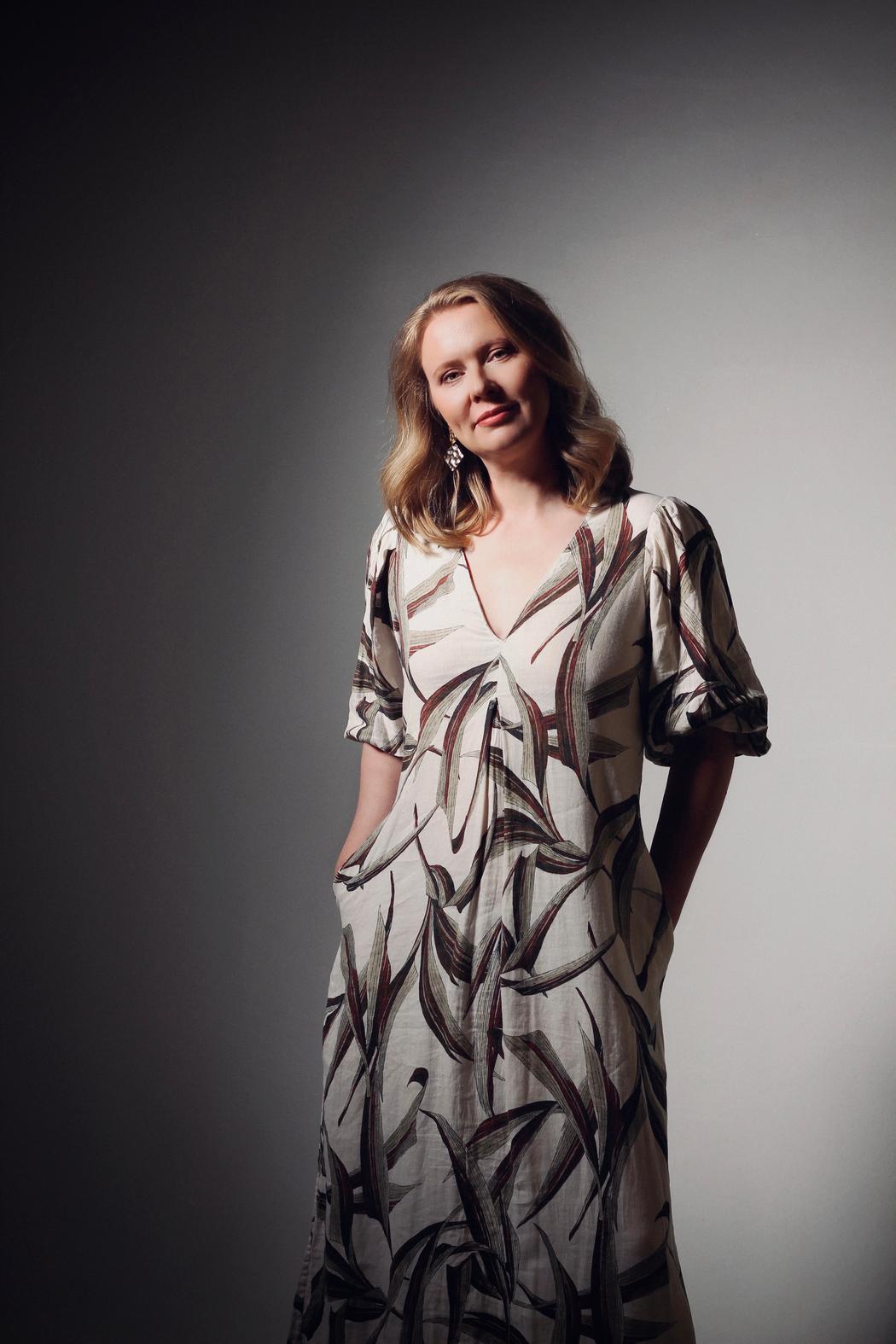
Your background includes both restoration and art history. How have these disciplines influenced your own artistic language?
Both fields greatly broaden one’s horizons and technical toolkit, allowing for confident work across different media. Art history sharpens visual awareness, provides abundant inspiration, and enhances one’s engagement with symbols, imagery, meaning, and the quality of visual language. Restoration, on the other hand, helps to deeply understand the techniques of painting and drawing. It allows you to study in minute detail the methods of the artists whose works you restore — the colors they used, the grounds and canvases they worked on, whether they applied an imprimatura and what kind. No one has the opportunity to examine a painting as thoroughly as a restorer does — not even art historians — because a restorer literally works with all the layers of the artwork.
Having worked for many years as a museum restorer, did close contact with masterpieces change the way you perceive painting and composition?
Yes, absolutely! Beyond what I mentioned about technique, museum restoration means a very deep immersion “in the environment.” Just as someone who works in an office spends most of their day there, I went to work in a museum. All my colleagues were restorers and art historians. Everything I saw around me was art, and everything we discussed in one way or another revolved around art. It truly gets “under your skin.”
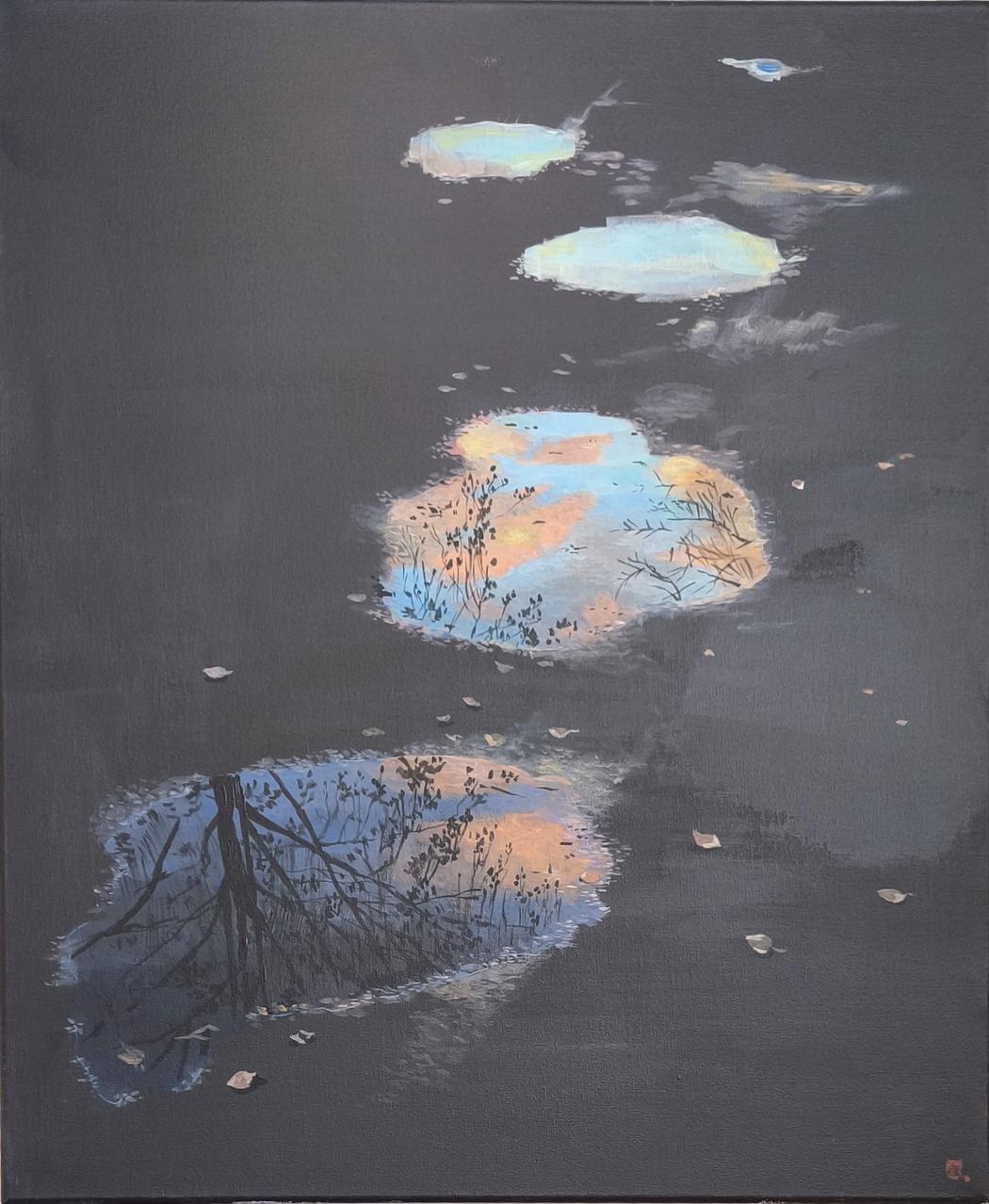 Nadezhda Vlasova | Dawn In A Puddle | 2026
Your works depict everyday scenes — a still life, a puddle, a quiet house by the river. What draws you to ordinary reality as a subject?
Unexpected perspectives. We often perceive life as “ordinary” and gray. But it is not! For example, the still life presented here was originally entirely white — white dishes, white books, a white background, and white drapery. It was a study setup for one of my students. But when I came into the studio at dawn, I saw how it was flooded with the rising sun, and I immediately painted a study from which this final work later emerged. There is no white color in the painting at all. Everything is rendered in yellows, oranges, blues, and violets.
Or take the floating house on the river. That day was foggy; I was walking my dog and suddenly had the feeling that I was standing at the edge of the universe, and beyond the riverbank there was nothing — emptiness. I took several photographs that I plan to turn into a series of paintings called “At the Edge of the World.” This piece is the first in the series. I believe people often fail to notice how astonishing the world around them is. They try to escape into virtual reality or psychedelia, when all they need to do is look around.
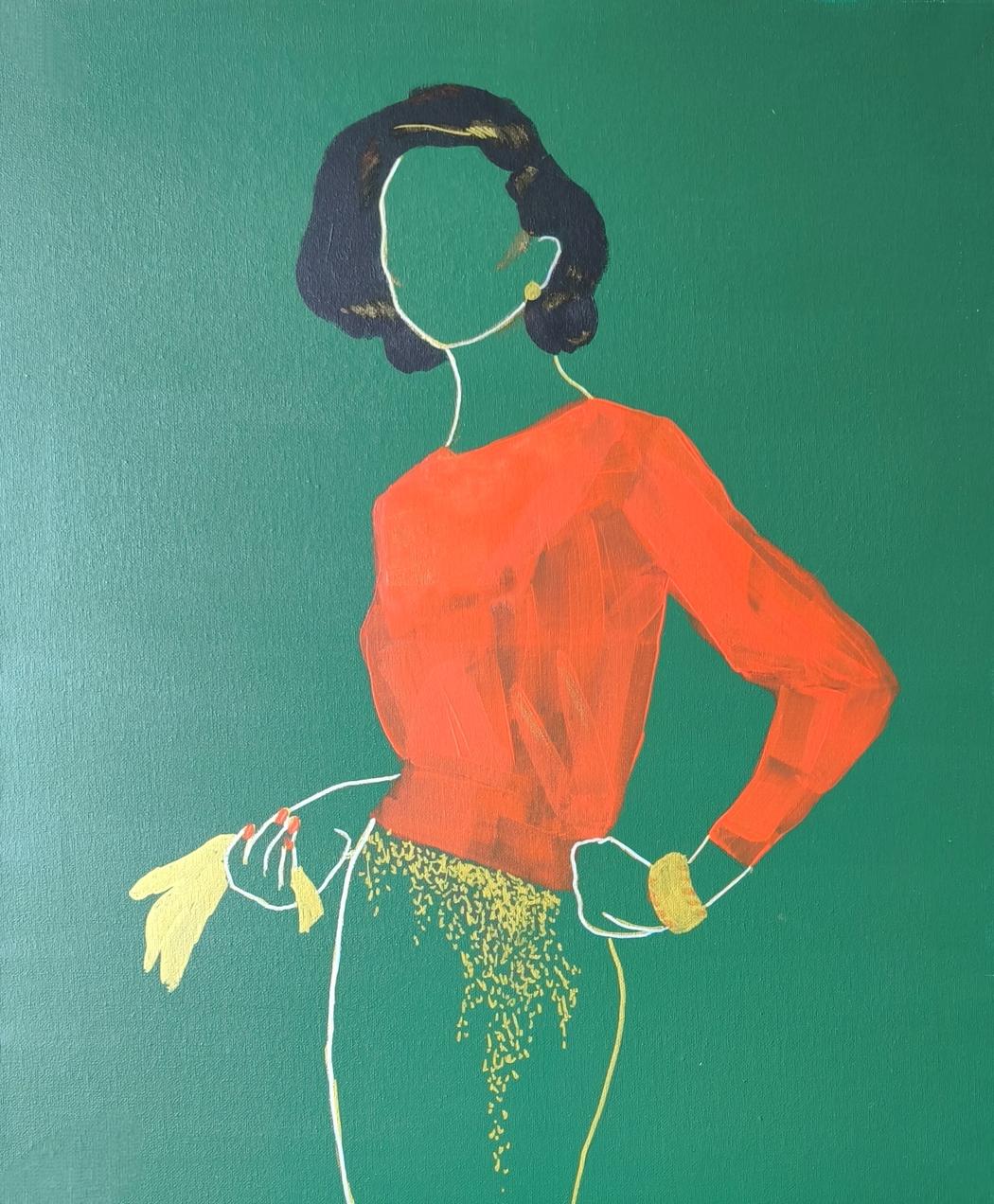 Nadezhda Vlasova | Female Figure | 2026
The statement “Life is more interesting!” suggests a deep curiosity about the world. What kinds of moments do you feel are most worth capturing in paint?
Oh, it can be absolutely anything! Even a drop of water on a bottle can sparkle like a diamond. The question is not about the moment itself, but about how you look at it.
Your paintings balance realism with a subtle sense of mood and poetry. How important is atmosphere compared to accuracy?
That’s a good question! Probably atmosphere is slightly more important. After all, an artist is not a documentarian; they should create a somewhat altered reality. I adore the Dutch and German Renaissance — Memling, Dürer, Jan van Eyck. Their approach feels very close to me. They depicted everyday life while making it ideal at the same time. If it was a teapot, it was polished to a shine without a single dent; if it was fabric, it was richly textured with beautiful folds. I also strive to idealize a real moment while keeping it recognizable.
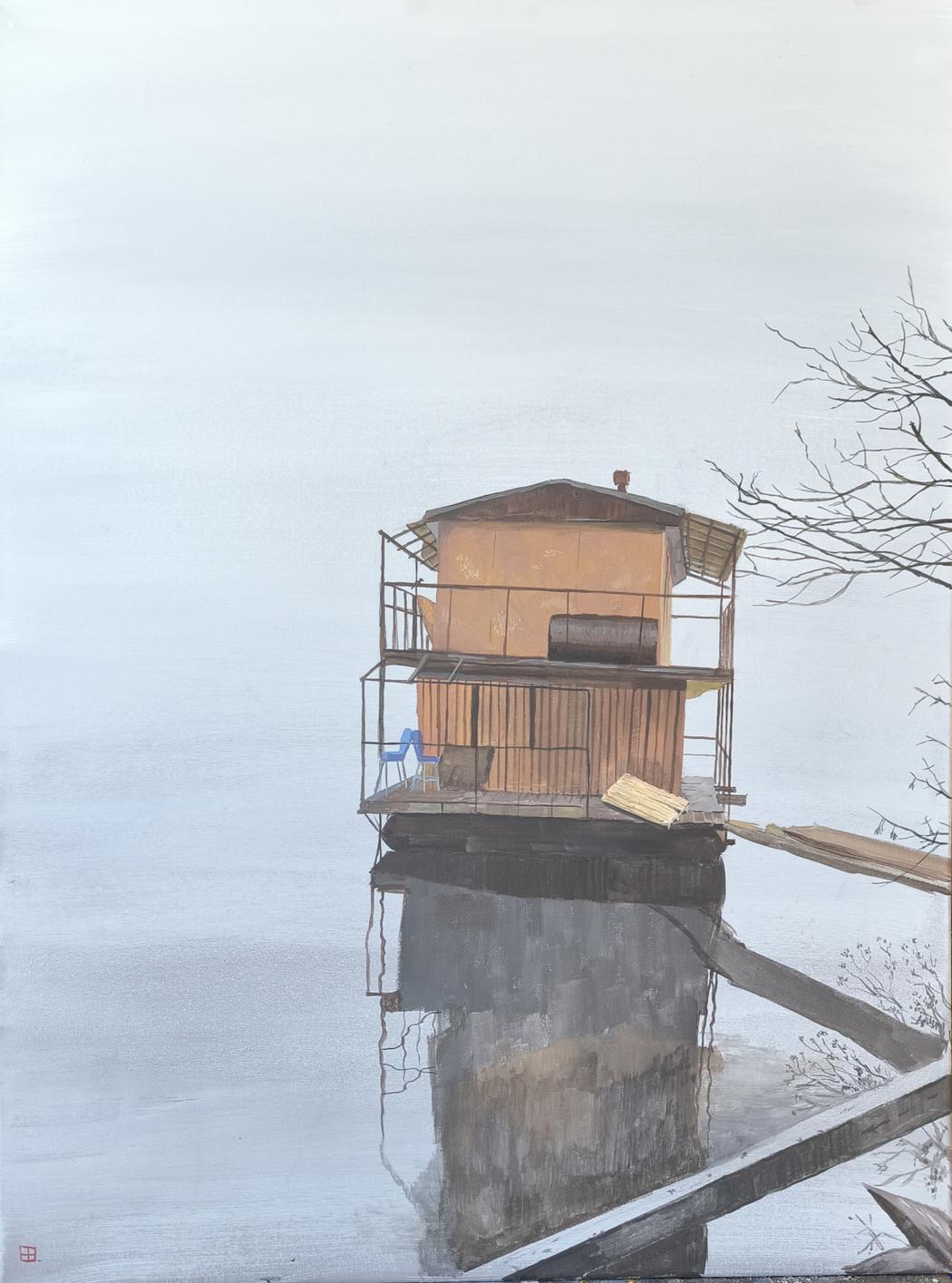 Nadezhda Vlasova | Fog On The River | 2025
Color plays a powerful role in your work — from luminous warm interiors to muted foggy landscapes. How do you approach building a color palette?
Each time I build it specifically for the piece. Color strongly conveys mood — it’s psychology — so it’s important to decide from the start what message I want to communicate. Will it be melancholy, joy, or a burst of energy? The chosen palette depends on that intention.
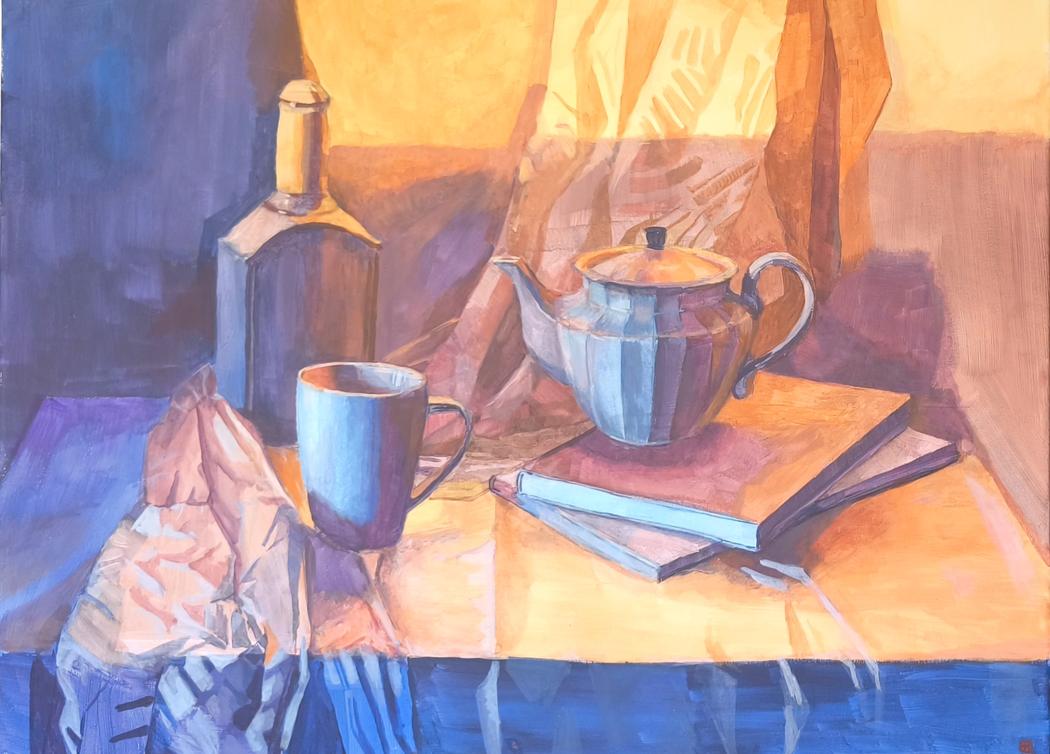 Nadezhda Vlasova | White Still Life In The Rays Of Dawn | 2026
As a teacher of drawing, painting, and composition, does teaching influence your own creative process?
Oh yes, absolutely! Over the years of teaching, I have realized that education — especially in art — is a never-ending process. I continue to study regularly myself. There are so many media, techniques, and approaches today that it makes no sense to remain focused on just one for a lifetime.
I also learn from my students — discipline, determination, and new ideas. There is an old joke: “I explained the topic to my students for so long that I finally understood it myself.” It’s very true. By explaining repeatedly, in different ways, demonstrating, studying books, and keeping up with new trends, you gain a much deeper understanding of your subject. In my view, that is what distinguishes a good teacher from a bad one.
Leave a Reply
You must be logged in to post a comment.