
Kota Inouye
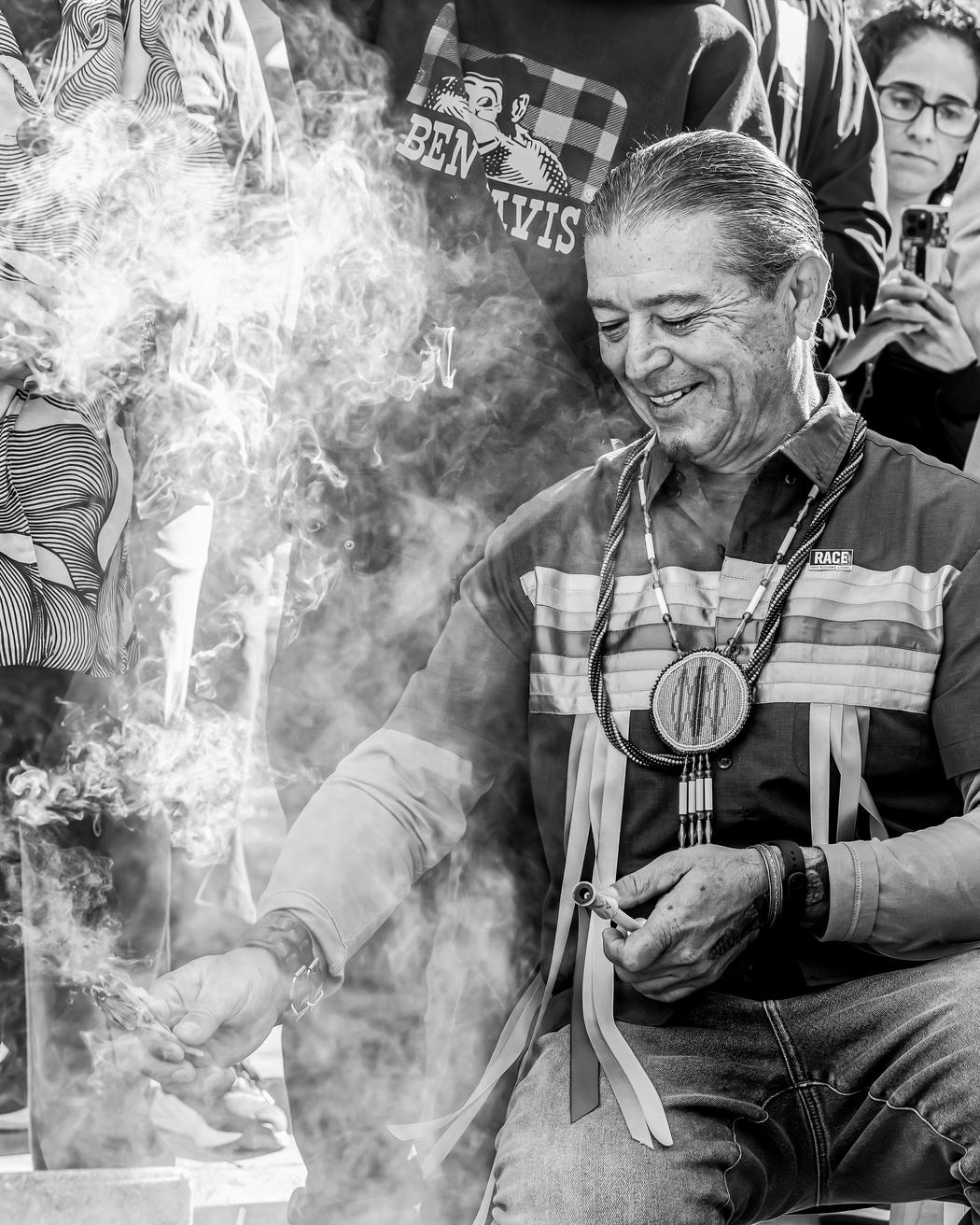 Kota Inouye | Nostalgia In Making | 2025
Your work often centers on memory, emotion, and lived experience. How do you decide which moments are worth preserving through your lens?
Being behind the lens does not mean I get to decide what is worthwhile to preserve, but allows me the opportunity to capture key moments that are intended to retell an emotion, memory, or story that occurred at one point in time. I am often split between the mundane and the makings of history, however, I remind myself that some history is not always grand. I truly believe that even an intimate gathering is in actuality even greater than a large-scale event. What truly then is worth preserving is the emotions and meaning of that moment in time, not necessarily just the moment itself.
You describe your practice as a way of retelling stories and recalling emotions “trapped in time”. What role does photography play for you as a tool of remembrance?
When I first got into photography, I tried a variety of styles—environmental, sports, contemporary, and many more. Nothing stuck with me until I began bringing my camera to document time spent with family—in that moment, something clicked.
I realized later that there is an incredibly important practice that most families, even organizations forget about in their day to day operations—the practice of history. As a result of a deep desire for innovation and instant gratification, people are constantly stuck on the future. So, when we are so trapped in what the next big trend is, when do we ever get time to be present or reflect on the past? The capturing of moments that then become memories, gives you the opportunity to retell the story of what happened and share the emotions you felt at one time.
As a historian in my own life, I ask myself if I really lived if I have nothing to show for it? I can tell my stories and I can retell other’s stories, but it becomes even more meaningful when there is a visual representation of those moments in time. Documenting means you have reminders for stories you want to tell, but oftentime, they evoke the emotions you felt in that moment. There is importance in being able to accurately capture a moment, because that photo shares more when emotions are visible.
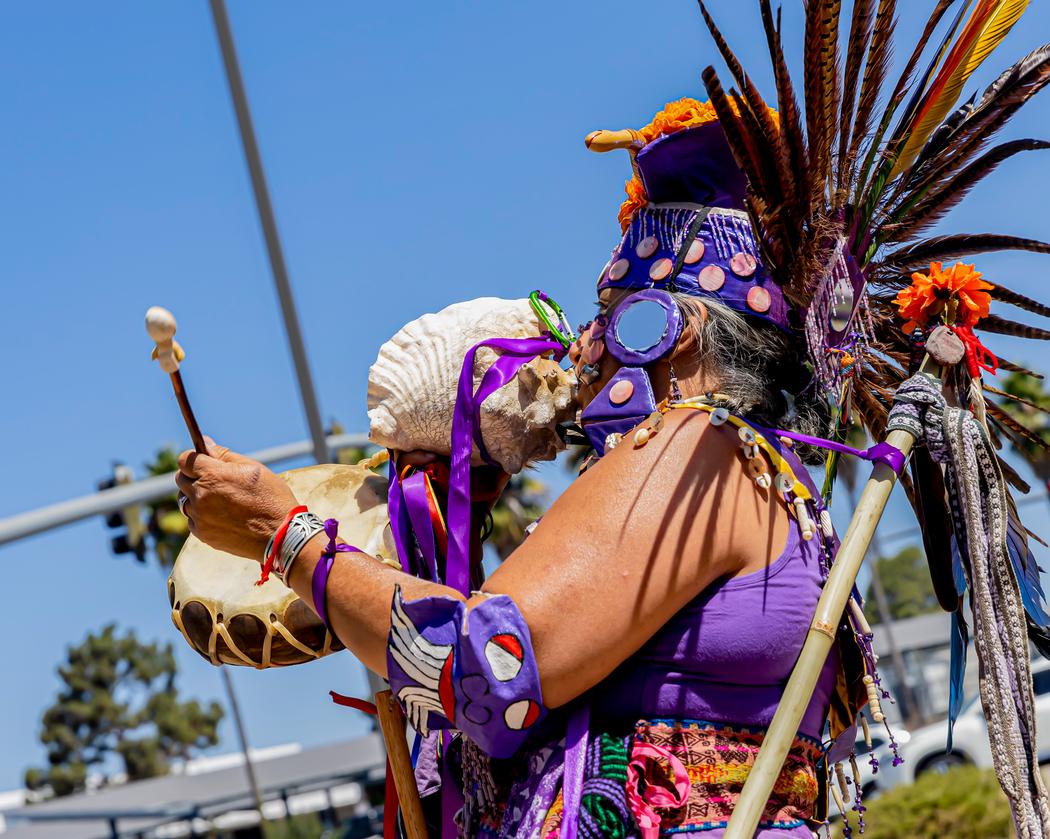 Kota Inouye | Calling On Heritage | 2025
Many of your images depict cultural rituals, movement, and collective presence. How do you navigate the responsibility of documenting traditions while avoiding appropriation or spectacle?
By having an anthropological and historian approach when documenting culture and traditions, you get better insight into what is culturally appropriate. I spend a lot of time getting to know the organizers of the cultural events I attend, I also get involved in those circles to get a better understanding of the culture or movement I intend on representing through my photos.
I am prideful that I have the opportunity and responsibility to use my photography to uplift and honor those in front of my lens. However, it is not without permission and mutual understanding, that I am able to take on this responsibility. There is a lot of trust that needs to happen prior for opportunities like this to come about.
Your work feels both celebratory and deeply grounded. How do you balance joy, resilience, and historical weight within a single image?
I mentioned earlier that oftentimes, people forget to practice history and that they are constantly moving towards the next big trend, and the same is true here. There is a lack of celebration or reminder that history was celebrated at one point in time, big or small. We are currently living in a generation where everyone can take pictures and call it a photo, but those can feel short lived. Yes, we capture the mundane to document for documentation’s sake, but we also must remind ourselves of the impact of that moment in time.
In order to balance emotions, impact, and time within a single photo, I take into account the angle and position I stand. Sometimes I am capturing a moment in pure luck and sometimes I am in anticipation. Cameras do not always produce what your eyes see and they oftentimes have a mind of their own, regardless, photos encapsulate when all align.
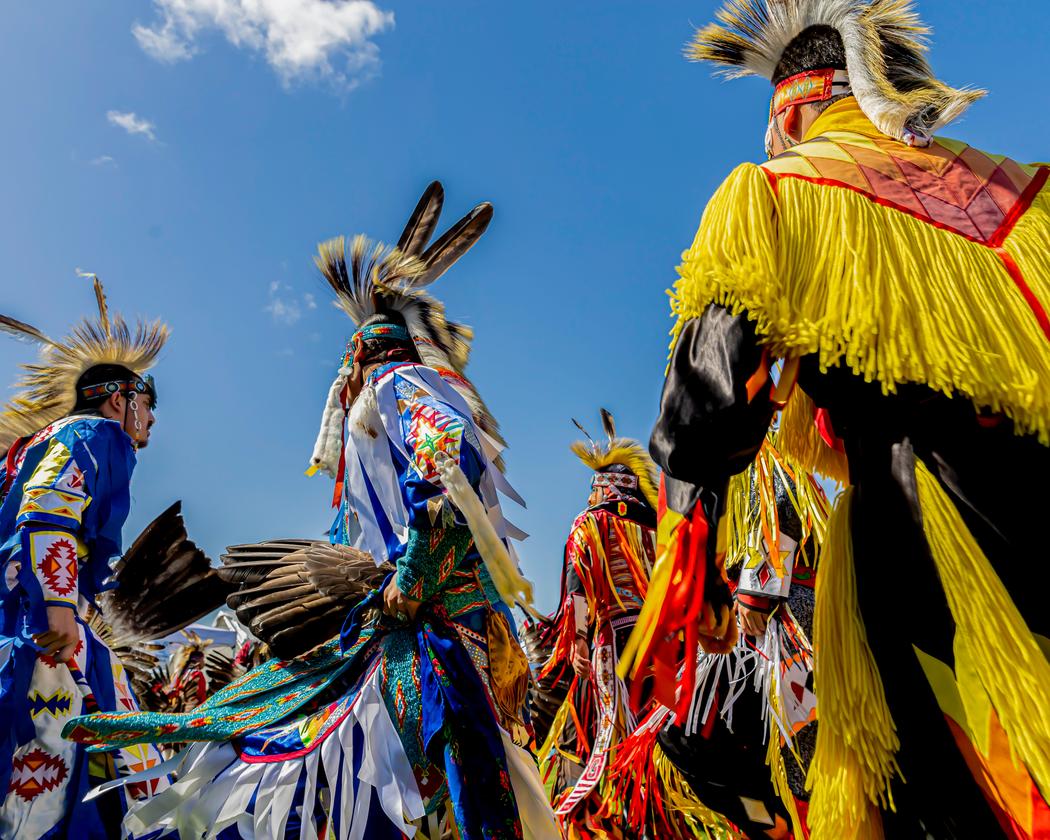 Kota Inouye | Coming Full Circle | 2025
Several of the works presented capture motion – dance, ritual, gesture. What draws you to movement as a visual language?
From the forefront, there is more satisfaction in movement as opposed to stagnation. Simply put, memories captured are never actually still. Though cameras capture a still shot, you often will find slight imperfections of movement whether in the foreground, background, or subject.
Capturing dance, ritual, and gesture, means to record the art and expression of a moment in time—resharing the actions and emotions of the performer(s), as they analyze the impact they made with the crowd. There is art in their movement as you watch, but there is also art in how they are feeling their motion and expressing themselves through performance.
You have a strong background in business and global management. How has that education influenced your artistic career and the way you navigate the creative industry?
At first, education was the leading reason I was struggling and oftentimes business in particular , construed my views on myself as a photographer—and as an artist. However, education was also my reason to pick up the camera more. Having worked 2 or more jobs at a time with a triple full-time student course load, I found myself in a terrible mental state. Oftentimes, that meant I would lay in the door, motionless in bed.
Now, cameras are one of the main tools I use at work—strange, but not so strange for someone working in marketing and public relations. Using cameras while working in these fields has pushed me in good and bad ways. Whether it is the struggle of a fast-paced environment or the overwhelming feeling that some photos are not my best work, in spite of that, I still see my progression as a photographer through our archives.
Reflecting on my experience, I can genuinely say that I did not understand the impact picking up a camera had on me until recently. Truthfully, I am still navigating what it means for me to be an artist. For so long, I have never thought or treated myself as an artist, but as a documentor or historian. Even in my struggles to overcome the idea of being an artist, I am still making an effort to share the moments I captured that make me cry, smile, laugh, and/or feel prideful.
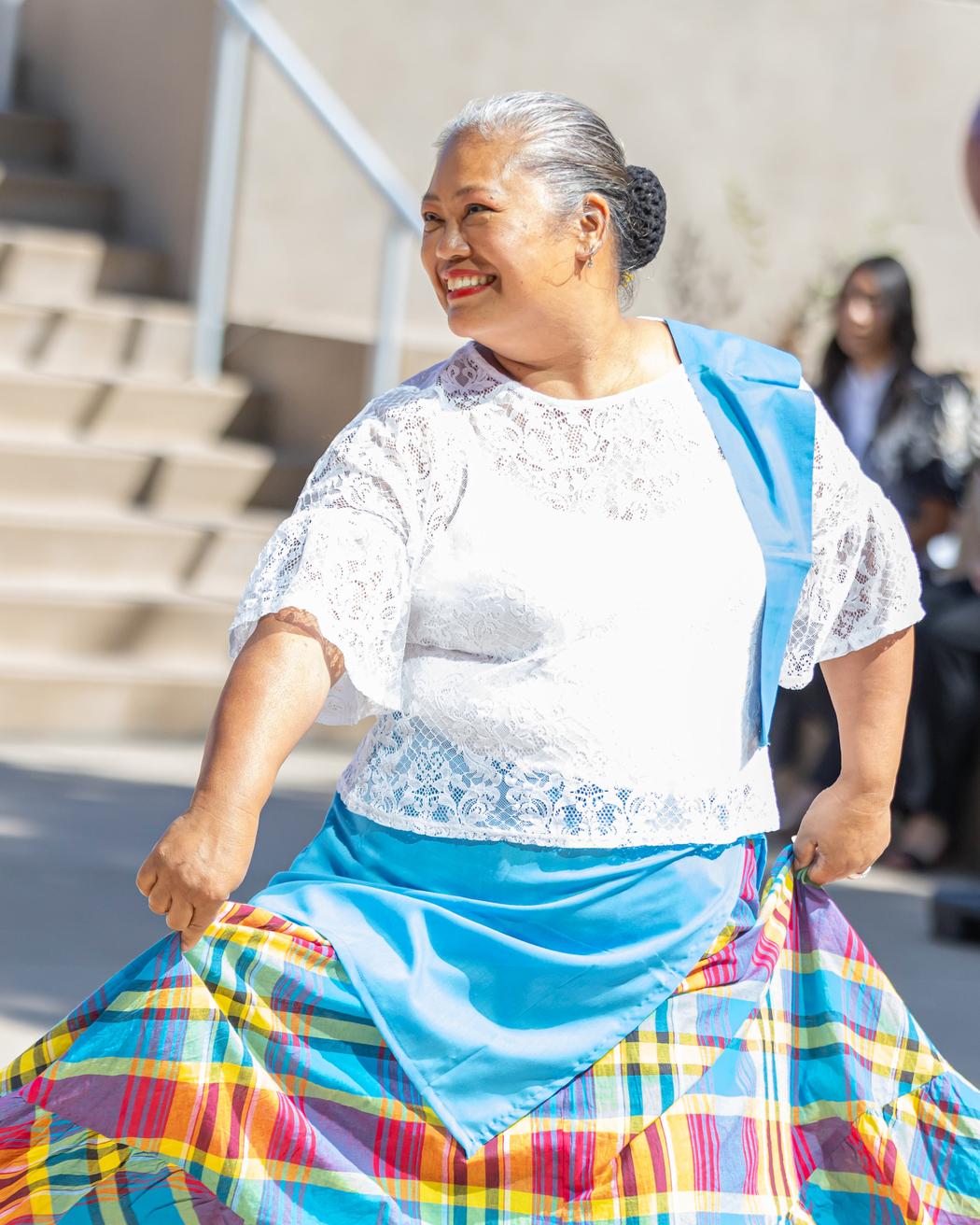 Kota Inouye | Smiling As A Dance Form | 2024
In an era of fast image consumption, how do you hope viewers will slow down and engage with your photographs?
I hope that viewers will slow down by reflecting on the memory that was captured, the movement of the subject(s), and the emotional impact they received. Some reflections could be on the small histories being made in their lives, and the experiences they take away through acts of remembering, analyzing, and developing. Overall, I hope my work inspires them to document their own lives, so that they can capture stories they want to share.
Leave a Reply
You must be logged in to post a comment.