
Tito Joao
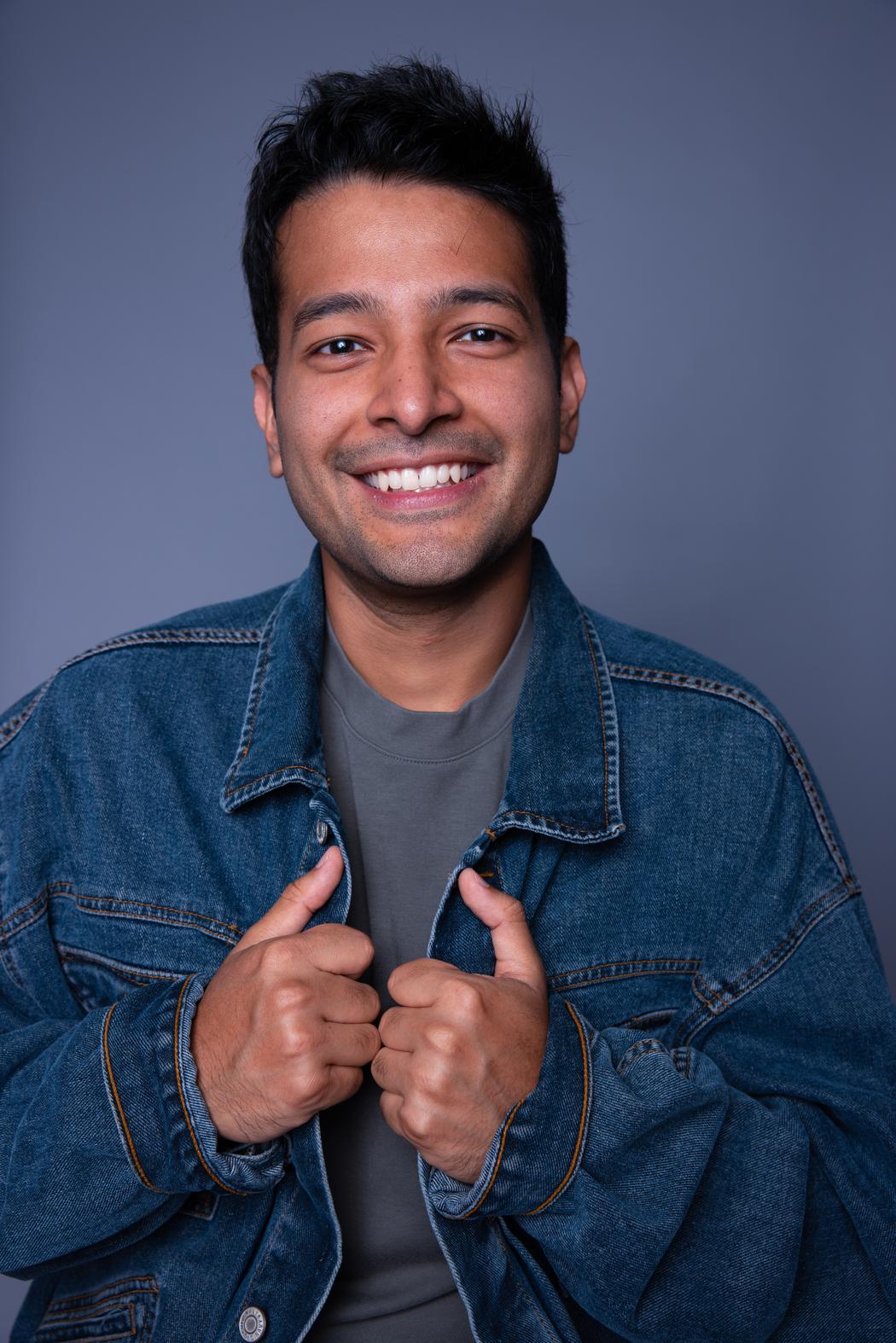
We don’t often feature actors in our publication, so it’s especially exciting to speak with you. What does it mean to you to be interviewed as an actor within an art-focused platform like ours?
Hello, thank you so much for having me. I’m truly happy to be here. For me, this means the opportunity to show a little part of who I am to the world through a different medium. As artists, we are always seeking ways to share our art and to reach people, to connect with them in one form or another through what we create.
I also feel that this is a safe and welcoming environment, because I’m surrounded by a platform that shares something deeply important with me: a love for art. Being in a space like this reminds me that, beyond disciplines or formats, we are all connected by the same desire to express, to feel, and to touch others through creativity.
You’ve said that imagination was your first companion in childhood. How has that early solitude shaped the way you build characters today?
Imagination was often my best friend. I could create entire worlds and live inside them, and that ability became the core of who I am as an actor. At some point, I realized I wasn’t just telling a story; I was part of it, and I needed to truly live it for the character to come alive.
I understood that someone who steps into imaginary circumstances can experience life as a completely different person. For me, acting isn’t about pretending; it’s about believing, about letting those inner worlds shape the way I move, think, and feel. That early bond with imagination taught me how to inhabit other lives with honesty, as if they were real because, in that moment, they are.
Cinema played a crucial role in your upbringing. Which film or performance first made you think, “I want to do this for the rest of my life”?
Ah, what a beautiful question! It takes me far back. There are two films that truly lit a flame inside me. The first is Scent of a Woman by Martin Brest, with Al Pacino’s performance. His acting touched me so deeply that every time I watched it, I found myself crying in the same moments, again and again. It was the first time I understood how powerful a performance could be, how an actor could reach someone they had never met and move something intimate inside them.
The second is Big Fish by Tim Burton. That film awakened a curiosity in me about the world, the desire to leave, to explore other places, and through that journey, to know myself better. There’s a saying that you must first get lost in order to find yourself, and that’s exactly what I learned from that story.
Those two films planted something in me: the belief that cinema can shape a life, not just reflect it. And in a way, they were the first whispers telling me, “This is where you belong.”
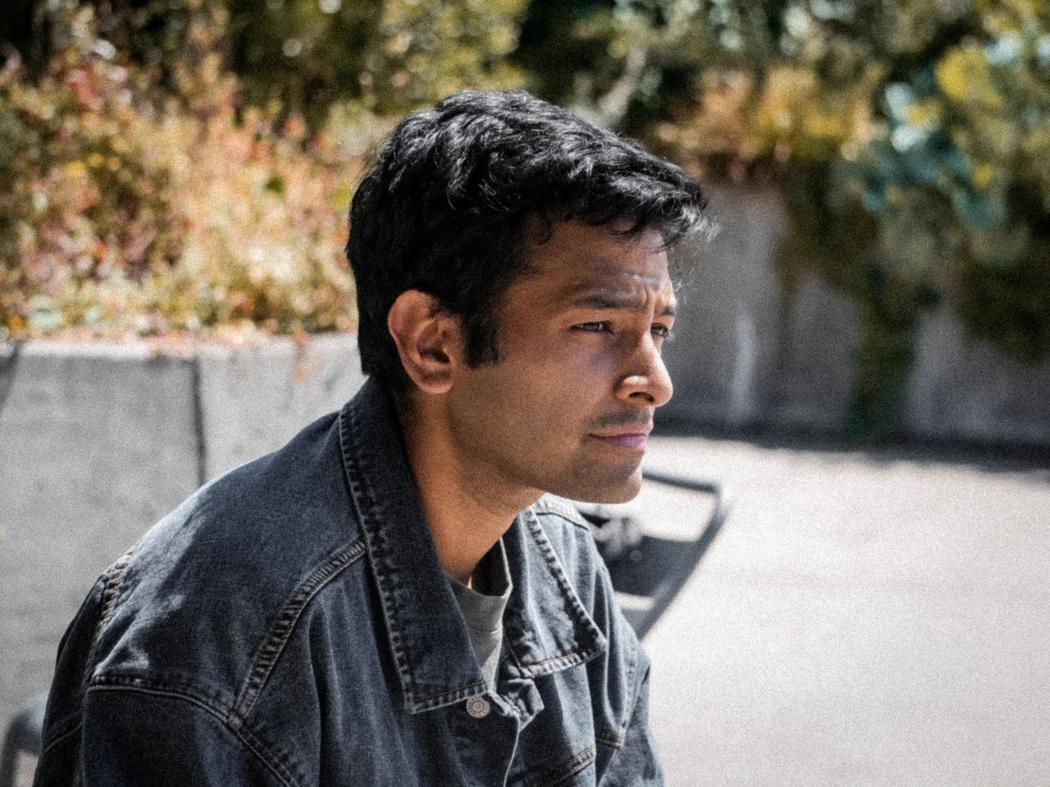 Tito Joao | Outside | 2025
You describe medicine as a role you were playing rather than living. How did that experience influence your understanding of acting and authenticity?
Medicine teaches you to be observant and curious, especially about people. It makes you understand that there is a reason behind everything, no matter how strange or irrational it may seem, and that you don’t need to judge it to try to understand it. I think that perspective helped me become more compassionate toward the world, whether it is real or imagined.
Studying and living in Bristol exposed you to many cultures and stories. How did that period transform you as both a human being and an artist?
Uff, Bristol is such a beautiful city, filled with art everywhere you couldn’t help but fall in love with the place. As a human being, it challenged me to step outside my comfort zone and face something completely different from my world. I arrived there with very little English and still in high school. It sounds like a crazy idea, but in that moment, I just thought, “Why not?” Only the crazy ones can conquer the world, right? Haha.
In Bristol, art was treated as something as essential as oxygen. I learned that we all carry art within us; what we discover later are simply the tools and languages to share it. That period taught me courage, curiosity, and the freedom to reinvent myself, and those lessons continue to shape the way I live and create today.
New York is often described as a city that either breaks or rebuilds you. How did your time at the New York Film Academy reshape your relationship with vulnerability and fear?
I’ve always loved New York. They say living here is for the brave, especially if you’re international like me. What scared me the most, and at the same time shaped me into a better person, was learning to open my vulnerability not only in my acting, but in who I am as a human being.
I will always be grateful to my professors, to my classmates from the first semester, and to the film students I worked with on their short films. They had faith in me; they saw something in me that I couldn’t yet see in myself, and they helped bring it out, making me a better person and a better professional. That is the greatest memory I carry from the New York Film Academy.
In the end, it’s all about continuing to work, to grow, and to keep becoming better than I was yesterday.
You’ve spoken about acting as an act of empathy rather than performance. How do you emotionally protect yourself while still going deep into difficult roles?
Knowing myself has been my greatest protection, learning what makes me who I am, and holding onto that whenever I need to return to myself, emotionally safe.
Leave a Reply
You must be logged in to post a comment.