
Fausat Olanike Ladokun
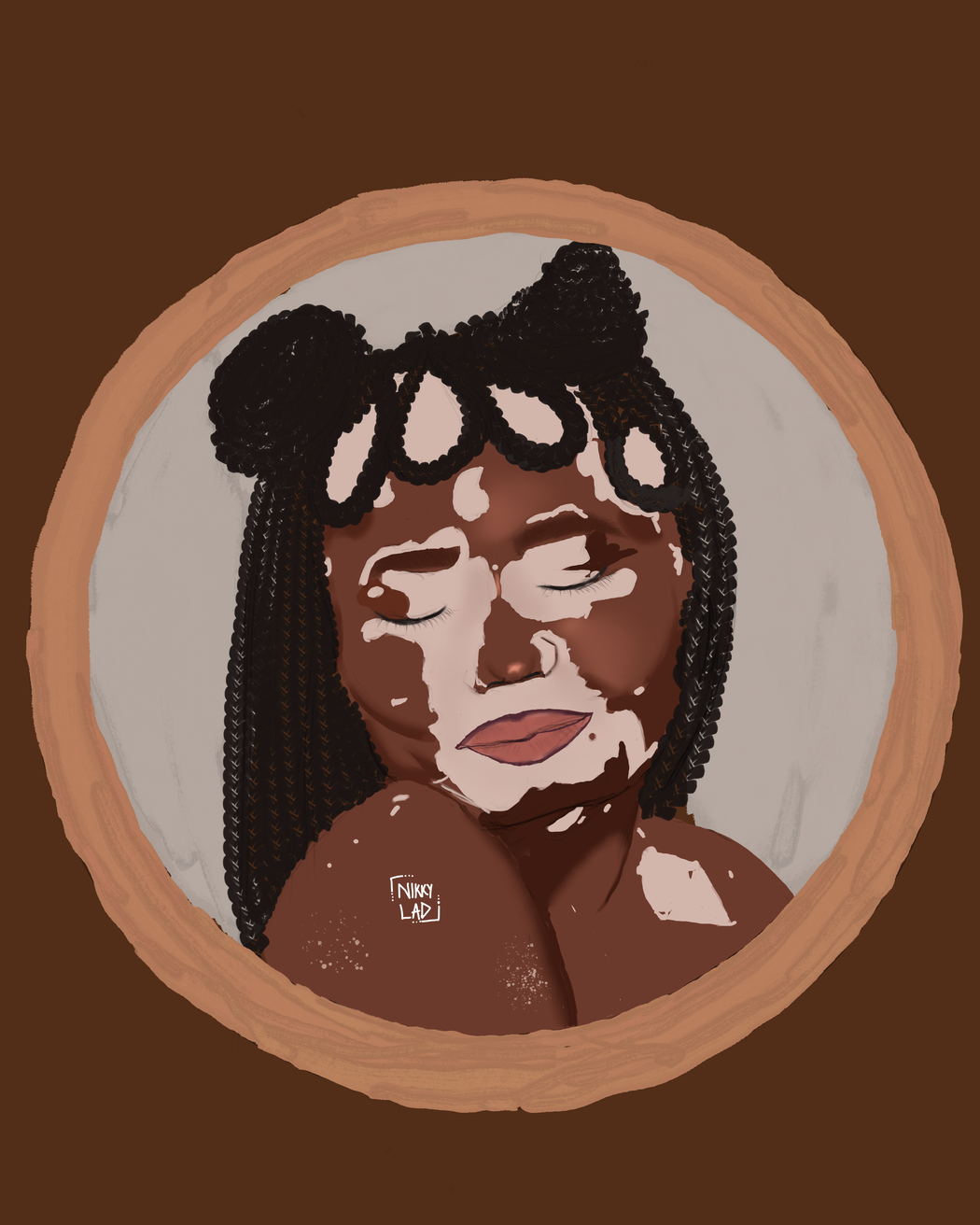 Fausat Olanike Ladokun | The Right To Be Seen, Vitiligo
Your portraits feel very intimate and calm. Can you describe the emotional state you hope viewers enter when they encounter your work?
I hope that when people see my work, they pause. I want them to take a quiet moment to look, without rushing to interpret or judge. That moment of calm is important to me because it allows the viewer to truly see the person in front of them, beyond their difference.
You focus on women with vitiligo, alopecia, and tribal marks — identities often absent or misrepresented in mainstream art. What first drew you to these subjects?
To be honest, it was the absence. These women are rarely shown in a gentle or respectful way. When they do appear, it’s often framed as something unusual or extreme. I wanted to create work where they are simply present; not explained or defended, but seen and admired for their difference.
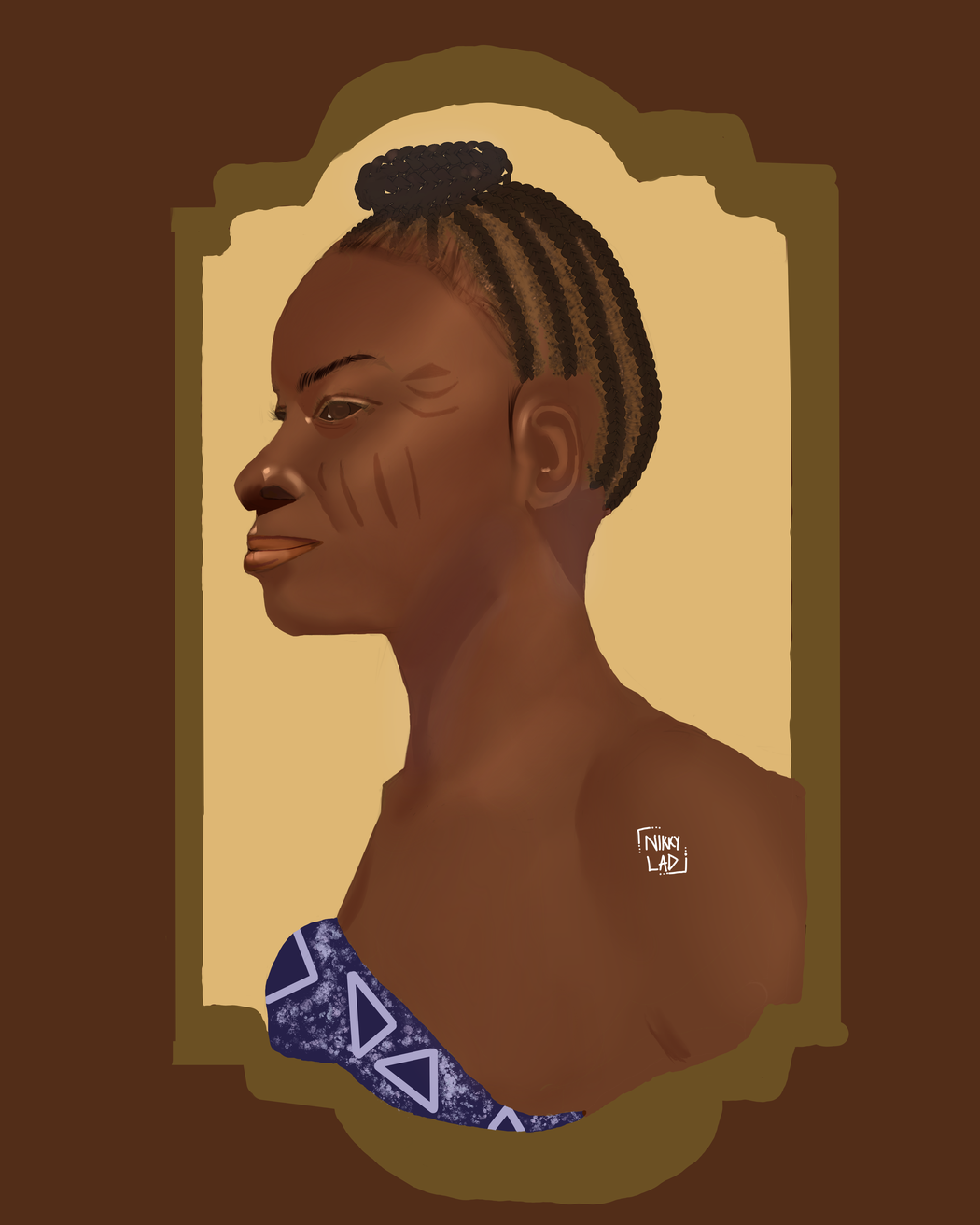 Fausat Olanike Ladokun | The Right To Be Seen, Facial Mark
The title “The Right to Be Seen” suggests both visibility and dignity. What does “being seen” mean to you on a personal level?
To me, being seen means not having to change or justify yourself to be accepted. It’s about being acknowledged as whole, without being reduced to one feature. On a personal level, that feels deeply freeing; and that’s the feeling I want my work to carry.
You mention choosing not to alter your subjects’ features. How does this decision challenge conventional digital beauty standards?
Digital art often pushes perfection, symmetry, and sameness. Choosing not to alter my subjects is my way of stepping away from that. It’s a reminder that beauty doesn’t need correction, and difference doesn’t need polishing to be worthy of attention.
How do your Nigerian cultural background and traditions influence your visual language and storytelling?
My Nigerian background shapes how I see the body; as something connected to history, culture, and identity. Things like tribal marks aren’t flaws; they carry meaning and memory. That understanding naturally shows up in my work and in how I tell stories visually.
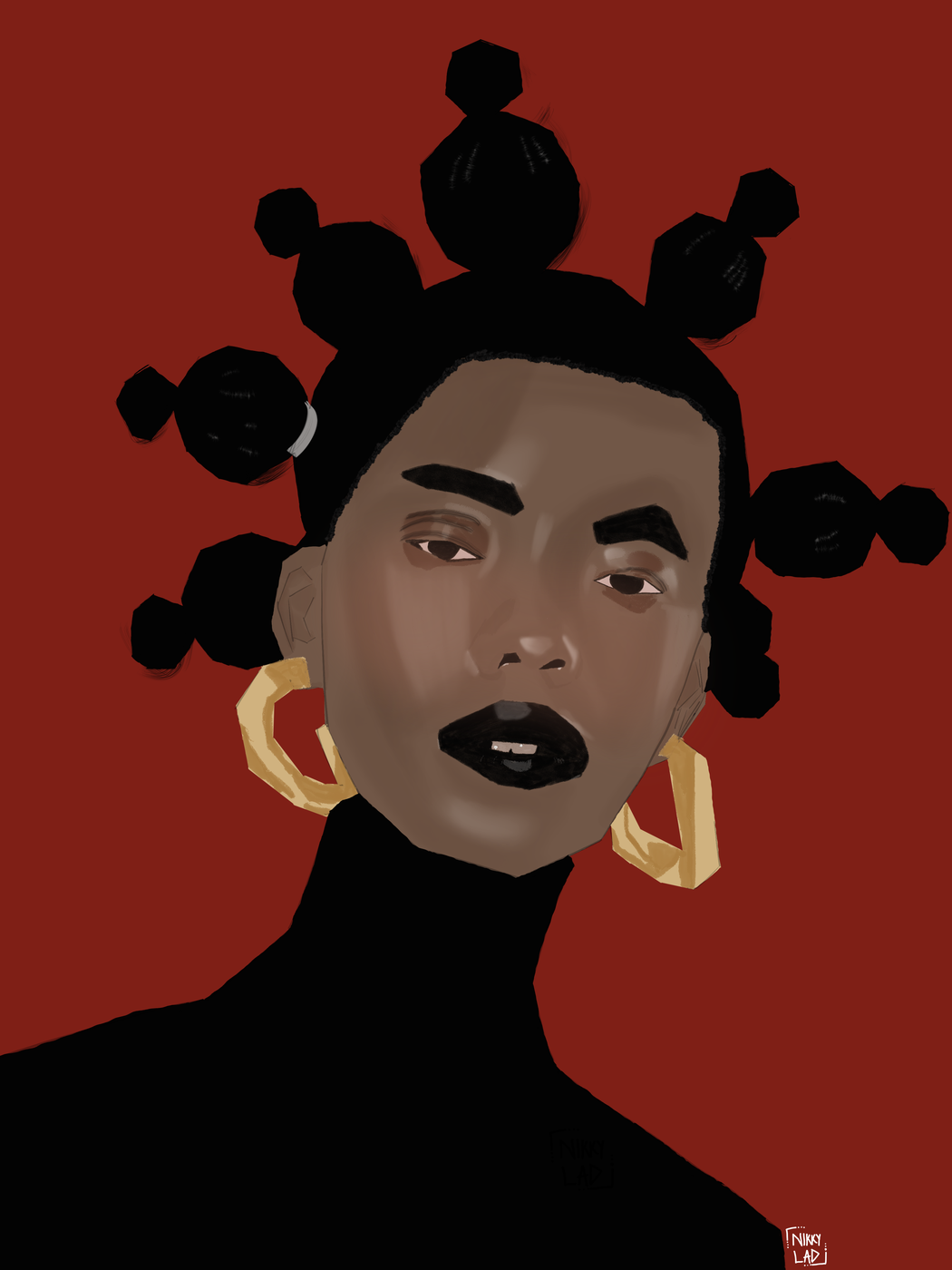 Fausat Olanike Ladokun | Back To Our Roots
Since starting your artistic journey in 2021, how has your relationship with womanhood and self-representation evolved through your work?
It’s become more gentle and honest. At first, I was very focused on expression and impact. Over time, I’ve learned to allow softness; to show women, including myself, without forcing strength or explanation. Just presence.
Do you see your work more as personal storytelling, social commentary, or a form of quiet resistance — or all three at once?
For me, it’s all three. It starts from something personal, but it naturally speaks to wider issues. And I see it as a form of quiet resistance; not loud or confrontational, but steady. Sometimes simply choosing who you show, and how you show them, is powerful enough.
Leave a Reply
You must be logged in to post a comment.