
Art bureau Absurd
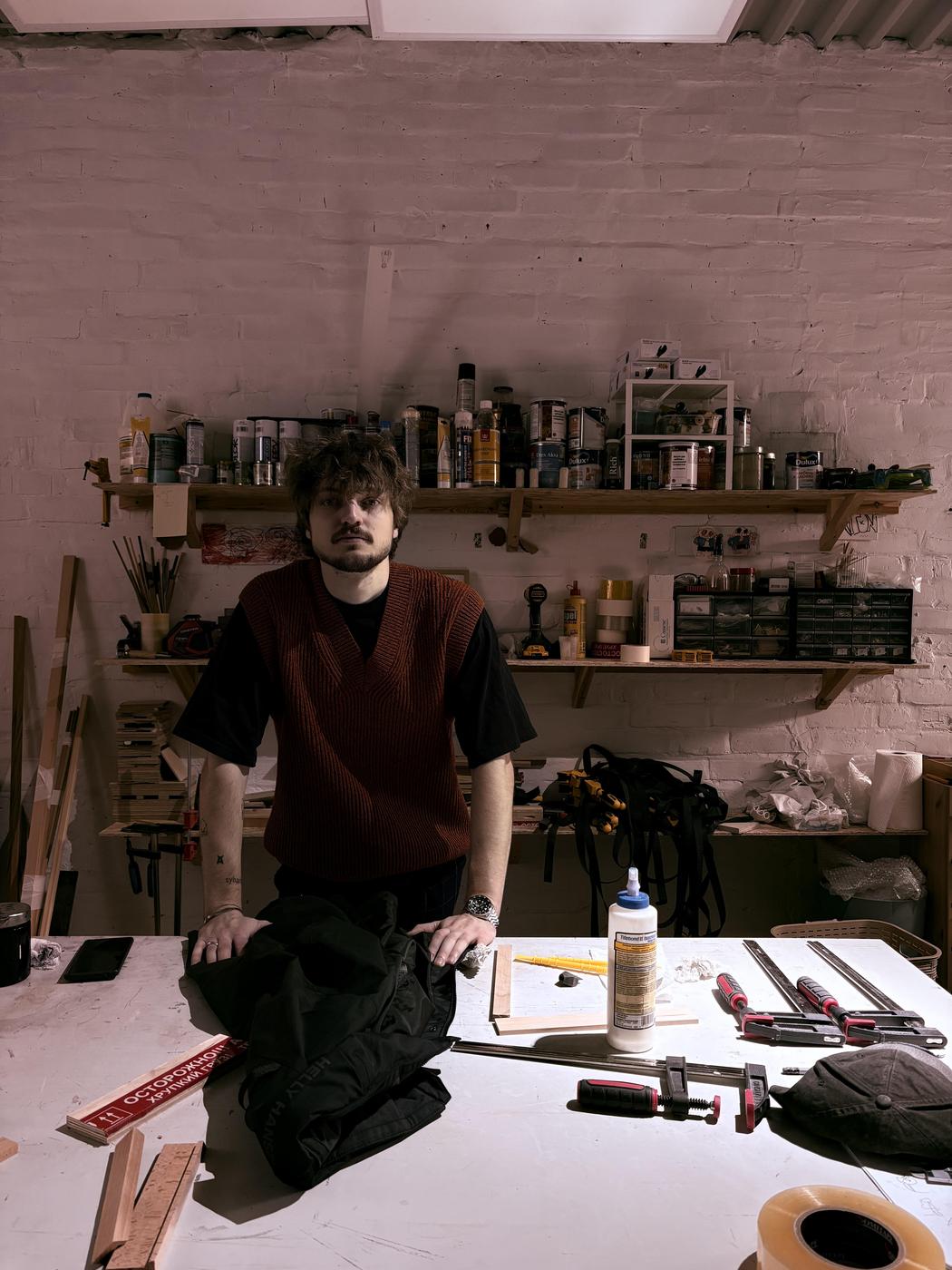
You describe yourself as a self-taught artist who “lives” in the digital realm rather than simply working in it. How did this way of living inside digital space shape your visual language over time?
Yes, that’s absolutely right. Today the entire world—every individual—is part of the digital environment, and I am no exception. I have always viewed digital innovations positively, as I see them as offering limitless possibilities for an artist to realize ideas and thoughts. Since I began bringing my concepts into the digital space, I have started paying greater attention in my works to fine details, the depth of the images, and the meaning I embed in every element of the composition. So if you notice a particular stroke or spot, know that it is not accidental—there is a continuation of my thought within it as well.
Childhood imagery appears strongly in your work – toys, simple figures, playful forms – yet the atmosphere often feels unsettling or melancholic. Why is this tension between innocence and discomfort important to you?
I believed—and still believe—that children’s drawings possess a genuine energy and power; I see depth in simplicity. Abstraction and unpretentious forms play with the viewer’s perception, prompting them to discern what lies hidden behind surface naïveté. I deform familiar images from childhood to a degree that evokes a subtle sense of unease and discomfort. I always emphasize that my works operate on two levels of perception. The first is visual contact with the piece; the second is reflection. The first is guided by childlike naïveté, while the second is shaped by a melancholic thought concealed behind a bright façade. Through this tense coexistence within my works—innocence and discomfort—I allow my idea to be read through entirely different paths, so each viewer sees something of their own, in their own way. I do not seek to impose my vision; rather, I invite the viewer to choose their own path when engaging with my works.
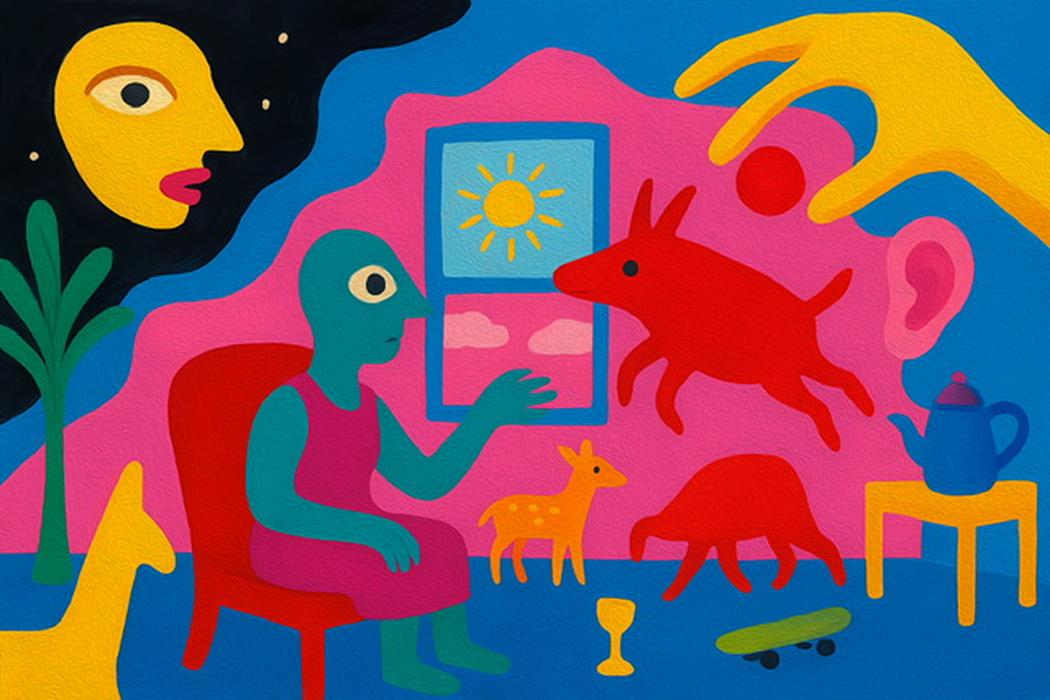 Art bureau Absurd | State Of Dream | 2025
State of Dream is described as a three-part journey through different phases of the dreaming mind. How did you define these phases, and did they emerge intuitively or conceptually?
“State of Dream” is an intuitive triptych designed to immerse the viewer in the chaos of our dreams. I would prefer not to speak in more detail about each of the three works, as I want everyone to discover something of their own.
Dreams often feel deeply personal but strangely universal. When working with dream symbols, do you think more about your own subconscious or the collective experience of dreaming?
In this triptych, I drew upon my memories, desires, fears, and emotions—purely personal experience.
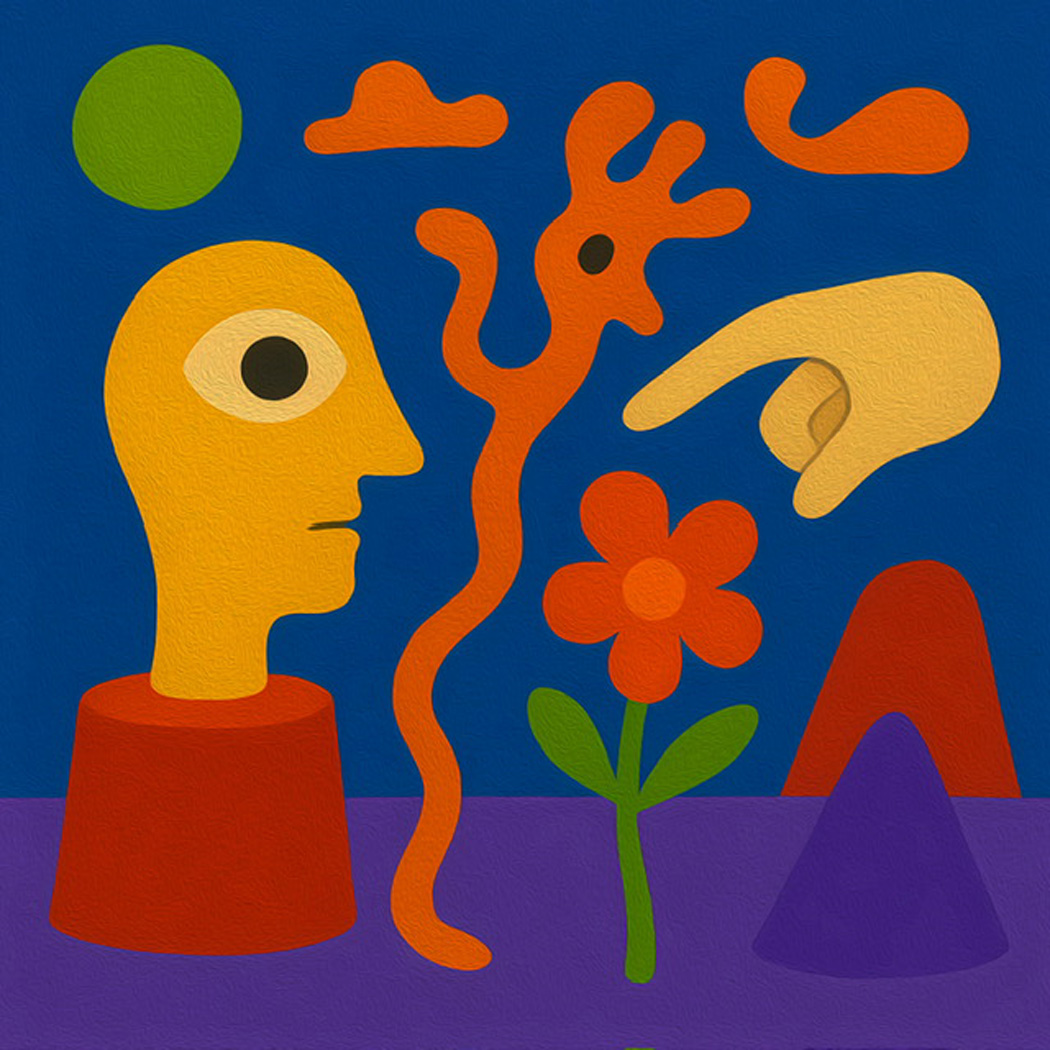 Art bureau Absurd | State Of Dream | 2025
Your color palette is bold, saturated, and almost childlike. How do you choose colors, and do they carry emotional or symbolic meaning for you?
Yes. Color plays a very important—if not the central—role in my work. I deeply admire the art of modernists and abstractionists; the way they worked with color is truly monumental. I share Kandinsky’s view that color directly affects human emotions. That is why the entire color palette in my works is intentional, and its primary purpose is to draw emotions out of the viewer.
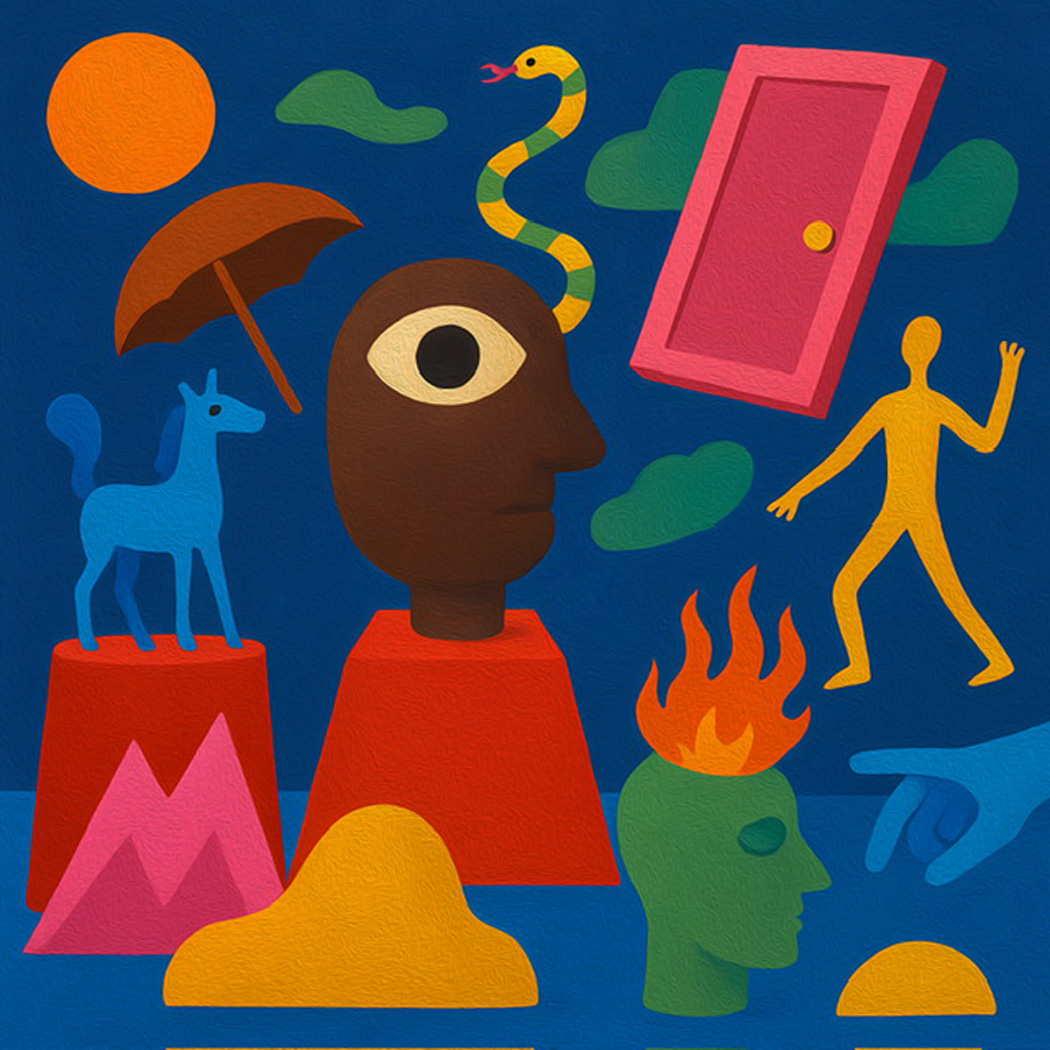 Art bureau Absurd | State Of Dream | 2025
Your work balances humor, absurdity, and existential unease. Do you see these elements as tools to protect the viewer, or to confront them more directly?
By no means do I seek to protect the viewer, however selfish that may sound. The combination of the incompatible gives rise to thought processes. That is why I aim to confront the viewer with my works face to face.
Leave a Reply
You must be logged in to post a comment.