
Evgeniya Korkunova
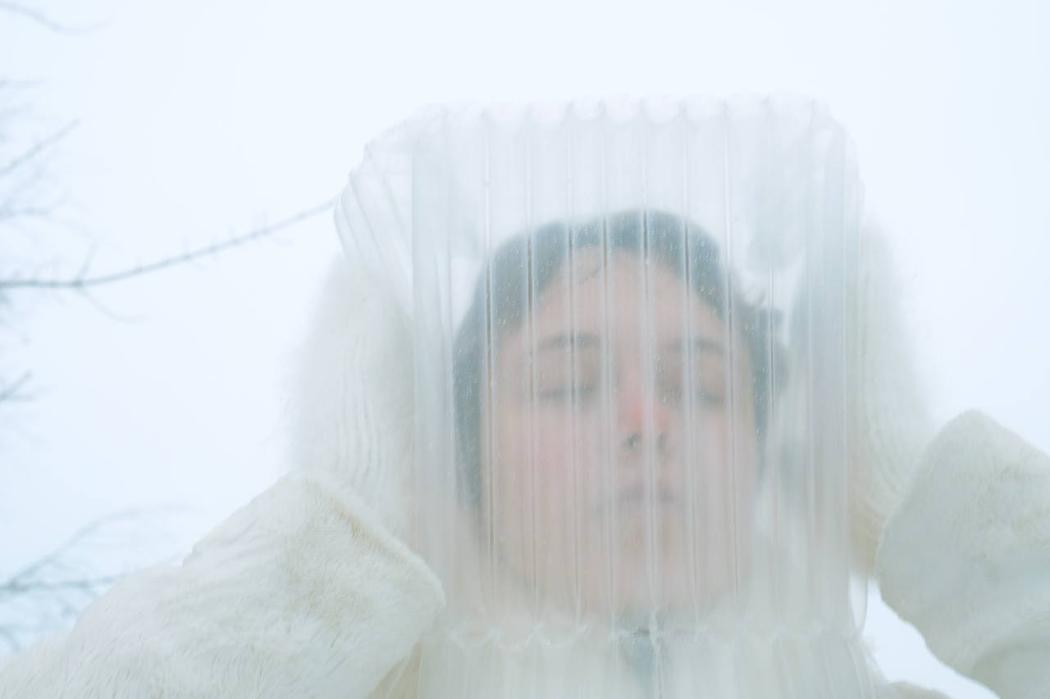 Evgeniya Korkunova | Vacuum
Your work often combines minimalism, surrealism, and sensuality. What inspires you to blend these elements, and how do you balance them in your compositions?
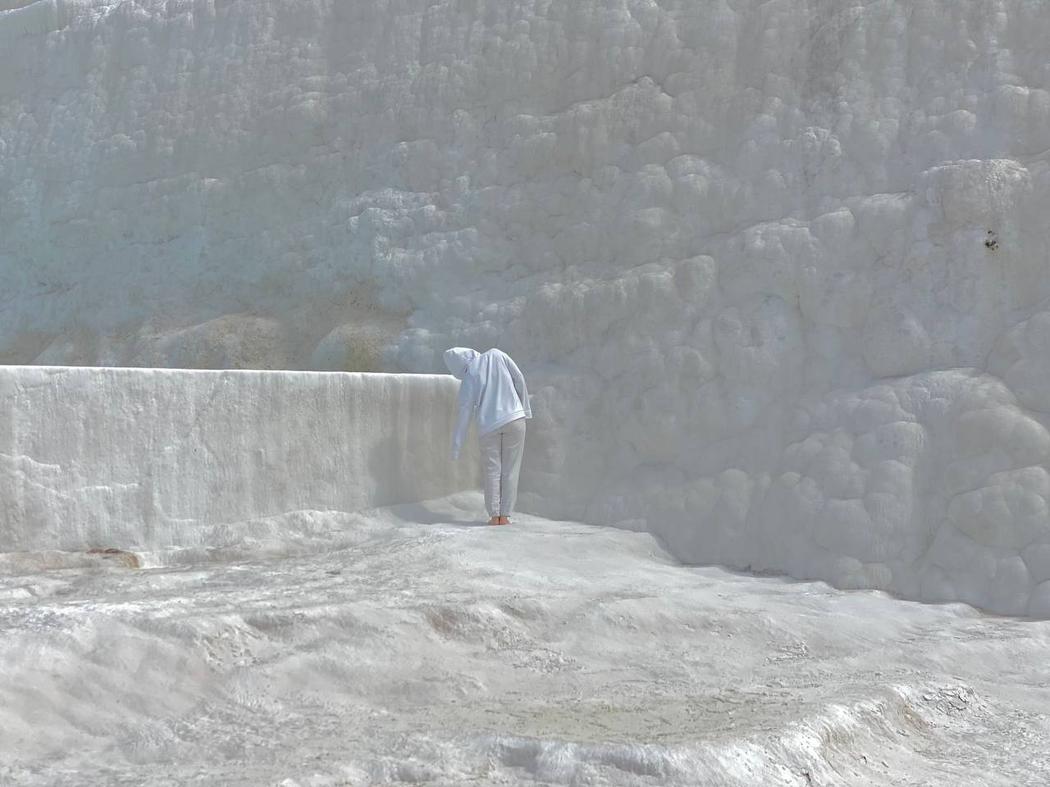
I suppose it’s obvious, that artist’s works reflect his perception of reality in common. When speaking about minimalism I always try not to “overweight” the work: it often has one main accent, and supportive objects. And I often leave the place for a small miracle, a surreal one, and it becomes accented on its own. Sensuality is my daily routine that I’m living with) By the way, this is the theme of my current project “Oversensitive” that I’ve started recently.
Many of your pieces are set in nature and use soft natural light. What draws you to work in natural environments, and how do you choose your locations?
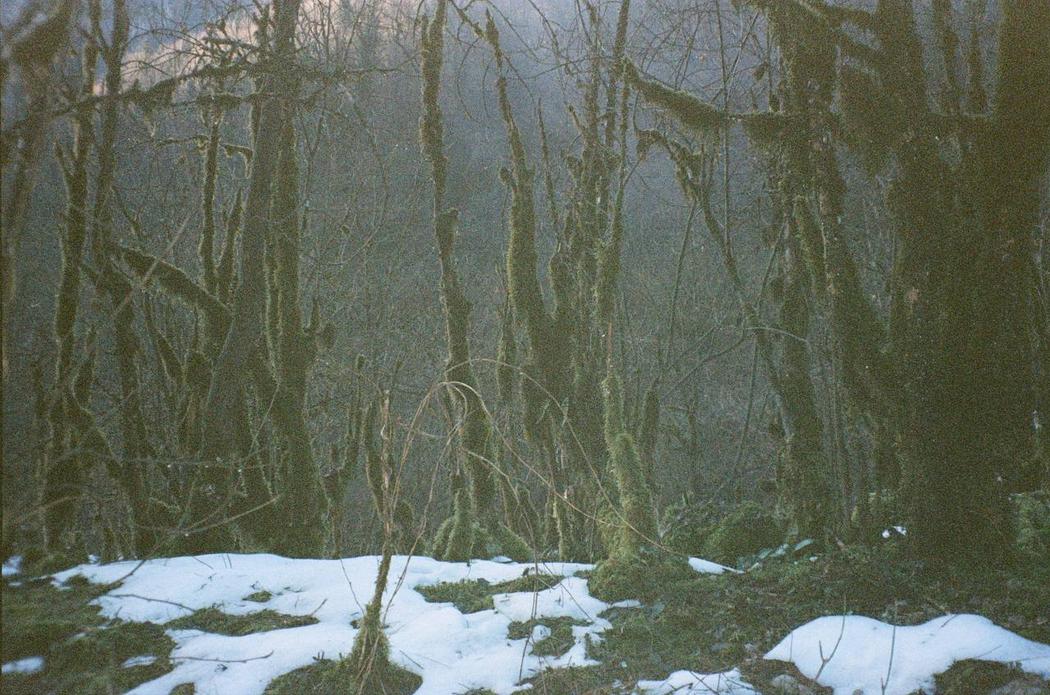
Nature location is where my inspiration comes from, that’s why I start thinking the idea over with the Place. Nature, its colours and textures is the endless source of inspiration for me. No matter which season is now, the weather conditions just help me to realise the concrete idea.
The location scouting is an important part of creative process, it’s like to find the main hero. And when you find the suitable place, that you began to fill the space with your vision, make it 3d.
In your installations, objects often take on symbolic roles. Could you share an example where an object became central to the meaning of a project?
If we talk about still life and making installations for them it’s a little different. It’s fully intuitive process for me. When dealing with objects you follow your vision and viewing experiences, picking up the opposite objects that may unexpectedly match with one another by the form or texture. It becomes a sort of meditation for me, so it reflects my current condition. To me the most vivid images that became the characters of their own are the works from my first project I am.
How did your background in documentary photography influence your current artistic voice and vision?
First and main thing is catching the moment. Following the impulse, inner voice, intuition- whatever it is called. When you capture the street scenes this is the most important – to react immediately, not to think whether it’s needed or not – just push the button.. Even if it seems strange at first sight – trust the voice).
You’ve collaborated with various artists across different regions. What do these collaborations bring to your practice?
All of them influenced in their own way, but it always has been a self-discovery.. Sometimes it was a kind of therapy, sometimes a real challenge that you should go through. But in the end the result has always been valuable.
I remember our mentor’s statement: “You’re in the woods, you have sticks, leaves and 2 hours left: give me a masterpiece”. At least it makes you think hard, as a result – stresses your imagination.
All this experience formed me and gave the basis, how to approach to the idea.
How do you know when a project is finished, especially when it starts as an intuitive journey?
To be frank I never feel it’s finished. Sometimes my projects find the continuation in the next ones. Some of them grow from one another. So answering the question – it’s still exist intuitively)
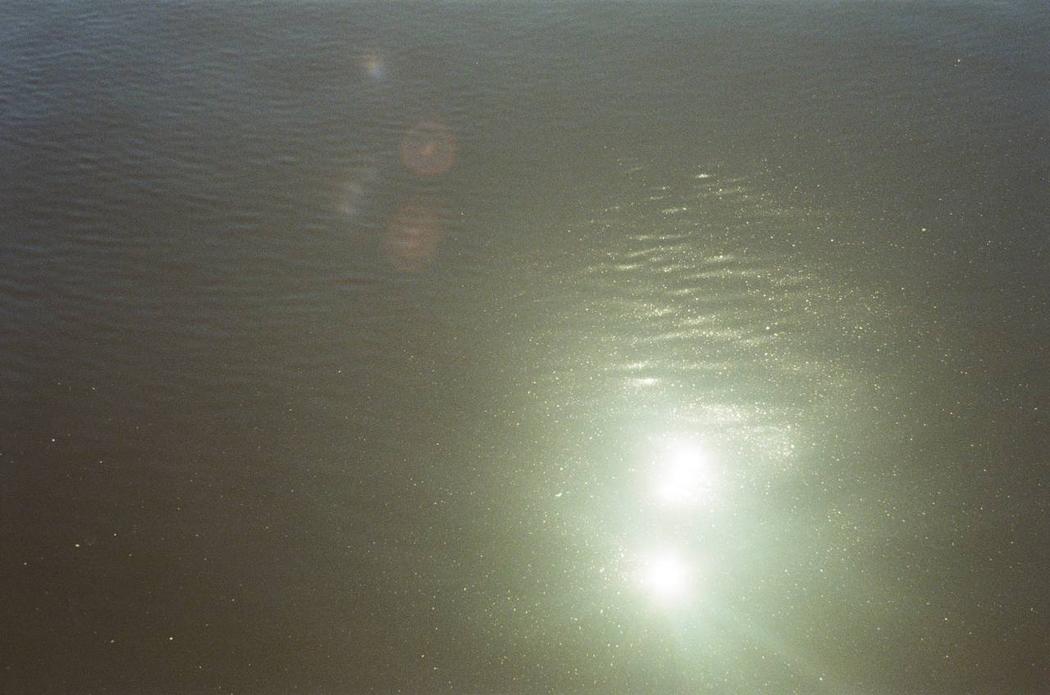 Evgeniya Korkunova | The Flash
What role does the viewer play in your art? Do you aim to provoke specific reactions, or do you prefer to leave space for personal interpretation?
The most precious thing for me as for the artist is to touch the soul in some way. Let it be the intimate, personal experience of the spectator himself, I don’t want to impose any points. The last thing I want is to declare something literally «head-on». For me this kind of “literature” makes visual art insufficient and useless: if you can’t make the viewer feel something when looking at your work, why doing it?
I wish I could make the viewer feel and make this dialogue memorable…
Leave a Reply
You must be logged in to post a comment.