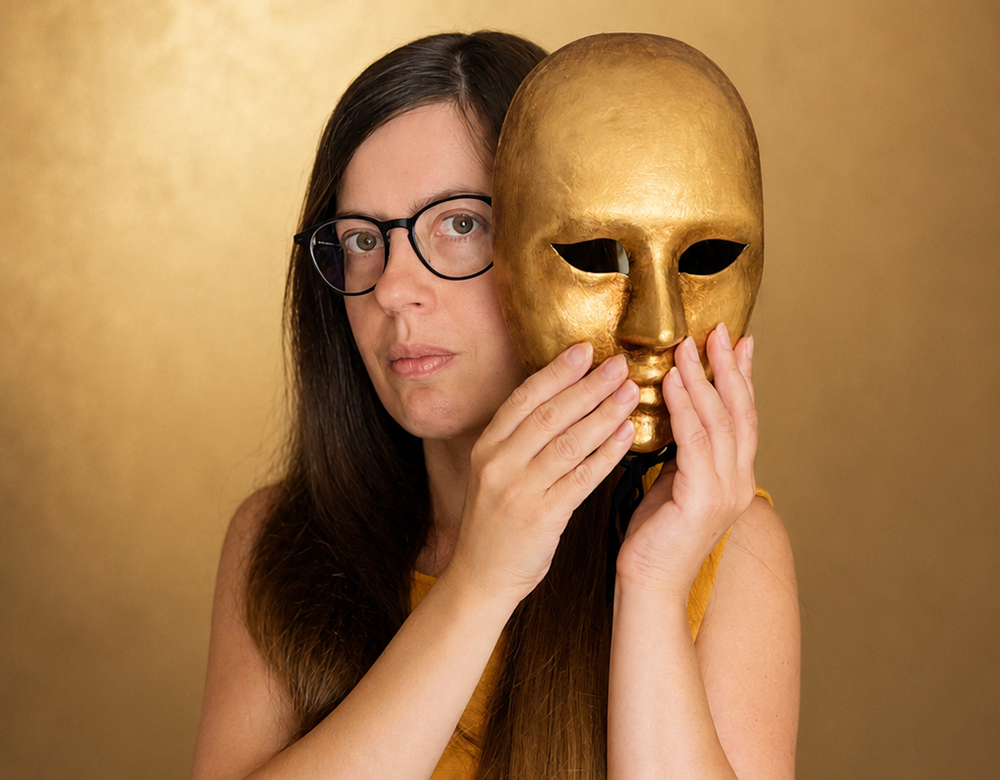
Jessica-Lynn Veley
What first drew you to textile work, and how did your interest in making garments develop into JLV The Label?
I started crocheting as a child, so working with textiles has been part of my life for quite some time. Over the years, that interest expanded into garment making and experimenting with different techniques and materials.
JLV The Label originally started as a lingerie brand, primarily focusing on more traditional lingerie pieces. As I continued designing, I began incorporating crochet into my work and exploring how it could be used beyond its more conventional applications. The brand has gradually expanded into more experimental designs, but lingerie and corsetry remain an important part of its foundation.
In the photographed pieces, the skirt’s framework becomes a visible part of the design. What interested you in exposing a structure that would traditionally be hidden beneath fabric?
I’ve always been interested in taking elements from historical fashion and finding ways to incorporate them into more modern designs. The cage skirt is traditionally something that would be concealed beneath layers of fabric, but I liked the idea of leaving it exposed and making it part of the garment itself. It’s a way of using a more traditional silhouette while giving it a completely different look and purpose.

Your designs combine structured corsetry with handcrafted crochet. What does bringing these different techniques together allow you to express?
I like the contrast between the two techniques. Corsetry is very structured and precise, while crochet allows for more flexibility in terms of texture, shape, and detail. Combining them gives me the freedom to experiment with different silhouettes while still maintaining the construction and fit that originally drew me to lingerie design. I also like the idea of taking something like crochet, which is often associated with a more traditional or even kitschy hobby, and reworking it into something more avant-garde and fashion-forward. It’s interesting to challenge those associations and show how a technique that’s been around for generations can have a place in more contemporary, unconventional fashion.
The crocheted flowers appear across the open framework of the skirts. How did you develop their placement, scale, and relationship to the overall silhouette?
The placement was largely a process of experimenting with what worked visually against the structure of the skirt. I wanted the flowers to be substantial enough to stand out individually without overwhelming the overall silhouette. The open framework also allowed me to work with larger, heavier crocheted appliqués that wouldn’t necessarily be practical on a traditional fabric skirt due to their weight. Having that structural support gave me more freedom to experiment with the scale and placement of the flowers while maintaining the overall shape of the garment. I also liked the contrast between the rigid, geometric structure of the cage and the softer, organic shapes of the crochet.

The garments combine transparency with sections of dense textile detail. How do you decide what to reveal, what to cover, and where to direct the viewer’s attention?
A lot of it comes down to balance and how the different elements work together. Corsets and cage crinolines have historically been worn together, so the combination itself isn’t necessarily new. I’ve just taken a more revealing, lingerie-inspired approach to how they’re presented. With my background in lingerie design, transparency is something I’ve always worked with, so I don’t necessarily approach it as a matter of what needs to be covered or revealed. I’m more interested in how the placement of different materials affects the overall look. With these pieces, I wanted the crochet to stand out without taking away from the exposed structure of the garments. The contrast between the heavier floral details and the openness of the cage allows both elements to be appreciated individually while still working together as a complete design.
These photographs bring your garments into a setting of carved stone and greenery. How do location and photography contribute to the way you want the work to be experienced?
I think location and photography play a big role in how a garment is perceived, especially with more unconventional designs. I liked the contrast between the architecture, natural surroundings, and the garments themselves. The combination of the corsetry, cage skirts, and carved stone gives the photographs an almost regal quality, which I think complements the overall silhouettes. I wanted the images to have that sense of grandeur without feeling overly theatrical or like a period piece. The setting adds to the visual impact of the garments while still allowing the designs themselves to remain the focus.

Through JLV The Label, what would you like to explore next that your current techniques or materials have not yet allowed you to achieve?
I’d really like to continue pushing myself creatively and experimenting with materials and techniques I haven’t worked with before. A lot of what I make comes from having an idea and figuring out how to actually bring it to life, which often involves quite a bit of trial and error. Sometimes the materials don’t behave the way I initially envisioned, but that process usually leads me to approach things differently or discover something I wouldn’t have considered otherwise.
I’m particularly interested in continuing to explore crochet on a larger, more sculptural scale and seeing how far I can take it beyond what people typically associate with the technique. I’d also love to experiment further with unconventional silhouettes, different forms of garment construction, and the relationship between fashion and wearable art.
I think one of the things I enjoy most about having JLV The Label is that I’m not restricted to designing within one particular category. Although the brand began with lingerie, it’s gradually become an outlet for a much wider range of ideas, and I want to continue allowing that to happen naturally. I don’t necessarily know what every future collection or project will look like, and I actually prefer it that way. My interests are constantly evolving, and I’d rather continue challenging myself and trying things I haven’t done before than feel obligated to stick to one particular style. Ultimately, I want to keep creating pieces that interest me, even if figuring out how to make them is half the challenge.