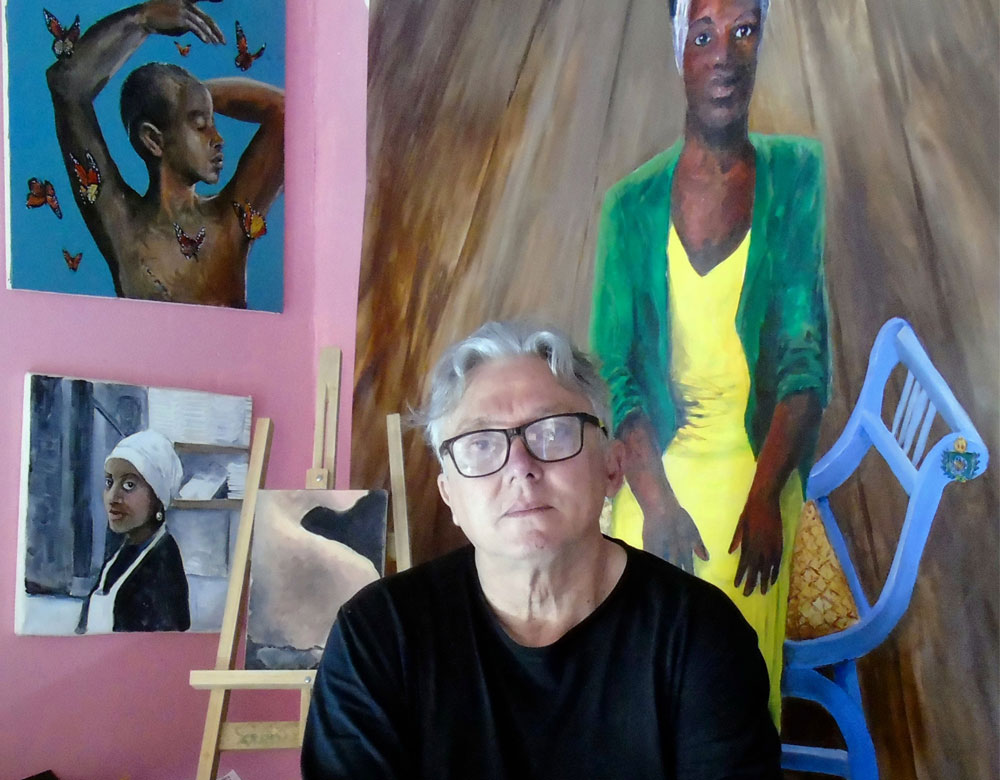
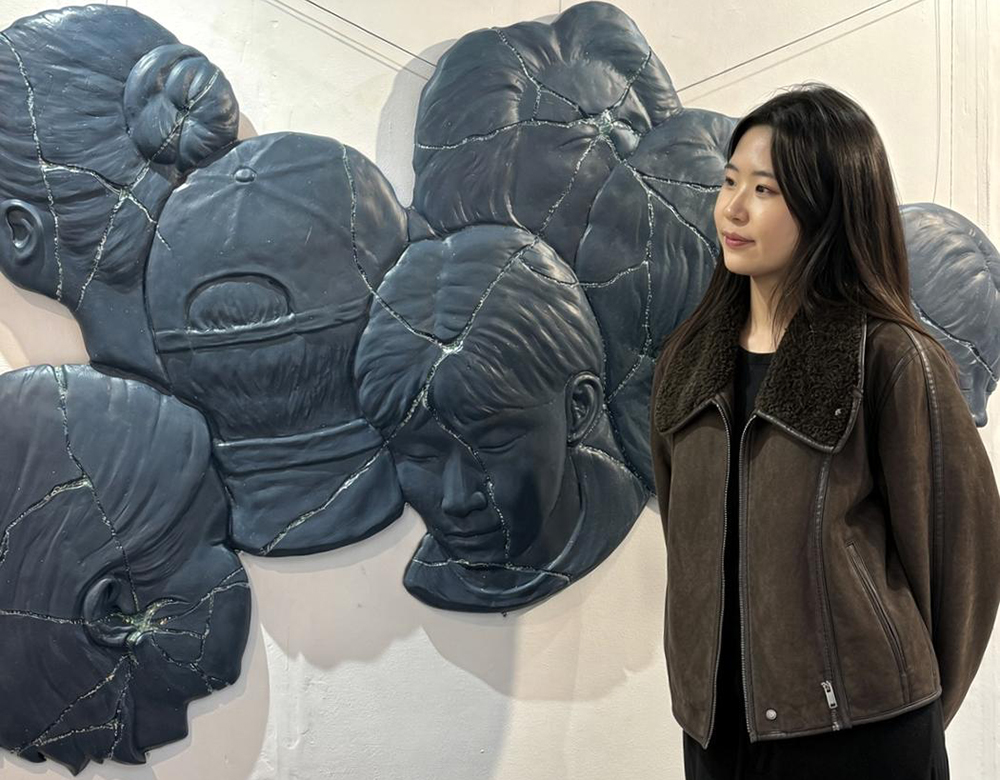
Ian Kim
What first drew you to sculpture, and how did your studies at Kookmin University shape your artistic approach?
Influenced by my father, who is a sculptor, I grew up naturally surrounded by clay, three-dimensional forms, and sculpture from an early age. As I got older, I explored many different areas of art, but those early experiences remained with me. My growing interest in three-dimensional work eventually led me to choose sculpture as my major when preparing for university.
At Kookmin University, I studied alongside many art students who, like me, dreamed of becoming artists. During this time, I was introduced to 3D modeling for the first time and became deeply interested in both digital modeling and sculpture. At first, I was strongly drawn to new techniques, materials, and methods of making. However, as I progressed through university, I began to think more deeply not only about how to make something, but about what I truly wanted to communicate through my work.
Through numerous school projects, exhibitions both inside and outside the university, and the process of preparing work for my graduation exhibition, I became increasingly certain that the theme I was most drawn to was hope. In particular, I wanted to create works that could offer viewers a sense of possibility even in moments of uncertainty, rupture, and change.
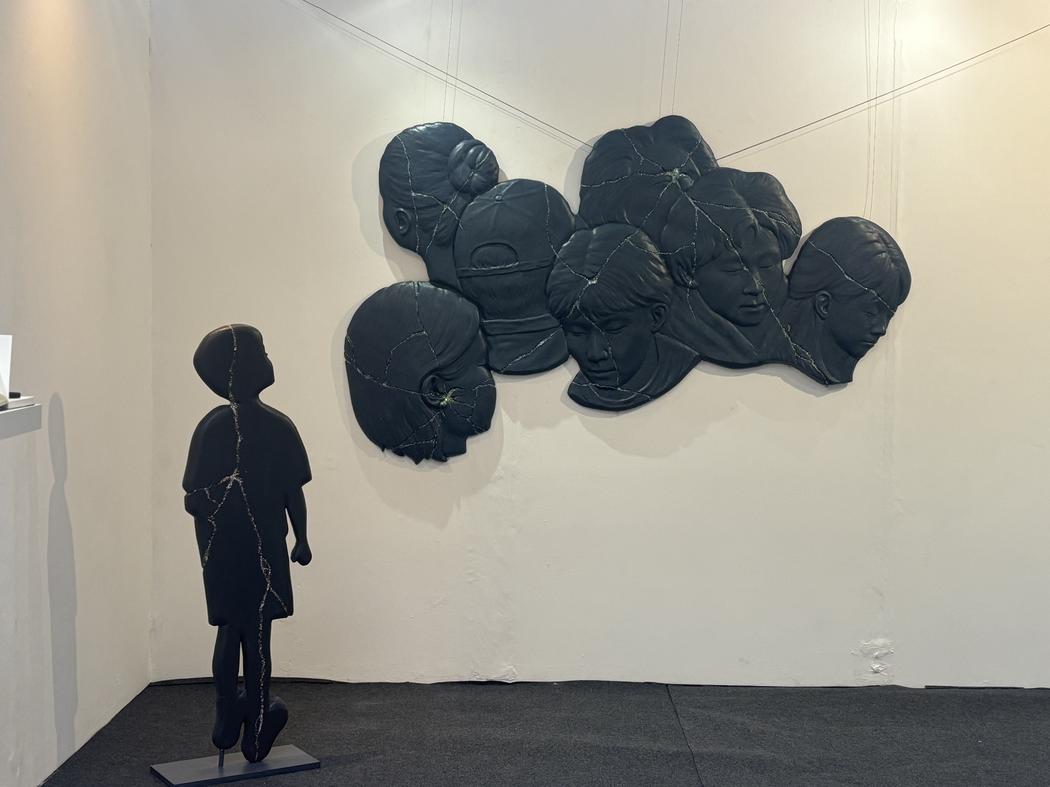 Ian Kim | Boy And Echo
How did the idea for EXIT emerge, and what made rupture and transformation its central themes?
In the year I began developing this work, I experienced moments when things that had always felt familiar and close to me relationships, beliefs, dreams, and even the way I saw myself suddenly seemed to fall apart. At first, those moments felt like endings. However, I gradually became interested in the possibility that such ruptures could also become the beginning of something new.
This idea eventually developed into the central concept of EXIT. I wanted to explore a moment in which destruction and creation exist at the same time—to create what I think of as a beautiful rupture.
For me, an “exit” does not simply mean escaping from something. It can also mean discovering another path that was invisible before the rupture occurred.
Through this work, I wanted to suggest that even in moments of instability or failure, the possibility of transformation can still exist. Ultimately, I wanted to tell a story of hope—the hope that a crisis can become an opportunity for change.
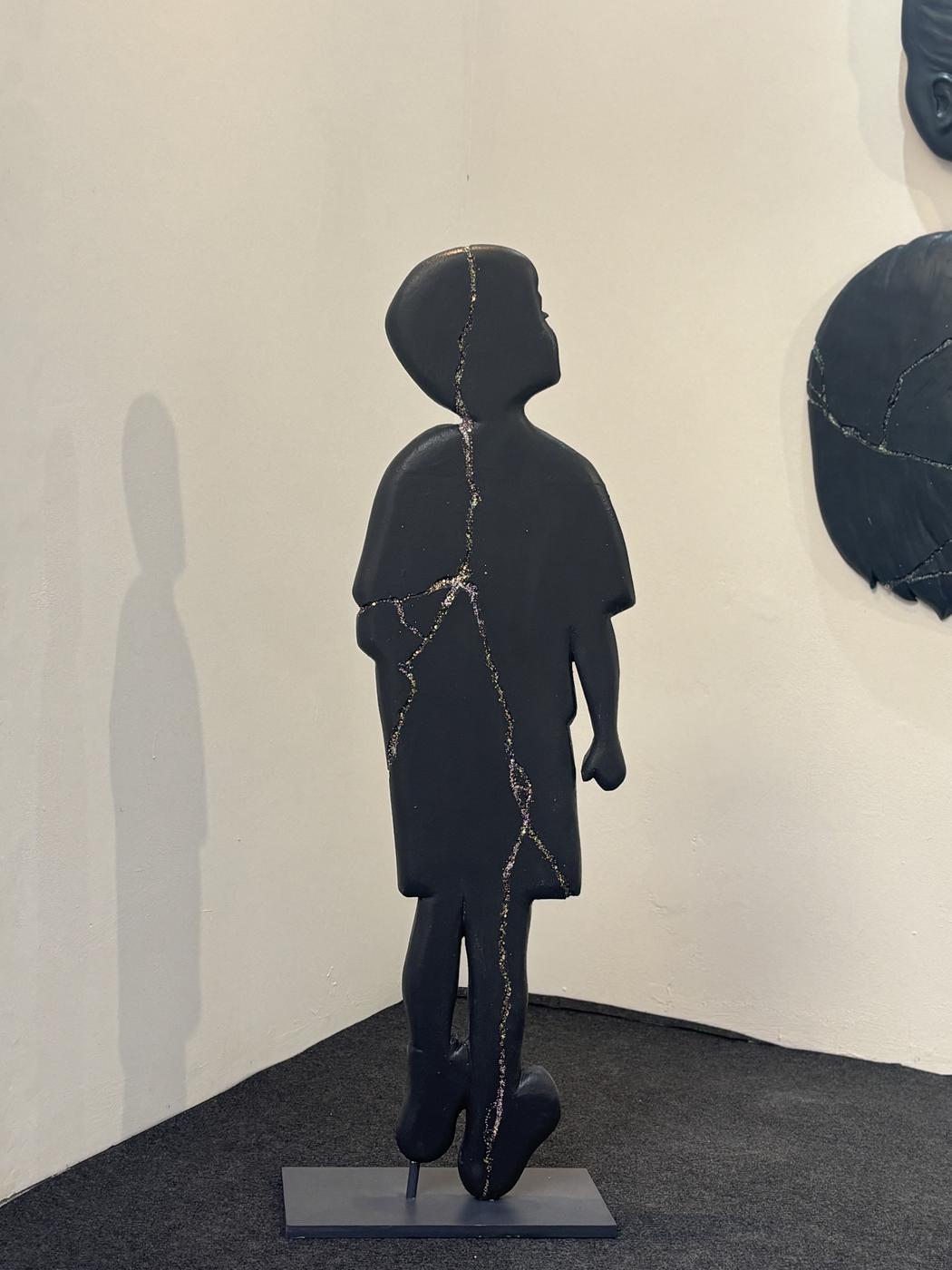 Ian Kim | Boy | 2025
Your statement opens with a passage from Hermann Hesse’s Demian. How did this text influence your work beyond the metaphor of breaking out of an egg?
This passage from Demian stayed with me because it describes destruction and birth as processes that cannot be separated from one another.
What interested me was not simply the image of breaking out of an egg, but the idea that in order to become something new, we may first have to go through the collapse of a previous world. Growth can sometimes be uncomfortable and frightening, but it can also become the force that allows us to leave behind what once felt familiar and safe and move forward.
This way of thinking became deeply connected to how I approached EXIT. A rupture may initially appear to be a trace of damage, but at the same time, it can also become an opening—a new passage.
Through this passage, I came to see destruction not as the opposite of creation, but as something that can exist within the creative process itself.
The three works in EXIT explore the possibility of a new beginning. How do they relate to one another, and what does each contribute to the project?
The three works Boy, Echo, and Self show different presences within the process of rupture and transformation, while also connecting together as a single narrative.
Boy represents both my younger self and, in a sense, my present self as well. It carries a message of encouragement for pure dreams, hope, and possibility.
Echo moves beyond the individual and connects outward toward other people, contemporary society, and the idea of community. It reflects my hope that a sense of possibility can extend beyond a personal moment and continue to resonate within many people, like an echo.
Self invites viewers to turn their gaze inward. As they look into the cracked mirror, they are encouraged to confront themselves and ask what remains, what has disappeared, and what kind of new self might emerge afterward.
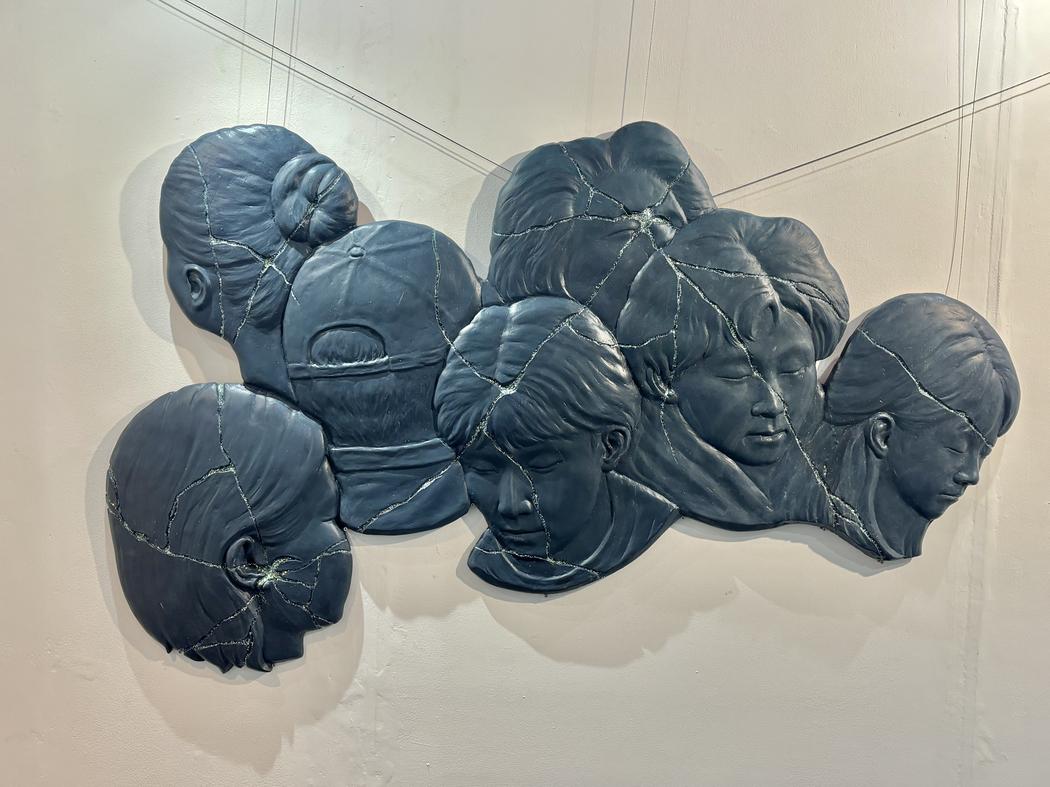 Ian Kim | Echo | 2025
You describe your materials as both solid and fragile. How do you choose them, and what possibilities does this tension offer you?
I am interested in forms and materials that contain contradictory qualities at the same time. A sculpture may appear solid, stable, and long-lasting on the surface, while still carrying the possibility of cracking, breaking, or falling apart. I find this contradiction very similar to human life.
We often try to maintain a sense of stability on the outside, while internally we are constantly changing, questioning ourselves, and sometimes going through a process of recovery. The epoxy resin and EPS used in EXIT also carry these qualities through their surface, weight, fragility, and potential to crack. The vulnerability of the materials themselves reflects the idea that instability does not necessarily mean weakness.
What discoveries or challenges during the making of EXIT changed your understanding of the project?
One of the most important things I discovered while creating EXIT was that I could not fully control the work.
In sculpture, forms often change during the making process, surfaces can react in unexpected ways, and sometimes accidental results can feel more meaningful than what was originally planned.
At first, I tended to see these moments as problems that needed to be corrected. However, because EXIT itself is a work about rupture and transformation, the unexpected changes that occurred during the making process became naturally connected to the concept of the work. This experience also changed the way I think about failure. Rather than seeing failure simply as something negative, I began to consider what new possibilities might emerge from it.
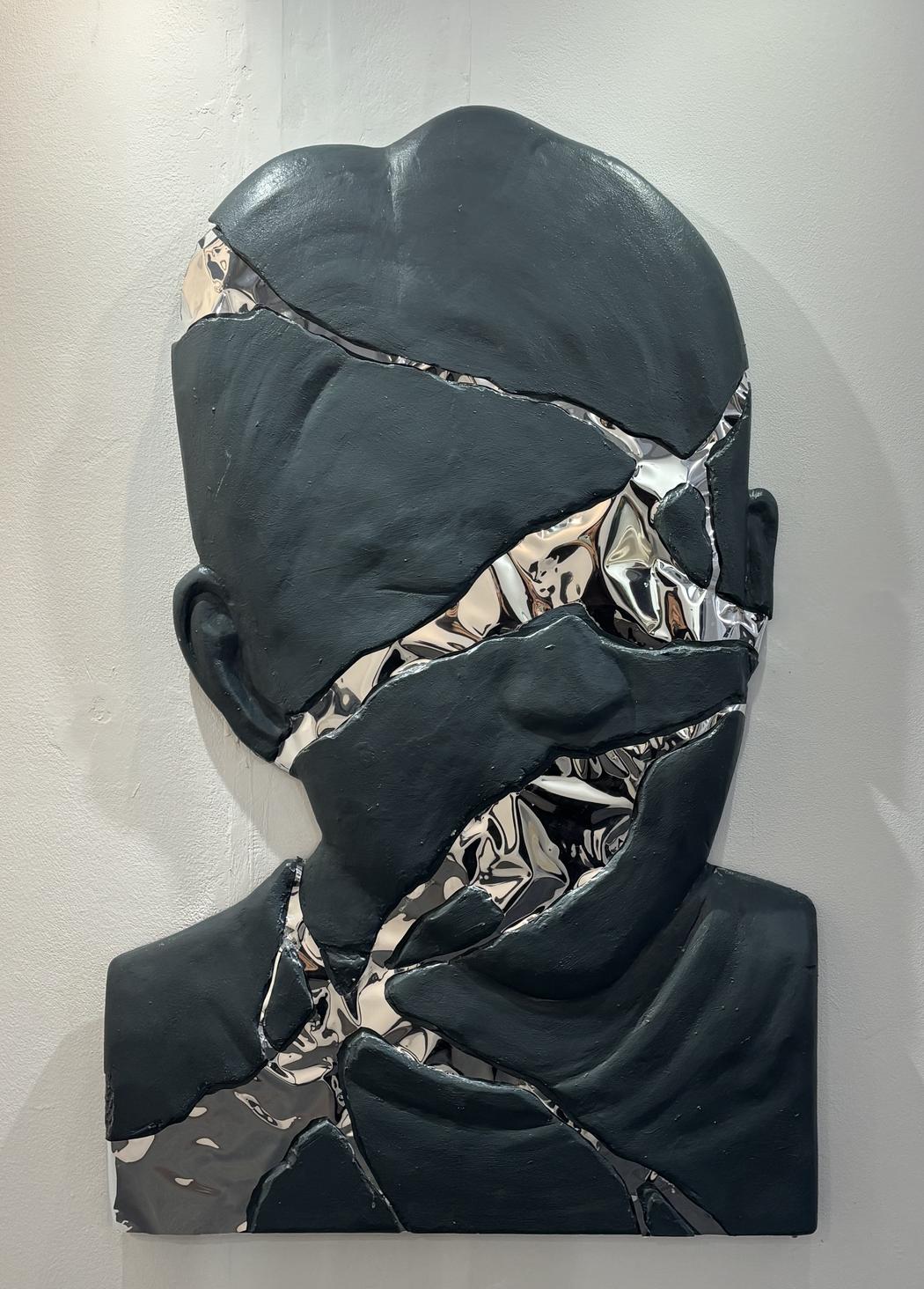 Ian Kim | Self | 2025
What role does the viewer’s own experience play in interpreting your work? How much room do you leave for meanings beyond your original intention?
I believe the viewer’s personal experience plays a very important role in interpreting the work. Although EXIT began from my own personal story, I think anyone can bring their own experiences of change, loss, and failure into the work. Because of this, the idea of a “rupture” can carry a completely different meaning for each person.
Rather than offering a single answer, my intention is to create a space where viewers can bring their own memories and experiences into the work. If someone encounters EXIT and begins to see a difficult moment in their life not simply as an ending, but perhaps as the beginning of another path, then I believe the work has already expanded beyond my original intention.