
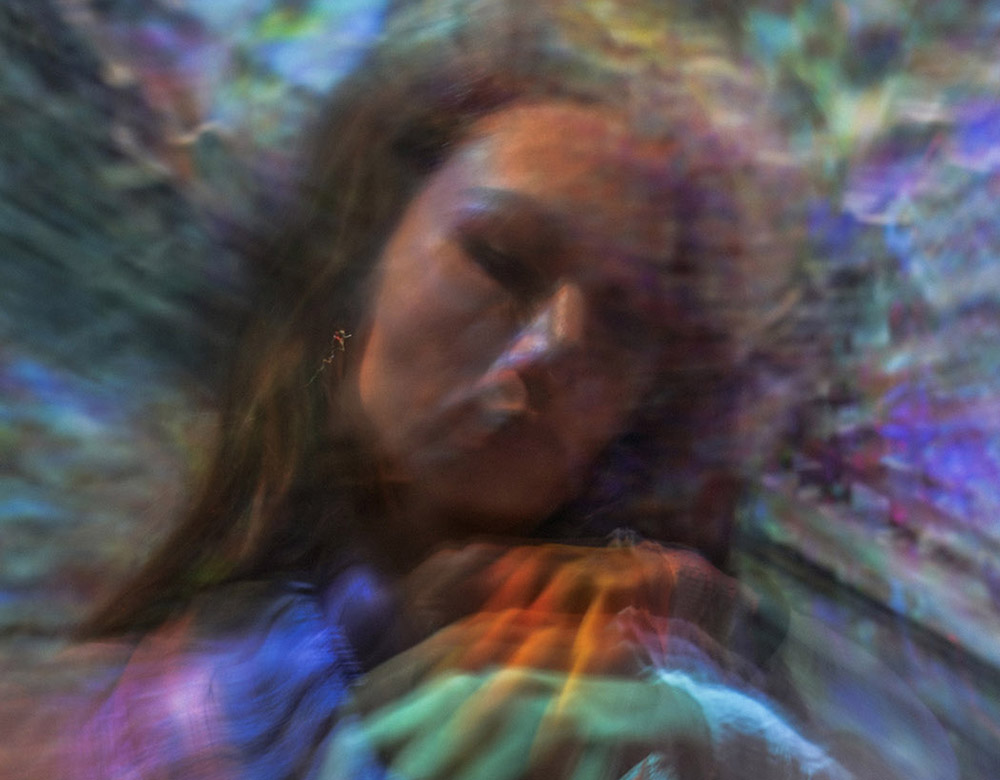
Ria Solari
Your series Transient Landscapes, Japan Vol. I, was created while travelling at high speed. What first made you turn your camera towards the passing view rather than the destination?
While traveling in Japan I decided to travel as much as possible by train, exploring different cities and moving around them. The “Transient Landscapes, Japan vol. I” series is an expression of what was my day to day visual narrative. The bullet train windows transformed in to a museum in movement and my camera was the viewer of these canvases of passing landscapes.
I also have different photo series of the destinations I visited. I find particularly interesting how these transient landscapes connect one destination with another.
You describe speed as something that transforms into stillness. How did experiencing the landscape from a train change your perception of time and movement?
It has always been so intriguing for me the feeling of perceiving a photo of a particular moment when that moment is still in process of becoming something new. I love playing with the camera shutter speed and in “Transient Landscapes, Japan vol. I” was even more interesting since the bullet train can reach a 300 km/h speed. These photographs captured a precise moment of time impossible to replicate. Photographing those places at that time with that special weather and light seems magic.
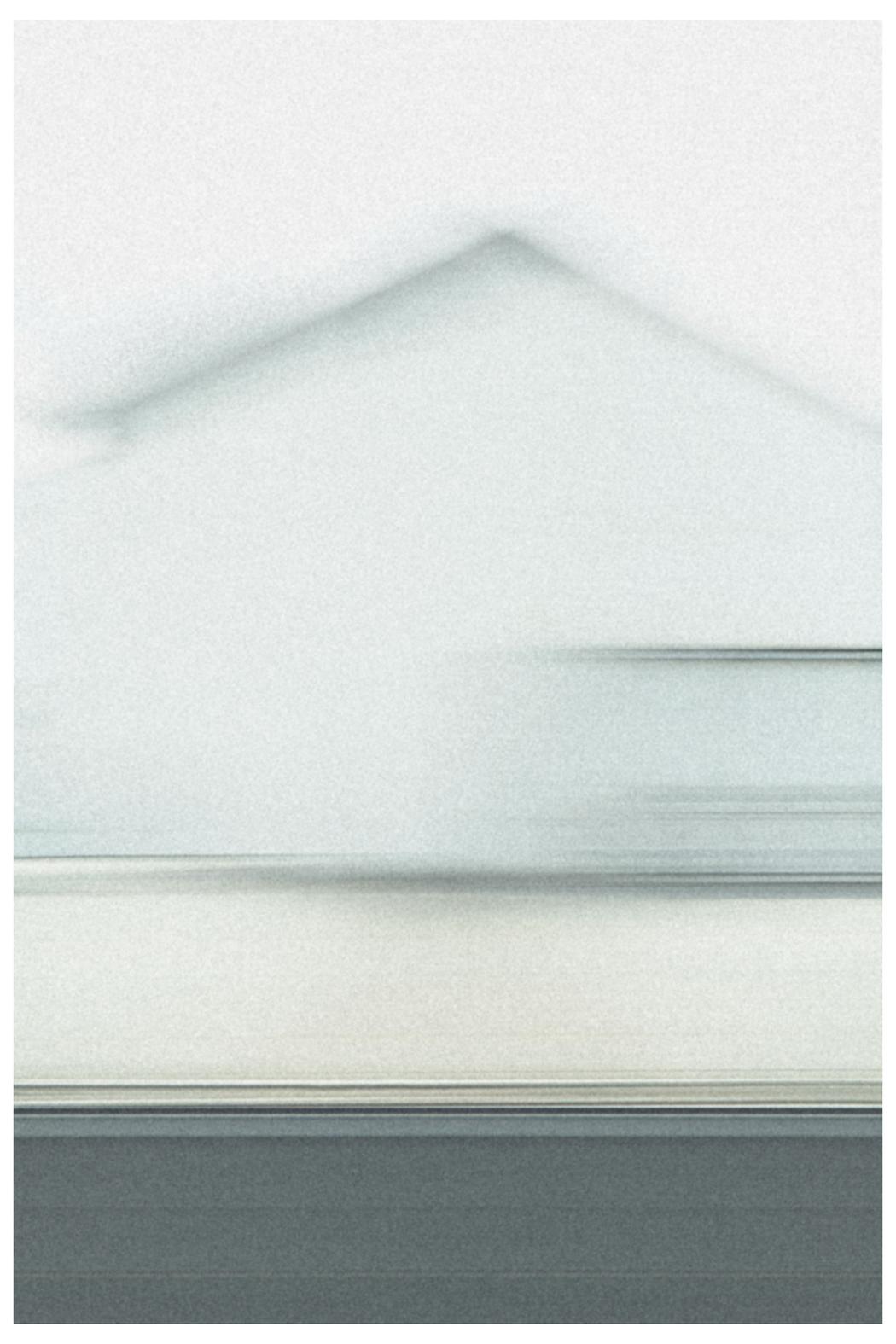 Ria Solari | Paisajes Pasajeros Japon | 2025
Wabi-sabi embraces imperfection, impermanence, and incompleteness. Which of these ideas resonates most deeply with you, both artistically and personally?
I’m always struggling to approve my own artworks as a finished piece. Learning about Wabi-sabi Japanese concept helped me a lot to see my production from another perspective.
This was a huge learning both personally and artistically.
“Transient Landscapes, Japan vol. I” series is a self-expression of my personal admiration of Wabi-Sabi while honoring the passage of time. Sometimes, we can find beauty in what we usually ignore by moving too fast.
Intentional Camera Movement involves both control and unpredictability. How do you decide when an accidental or distorted image has become a successful work?
I worked in photo studios for almost 15 years focusing on product photography with a mandatory realistic art direction. The intentional camera movement is a liberation for me and my approach to photography as I can focus my artworks in an abstract direction. My photography always follows a precise direction of what I’m looking for, so nothing is unintentional.
I really like the idea, though, that some viewers might find some of my art as accidental because it gives them the opportunity to analyse what they are watching and why.
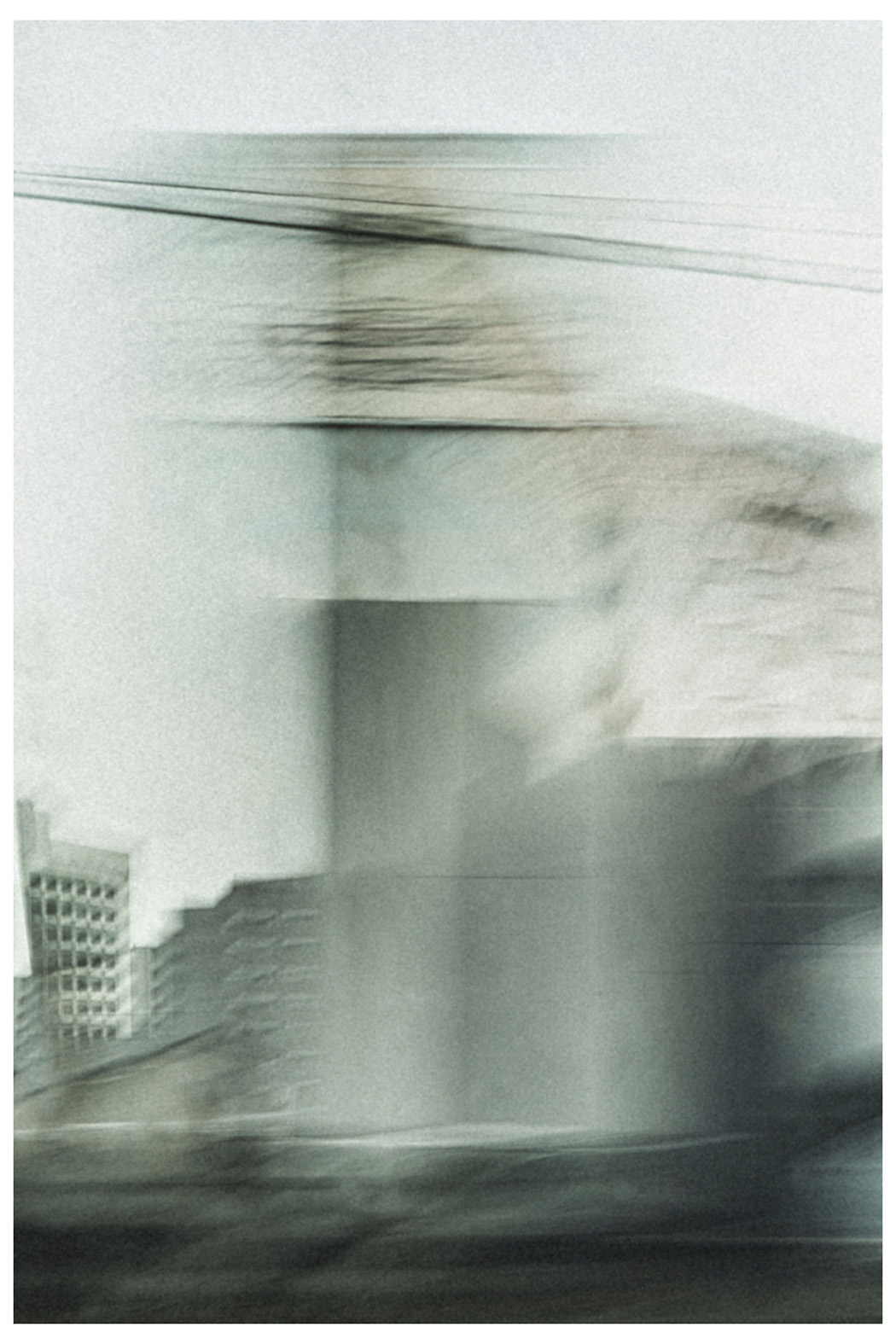 Ria Solari | Paisajes Pasajeros Japon | 2025
Some photographs preserve recognisable traces of houses, mountains, or infrastructure, while others move closer to pure abstraction. How important is this tension between recognition and disappearance?
I’ve been struggling with some personal situations during the last few years. These have affected enormously the way I perceived what used to be my reality. During this time, I’ve been observing how this old reality transforms into a new one. Sometimes, my capacity as a viewer has allowed me to watch how some ancient beliefs mutated into new ones, others transformed into abstract shapes while others completely disappeared.
This is how my brain has been working for the past years. Consequently, my art is just projecting what I’ve been feeling. Sometimes we can easily find and see what is before us, and sometimes we can merely touch the vanish of its existence.
Photography is often understood as a way of freezing a moment. In these works, however, each image seems to contain an extended passage of time. How do you think about the relationship between photography and duration?
One of the first things that captivated me about photography was understanding that it is impossible to recreate the same image again (apart from some exceptions on studio photography).
Playing with the camera shutter speed makes the photos even more unique because they capture a moment that doesn’t even exist before our eyes. If we add the train speed and the intentional camera movement to this equation “Transient Landscapes, Japan vol. I” series reflects the passage of time in an intimate way that otherwise would be lost because of moving too fast.
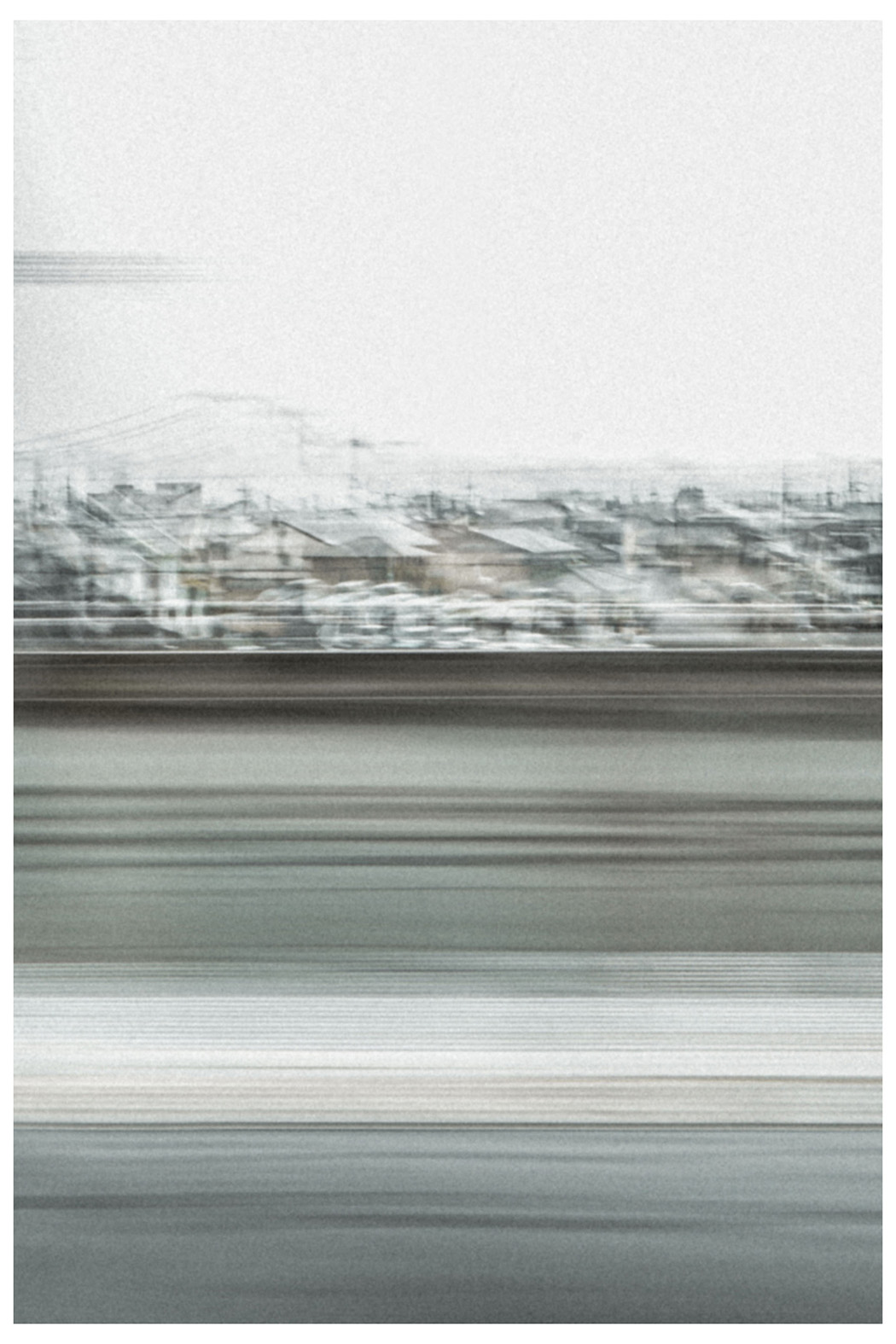 Ria Solari | Paisajes Pasajeros Japon | 2025
As a multidisciplinary artist working with photography, illustration, and writing, how do these different forms influence one another? Did words or texts accompany the development of this series?
All of my projects are a result of life experiences and thoughts. They are based on social and philosophical concepts that I translate into visuals and writings. This system works as an extension of one and other always walking hand in hand.