Daniel Casares-Roman
You began your career as a documentary photojournalist. What first drew you to photography, and how did your early experience covering breaking news shape the way you observe people and situations today?
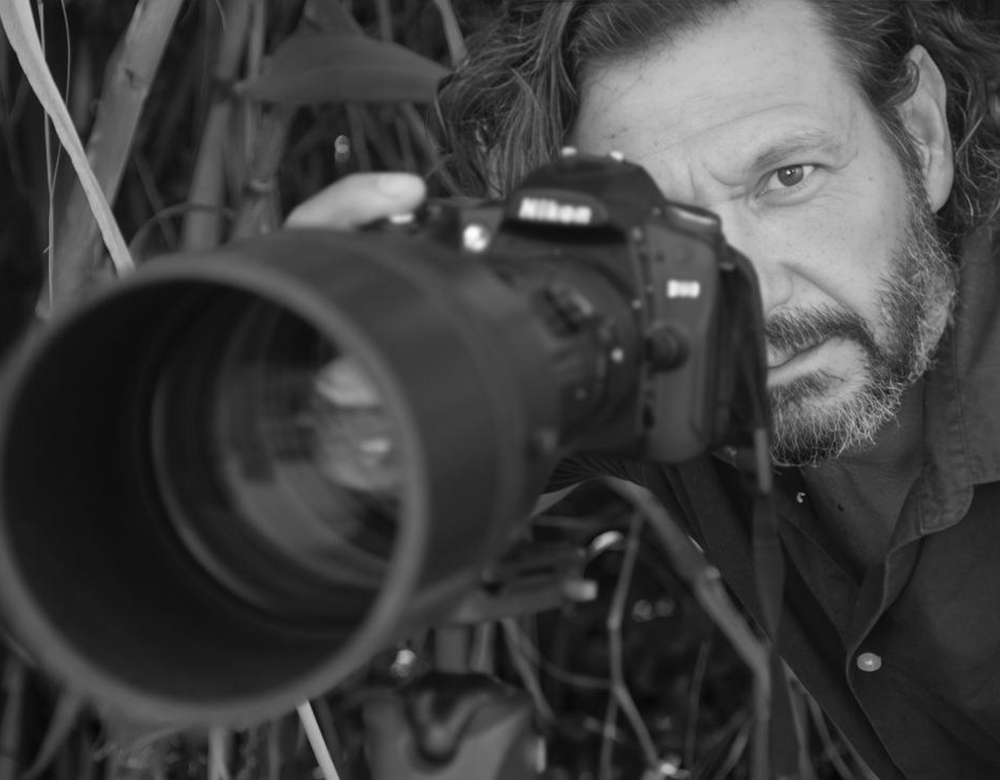
My first experience with photography came when I was nine years old. There was no photographic tradition in my family beyond a small camera we used to capture holiday memories. It was one of those Kodak Instamatic cameras, with the typical parallax error: the photographs always came out slightly off-center. I asked my mother if I could have the camera and began looking at this strange object in my hands. I realized that you looked through a window, but the camera actually captured the image through a circle in the center—the lens. “Now I understand,” I thought. I quickly realized that this was why the photographs came out misaligned. So, for the first time in my life, I brought the camera up to my eye and took my first photograph. But this time, I deliberately shifted the scene off-center, hoping and praying that the picture would still be properly framed. I handed the camera back to my mother, and that was it.
The interesting part happened during the rest of the trip. I couldn’t stop thinking about that photograph. Would everyone be in the frame? Would it be properly centered? Would I end up with nothing but sky?… What really drew me to photography was precisely that: it made me think.
When we returned from the trip, we picked up the photographs from the lab, and the picture was perfect. The first perfectly centered photograph in my family’s history. (Laughs.) And that was the moment I decided what I would do for the rest of my life: I would become a photographer.
My years as a photojournalist were crucial to my development as an author. I began to discover the human being in moments of extreme sadness, but also in moments of great joy. I had the opportunity to experience situations that were completely outside my own life, approaching them with sensitivity and empathy. And running through all of this was a strong sense of responsibility, knowing that the newspaper was waiting for my photographs at the end of the day, so they could be published in the following day’s edition.
What prompted you to move away from fast-paced news photography towards the more contemplative visual language of your project Color Humano?
There were several reasons. For one thing, as you mentioned, that frenetic pace meant that you could never really develop or fully explore a particular subject. The newspaper had a deadline, and the photographs had to be ready. I was always left with the feeling that I hadn’t gone deeply enough into the story, and I often intended to return to certain places, but the assignments waiting for me the following day always got in the way.
On the other hand, although working as a news photojournalist may seem like a dynamic job, eventually it becomes an annual routine, a kind of hamster wheel in which you have to photograph the same events year after year. And we have to remember that it was a local newspaper. Occasionally, something would happen that broke the routine, but 90 percent of the time it was repetitive work, and from a creative standpoint, it was incredibly draining.
Around that time, the Spanish edition of National Geographic began to be published, and I was fascinated by the stories and photo essays they featured. I wanted to experience something like that professionally, so I decided to leave news photography behind and focus on a more thoughtful, slower-paced form of storytelling, where I could develop long-term projects. That was how Color Humano was born.
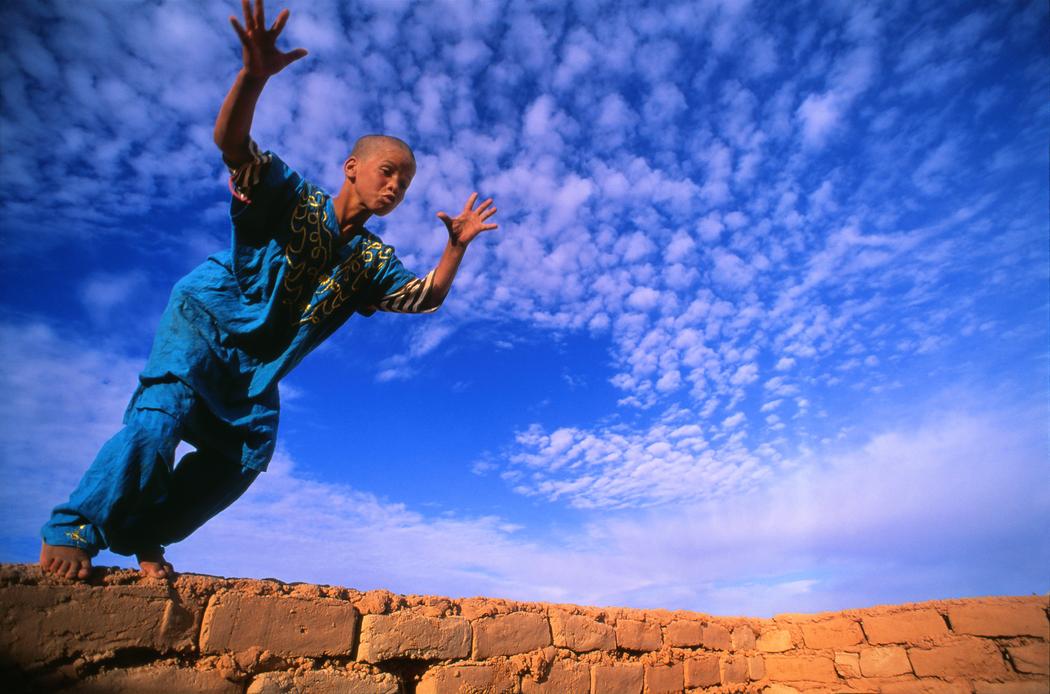
Color Humano has taken you to villages and cities in different countries. How do you choose the places and communities you photograph?
Your interest in a particular community, or in its customs and traditions, can come from many different places. I think a photographer should be someone active, restless, and curious—someone who likes to stay alert to what is happening in the world. Suddenly, you might be watching television, reading a book, or sitting in a movie theater, and you stumble upon a discovery, a clue, something that sets you off on a search. And in most cases, you end up discovering wonderful things about human beings. Sometimes you can’t even imagine how extraordinary the window that has opened up before you might be.
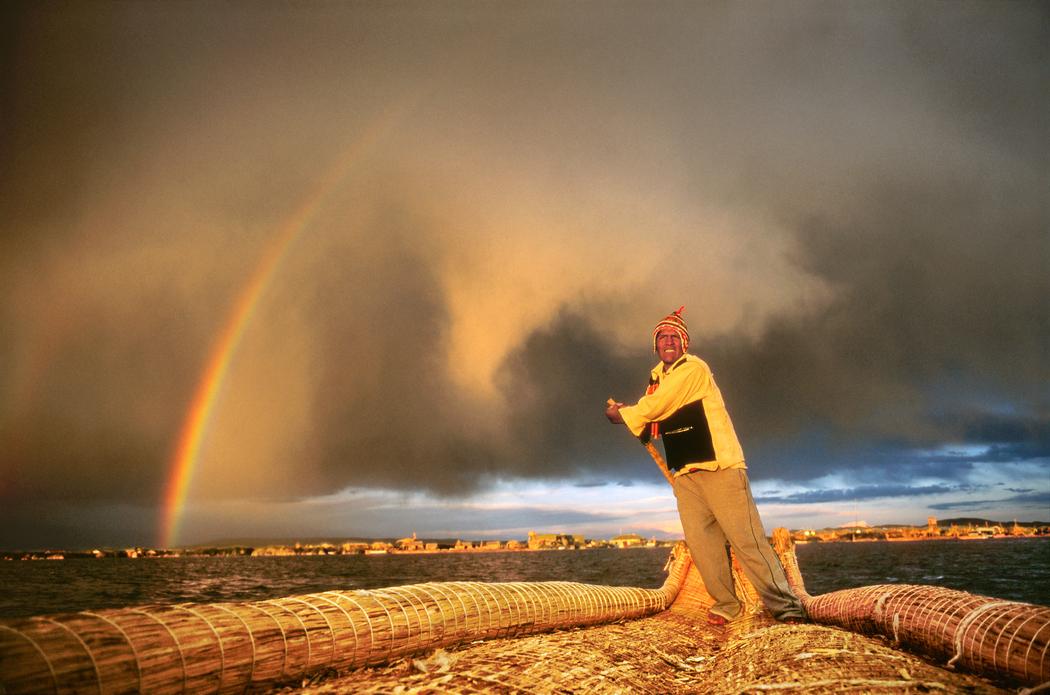
Your photographs often convey a strong sense of trust and proximity between you and the people portrayed. How do you establish this connection, particularly when working in an unfamiliar community?
You need to have a great deal of patience. Every person needs their own time and space. You also have to keep in mind that you may need to return to the same place several times.
I often explain it as if I were a farmer working in photography. Many people want to harvest the fruit without having planted the seeds first, and that is simply impossible. You may not come back from your first trip with the final photographs, but you will have planted the seeds that will lead to good opportunities. Months later, you will have to return and gradually build relationships of trust with those people. Perhaps it is on the fourth trip that you finally begin to take the photographs you had wanted to make from the very beginning. I also try to learn a few words of the local language, including expressions that are particular to that region. And above all, I try to work honestly. When I first meet someone, even if I have my camera hanging around my neck, I try not to take any photographs until they have had a chance to get to know me and understand what I am trying to do.
I know that my projects are long-term projects, and that is something the people I photograph need to understand as well.
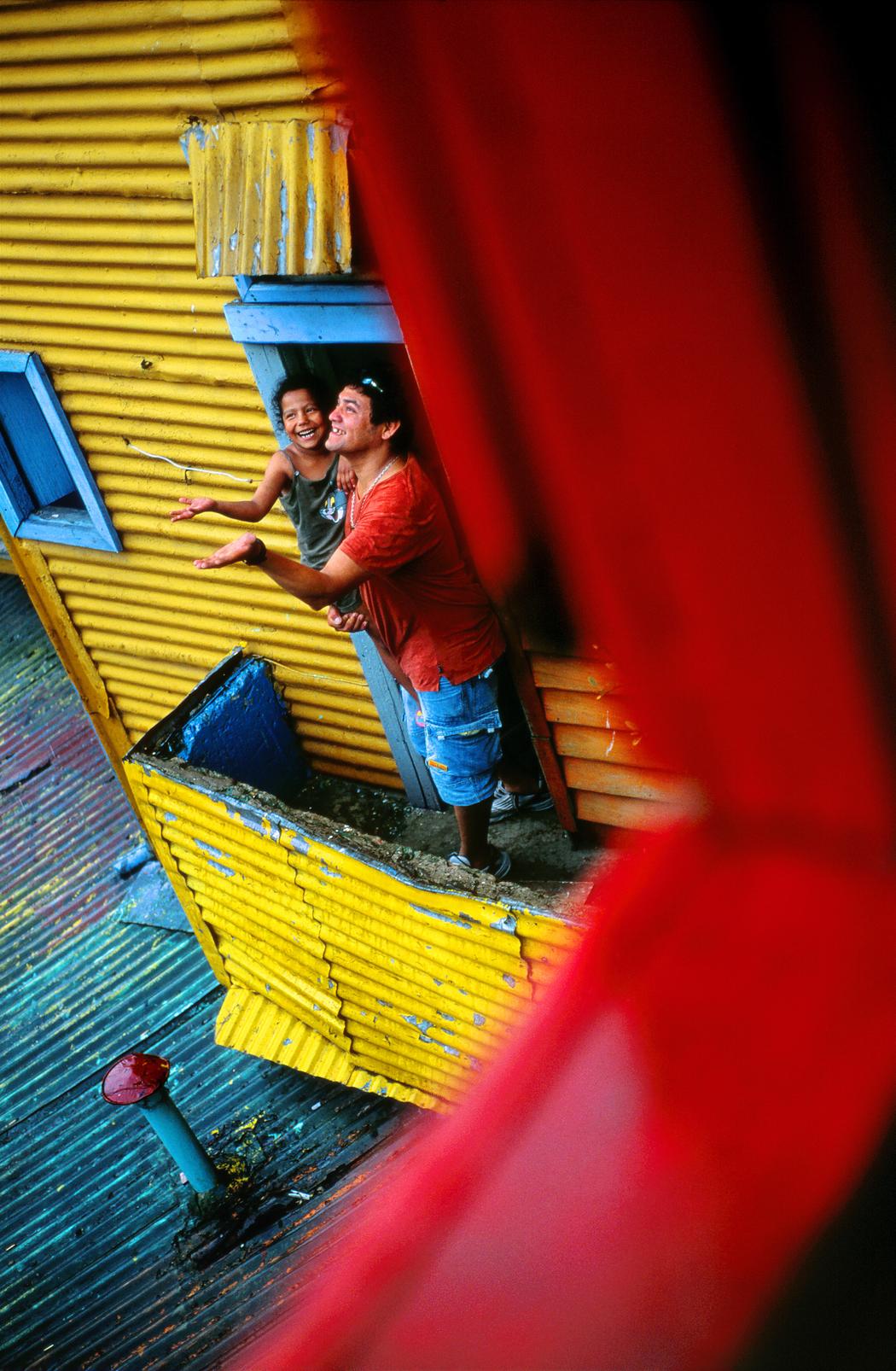
Many of the images capture gestures or situations that feel both spontaneous and carefully composed. How much of each photograph is observation, and how much is shaped through your interaction with the subject?
Nothing is staged. If it were, I would be doing advertising, lifestyle, or fashion photography. Documentary photography is rooted in absolute respect for reality.
Of course, this is where the question everyone asks me comes in: “Are your photographs candid or posed?” As if those were the only two possibilities. I always say that there is a third option that many people overlook: staying in one particular place for a long time—really, a very long time.
If I have the opportunity to live alongside a family in their home, I will usually spend several weeks with them. During the first few days, your presence is obvious and nothing feels natural. Sometimes they will do something or show you something simply so that you will press the shutter. But as the days go by, they gradually let their guard down and become accustomed to having you there. After three or four days, my camera and I have become invisible, and the scenes are completely natural. People simply go about their daily lives without noticing that you are there—or at least, not all the time.
You become invisible, and that is a wonderful thing. At that point, you are not stealing photographs, because they have given you permission to be there, but neither are the photographs posed. They are simply authentic photographs.
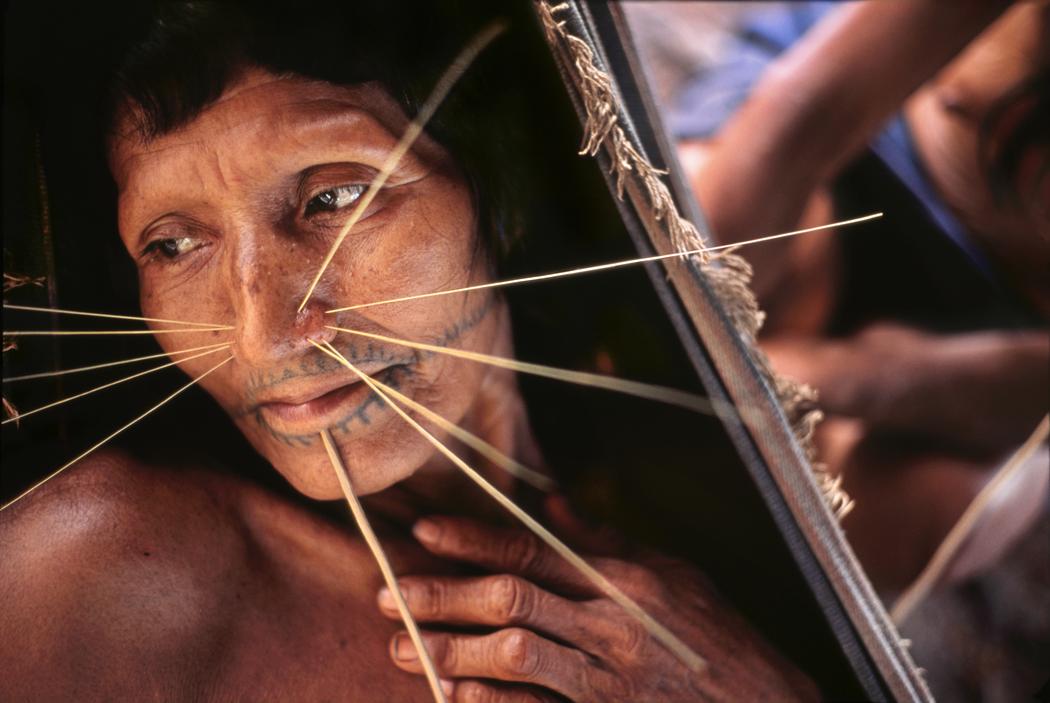
When you say that you want to leave a record that a particular history once existed, what determines whether a moment or a person becomes part of that record?
I always photograph from a place of admiration. It is impossible for me to become interested in someone I do not admire. I might admire the way they live, their philosophy, their sense of humor, the way they express themselves, their kindness, and so on… but there has to be something about them that fascinates me.
For me, it is a lot like friendship. I don’t think it is possible to be friends with someone you don’t admire. Think about it: you don’t wake up in the morning wanting to see someone who has nothing to offer you. Of course, you might have a coffee with a friend who needs to be heard and wants to tell you about their problems, but you do that occasionally, as an act of empathy. I’m talking about something else: genuinely wanting to see someone simply because you want to spend some time together. Naturally, you have to admire that person. Otherwise, it is impossible to genuinely look forward to seeing them.
Something similar happens here. Most of my photographs are not the result of a fleeting encounter. As I mentioned earlier, I usually spend a great deal of time with the person I am photographing, and inevitably, a bond develops. I’m not saying we end up becoming close friends, but almost.
Even when photography is purely aesthetic, for me, appearance is the least important thing.
After working on Color Humano across different countries and cultures, has the project changed your understanding of what people share – and of what makes each individual story unique?
Every story is unique, but there are also many things we have in common. In some ways, we are not so different from a tribe in Africa or a community in the Amazon. We are human beings, after all. And you know what? We all cry and laugh in the same way. Perhaps we do so for different reasons, because our cultural environment has a profound influence on us, but at the end of the day, we are still the same animal on this planet.