
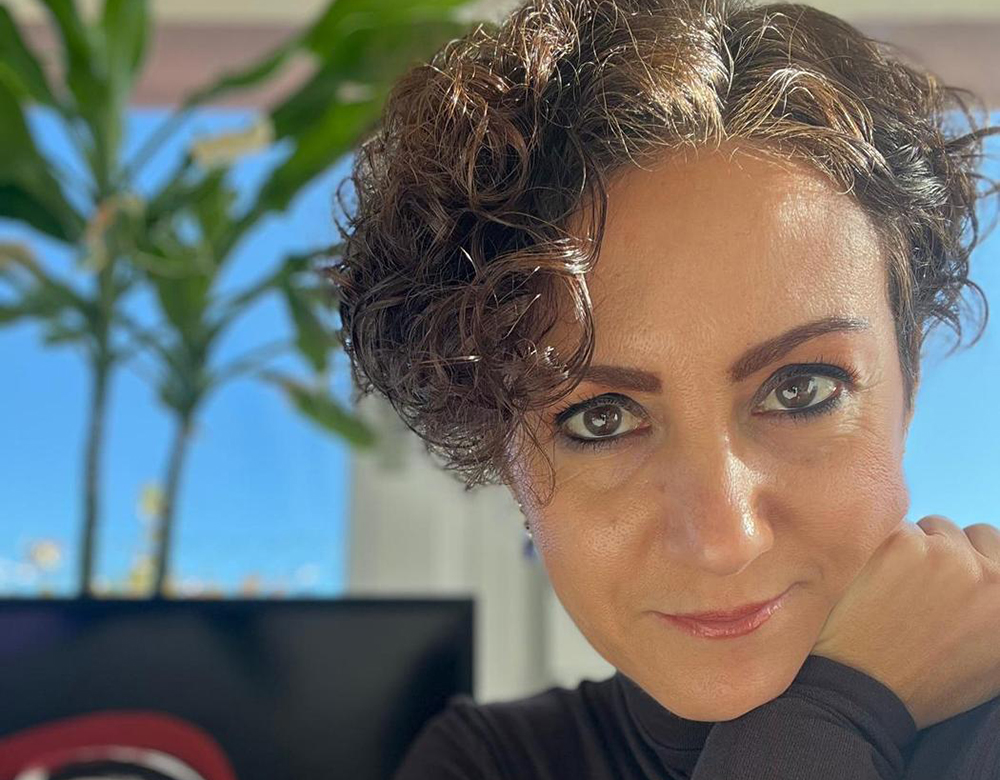
Francesca Patera – Chi?
You returned to painting in 2025 after a long break. What brought you back to art at that particular moment, and how did your relationship with creativity change during the years away?
My return to painting in 2025 was not a planned decision, but a necessity. For many years, art had taken a back seat, but the need to express what I was experiencing inwardly grew ever stronger, until a return to drawing and painting became inevitable. During those years away from art, however, my relationship with creativity never truly broke off. It changed. It continued to develop through life experiences, reflections, and observations of others and of myself. When I started painting again, I was no longer simply trying to create images, but to construct a language capable of conveying what often remains invisible: inner transformations, fragilities and the complexity of identity. Today, I experience painting as a space for ongoing exploration.
Each work represents a question rather than an answer, an opportunity to understand a little more about myself and, perhaps, also about those who view it.
You work under the artistic name “Chi?”, meaning “Who?”. How did you arrive at this name, and how does the question of identity shape the way you approach each new work?
The name ‘Chi?’ arose from a very simple yet fundamental observation: I believe that no one can define themselves once and for all. Identity is not something definitive, but a process in constant flux. That question mark is essential, because it represents doubt, curiosity and a willingness to continually question oneself. Every work stems from this question. Each work represents an inner state with which anyone can identify. The faces become symbols of the human being, shaped by experiences, fears, memories and changes.
For me, art is not about providing definitions, but about opening up possibilities for reflection. “Chi?” is not just my artist’s name: it is a question I ask first and foremost of myself and which, through the painting, also reaches the viewer.
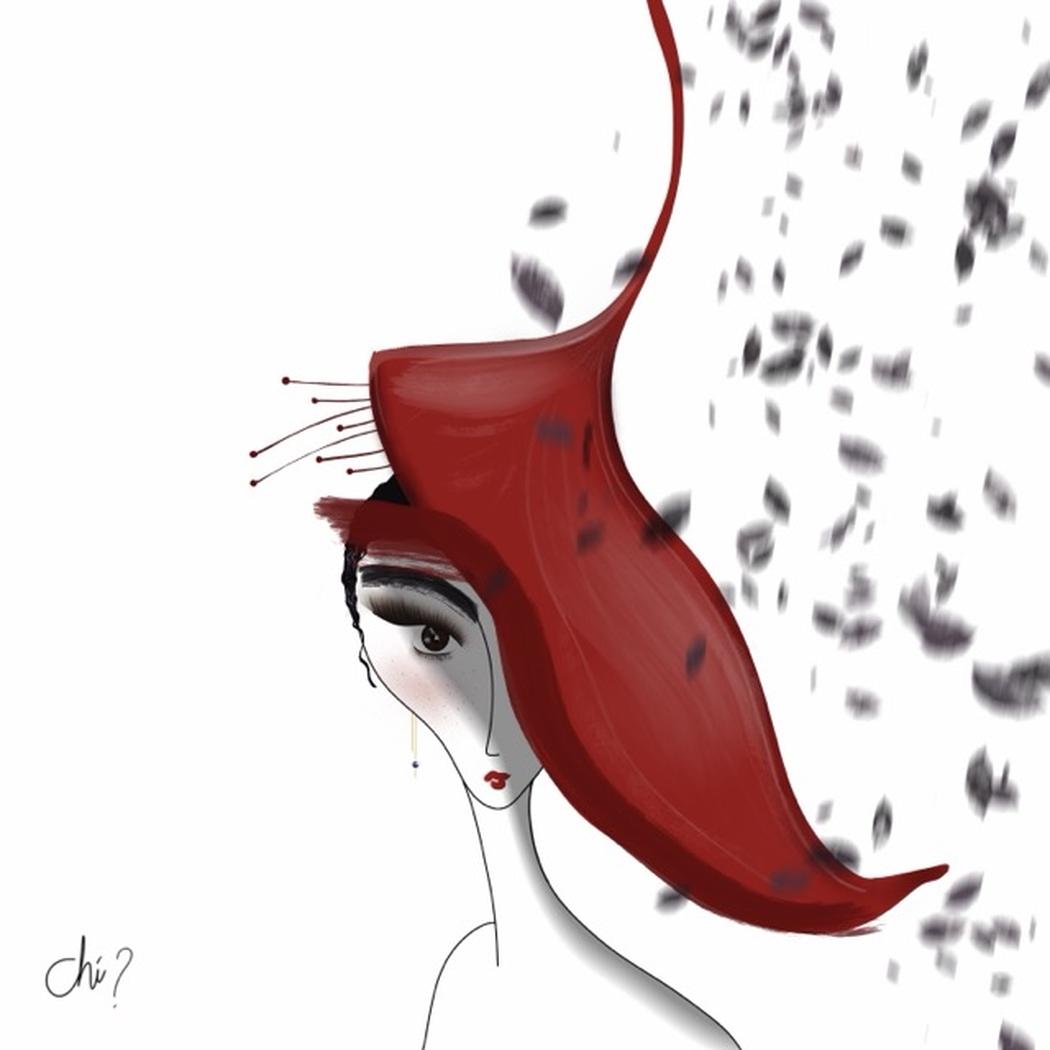 Francesca Patera – Chi? | Subtle Resilience | 2026
Your figures often appear partially hidden by foliage, shadows, or abstract forms. What does the act of concealing part of the face allow you to express that a fully visible portrait might not?
Hiding part of the face means revealing what is not normally seen. I am interested in depicting inner life rather than outward appearance, and the partially concealed face becomes a symbol of everything that each person holds within themselves.
The foliage, in particular, does not serve a decorative purpose. It is a living presence that represents thoughts, emotions, memories and transformations. It can offer protection, but it can also limit one’s ability to see oneself. I am fascinated by this ambivalence.
If the face were fully visible, the narrative would risk being confined to individual identity. Instead, by leaving part of it hidden, I create an open space where the viewer can complete the image with their own experience. It is precisely this sense of incompleteness that makes the dialogue more universal.
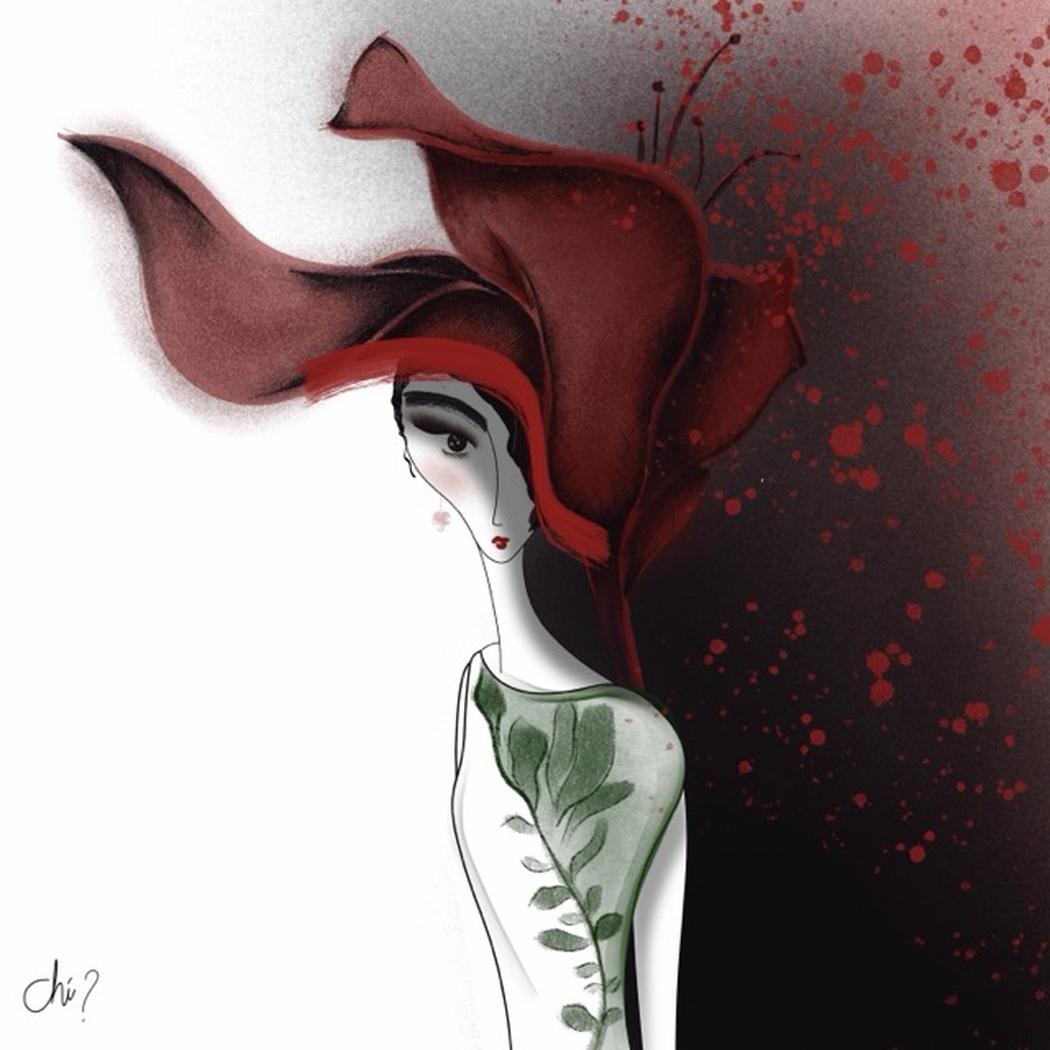 Francesca Patera – Chi? | Inner Bloom | 2026
Red, deep green, black, and white appear repeatedly throughout your works. How consciously do you use color to communicate particular emotions or psychological states?
Colour is a fundamental component of my artistic language, and every choice stems from a specific emotional intention, although I always leave room for intuition during the creative process.
Black represents depth, mystery and everything we do not yet know about ourselves. White, on the other hand, introduces a space of suspension, silence and possibility. Green evokes nature, but above all inner growth and continuous transformation. Red is probably the most intense colour in my palette: it represents vital energy, emotional tension, vulnerability and strength, all of which can coexist within the same experience.
I do not use these colours in a symbolic or rigid way. I prefer to regard them as tools capable of creating a psychological atmosphere, guiding the viewer into a particular emotional state rather than telling them a specific story.
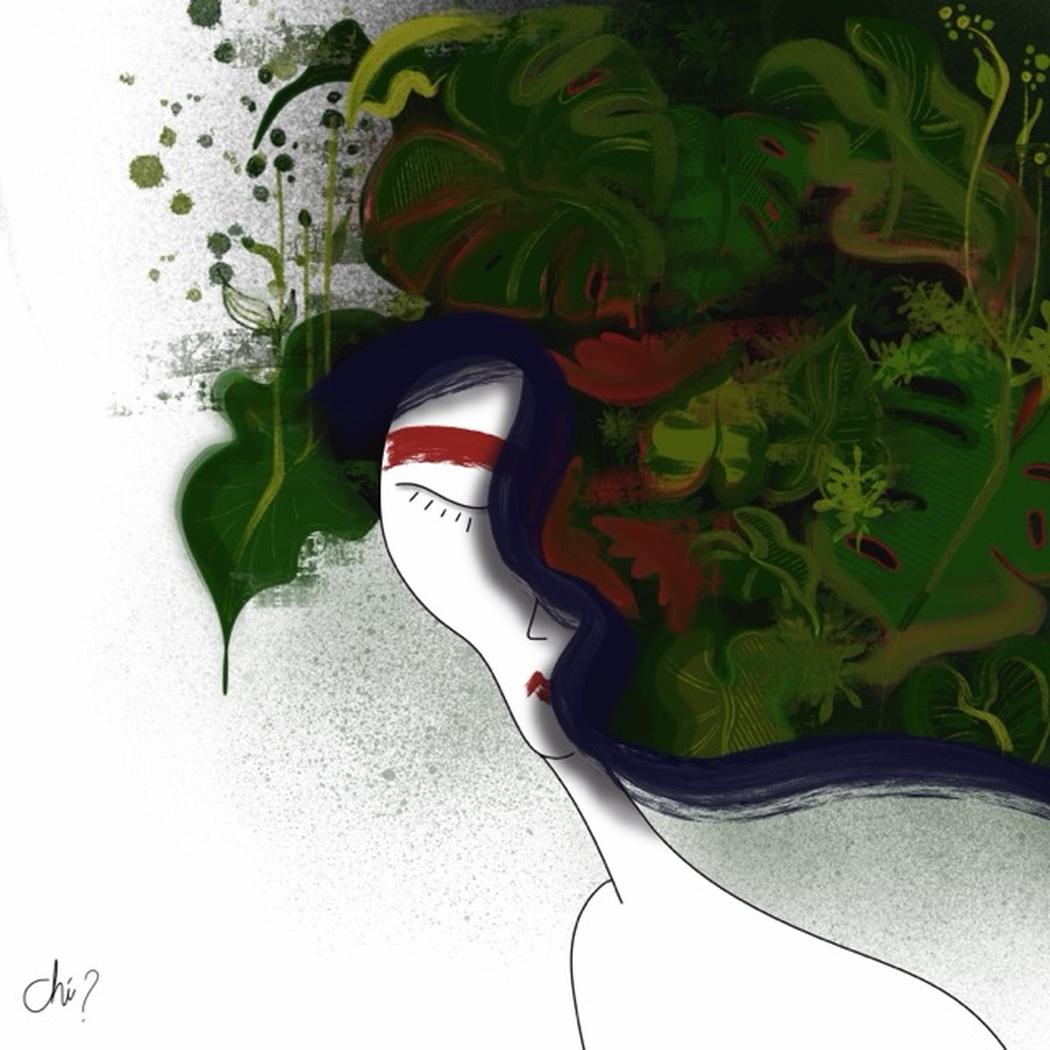 Francesca Patera – Chi? | Roots in the Soul | 2026
Your paintings explore vulnerability, inner conflict, transformation, and self-awareness without directly illustrating pain. How do you find the balance between revealing something emotionally personal and leaving space for the viewer’s own interpretation?
I try to draw on authentic experiences and emotions, without, however, recounting my personal story directly. What interests me is not autobiography, but rather exploring inner states that are universal to us all: doubt, fragility, change, the search for one’s true self.
That is why, in my works, I avoid describing these aspects explicitly. I prefer to suggest them through symbols, atmospheres and details that leave room for the imagination. I believe that a work truly comes to life when the viewer is able to recognise something of themselves in it, without feeling guided towards a single interpretation.
My aim is not to explain an emotion, but to create a space for reflection into which each person can step with their own life experience. It is in that encounter between my own exploration and the viewer’s experience that the painting finds its most authentic meaning.
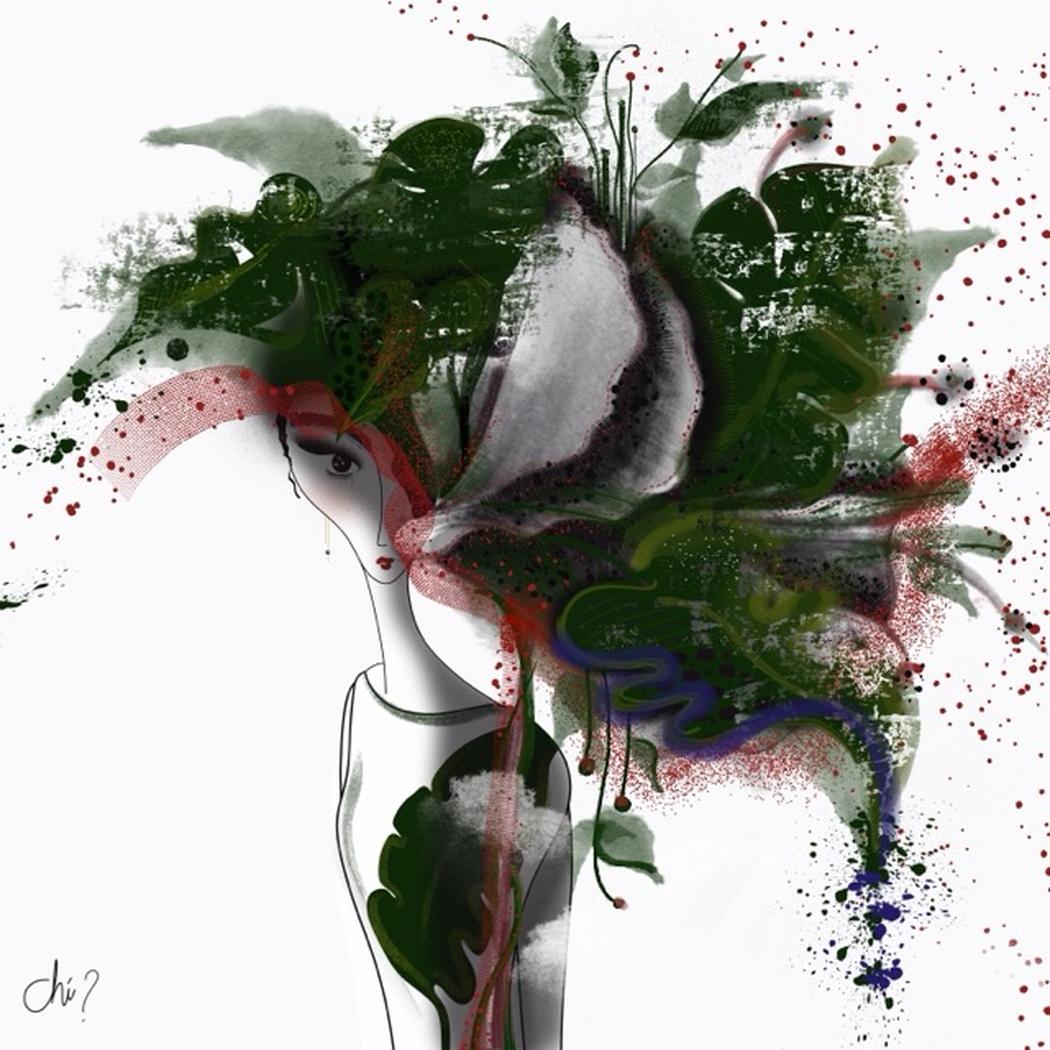 Francesca Patera – Chi? | Hidden Presence | 2026
Works such as Conscious Surface and Hidden Presence deal with fractures, shadows, and aspects of ourselves that we may prefer not to confront. What inspired these works, and what does the idea of “accepting the shadow” mean to you personally and artistically?
*Conscious Surface* and *Hidden Presence* stem from a reflection on the fact that we often tend to show only those parts of ourselves that we consider most acceptable, leaving in the shadows everything that makes us vulnerable or that we struggle to understand. I was interested in depicting precisely that hidden space, because I believe that is where the most profound transformations take place.
The cracks, shadows and elements that partially cover the face are not symbols of something to be eliminated, but essential parts of one’s identity. They tell the story of a process of growth that also involves accepting our contradictions.
For me, ‘accepting the shadow’ does not mean surrendering to pain or suffering, but having the courage to acknowledge what we normally tend to avoid. It is an act of awareness. My art aims to create a quiet, almost suspended space in which the viewer can recognise themselves without feeling judged. I do not seek to provide definitive answers, but rather to open up a space for reflection. I believe that knowing oneself requires courage, because it means facing one’s own shadows without looking away. But I also believe that it is precisely there, in the parts we try to hide, that a more authentic form of light can emerge.
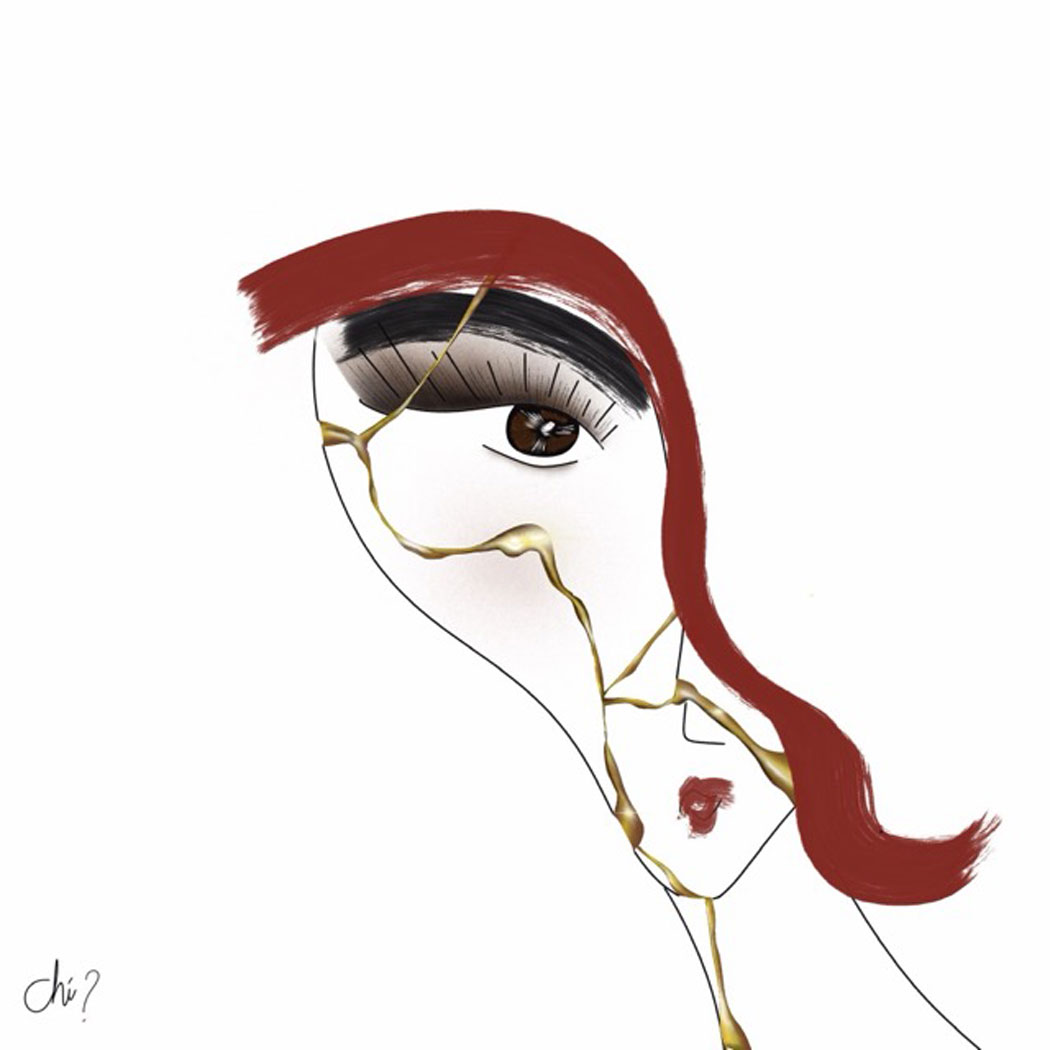 Francesca Patera – Chi? | Conscious Surface | 2026
Your practice is still evolving and you describe yourself as constantly searching for new artistic challenges. What directions, materials, themes, or projects would you most like to explore next?
I still consider myself to be at the beginning of my journey, and this excites me. I want to continue to explore the artistic language I am developing, without rushing to arrive at a definitive formula. From a research perspective, I wish to further develop the relationship between the human figure and nature, exploring new levels of material layering and new expressive possibilities. I am also interested in creating larger-scale works that engage more fully with the space and the viewer’s experience.
At the same time, I would like to engage with increasingly international exhibition contexts and collaborate with organisations that share a vision of art as a tool for reflection and dialogue. My aim is not to pursue an unchanging style, but to keep asking myself questions. I believe that artistic exploration, like identity, is a constantly evolving process. As long as I continue to question myself, I will feel that I am on the right path.
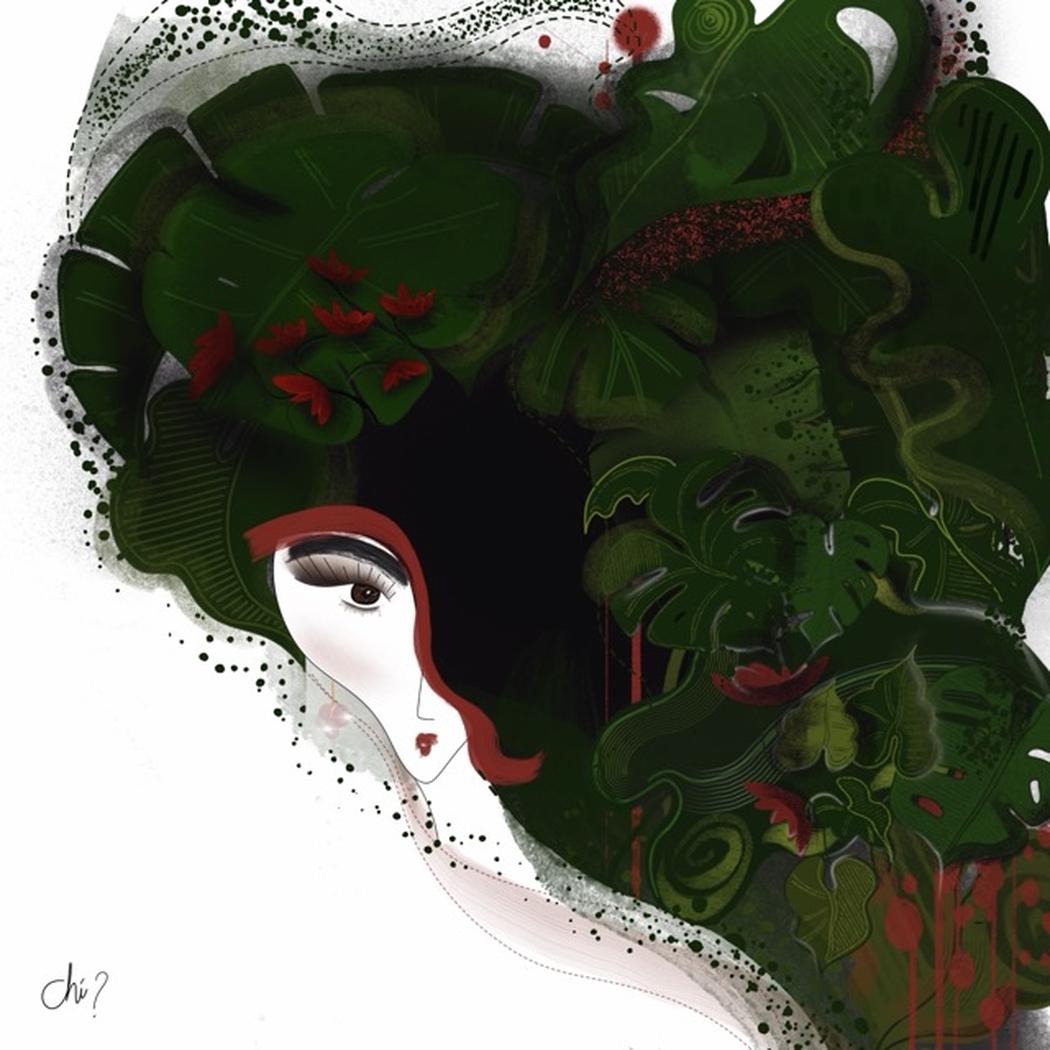 Francesca Patera – Chi? | Today | 2026